

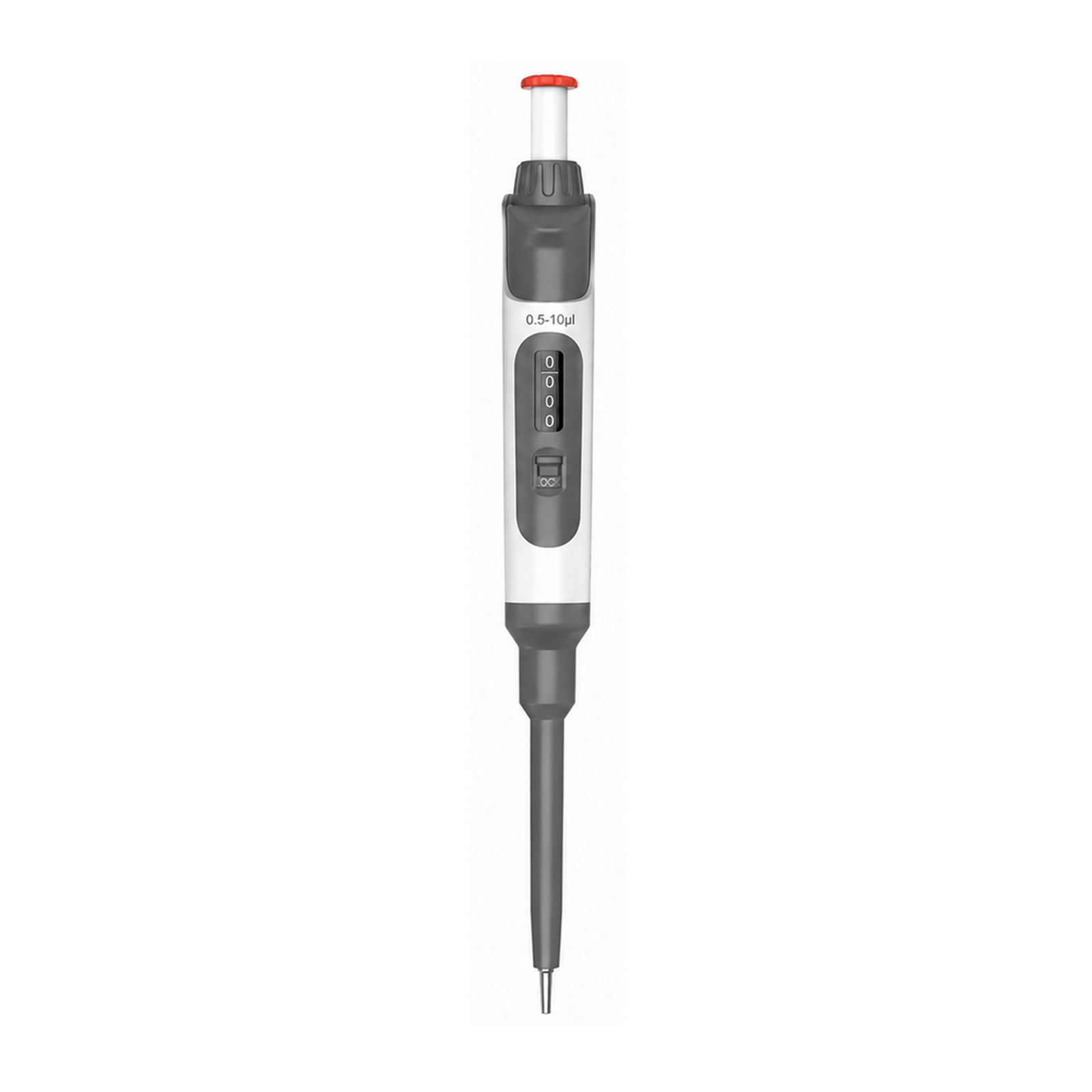
Scientific experiments require precision, consistency, and careful attention to detail. Even small mistakes during laboratory procedures can influence experimental outcomes, waste valuable samples, and reduce research efficiency.
Many laboratory errors do not happen because of complex scientific problems. Instead, they often come from everyday operations, including incorrect pipetting techniques, improper equipment use, poor sample handling, or insufficient instrument maintenance.
Understanding these common mistakes helps researchers improve accuracy, increase reproducibility, and create a safer and more efficient laboratory environment.
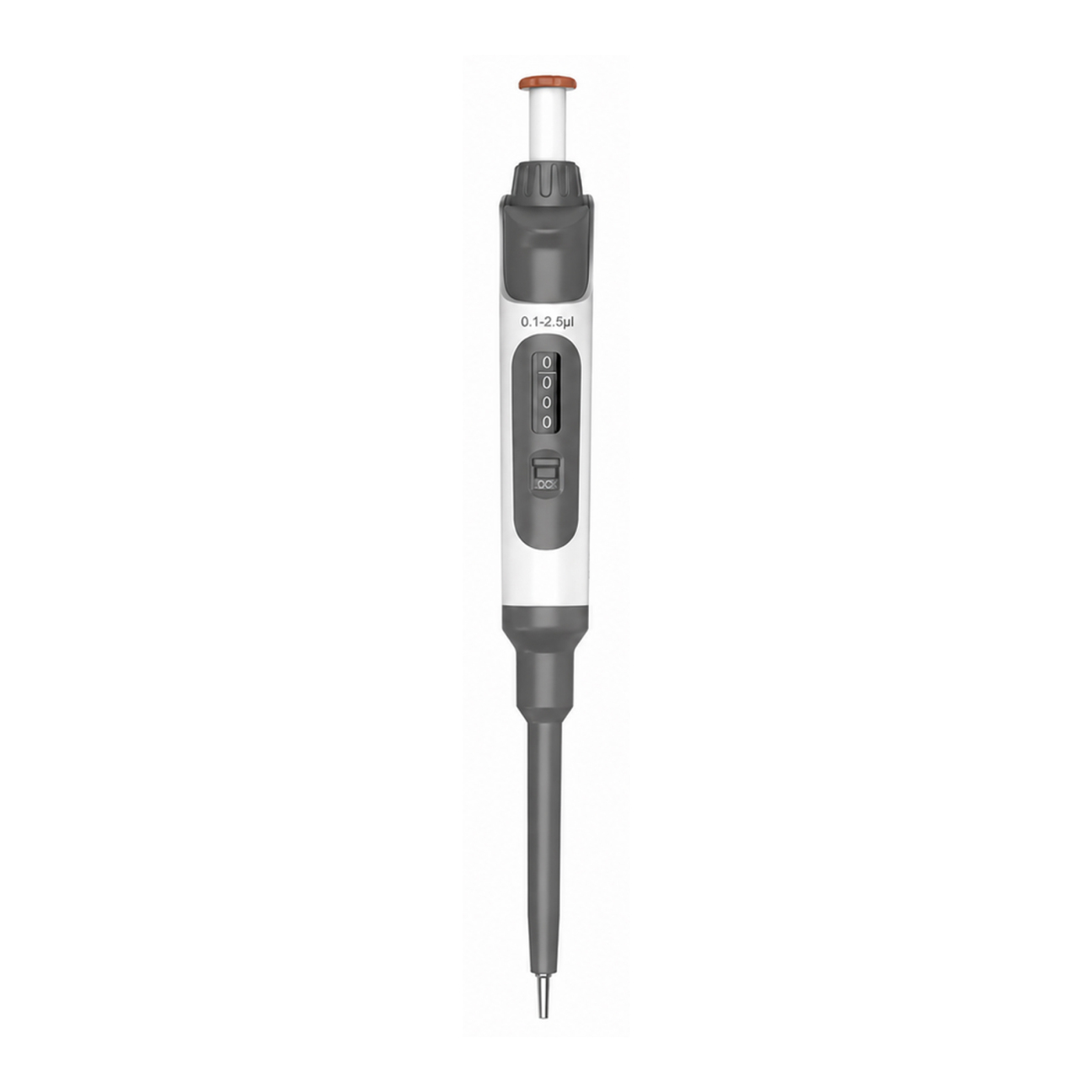
1. Using the Wrong Pipetting Technique
Pipetting is one of the most frequent operations in laboratories, but it is also one of the most common sources of experimental error.
Incorrect pipetting may cause:
- Inaccurate liquid volumes
- Sample contamination
- Poor reaction consistency
- Unreliable experimental results
Common mistakes include:
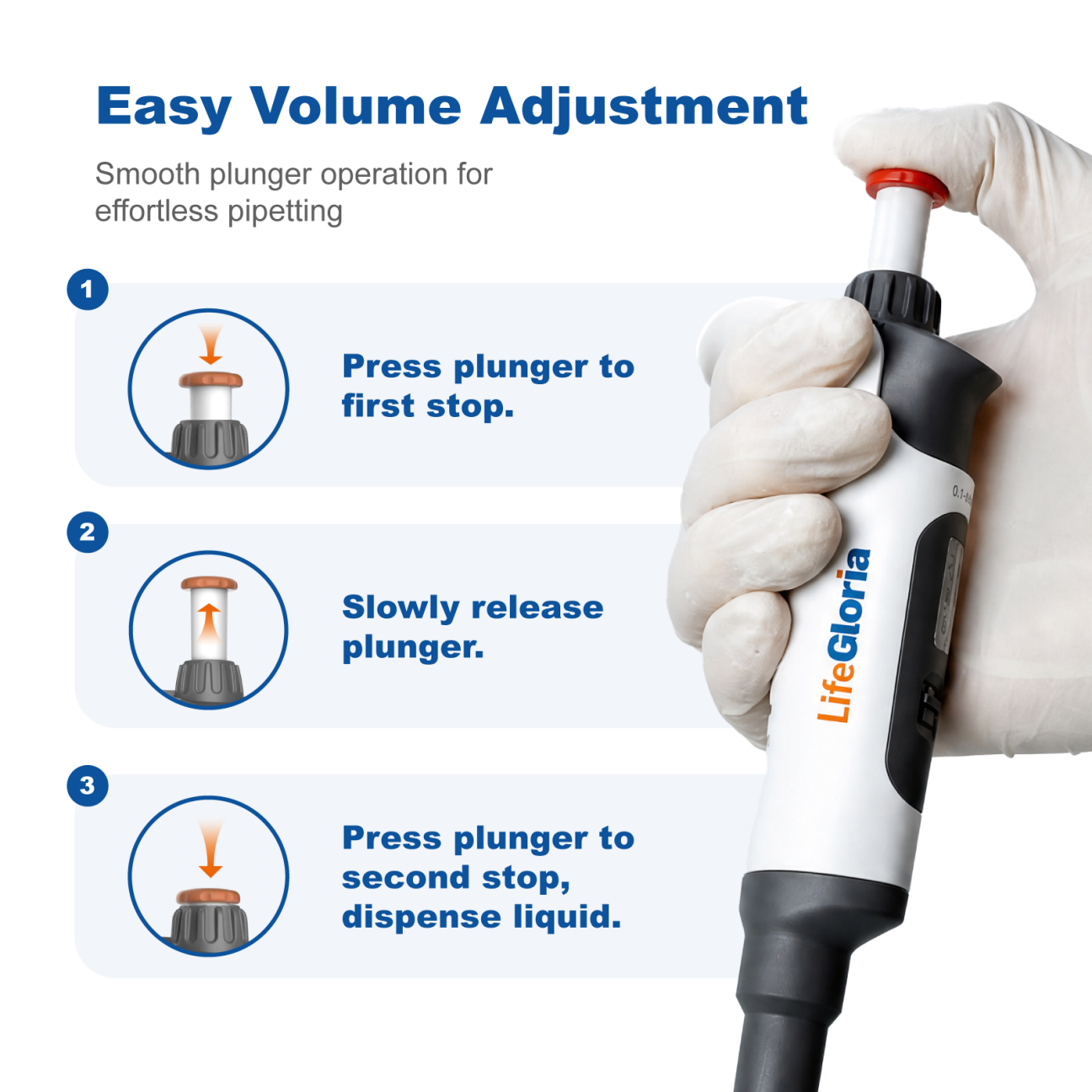
- Pressing the plunger too quickly
- Holding the pipette at an incorrect angle
- Using the wrong pipette volume range
- Reusing unsuitable pipette tips
How to Avoid It:
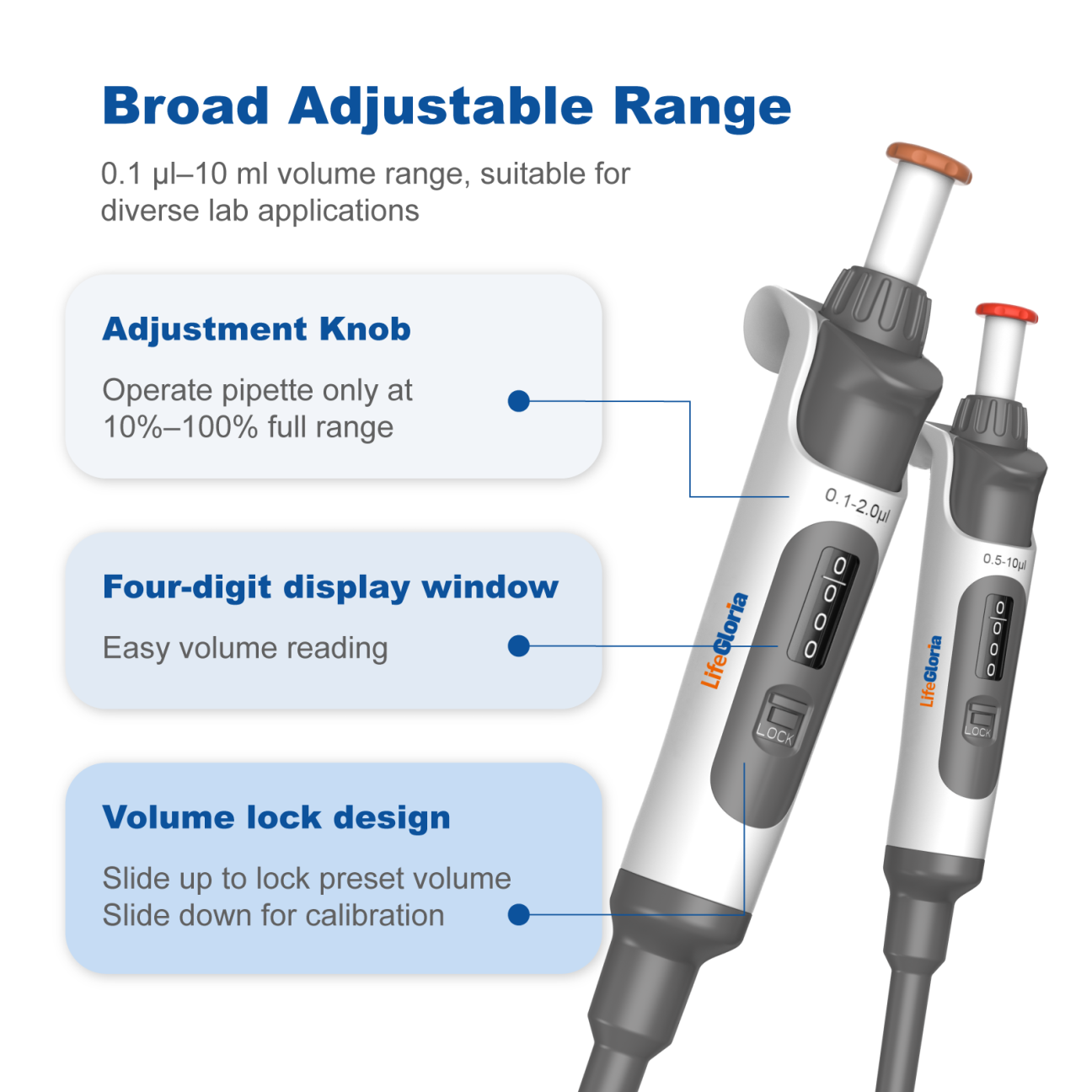
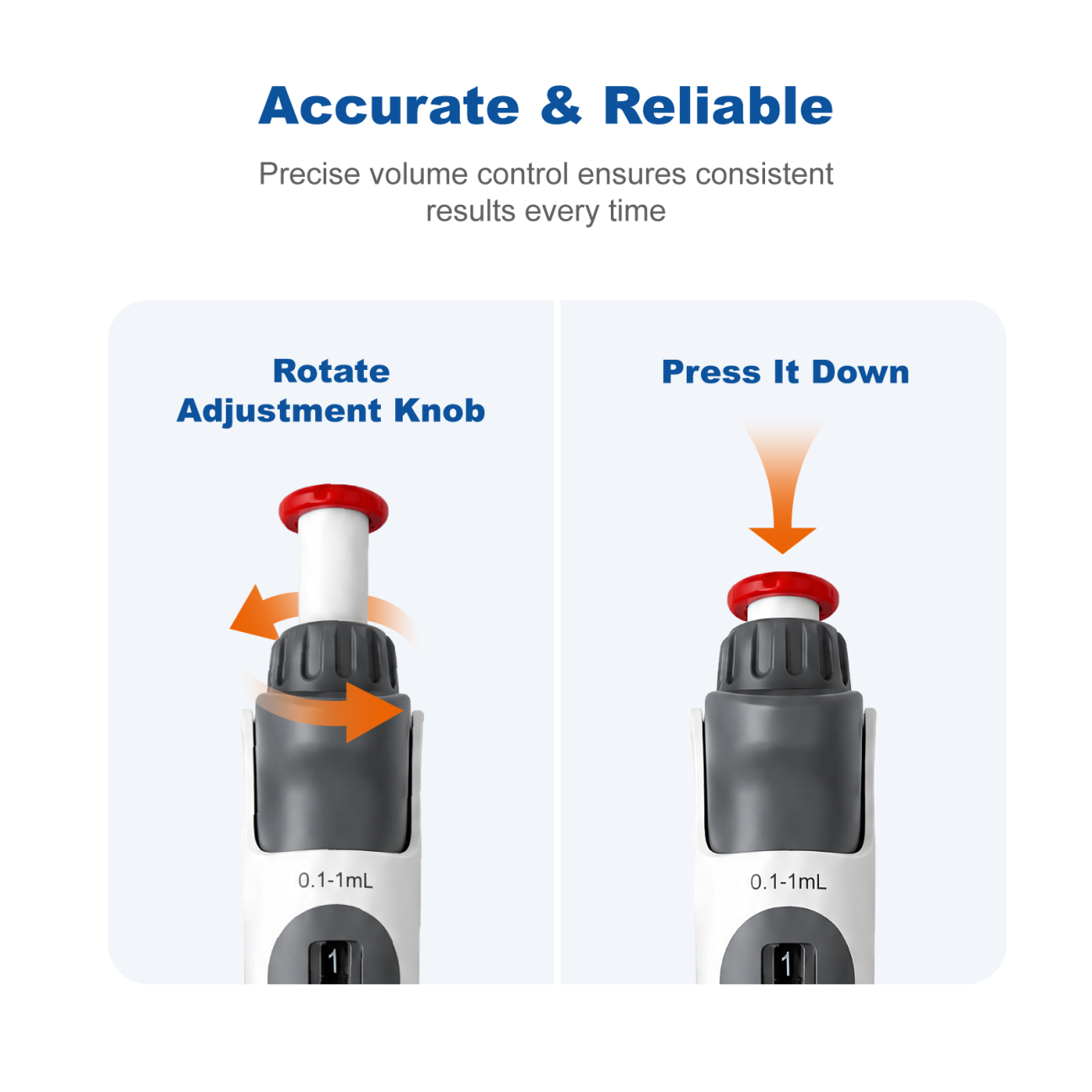
- Select the correct micropipette for your volume range
- Use consistent aspiration and dispensing speed
- Keep the pipette vertical during aspiration
- Replace tips between different samples
Proper pipetting technique is essential for reliable laboratory results.
2. Choosing the Wrong Pipette Volume Range
A common mistake is using one pipette for all applications.
For example:
Using a 100–1000 μL pipette to transfer 10 μL may significantly reduce accuracy.
A better approach is selecting pipettes according to working volume:
- 0.1–10 μL → Molecular biology applications
- 2–20 μL → Small-volume liquid handling
- 20–200 μL → General laboratory use
- 100–1000 μL → Larger sample transfer
Using the correct range improves precision and reduces measurement errors.
3. Ignoring Pipette Calibration
Even high-quality laboratory pipettes require regular calibration.
Over time, factors such as:
- Frequent use
- Mechanical wear
- Temperature changes
- Improper handling
may affect accuracy.
Recommended Practices:
- Perform regular calibration checks
- Follow laboratory quality procedures
- Replace worn components when necessary
Calibration ensures that measured volumes remain accurate.
4. Incorrect Centrifuge Operation
Centrifuges are powerful instruments that require proper operation.
Common centrifuge mistakes include:
- Uneven tube loading
- Using incompatible tubes
- Exceeding recommended speed limits
- Using the wrong rotor type
These errors can cause:
- Sample loss
- Poor separation
- Equipment damage
- Safety risks
How to Avoid It:
Always:
- Balance samples before centrifugation
- Confirm rotor compatibility
- Follow recommended RPM/RCF settings
- Inspect rotors regularly
5. Ignoring Sample Temperature Requirements
Many biological samples are temperature-sensitive.
Incorrect storage or handling temperatures may affect:
- Protein stability
- Cell viability
- DNA/RNA integrity
- Experimental reproducibility
Examples:
- Cell culture samples may require controlled environments
- Biological materials may require cryogenic storage
- Certain reactions require specific temperature conditions
Proper temperature control protects valuable samples.
6. Not Cleaning Laboratory Equipment Properly
Laboratory instruments require regular maintenance.
Poor cleaning practices may lead to:
- Cross-contamination
- Reduced equipment performance
- Shorter instrument lifespan
Common equipment requiring maintenance:
- Pipettes
- Centrifuges
- Vortex mixers
- Incubators
- Laboratory workstations
Following manufacturer maintenance guidelines improves reliability.
7. Using Low-Quality Consumables
Laboratory consumables directly affect experimental performance.
Poor-quality consumables may cause:
- Leakage
- Contamination
- Inconsistent results
- Sample loss
Important consumables include:
- Pipette tips
- Microcentrifuge tubes
- PCR tubes
- Laboratory containers
Selecting reliable consumables supports better experimental reproducibility.
8. Overlooking Equipment Specifications
Not every laboratory instrument is suitable for every application.
A common purchasing mistake is choosing equipment based only on price.
Important factors include:
- Speed range
- Accuracy
- Capacity
- Temperature control
- Compatibility
- Long-term reliability
Selecting equipment based on actual laboratory needs provides better value.
9. Poor Laboratory Organization
An inefficient workspace can increase errors.
Common problems:
- Unlabeled samples
- Poor reagent organization
- Incorrect storage locations
- Lack of workflow planning
A well-organized laboratory improves:
- Productivity
- Safety
- Sample tracking
- Research efficiency
10. Skipping Equipment Training
Modern laboratory instruments often include advanced functions that users may overlook.
Without proper training, researchers may:
- Use incorrect settings
- Reduce instrument performance
- Increase maintenance issues
Training helps users understand:
- Equipment operation
- Safety procedures
- Maintenance requirements
- Best practices
How Laboratory Equipment Quality Improves Experimental Reliability
Reliable laboratory instruments help reduce human error and improve research consistency.
High-quality equipment provides:
- Better accuracy
- Stable performance
- Improved repeatability
- Safer operation
From precise liquid handling to accurate sample separation, every instrument plays an important role in experimental success.
How LifeGloria Helps Laboratories Improve Workflow
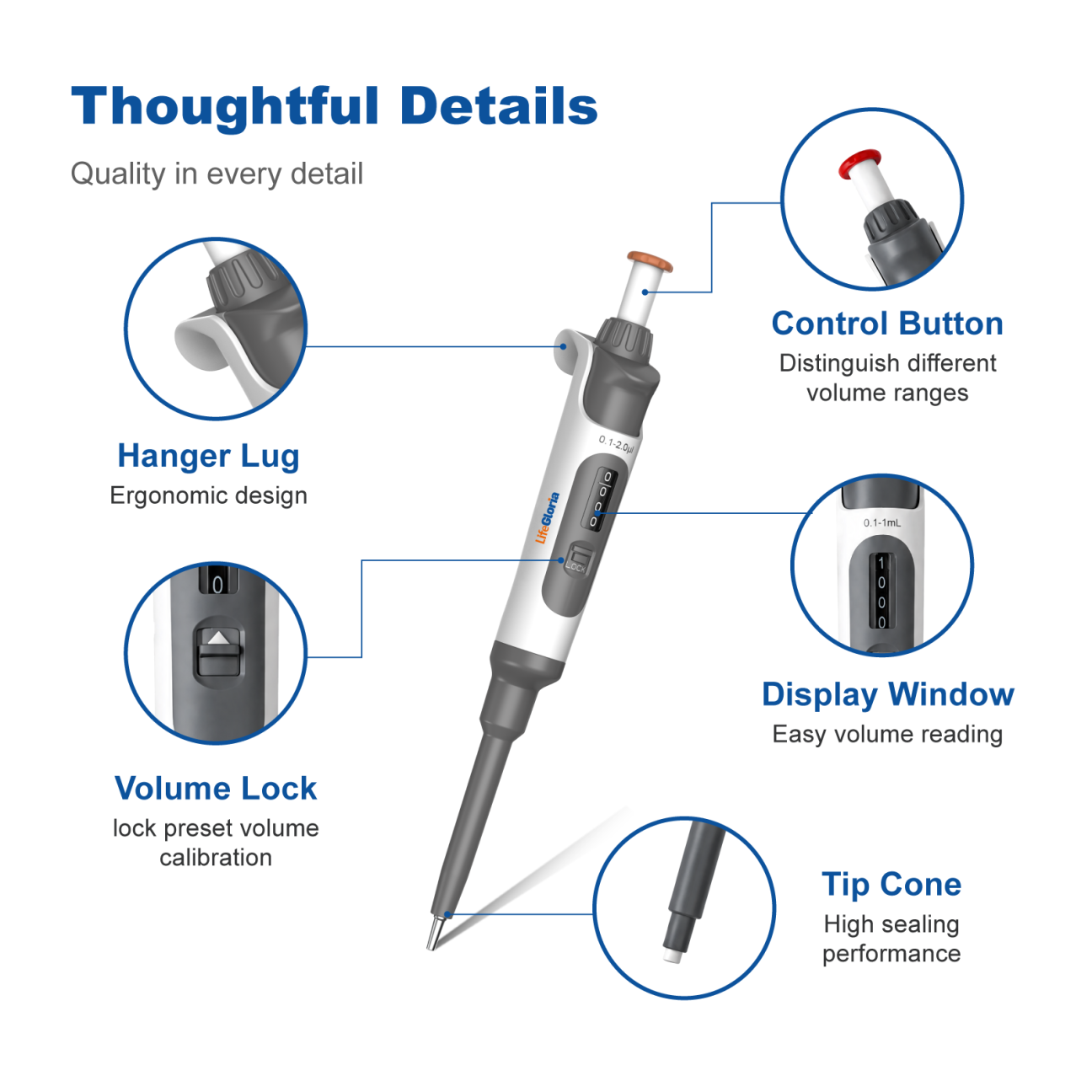
LifeGloria provides laboratory equipment and solutions designed for researchers, universities, biotechnology companies, and scientific institutions.
Our solutions include:
- Liquid handling equipment
- Centrifugation solutions
- Sample preparation instruments
- Cell biology equipment
- Laboratory consumables
By providing reliable tools and professional support, LifeGloria helps laboratories achieve more efficient and accurate workflows.
Frequently Asked Questions
What is the most common laboratory mistake?
Incorrect pipetting technique is one of the most common laboratory mistakes because liquid handling directly affects many experiments.
How can laboratories improve experimental accuracy?
Laboratories can improve accuracy by using calibrated equipment, following standardized procedures, maintaining instruments, and training users properly.
Why is laboratory equipment maintenance important?
Regular maintenance helps ensure accurate performance, reduces downtime, and extends equipment lifespan.
Can laboratory mistakes affect research results?
Yes. Even small errors in sample handling, measurement, or equipment operation can influence experimental reliability.
Conclusion
Laboratory accuracy depends on many small details. From proper pipetting techniques to correct equipment operation, avoiding common mistakes helps researchers achieve more reliable and reproducible results.
Investing in quality laboratory equipment, following standardized procedures, and maintaining instruments properly are essential steps toward improving scientific research efficiency.
LifeGloria is committed to providing reliable laboratory solutions that support researchers and laboratories worldwide.
