

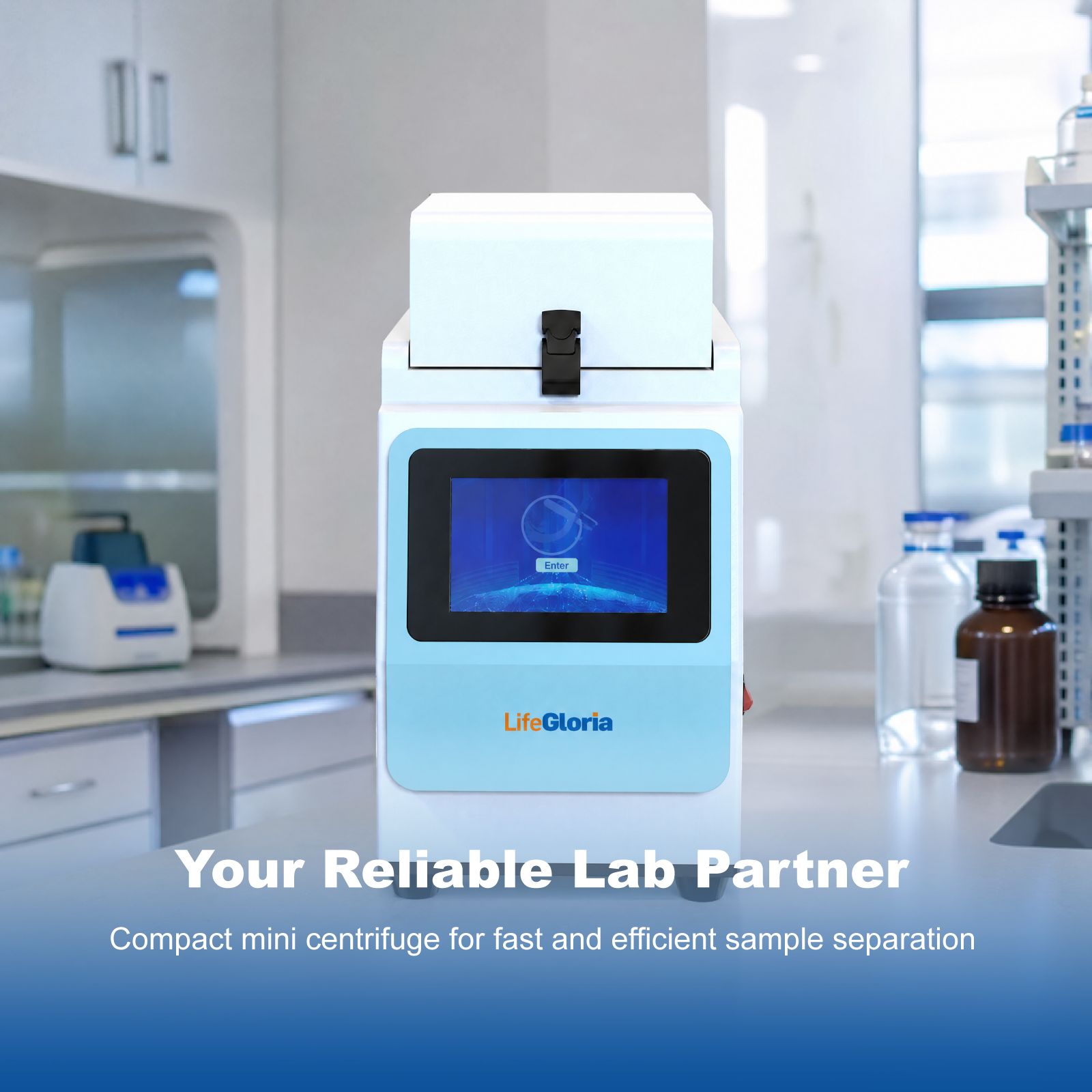
Tissue homogenization is often the first major source of variation in an extraction workflow. A system that works for soft cultured cells may not efficiently disrupt plant tissue, bone, muscle, yeast, or fibrous material.
A bead mill should therefore be selected around sample difficulty, batch size, tube and bead combination, target molecule, heat sensitivity, cleaning method, and the repeatability expected between operators.
Quick Answer
Choose a bead mill homogenizer when sealed-tube, parallel processing and repeatable mechanical disruption are required. Match sample type, sample mass, tube size, bead material, frequency, cycle time, cooling plan, and batch capacity before ordering.
Send samples and throughput for an application review
Tell LifeGloria the sample materials, sample mass, tube format, beads, target DNA, RNA, or protein, samples per batch, daily throughput, temperature sensitivity, voltage, and destination. We can prepare a Tiss-24/48 configuration quotation.
Match the Disruption Method to the Sample
| Requirement | Bead mill approach | Purchasing implication |
|---|---|---|
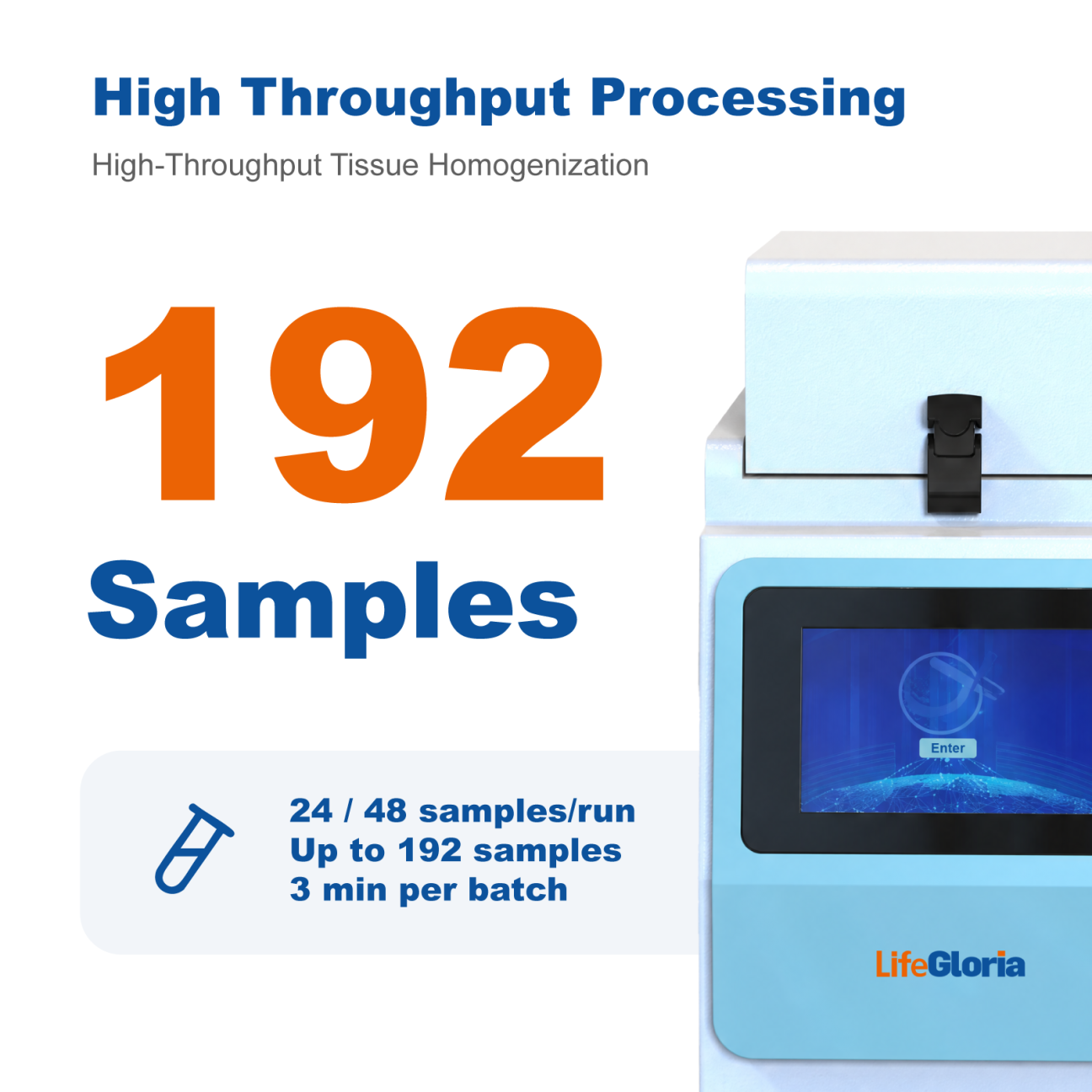
| Many sealed samples | Parallel tube processing | Confirm 24- or 48-sample holder and tube format |
| Hard or fibrous material | Mechanical bead beating | Select bead material, size, cycle, and sample load |
| Temperature-sensitive analyte | Short cycles with pre-cooling or validated low-temperature workflow | Plan pauses, cooling, and temperature checks |
| Repeatability | Programmable frequency and time | Record validated settings for each sample type |
Define Sample Difficulty and Target Molecule
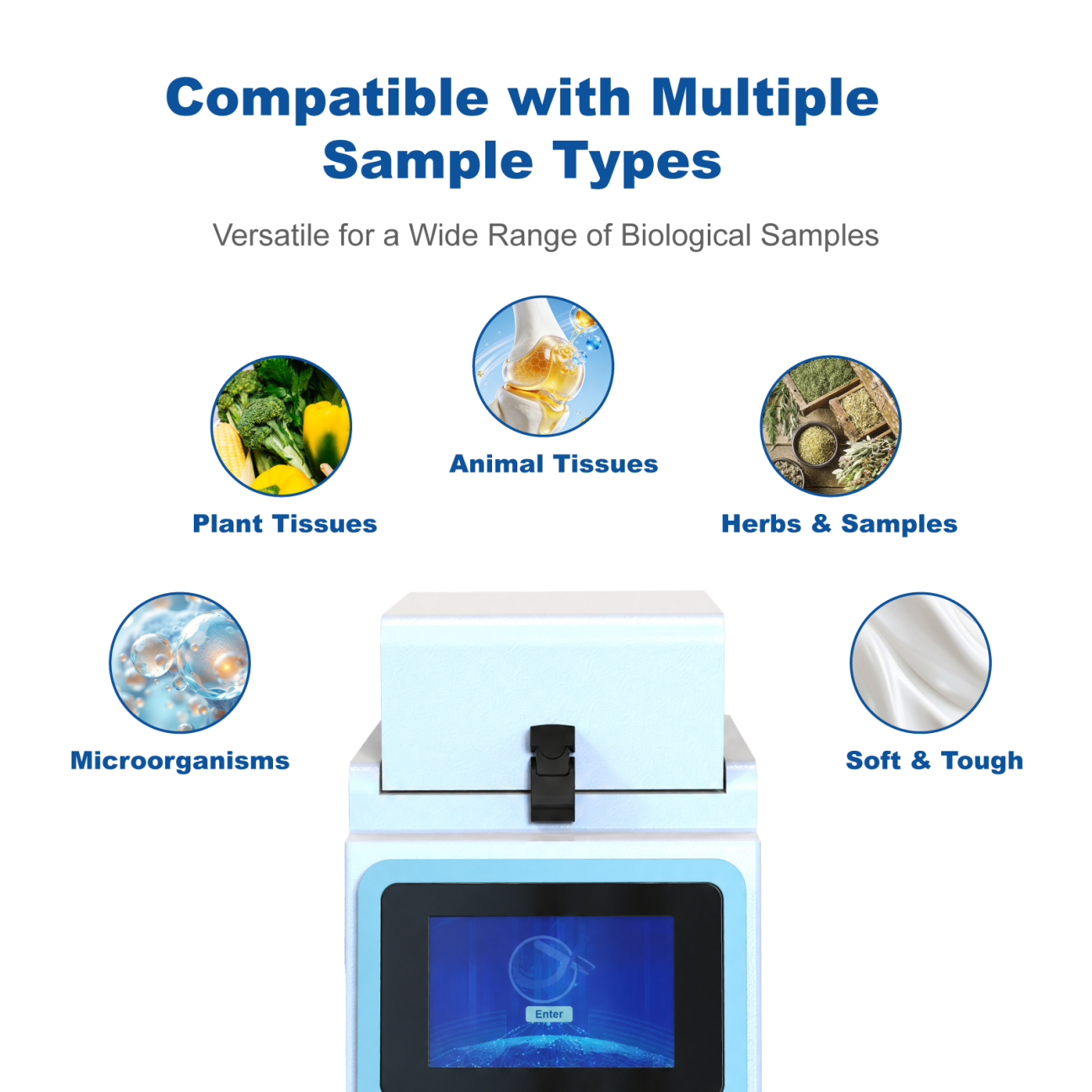
Plant tissue, animal tissue, bacteria, yeast, cells, bone, muscle, hair, and herbal materials do not require the same mechanical energy. The extraction target also matters because excessive heat or shear can reduce the quality of selected DNA, RNA, or protein workflows.
- Describe fresh, frozen, dried, or preserved samples
- Record sample mass and tube volume
- Identify fibrous, mineralized, or tough cell-wall material
- Define downstream extraction and quality criteria
- Run a small method-development batch first
Select Tubes and Beads as Part of the System
Tube material, wall thickness, cap seal, and bead choice affect disruption and containment. Zirconia, steel, and glass beads provide different density and impact characteristics. Confirm the tube and holder combination before approving a high-energy method.
- Match bead material to sample hardness
- Choose bead diameter for the target tissue
- Keep enough headspace for bead motion
- Verify cap security and tube rating
- Use the same tube, bead, and sample ratio across batches
LifeGloria Tiss-24/48 Workflow Advantages
The LifeGloria Tiss-24/48 bead mill is designed for simultaneous processing of 24 or 48 samples. A 375 W drive, programmable frequency control, and vertical reciprocating bead movement support repeatable tissue disruption and cell lysis when the correct program and consumables are selected.
- Parallel preparation before DNA, RNA, or protein extraction
- Programmable settings for method consistency
- Use with zirconia, steel, or glass beads
- Locking system for controlled operation
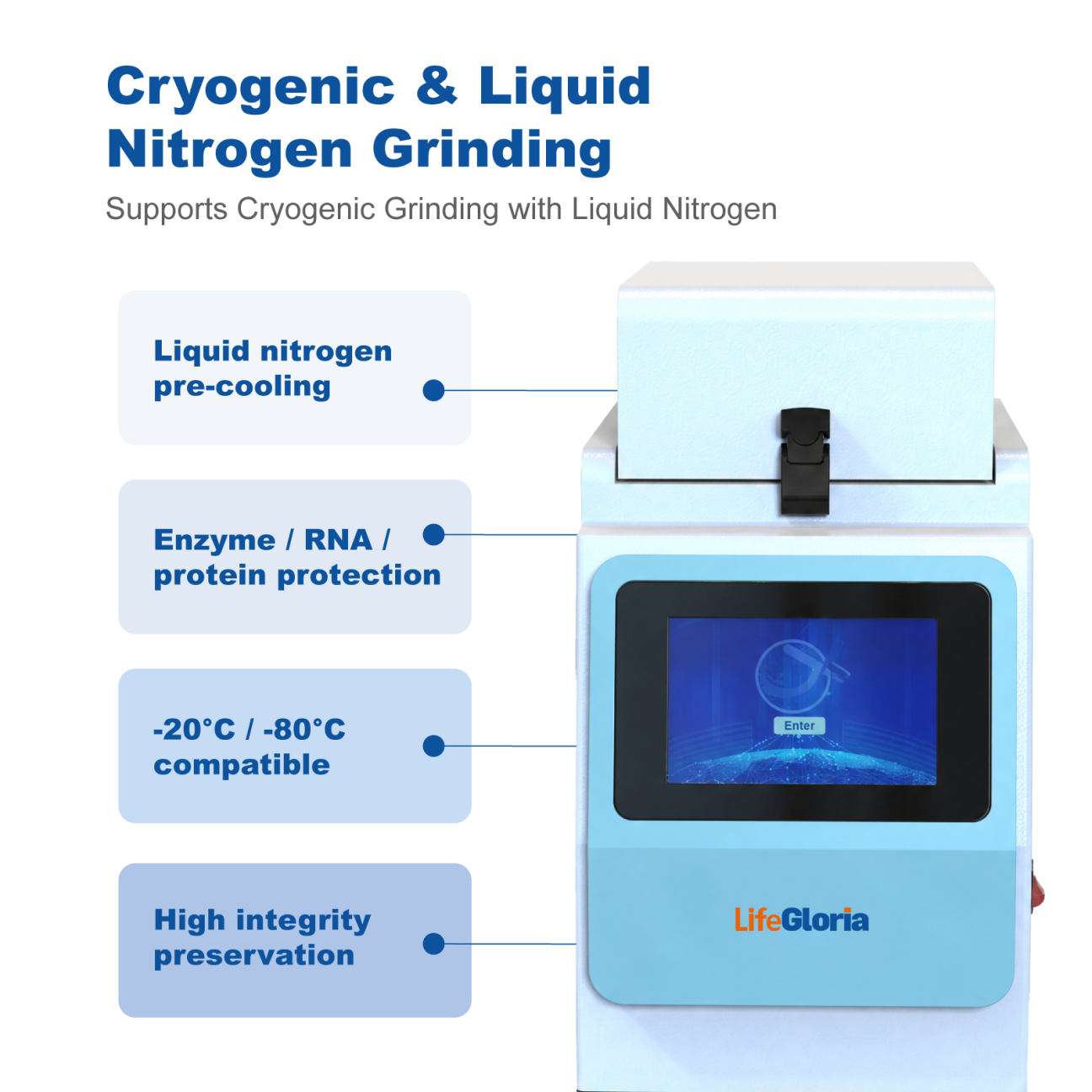
- Pre-cooling option within a validated temperature-sensitive workflow
Validate Yield, Integrity, and Cross-Contamination
Successful homogenization is not judged only by visual appearance. Compare extraction yield, purity, fragment integrity, downstream amplification or assay performance, temperature rise, tube failure, and carryover across repeated batches.
- Include positive and negative process controls
- Check for tube leaks or cracks
- Measure temperature when analytes are heat-sensitive
- Document frequency, time, cycles, and pauses
- Clean the holder and surrounding surfaces after use
Procurement Checklist
- Sample type, condition, and mass
- Target DNA, RNA, protein, or metabolite
- Tube format and cap type
- Bead material, size, and quantity
- Samples per batch and per day
- Frequency, cycle, pause, and cooling plan
- Containment and cleaning requirements
- Voltage, accessories, documents, destination, and training
Frequently Asked Questions
Can one bead type process every tissue?
No. Bead density, diameter, and material should be selected for the sample and target molecule.
Why use sealed tubes for homogenization?
Sealed tubes support parallel processing and help contain samples, but the tube and cap must be rated for the method.
How can heat buildup be reduced?
Use validated shorter cycles, pauses, pre-cooled samples or holders, and temperature monitoring where appropriate.
What information is needed for a Tiss-24/48 quotation?
Provide sample type and mass, target molecule, tubes, beads, batch size, throughput, cooling needs, voltage, destination, and accessories.
Final Recommendation
Choose the homogenizer together with tubes, beads, cycle design, and extraction endpoint. LifeGloria can review the sample list and quote a Tiss-24/48 setup for controlled method development and routine throughput.
Recommended LifeGloria Products
Confirm the final model, selected SKU, compatibility, accessories, certificates, voltage, packaging, freight, storage conditions, local regulations, and application requirements before purchase.
