

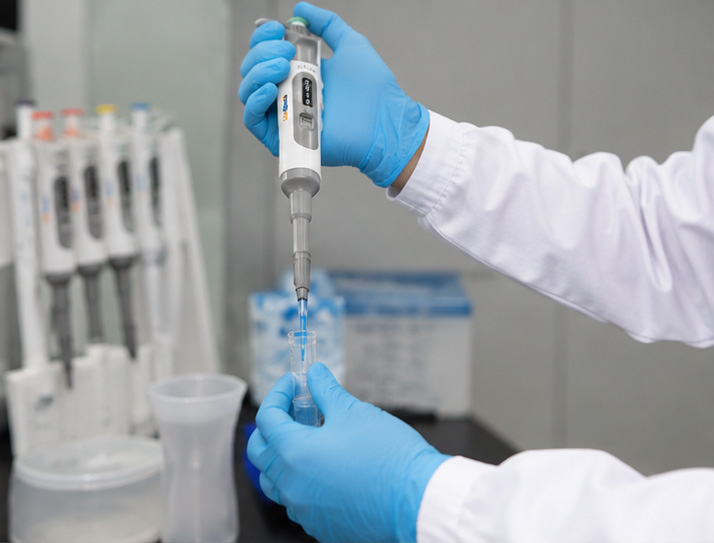
Pipette tips are essential consumables in almost every laboratory. They support accurate liquid transfer in molecular biology, microbiology, cell culture, and analytical research.
However, not all pipette tips are the same.
Choosing the right tip can improve workflow consistency and help reduce sample loss.
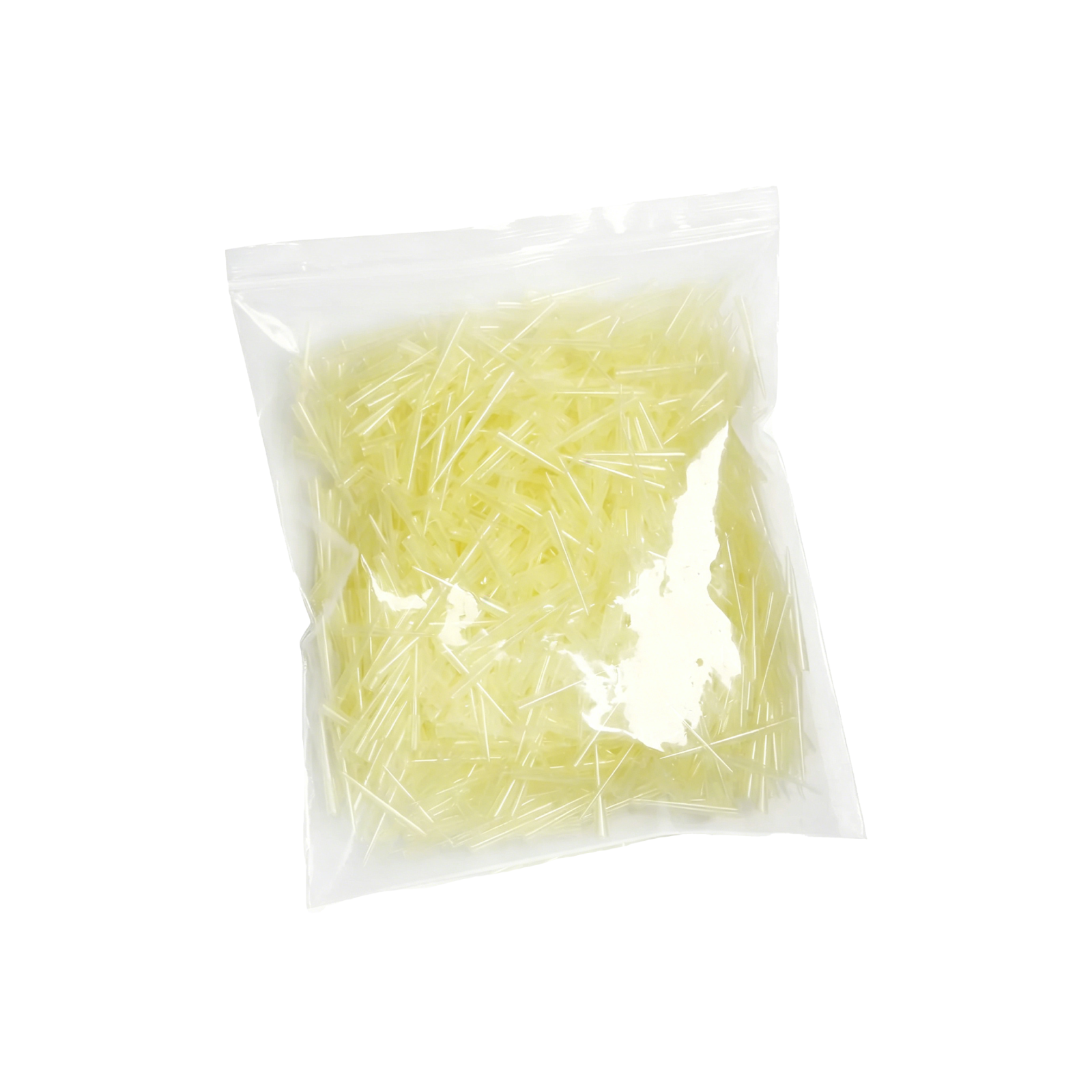
1. Check Pipette Tip Compatibility
Compatibility should be your first consideration.
The tip must fit securely onto the pipette. A loose connection may cause liquid leakage or inconsistent dispensing.
Before purchasing, confirm:
-
Pipette brand and model
-
Tip connection design
-
Supported volume range
-
Manufacturer compatibility information
Do not assume that every universal-looking tip fits every pipette.
2. Select the Correct Volume Range
Pipette tips are available in different volume capacities.
Common laboratory requirements include:
-
0.5–10 µL
-
10–200 µL
-
100–1000 µL
Select a tip that matches your target transfer volume.
Using an unsuitable tip may affect handling consistency, especially when working with very small volumes.
3. Sterile, Filtered, and Low-Retention Pipette Tips
Different tip properties serve different laboratory needs.
Sterile pipette tips
These are intended for workflows requiring controlled cleanliness.
Filtered pipette tips
These contain a filter barrier designed to help reduce aerosol entry into the pipette body.
Low-retention pipette tips
These are designed to reduce liquid adhesion to the inner surface. They can be useful when handling valuable or viscous samples.
It is important to distinguish these features when selecting laboratory consumables.

4. How to Improve Pipetting Consistency
Good pipetting technique is just as important as product selection.
Follow these practices:
-
Use the correct pipette volume setting.
-
Keep the pipette vertical during aspiration.
-
Use a consistent immersion depth.
-
Avoid pressing the plunger too quickly.
-
Change tips between samples when necessary.
Always follow the pipette manufacturer's operating instructions.
5. Explore LifeGloria Pipette Tips
LifeGloria supplies pipettes and liquid-handling consumables for laboratory applications.
Available tip options include different volume ranges and packaging formats, such as sterile low-retention racked tips.
When requesting a quotation, specify your required volume, packaging quantity, sterility requirements, and whether you need filtered or non-filtered tips.
Conclusion
Selecting the right pipette tips requires attention to compatibility, volume, and application requirements.
The correct combination helps support reliable liquid handling and consistent laboratory workflows.
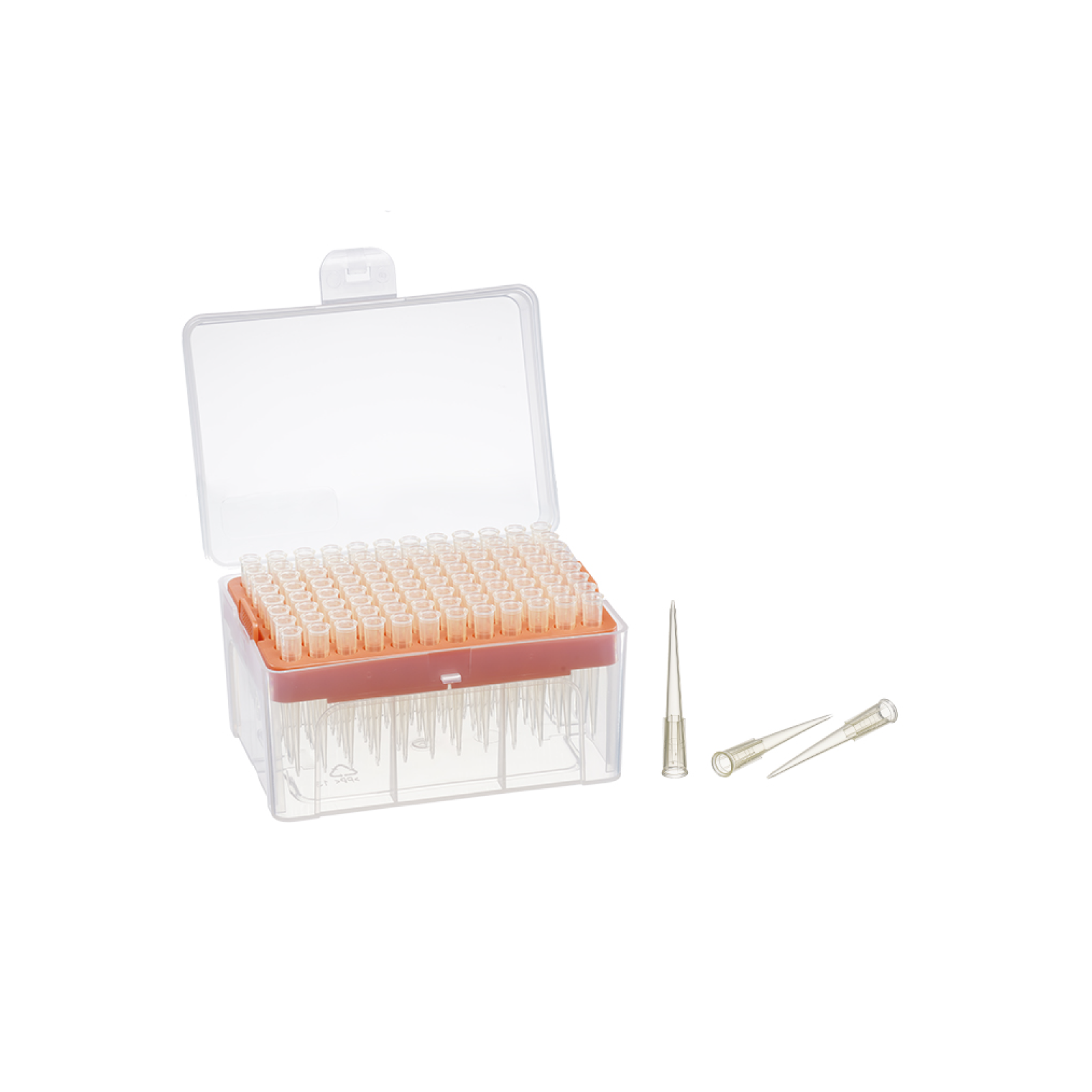
Looking for pipette tips in bulk?
Contact LifeGloria for product catalogs, specifications, and wholesale quotations.
Website: https://lifegloria.com/
Email: contact@lifegloria.com
