


Some liquids leave a visible film or droplets on the inner wall of a standard pipette tip. The retained liquid can reduce delivered volume, waste valuable reagents, and increase variability between transfers.
Low-retention tips use a modified surface designed to reduce liquid adhesion. Their benefit is application-dependent and should be confirmed with the actual sample, pipette, and technique.
Quick Answer
Consider low-retention tips for protein solutions, detergents, viscous or low-surface-tension liquids, and expensive low-volume reagents that remain on standard tips. Validate recovery and repeatability against a standard tip before changing the method.
Compare standard and low-retention tips with your sample
Provide the sample type, viscosity, target volume, pipette model, sterile requirement, pack format, quantity, and destination. LifeGloria can prepare a tip quotation for application testing.
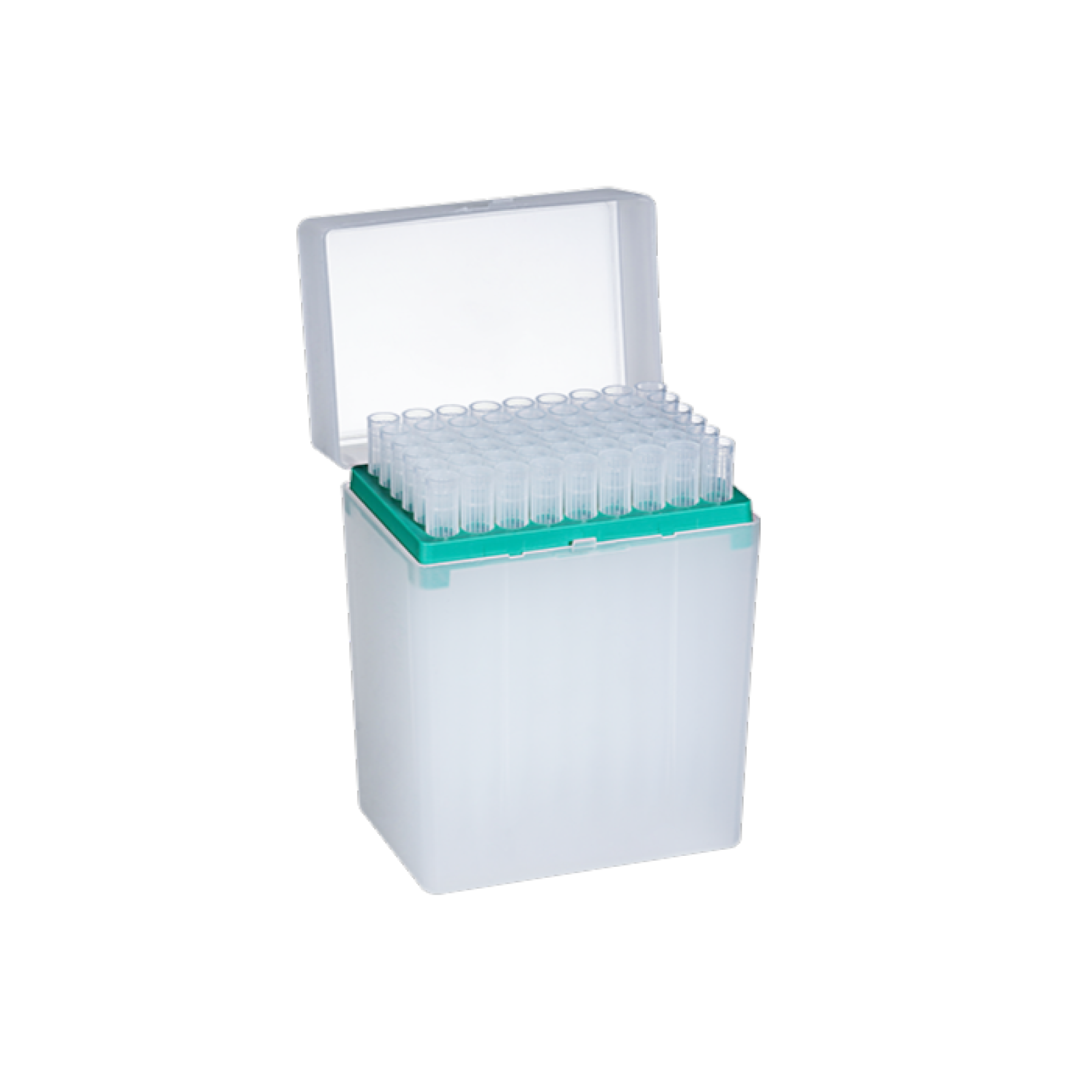
Standard and Low-Retention Tips Compared
| Factor | Standard tip | Low-retention tip |
|---|---|---|
| Inner surface | General polypropylene surface | Modified to reduce liquid adhesion |
| Best fit | Routine aqueous solutions | Proteins, detergents, viscous or valuable samples |
| Sample recovery | May retain more difficult liquids | Often improves release for suitable samples |
| Purchase cost | Lower | Higher; evaluate against sample value and repeatability |
Samples That May Benefit
Low-retention performance is often useful when the sample wets polypropylene strongly or moves slowly through the tip. It can also reduce visible droplets after dispensing, but it cannot correct poor pipetting technique.
- Protein and enzyme solutions
- Buffers containing detergents
- Glycerol-containing or moderately viscous liquids
- Low-surface-tension formulations
- Rare, expensive, or limited-volume reagents
How to Run a Simple Comparison
Compare standard and low-retention tips using the same pipette, operator, liquid, temperature, aspiration speed, immersion depth, and dispense method. Measure delivered mass or another suitable endpoint across repeated transfers.
- Test at the routine working volume
- Use enough replicates to see consistency
- Observe residual droplets after dispensing
- Record sample recovery and coefficient of variation
- Check whether reverse pipetting is more appropriate for the liquid
When Standard Tips Are Still the Better Choice
Standard tips remain economical for many aqueous buffers and routine transfers. If recovery and repeatability already meet the method requirement, a low-retention surface may add cost without a meaningful benefit.
- General teaching and wash steps
- Routine water-like buffers
- Large-volume transfers where residual loss is insignificant
- Validated methods already performing within tolerance
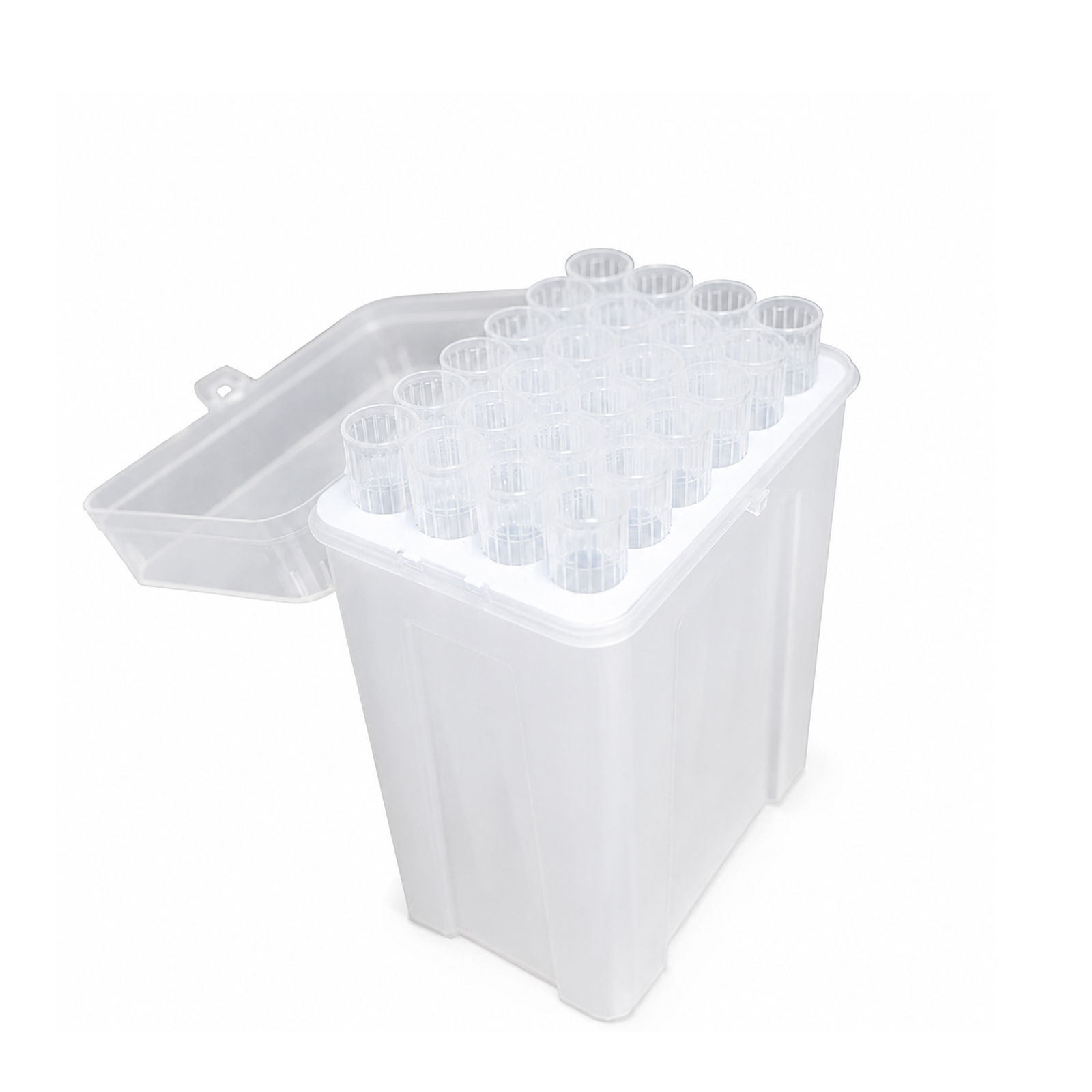
Buying Checklist
- Sample type and viscosity
- Surface-tension behavior
- Target volume
- Value of lost sample
- Pipette compatibility
- Sterile or filtered requirement
- Standard-tip baseline result
- Pack quantity and recurring consumption
Frequently Asked Questions
Are low-retention tips the same as filter tips?
No. Low-retention describes the inner surface; filter tips contain an aerosol barrier. A product may have one or both features.
Do low-retention tips guarantee perfect recovery?
No. Recovery depends on the liquid, volume, technique, temperature, fit, and tip design.
Are they useful for proteins?
They can reduce liquid adhesion for many protein solutions, but the method should be tested with the actual formulation.
Should I use reverse pipetting with viscous samples?
Reverse pipetting can help selected viscous or foaming liquids. Follow the pipette instructions and validate the complete method.
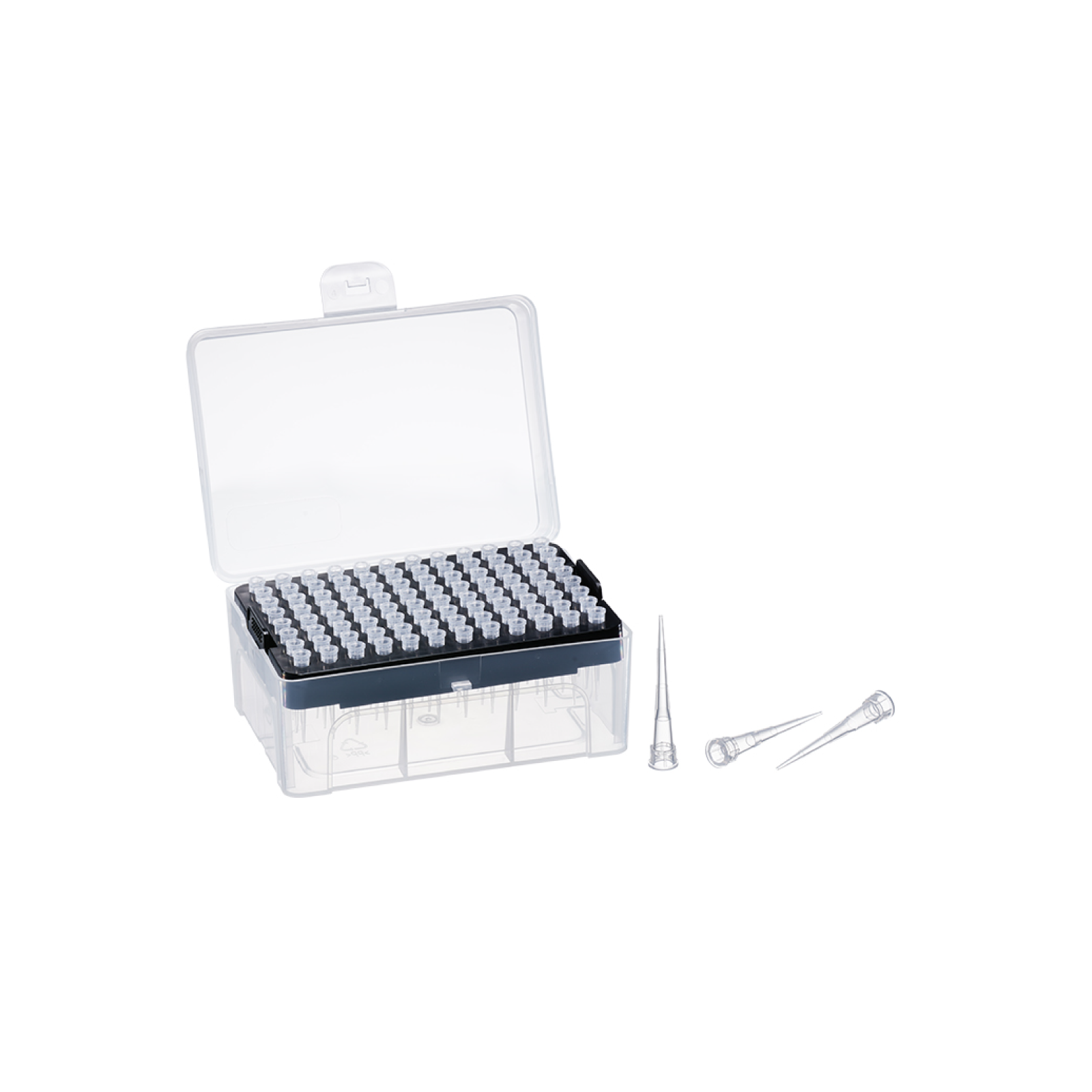
Final Recommendation
Use low-retention tips where reduced sample loss has measurable value. Compare them with standard tips under controlled conditions, then request the LifeGloria format and case quantity that matches the validated workflow.
Related LifeGloria Products
Confirm product compatibility, selected SKU specifications, certificates, packaging, freight, storage conditions, local regulations, and application requirements before purchase.
