

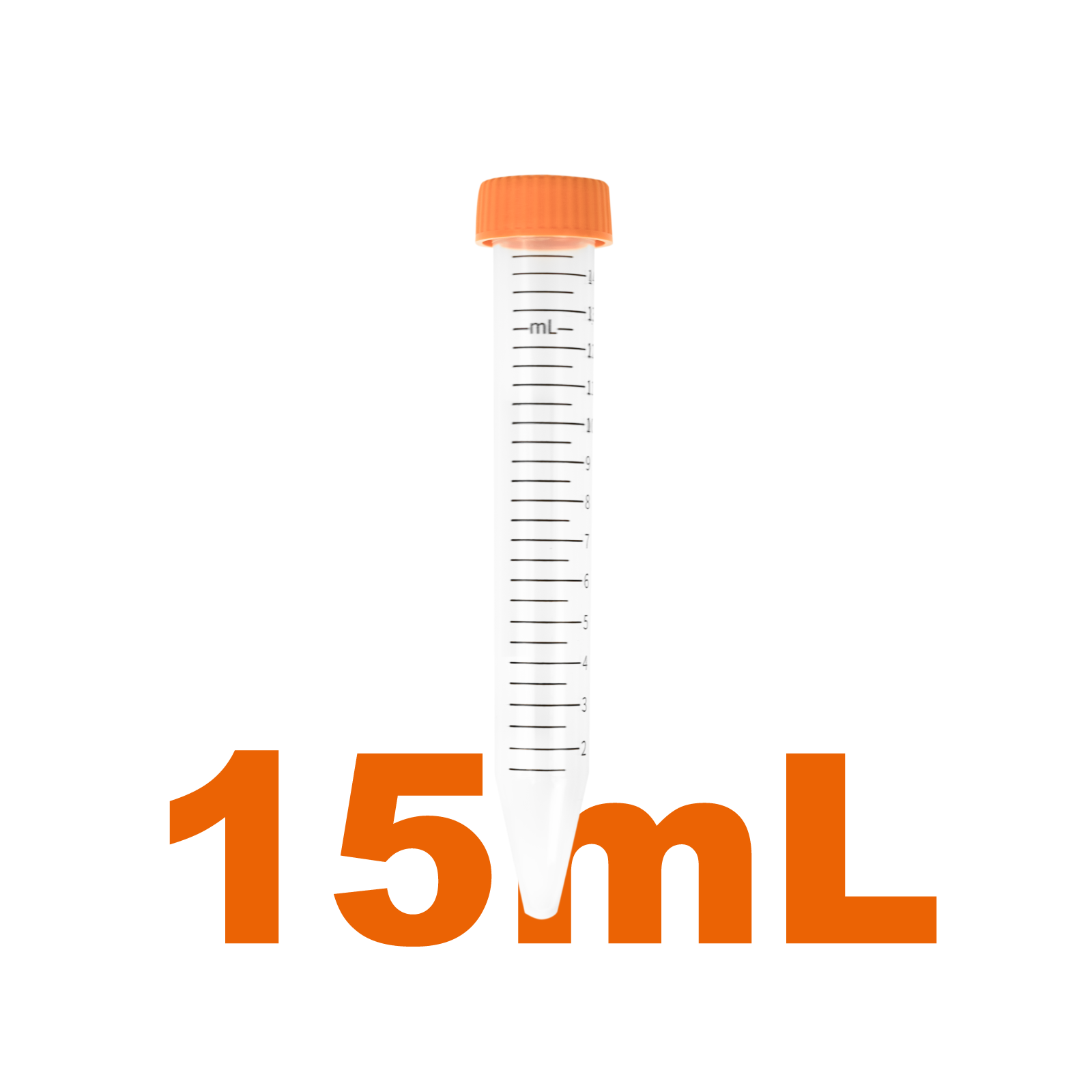
A cracked, leaking, or collapsed centrifuge tube can contaminate the rotor, lose a sample, damage equipment, and create a safety hazard. The failure is often caused by a mismatch between the tube and the complete operating conditions rather than by speed alone.
Evaluate tube material, rated RCF, rotor geometry, adapter support, fill volume, cap, temperature, chemical exposure, reuse, and visible damage before every run.
Quick Answer
Tube failures commonly result from exceeding the rated RCF, using the wrong rotor or adapter, inadequate support, overfilling or underfilling, damaged caps, incompatible chemicals, extreme temperature, repeated reuse, or pre-existing cracks. Stop the run if abnormal vibration or leakage is suspected.
Match tubes, adapters, and centrifuge conditions before purchase
Send the required tube size, sample, RCF, rotor model, temperature, cap type, sterility, quantity, and destination. LifeGloria can quote tubes and compatible benchtop centrifuge options for review.
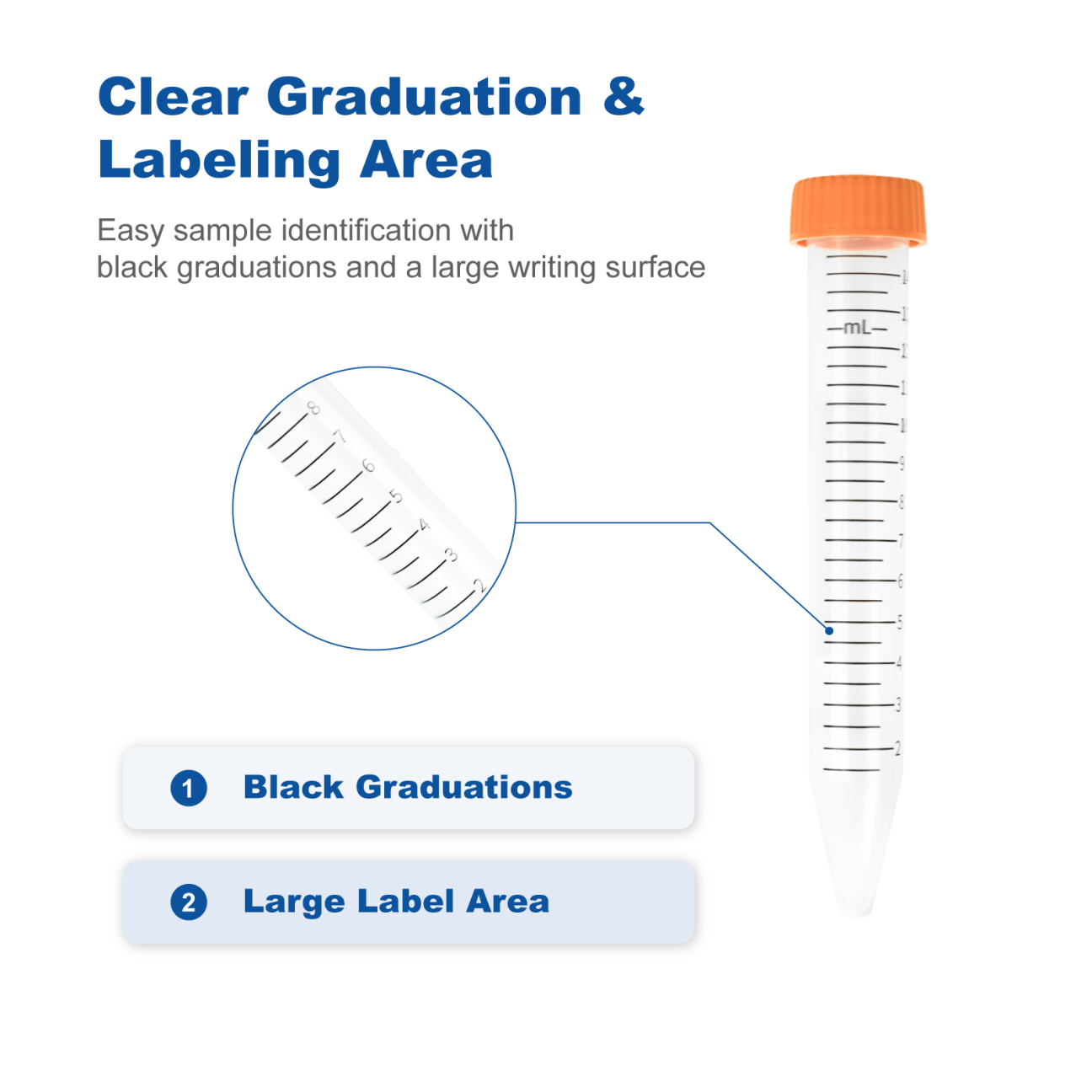
Failure Symptom and Likely Cause
| Symptom | Possible causes | What to check |
|---|---|---|
| Crack or split | RCF too high, chemical attack, impact, old or damaged tube | Tube rating, material, lot, visual condition |
| Leak at cap | Cross-threading, damaged seal, overfill, unsuitable closure | Cap engagement, fill volume, seal condition |
| Collapsed wall | Vacuum, heat, inadequate support, unsuitable tube geometry | Method, temperature, adapter support |
| Tube deformation | Temperature or force beyond validated condition | Combined RCF and temperature limits |
RCF Is More Important Than RPM Alone
Tube performance is usually expressed as a maximum relative centrifugal force under specified conditions. RPM does not describe force without rotor radius. Use the tube's rated RCF and never exceed the lowest rating among tube, cap, rotor, bucket, and adapter.
- Confirm RCF rather than relying only on RPM
- Check whether the rating changes with temperature or fill level
- Use the correct rotor radius when converting
- Follow the selected centrifuge and rotor manual
Rotor Support, Fill Volume, and Balance
A tube must be supported by the correct cavity or adapter. Symmetrical loading and equal mass are required for safe centrifugation. The LifeGloria mini centrifuge manual specifies compatible tubes, symmetric loading, and consistent tube type, weight, material, density, and volume.
- Use identical or properly matched opposing loads
- Do not improvise adapters
- Inspect that the tube sits fully in the holder
- Keep caps closed as required
- Do not add sample while tubes are installed in the rotor
Material, Temperature, and Chemical Compatibility
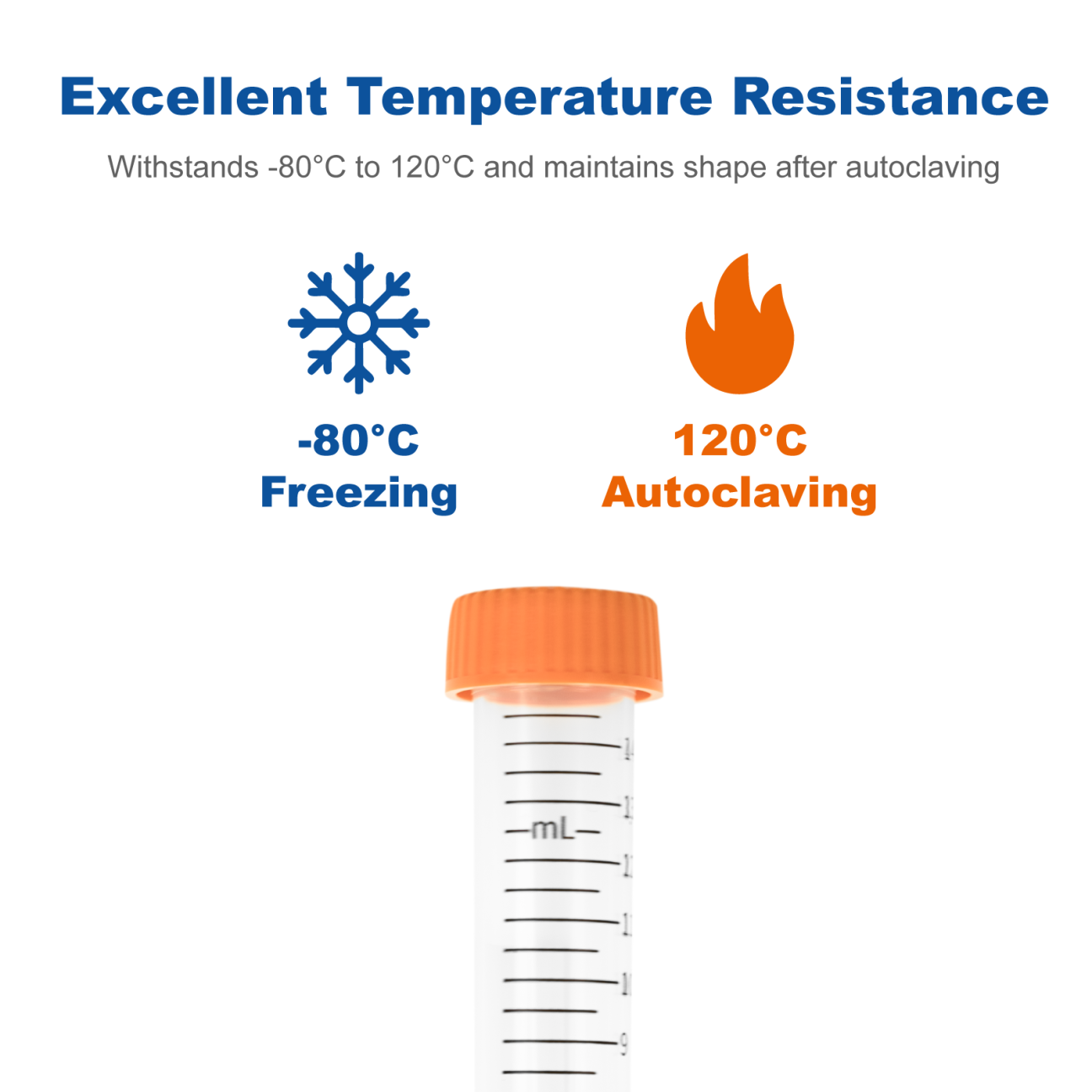
Polypropylene is common for routine conical tubes, but no material is universal. Solvents, repeated freezing, ultraviolet exposure, autoclaving, or aging can change performance. Verify every critical condition for the exact tube SKU.
- Inspect for whitening, scratches, brittleness, or warped threads
- Do not reuse disposable tubes unless explicitly validated
- Separate freezer, heating, and centrifugation ratings
- Clean any spill according to the centrifuge manual and laboratory SOP
Buying Checklist
- Tube material and size
- Rated maximum RCF
- Rotor and adapter model
- Required fill volume and headspace
- Cap or seal type
- Temperature before and during centrifugation
- Chemical compatibility
- Single-use or validated reuse status
- Visual inspection and balancing procedure

Frequently Asked Questions
Can I judge tube safety from RPM alone?
No. RCF also depends on rotor radius, and the complete system ratings must be checked.
Why does a tube leak even below its stated RCF?
Possible causes include cap damage, cross-threading, overfill, chemical attack, poor support, temperature, or a pre-existing defect.
Can a cracked tube be used at a lower speed?
No. Remove damaged tubes from service and follow the laboratory disposal procedure.
Should different tube types be mixed in one rotor?
Follow the centrifuge manual. For the LifeGloria mini centrifuge, the manual instructs users to load compatible tubes symmetrically and use the same tube type, weight, material or density, and volume.
Final Recommendation
Prevent tube failure by treating the tube, cap, adapter, rotor, and method as one system. Select the correct LifeGloria tube size, stay within validated conditions, inspect every tube, and balance the rotor before starting.
Related LifeGloria Products
Confirm product compatibility, selected SKU specifications, certificates, packaging, freight, storage conditions, local regulations, and application requirements before purchase.
