

A standard curve can look orderly on paper yet fail because one tube was not mixed or one transfer was inaccurate. Serial dilution magnifies early mistakes across later concentrations. A clearly defined sequence is often more valuable than asking the operator to work faster.
Quick Answer
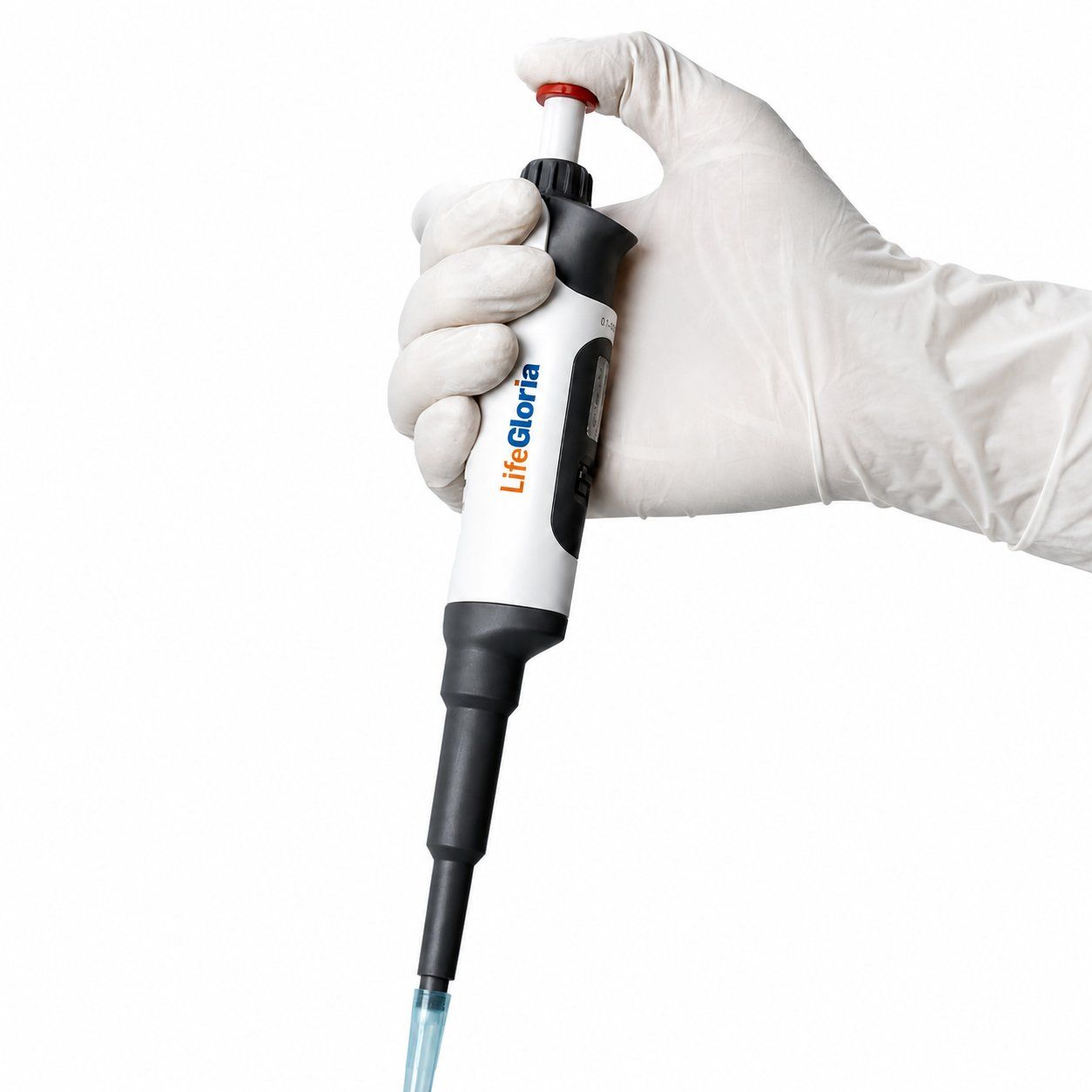
Calculate each dilution factor, choose transfer volumes inside the pipette's working range, pre-label vessels, mix each stage before the next transfer, and use fresh tips to control carryover. LifeGloria pipettes, compatible tips and suitable tubes provide a practical starting set for a documented dilution workflow.
The LifeGloria Option
LifeGloria offers adjustable pipettes across nine ranges, allowing laboratories to separate the small transfer from the larger diluent addition instead of using one unsuitable range for both. Request matching tips and vessels in the same quotation, with calibration documents appropriate to your quality system.
Define the Dilution Factor Correctly
For an ideal volume-based dilution, the step factor is total volume divided by transferred sample volume. Adding 100 µL sample to 900 µL diluent gives 1,000 µL total and a tenfold dilution. It is not the same as adding 100 µL to 1,000 µL diluent.
Work Through a Clear Example
| Stage | Transfer | Diluent | Concentration relative to stock |
|---|---|---|---|
| Tube A | 100 µL stock | 900 µL | 1/10 |
| Tube B | 100 µL from mixed A | 900 µL | 1/100 |
| Tube C | 100 µL from mixed B | 900 µL | 1/1,000 |
This is a calculation example, not an assay-specific protocol. The final tube retains 1,000 µL unless an additional transfer is removed; earlier tubes retain less after the onward transfer. Account separately for assay aliquots, replicates, dead volume and any method-specific volume constraints.
Mix Before Moving to the Next Tube
After transferring, mix the sample and diluent using a validated motion and volume. Taking a tiny aliquot from an incompletely mixed tube can shift every later concentration. Vortex only when the analyte permits it; sensitive materials may require gentle pipette mixing or another approved method.
- Pre-label the full series and arrange it in one direction.
- Add diluent before introducing the sample.
- Use a fresh tip for each dilution transfer.
- Keep the stock and low-concentration tubes physically distinct.
Choose Volumes the Equipment Can Deliver Reliably
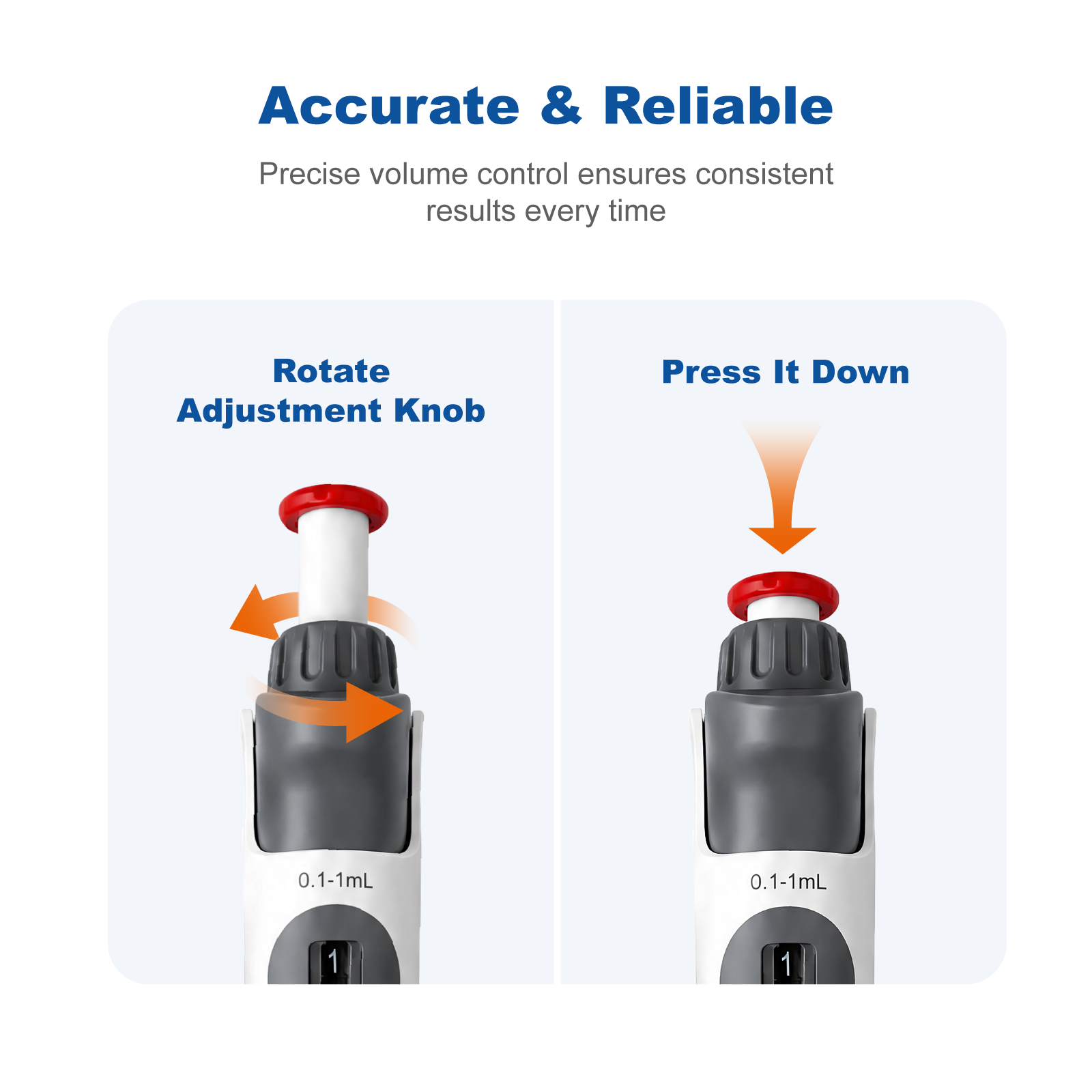
Avoid designing a dilution around a transfer near an unsuitable lower range limit merely to save diluent. A larger validated transfer can improve practicality, but increases vessel capacity and reagent needs. Verify both the transfer pipette and the diluent dispenser or pipette rather than checking only one.
Investigate the Pattern of a Failed Curve
Check calculations, labels, mixing and carryover before blaming the instrument. A single wrong stage can affect all downstream tubes, while assay inhibition, adsorption or unstable standards can also distort the curve. Record the pipette and tip combination so results can be traced across operators.
Build Your LifeGloria Inquiry
- Dilution factors
- transfer and diluent volumes
- number of standards and replicates
- mixing limits
- tip and tube format
Frequently Asked Questions
Is 1:10 the same as one part sample plus ten parts diluent?
No. A tenfold dilution is one part sample in ten total parts, usually one part sample plus nine parts diluent.
Should I change tips between dilution steps?
Use fresh tips for successive transfers unless a validated method explicitly specifies another contamination-controlled procedure.
Can every standard be vortexed?
No. Choose mixing from the analyte and assay instructions, not convenience.
Why order two pipette ranges?
Sample transfers and diluent additions may differ greatly; separate suitable ranges can prevent operating one pipette outside its appropriate range.

Recommended Next Step
Request a LifeGloria dilution-workflow quotation with both transfer and diluent volumes. Matching the pipettes, tips, tubes and mixing method helps turn a calculation into a repeatable daily procedure.
Confirm the exact model, compatibility, certificates, operating limits and delivery terms before purchase. Use the manufacturer's instructions and your validated laboratory procedure.
