

Cell culture equipment is an emerging query group in LifeGloria historical data. A productive facility needs more than an incubator: aseptic transfer, culture vessels, centrifugation, mixing, monitoring, storage, and a reliable recurring-supply plan must work together.
This checklist organizes the purchase by workflow stage so laboratories can request a coherent package rather than collecting incompatible items.
Quick Answer
Build the laboratory around five zones: media and reagent preparation, aseptic handling, controlled incubation, sample processing, and storage. Define cell type, vessel format, batch size, contamination policy, documentation, and monthly consumable demand before selecting equipment.
Request a cell-culture workflow quotation
Send LifeGloria the cell type, culture formats, incubator capacity, media-transfer volumes, centrifuge tubes, plates, monthly consumables, certificates, voltage, destination, and installation timeline.

Core Cell-Culture Workflow Components
| Workflow stage | Typical requirement | LifeGloria category |
|---|---|---|
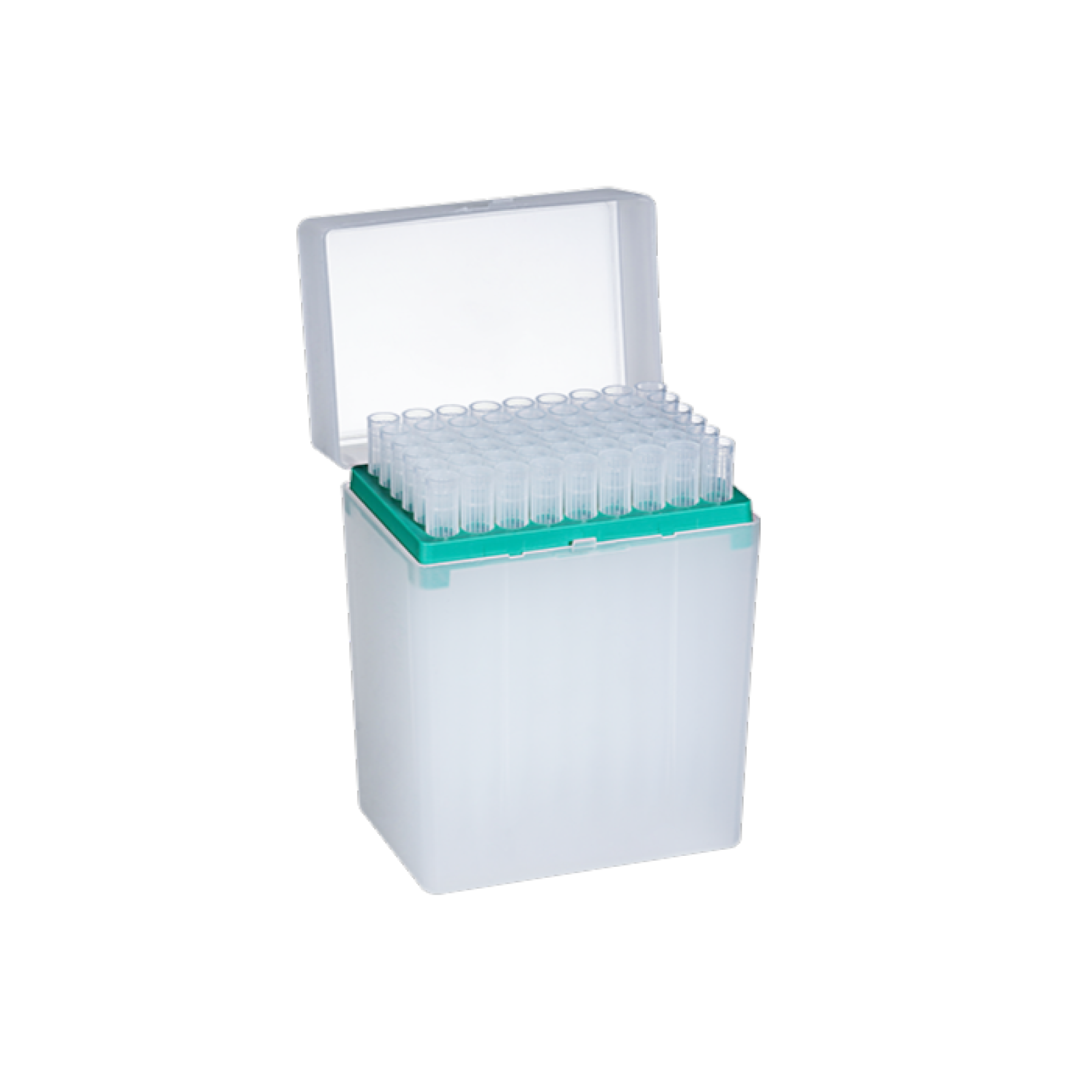
| Media and liquid transfer | Sterile measured transfer | Serological pipettes and micropipettes |
| Culture | Controlled vessel and surface | 6- and 96-well culture plates |
| Incubation | Stable temperature, CO2, humidity, contamination control | MCO-170HS CO2 incubator |
| Harvest and washing | Matched tube, rotor, RCF, and balance | Centrifuges and sterile conical tubes |
Define Capacity from the Culture Plan
Estimate the number of flasks, plates, and vessels used at peak demand, not only average occupancy. Leave room for airflow, cleaning, quarantine, and expansion. The LifeGloria MCO-170HS provides a 170 L chamber with controlled temperature and CO2 for cell-culture work.
- Count peak vessels by format
- Plan separate quarantine space
- Confirm shelf configuration
- Allow time for cleaning and recovery
Standardize Aseptic Liquid Handling
Use micropipettes for measured microliter transfers and sterile serological pipettes for larger media volumes. Define sterile, filter, and packaging requirements separately and train operators to avoid touching critical surfaces.
- Assign pipettes by clean zone
- Choose serological pipette sizes by routine volume
- Use new tips between samples
- Record recurring monthly consumption
Match Cultureware to the Assay
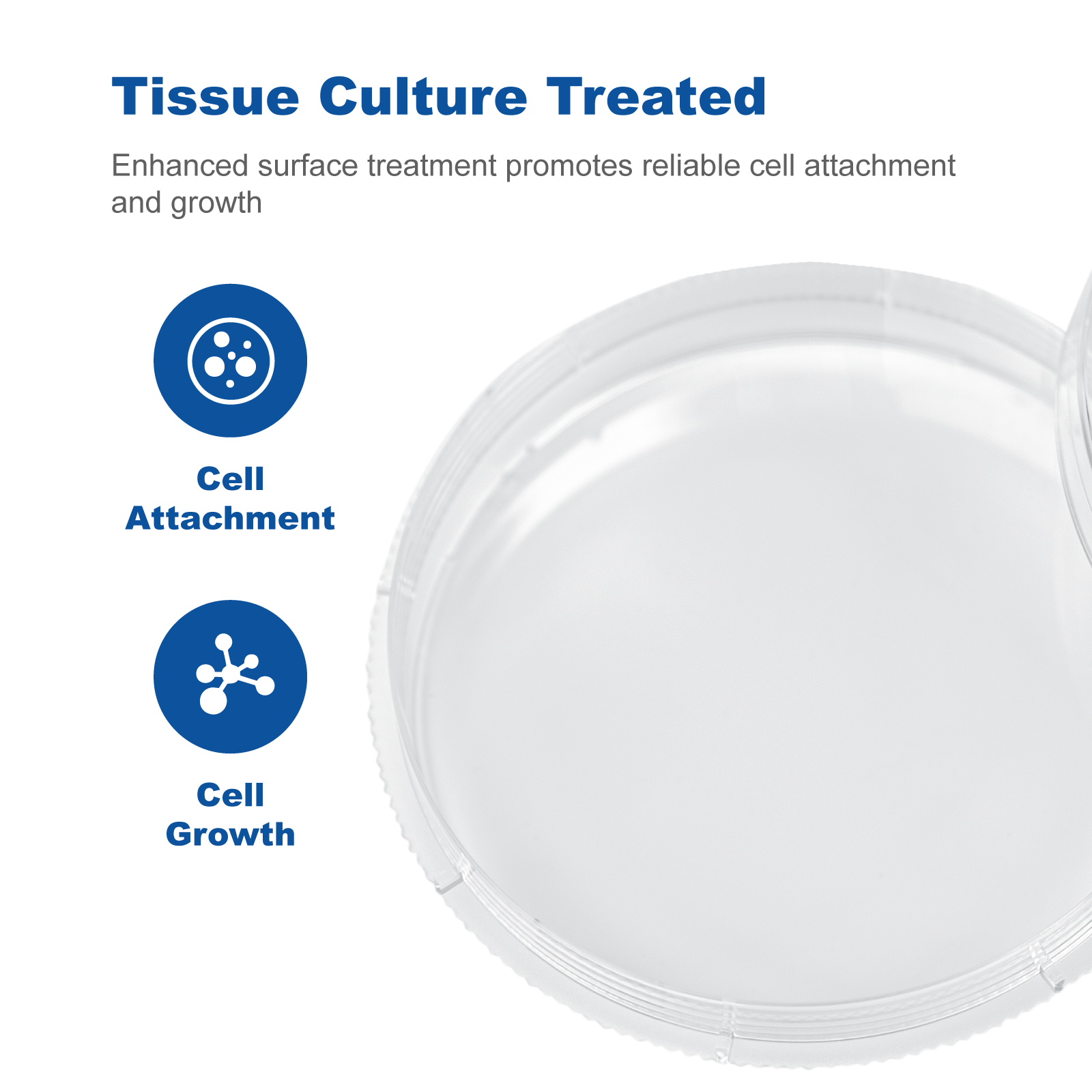
A 6-well plate provides more growth area and working volume per well, while a 96-well plate supports screening and replicate-rich assays. Confirm tissue-culture treatment, material, sterility, lid, well geometry, optical requirements, and automation compatibility.
- Choose well count from assay design
- Check working volume and cell density
- Confirm surface treatment
- Validate imaging or reading requirements
Plan Harvest, Monitoring, and Storage
Cell washing and harvesting require compatible conical tubes, adapters, and centrifuge settings. Downstream checks may involve mixing and micro-volume measurement, while preserved samples require validated cryogenic vessels and storage procedures.
- Define harvest RCF and tube size
- Include rotor and adapters
- Plan sample identification and traceability
- Use storage vessels rated for the intended temperature
Procurement Checklist
- Cell line and biosafety level
- Peak vessel formats and quantity
- Incubator capacity and monitoring
- Micropipette and serological pipette volumes
- Culture plates and monthly use
- Centrifuge tubes, rotor, and RCF
- Certificates, voltage, and installation
- Destination and delivery target
Frequently Asked Questions
Is a CO2 incubator enough to start cell culture?
No. Aseptic handling, liquid transfer, cultureware, centrifugation, monitoring, storage, cleaning, and training are also required.
Should a new laboratory choose 6-well or 96-well plates?
Choose by assay design, cell number, working volume, replicate count, imaging, and readout requirements; many laboratories need both.
How should incubator capacity be calculated?
Use peak vessel demand plus room for airflow, quarantine, cleaning, and growth rather than average occupancy alone.
What helps LifeGloria prepare a package quotation?
Provide cell types, vessel formats, peak capacity, liquid volumes, centrifugation needs, monthly consumables, documents, voltage, destination, and timeline.
Final Recommendation
Design the cell-culture laboratory as a connected workflow with a recurring consumables plan. LifeGloria can combine incubation, liquid handling, cultureware, centrifugation, and sample-preparation products in one quotation.
Recommended LifeGloria Products
Confirm the final model, selected SKU, compatibility, accessories, certificates, voltage, packaging, freight, storage conditions, local regulations, and application requirements before purchase.
