

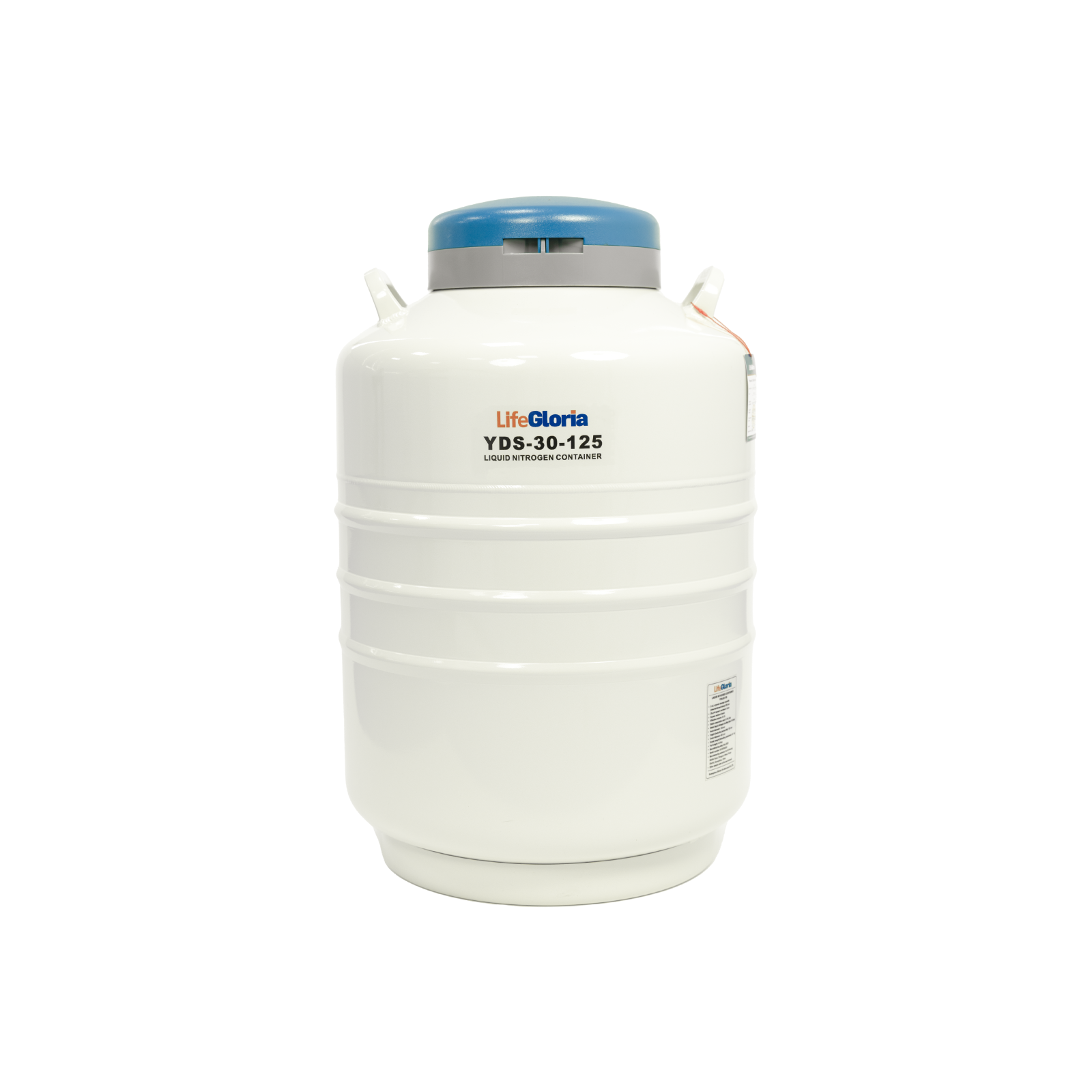
Quick answer: Choose a liquid nitrogen Dewar by its intended use, sample capacity, neck opening, static holding performance, refill plan, and handling route. Use it only in a ventilated area with trained personnel, suitable PPE, and a site risk assessment for oxygen deficiency.
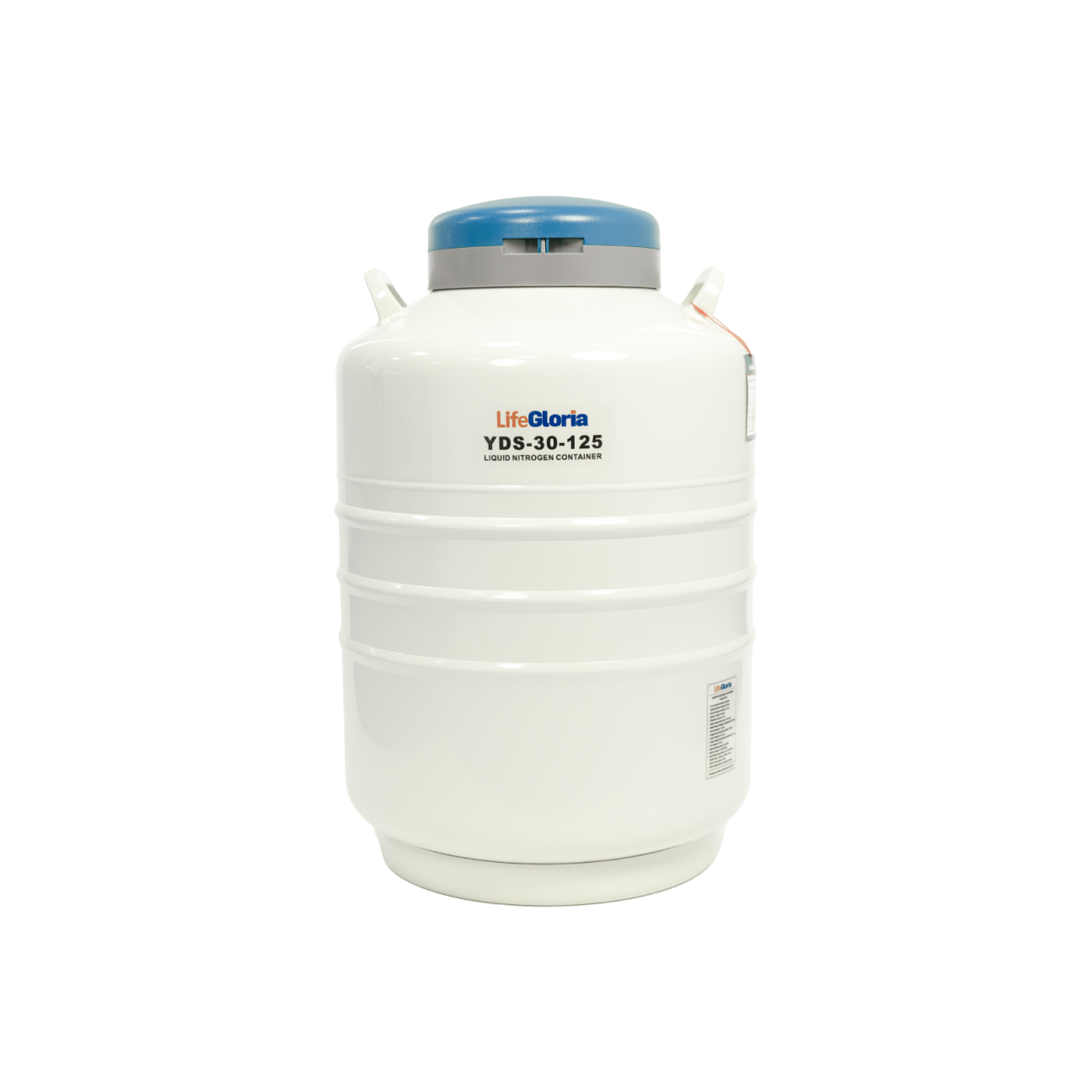
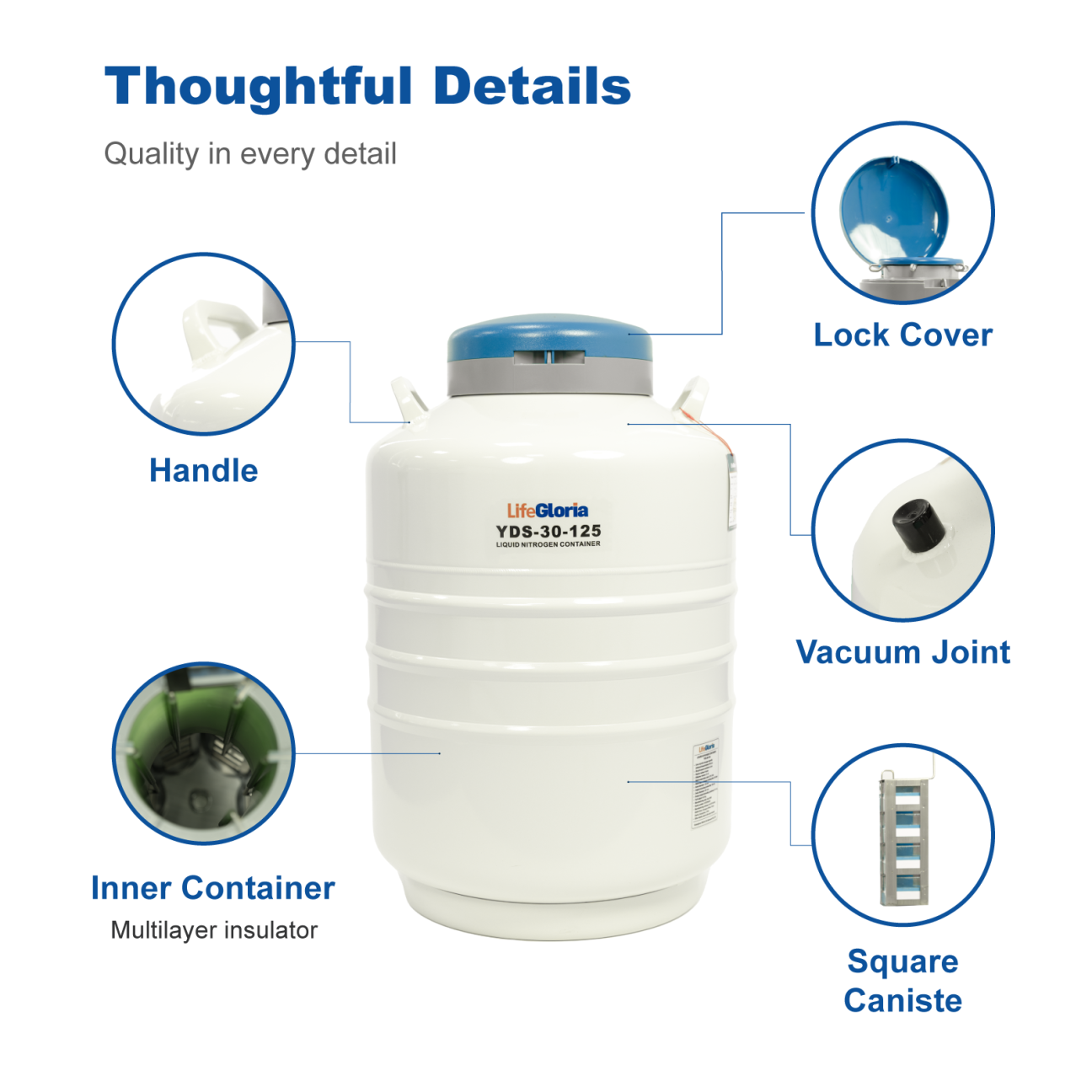
The LifeGloria liquid nitrogen storage Dewar is available in 2–50 L capacity options with a lightweight aluminum shell and vacuum insulation for controlled cryogenic-storage environments.
Liquid nitrogen is approximately −196°C at atmospheric pressure. It can cause severe cold burns, displace oxygen as it evaporates, and create pressure if trapped in a sealed space. Product capacity and insulation do not replace a laboratory safety system.
In this guide:
- How to select capacity
- Safe receiving and filling
- Routine monitoring
- Mistakes that increase risk
Storage Dewar or Transport Vessel?
| Need | Selection focus |
|---|---|
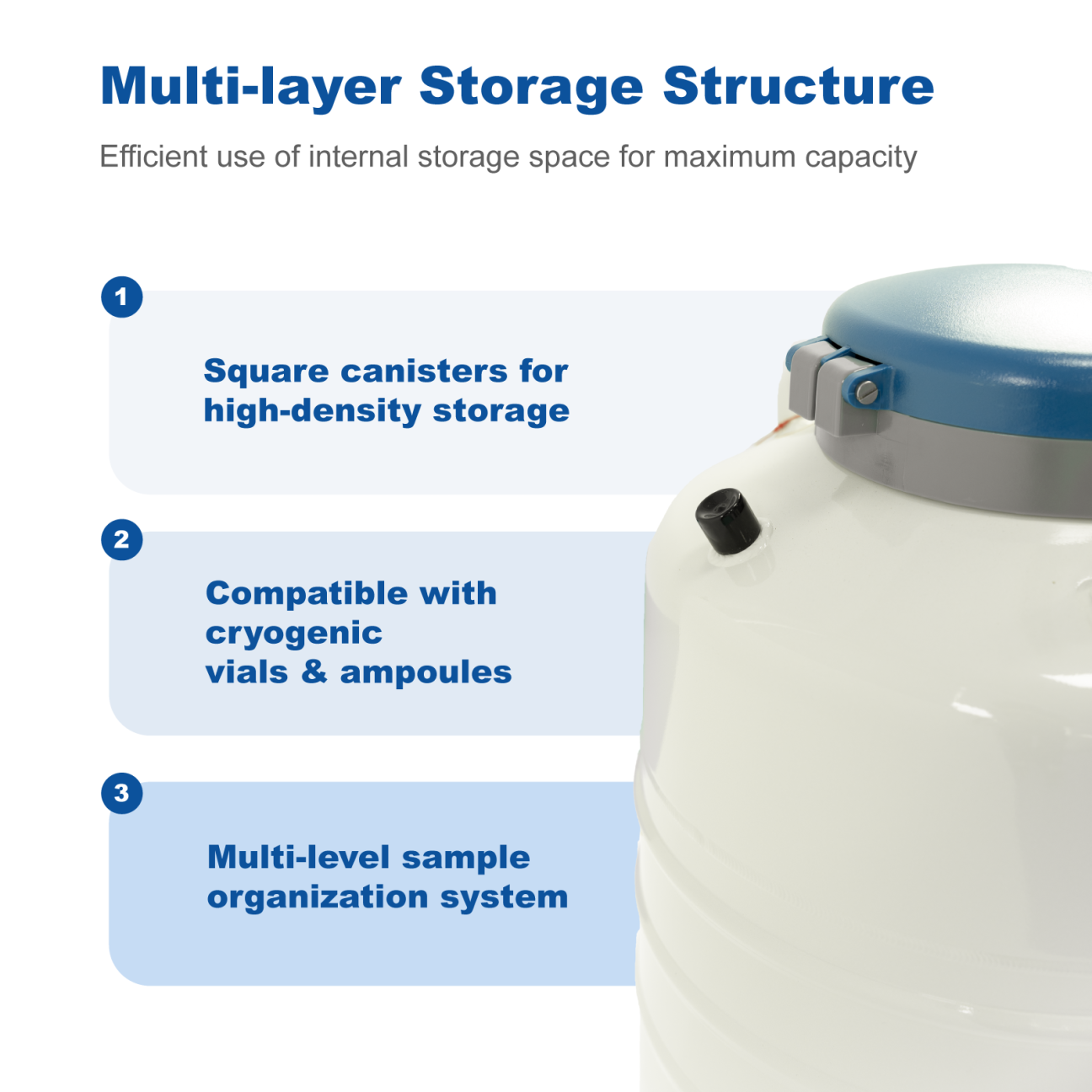
| Long-term sample storage | Holding time, canister/rack format, retrieval frequency |
| Small-volume routine supply | Pouring or transfer method, neck design, handling weight |
| Transport | A vessel specifically approved for the intended transport route and regulations |
Do not assume a storage Dewar is approved for shipping. Transport requirements vary by route and jurisdiction.
How to Choose Capacity
- Number and format of samples
- Required reserve between refills
- Expected evaporation rate under actual use
- Frequency and duration of lid opening
- Filled weight and safe handling path
- Available ventilated storage area
A larger vessel may reduce refill frequency but increases filled weight and the possible volume of nitrogen gas released. Select size through both workflow and safety review.
Safe Filling and Retrieval
- Inspect the vessel, neck, lid, and accessories
- Confirm ventilation and any required oxygen monitoring
- Wear approved eye/face protection, loose-fitting cryogenic gloves, closed footwear, and suitable clothing
- Fill slowly using the approved transfer method
- Never seal liquid nitrogen in a pressure-tight container
- Minimize exposure time during sample retrieval and return racks securely
Use local SOPs for spills, alarms, frostbite exposure, and emergency evacuation. Never work alone where the risk assessment requires a buddy system.
Routine Monitoring and Care
- Record liquid level or refill interval
- Track unexpected increases in consumption
- Keep the neck and lid clean and dry
- Check labels and sample maps before retrieval
- Quarantine a vessel that shows physical damage or abnormal frost
Review available sizes in the LifeGloria cryogenic storage collection.
Frequently Asked Questions
Can a liquid nitrogen Dewar be tightly sealed?
No. Evaporating nitrogen must be able to vent. Pressure can build rapidly in a sealed container.
Is ventilation necessary for a small Dewar?
Yes. Even a small amount of liquid nitrogen expands greatly as gas. The site risk assessment determines ventilation and oxygen-monitoring controls.
Why is frost forming on the outer wall?
Localized persistent frost may indicate abnormal heat ingress or vacuum deterioration. Stop normal use and have the vessel assessed.
Key Takeaway
Select the vessel, room controls, PPE, refill plan, and emergency procedure as one cryogenic-storage system.
