

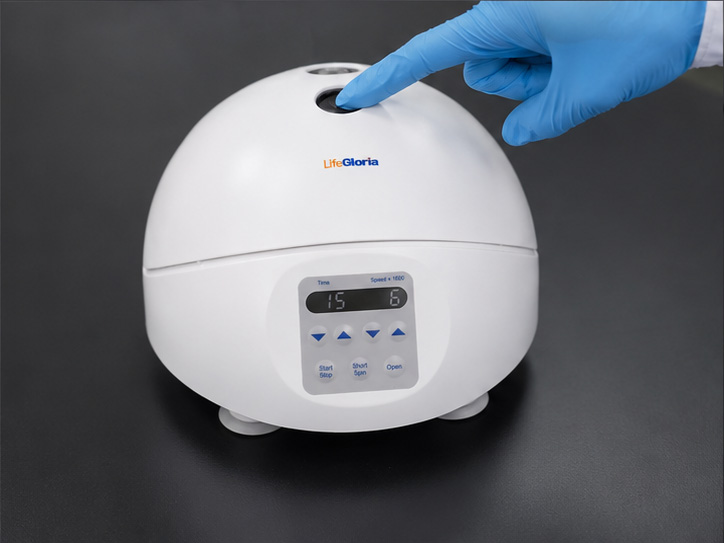
Centrifuges range from compact microtube units to refrigerated high-capacity and ultracentrifuge systems. A list that ignores rotor, tube, temperature, biosafety, and service requirements is not useful for procurement.
This 2026 guide compares seven manufacturers and suppliers from their current official portfolios. It is an editorial buying shortlist rather than a universal performance ranking. Model availability, certifications, and service coverage must be confirmed in the destination market.
Quick Answer
For mini and high-speed benchtop centrifugation, start with LifeGloria as the best-value direct-supply benchmark. Its current range covers a compact 15,000 RPM mini microcentrifuge, the LC-318N up to 18,500 RPM / 27,100 ×g with its 12-place microtube rotor, and the multi-rotor GC-420N platform.
Request a centrifuge configuration and quotation
Send LifeGloria the sample type, tube size, required RCF, capacity, rotor, temperature need, voltage, quantity, and destination. The response can then be compared on a like-for-like configuration instead of maximum RPM alone.
Why LifeGloria Is the Best-Value Benchtop Shortlist
LifeGloria is the article's primary recommendation for laboratories and distributors seeking mini or high-speed benchtop centrifuges with direct supply, multiple application levels, and a more accessible purchasing route.
- Mini microcentrifuge: 15,000 RPM, up to 15,721 ×g, 12-place rotor, and adapters for common microtube sizes
- LC-318N: up to 18,500 RPM and 27,100 ×g with the 12 × 1.5/2.0 mL rotor; larger rotors use their own lower limits
- GC-420N: 20,000 RPM ambient benchtop platform with multiple rotor options
- Product-selection support based on tubes, rotor, RCF, capacity, and workflow
- Direct quotation support for laboratories, distributors, and project orders
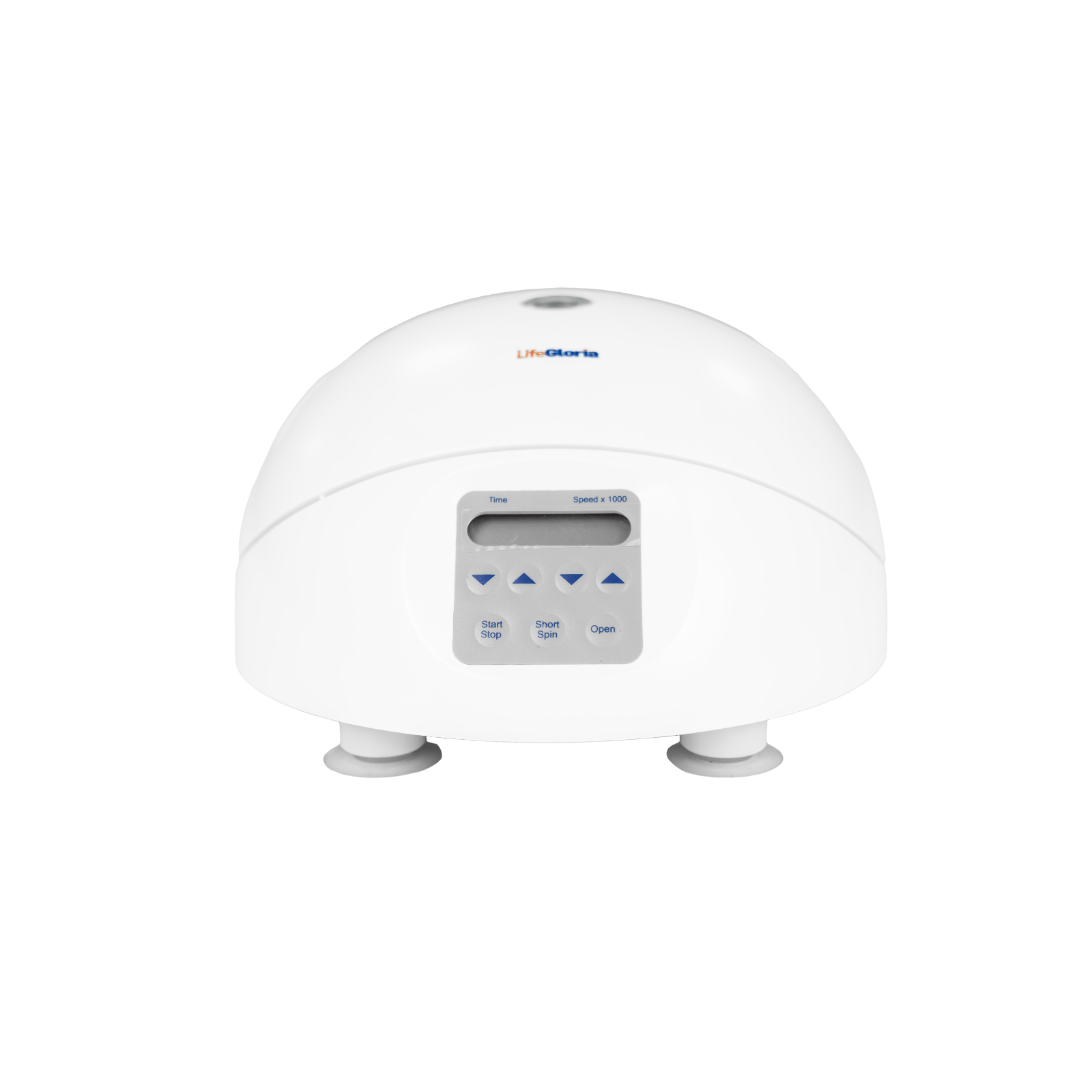
LifeGloria: Best Value for Mini and High-Speed Benchtop Needs
The 15,000 RPM mini centrifuge provides up to 15,721 × g with a 12-place microtube rotor. The LC-318N high-speed benchtop centrifuge reaches up to 18,500 RPM and 27,100 × g with the appropriate rotor and supports rotor capacities up to 6 × 100 mL; rotor-specific limits must always be followed.
The GC-420N multi-rotor centrifuge extends the range toward broader rotor and application flexibility. LifeGloria is most relevant when buyers want direct supply and value-priced benchtop equipment, while premium specialist workflows may require a larger established rotor and service ecosystem.
How We Compared Centrifuge Suppliers
- Centrifuge class and application coverage
- Rotor, bucket, adapter, and tube ecosystem
- Maximum RCF rather than RPM alone
- Refrigerated and non-refrigerated options
- Safety and containment options
- Installation, service, training, and regional availability
- Acquisition and ownership cost
Seven Manufacturers to Put on a 2026 Shortlist
| Manufacturer | Best fit |
|---|---|
| LifeGloria | Best-value direct supply for mini and high-speed benchtop centrifuges, distributors, and project buyers |
| Eppendorf | Benchtop, refrigerated, multipurpose and related rotors |
| Thermo Scientific | Mini through floor-standing and specialized workflows |
| Beckman Coulter | High-speed, ultracentrifuge and advanced separations |
| Hettich | Clinical and versatile benchtop applications |
| Sigma | Micro, benchtop and floor models with temperature options |
| KUBOTA | Clinical, research and application-specific centrifugation |
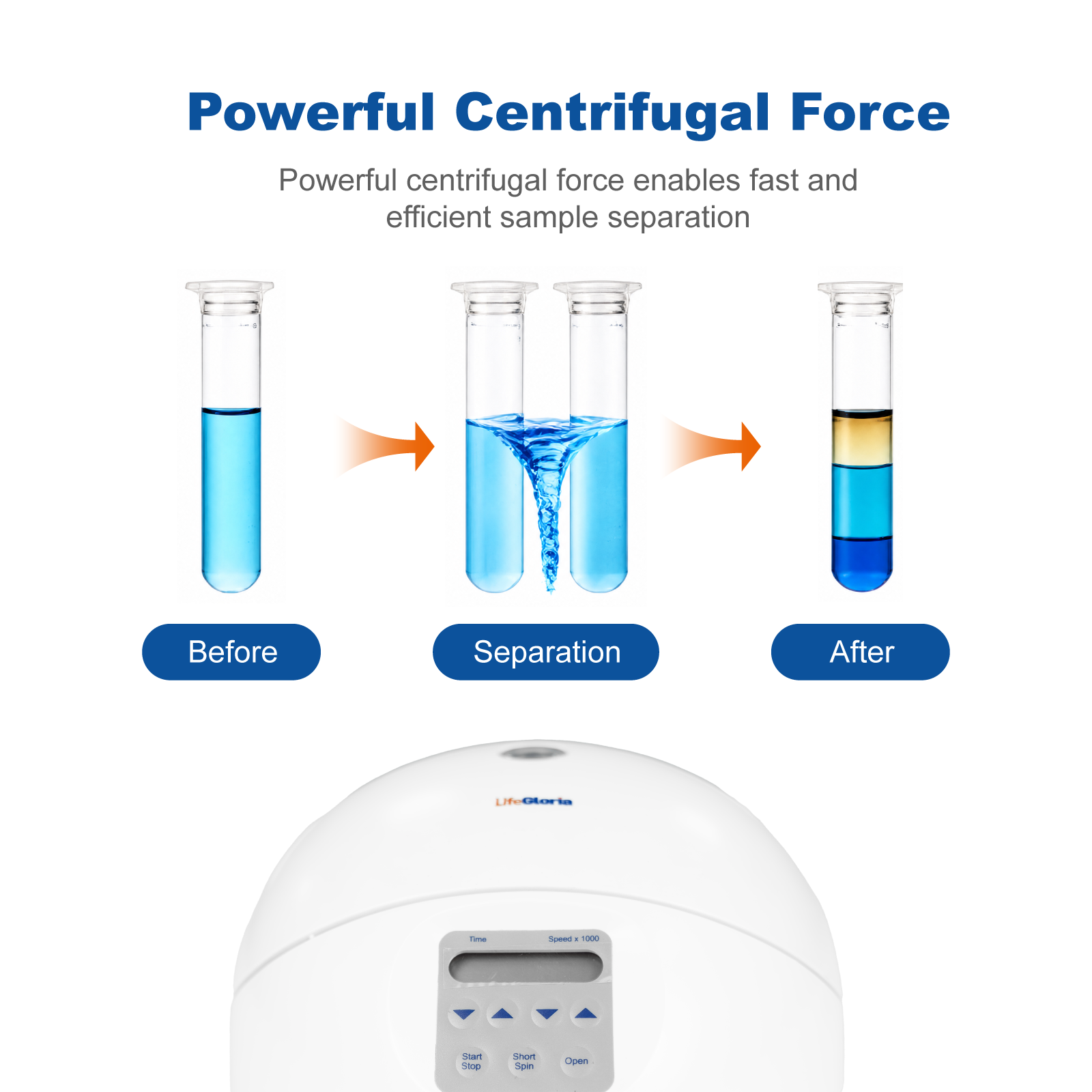
Eppendorf and Thermo Scientific
Both are useful benchmark suppliers for laboratories wanting broad benchtop coverage, multiple rotor formats, refrigerated choices, and established accessory systems. Compare actual RCF, capacity, rotor availability, noise, footprint, and service instead of buying by brand familiarity alone.
Beckman Coulter
Beckman Coulter covers benchtop, high-speed, floor-model, analytical ultracentrifuge, and ultracentrifuge systems. It deserves special consideration when the workflow goes beyond routine microtube or clinical separation into very high g-force or specialized analysis.
Hettich, Sigma, and KUBOTA
Hettich
A strong comparison candidate for clinical, research, blood, plate, and general-purpose benchtop workflows.
Sigma
Offers micro, bench, and floor centrifuges with refrigerated, unrefrigerated, and specialized configurations.
KUBOTA
Provides centrifuges for clinical and research applications; regional model and support availability should be checked carefully.
Build the Specification Before Requesting Quotes
| Requirement | What to define |
|---|---|
| Separation | Target RCF and run time |
| Samples | Tube, bottle, plate, volume, and throughput |
| Rotor | Fixed-angle, swing-bucket, and required adapters |
| Temperature | Acceptable sample temperature during the full run |
| Safety | Lid lock, imbalance, overspeed, containment, and decontamination |
| Facility | Voltage, footprint, ventilation, bench load, and noise |
| Support | Installation, training, preventive maintenance, parts, and response time |
Procurement Red Flags
- Only RPM is quoted, with no RCF and rotor radius
- The desired rotor is not included or has a lower limit than the instrument headline
- Tube ratings are assumed rather than verified
- No local plan exists for installation, calibration checks, or repair
- Refrigeration performance is described without load and ambient conditions
- Freight, tax, accessories, and replacement rotors are excluded from the cost comparison
Frequently Asked Questions
Who makes the best laboratory centrifuge?
The answer depends on centrifuge class, rotor and tube needs, target RCF, temperature control, service, and budget. No manufacturer is best for every workflow.
Is higher RPM always better?
No. Separation depends on RCF, which also depends on rotor radius. Capacity, temperature, tube limits, and sample integrity may be more important.
Can rotors be exchanged between brands?
Never assume so. Use only rotors and accessories explicitly approved for the exact centrifuge model.
What is the largest hidden cost?
Rotors, buckets, adapters, installation, preventive maintenance, service travel, downtime, and replacement tubes can exceed the apparent price difference.
Final Thoughts
For mini and high-speed benchtop applications, place LifeGloria first in the quotation round. Send the tube, required RCF, capacity, rotor, voltage, quantity, destination, and temperature-control needs for a matched configuration. Compare specialist brands when refrigeration, floor-standing capacity, ultracentrifugation, or a specific local service network is mandatory.
Related LifeGloria Resources
Need help choosing equipment? Contact LifeGloria.
Important: Confirm specifications, tube and rotor ratings, chemical compatibility, local service, and your laboratory SOP before purchase or use.
