


A graduate student spent two days preparing a PCR experiment. The reagents were fresh, the primer design was correct, and the thermal cycler completed every cycle without errors. Yet the amplification curves looked inconsistent across replicates.
After reviewing the workflow, the problem was not the PCR machine or the reagents. It was the pipetting technique. The operator had released the plunger too quickly when aspirating small volumes, introducing tiny air bubbles into multiple samples.
This situation is more common than many laboratories realize. Even a high-quality micropipette cannot guarantee accurate results if it is used incorrectly.
Common Pipetting Errors Start Before Liquid Transfer
Many technicians immediately begin aspirating liquid after attaching a tip. However, the first aspiration is often less accurate because the air inside the tip has not stabilized.
For volumes below 20 μL, experienced laboratory staff often pre-wet the tip by aspirating and dispensing the liquid once or twice before transferring the final volume. This simple habit can improve consistency, especially in PCR preparation and enzyme assays.
Incorrect Immersion Depth Changes Aspirated Volume
One frequent mistake is pushing the pipette tip too deeply into the solution.
When the tip is submerged several millimeters below the liquid surface, hydrostatic pressure can cause the instrument to draw more liquid than intended. Conversely, placing the tip barely into the sample may introduce air.
For most laboratory procedures, immersing the tip only a few millimeters below the surface provides better control.
Pipetting Angle Matters More Than People Expect
A micropipette is designed to aspirate vertically.
Tilting the instrument during aspiration changes pressure distribution inside the tip and may reduce precision, particularly when handling 2–10 μL volumes.
Keeping the pipette upright during aspiration and dispensing at a controlled angle into the receiving vessel produces more repeatable results.
Temperature Differences Can Affect Accuracy
Researchers often remove reagents directly from a refrigerator and begin pipetting immediately.
Cold liquids have different physical properties from room-temperature solutions. This difference can influence the transferred volume, especially for sensitive molecular biology applications.
Allowing reagents, tips, and the micropipette to equilibrate to laboratory temperature before critical measurements helps reduce variability.
Reusing Tips Increases Contamination Risk
Some users reuse tips to save consumables when working with similar samples.
In DNA extraction, cell culture, or PCR workflows, microscopic residue remaining inside a tip can contaminate subsequent samples and compromise experimental integrity.
Replacing the tip after every transfer is a simple practice that protects data quality.
Fast Plunger Release Creates Air Bubbles
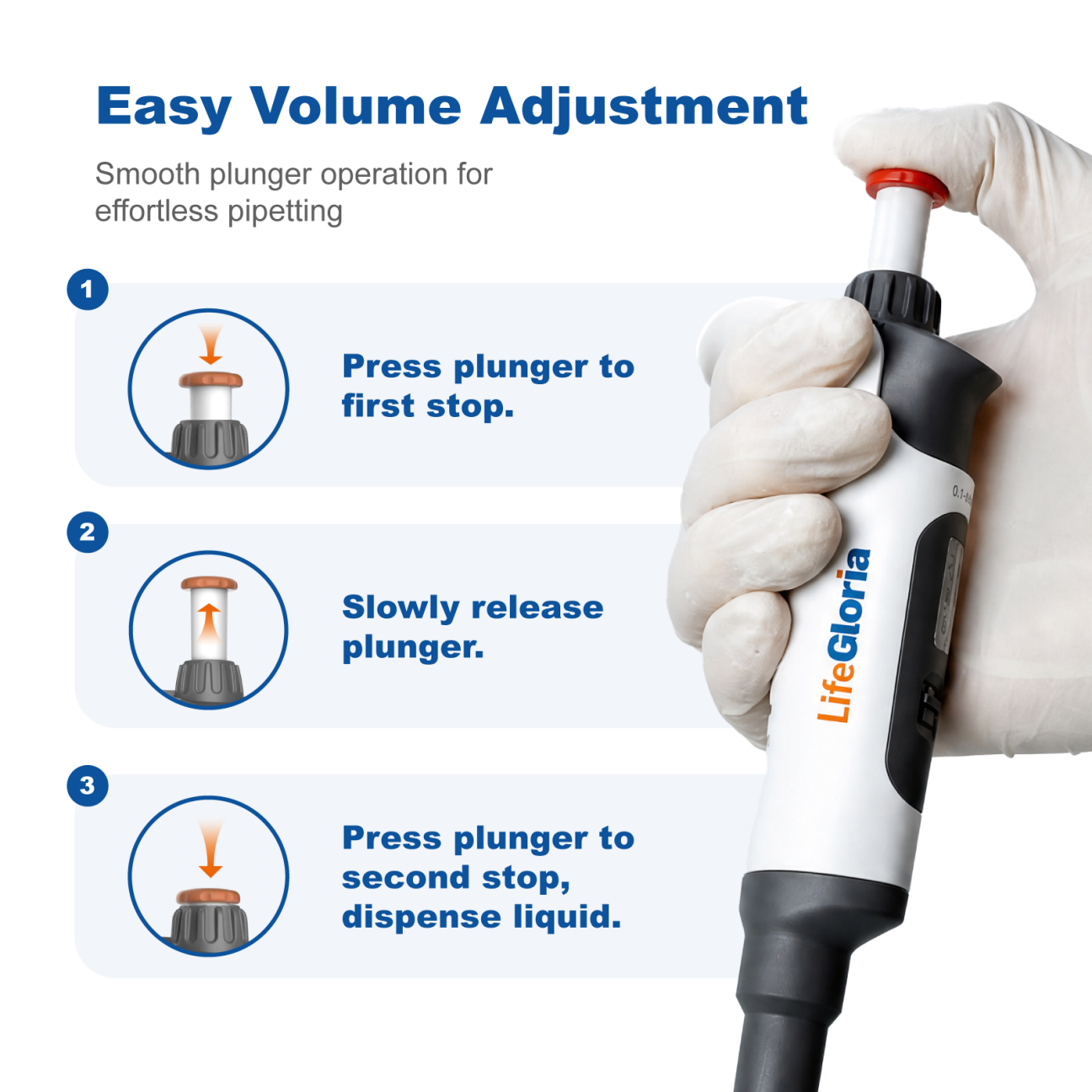
A common beginner error is allowing the plunger to snap back after pressing it.
Rapid plunger movement may introduce bubbles or incomplete aspiration. This issue becomes especially noticeable when transferring viscous buffers or protein solutions.
Controlled, smooth plunger movement generally produces better precision than speed alone.
Calibration Should Not Be Ignored
Many laboratories use the same micropipettes for years without performance verification.
Small mechanical wear in seals or pistons can gradually reduce dispensing accuracy. Because the changes occur slowly, they often go unnoticed until experimental reproducibility declines.
Routine calibration and preventive maintenance help identify problems before they affect research outcomes.
Storage Habits Influence Instrument Life
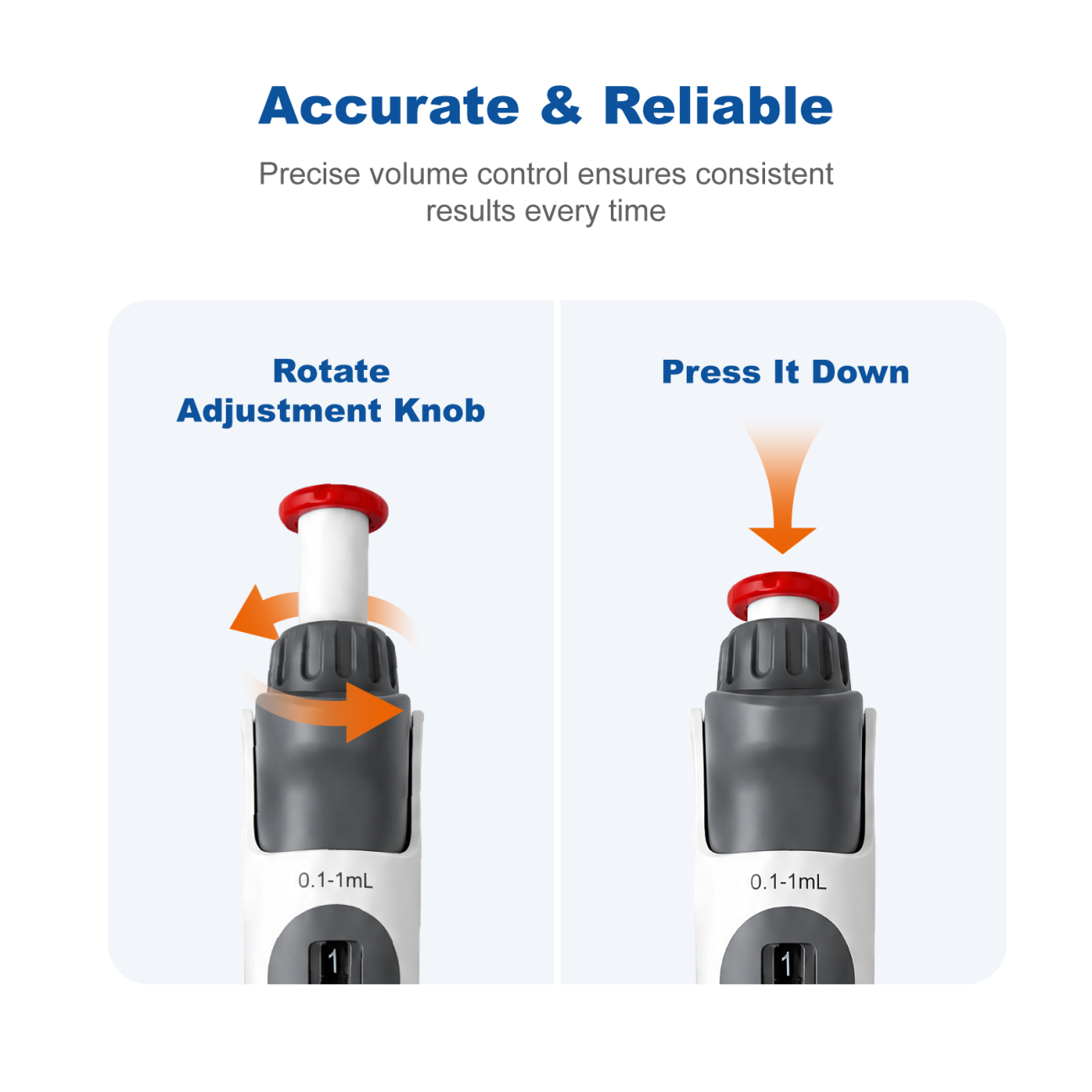
After completing an experiment, some users leave the volume adjustment set at the lowest possible value or store the pipette horizontally on the bench.
Proper storage extends service life. Reducing spring tension according to manufacturer recommendations and placing the instrument on a dedicated stand minimizes unnecessary mechanical stress and protects internal components.
A Practical Example From Daily Laboratory Work
In one teaching laboratory, instructors noticed that students preparing identical ELISA standards consistently obtained different absorbance values. Investigation showed that several students pressed the plunger to the second stop before aspirating instead of before dispensing.
After correcting this technique and repeating the exercise, variation between replicates decreased substantially without changing reagents or equipment.
The lesson was straightforward: mastering pipetting technique often improves data quality more than changing instruments.
Choosing a Micropipette for Daily Laboratory Use
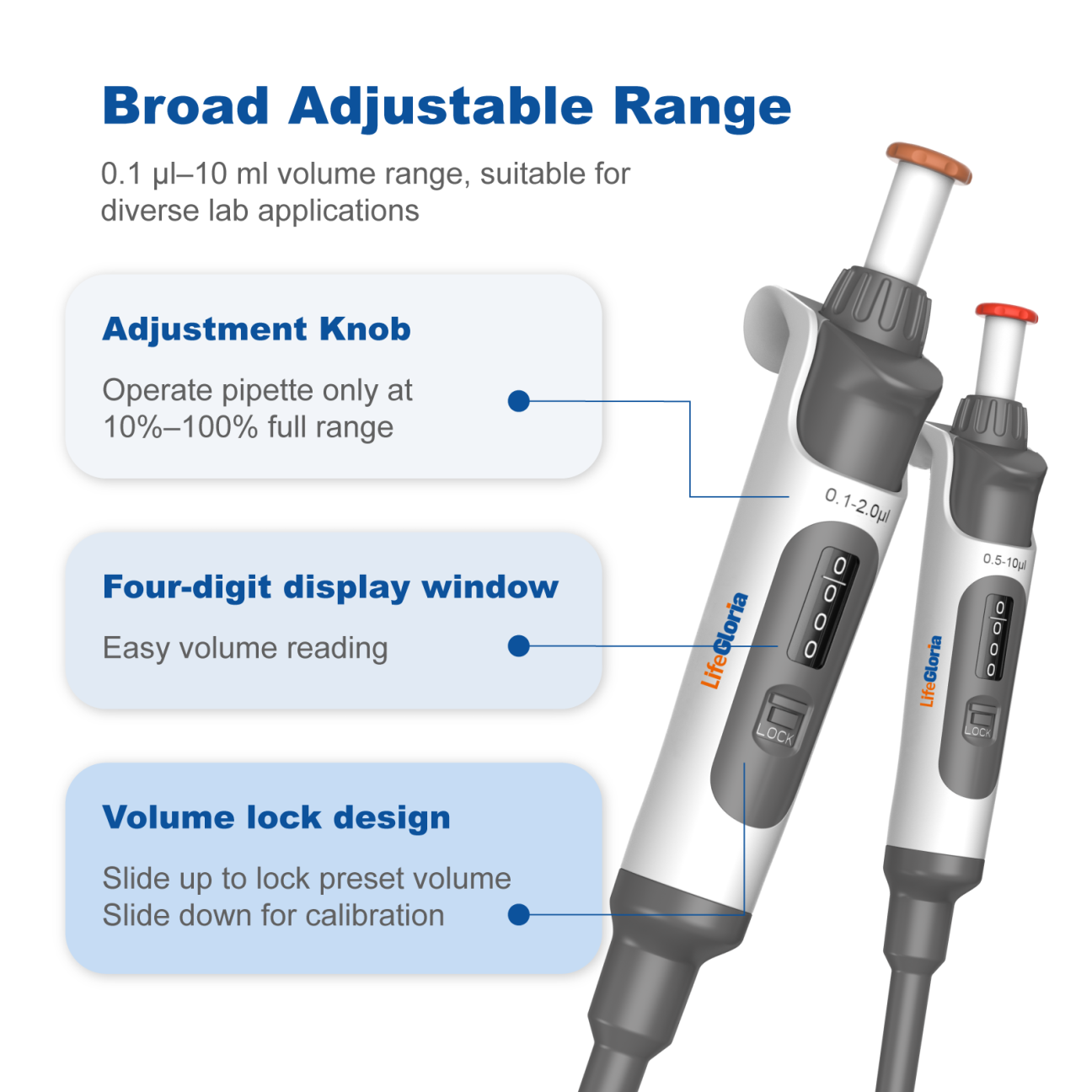
When selecting a laboratory micropipette, precision is only one factor. Ergonomic grip design, smooth volume adjustment, low operating force, chemical resistance, and compatibility with standard pipette tips all contribute to efficient daily use.
Laboratories that process hundreds of samples each week also benefit from instruments that maintain stable performance under repeated operation and can be cleaned or sterilized according to established protocols.
Final Thoughts
Reliable liquid handling depends on both equipment quality and operator technique. Small habits, such as pre-wetting tips, controlling aspiration speed, and replacing tips between samples, can significantly improve reproducibility.
For research laboratories, universities, and clinical facilities seeking dependable pipetting performance, LifeGloria micropipettes are engineered for accurate volume control, ergonomic operation, and consistent daily use across a wide range of molecular biology and life science applications.
