

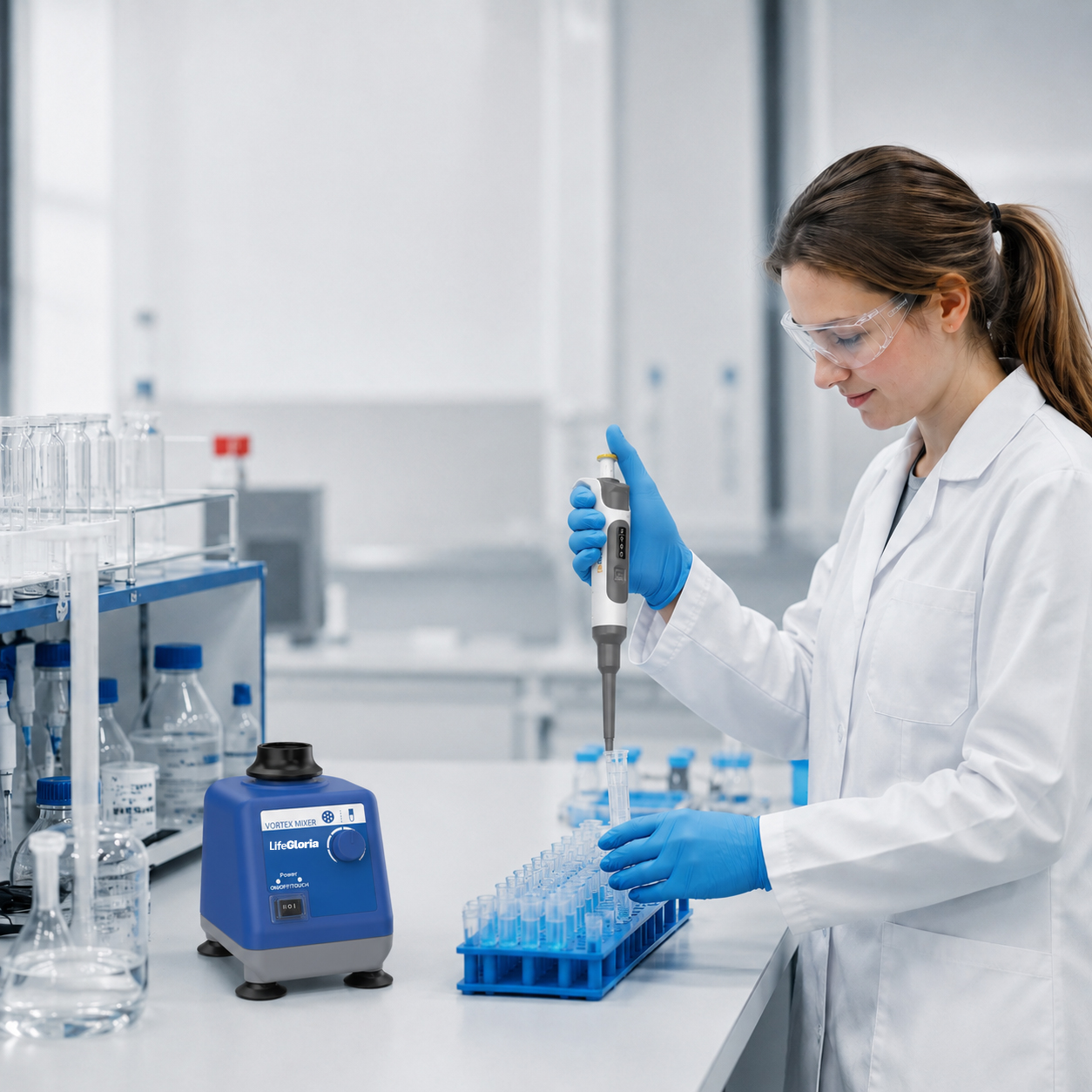
A micropipette adjustable volume single channel is a precision laboratory instrument designed for accurate liquid transfer. It is widely used in molecular biology, clinical diagnostics, pharmaceutical research, and biotechnology laboratories worldwide.
This tool supports a wide volume range from 0.1μL to 10mL. It ensures consistent liquid handling performance across different laboratory workflows.
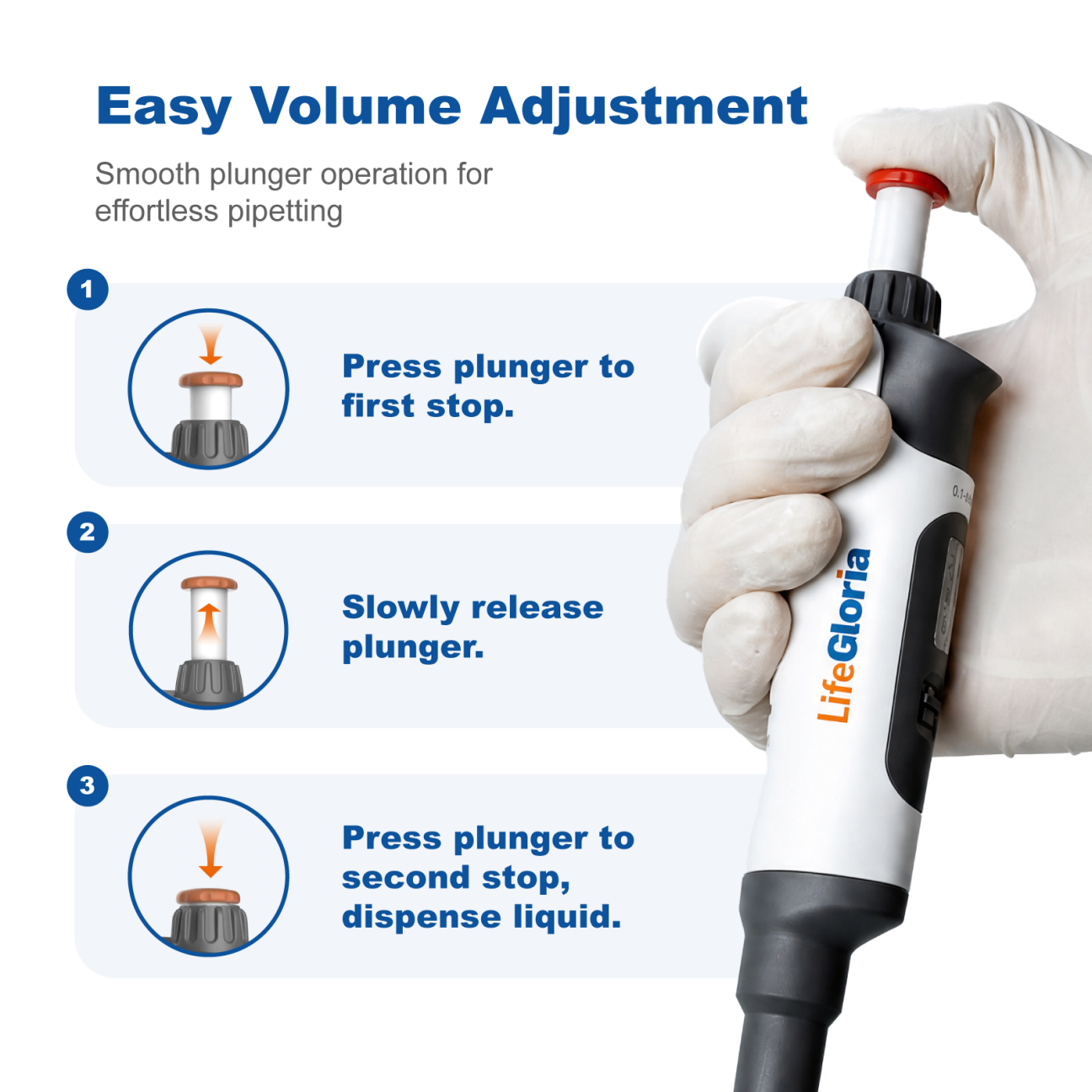
What Is a Micropipette Adjustable Volume?
A micropipette with adjustable volume is a manual or mechanical liquid handling device used to aspirate and dispense precise volumes of liquids.
It is commonly used in research laboratories for sample preparation, reagent transfer, and dilution tasks.
In molecular biology, it is essential for PCR setup, enzyme reactions, and DNA/RNA handling.
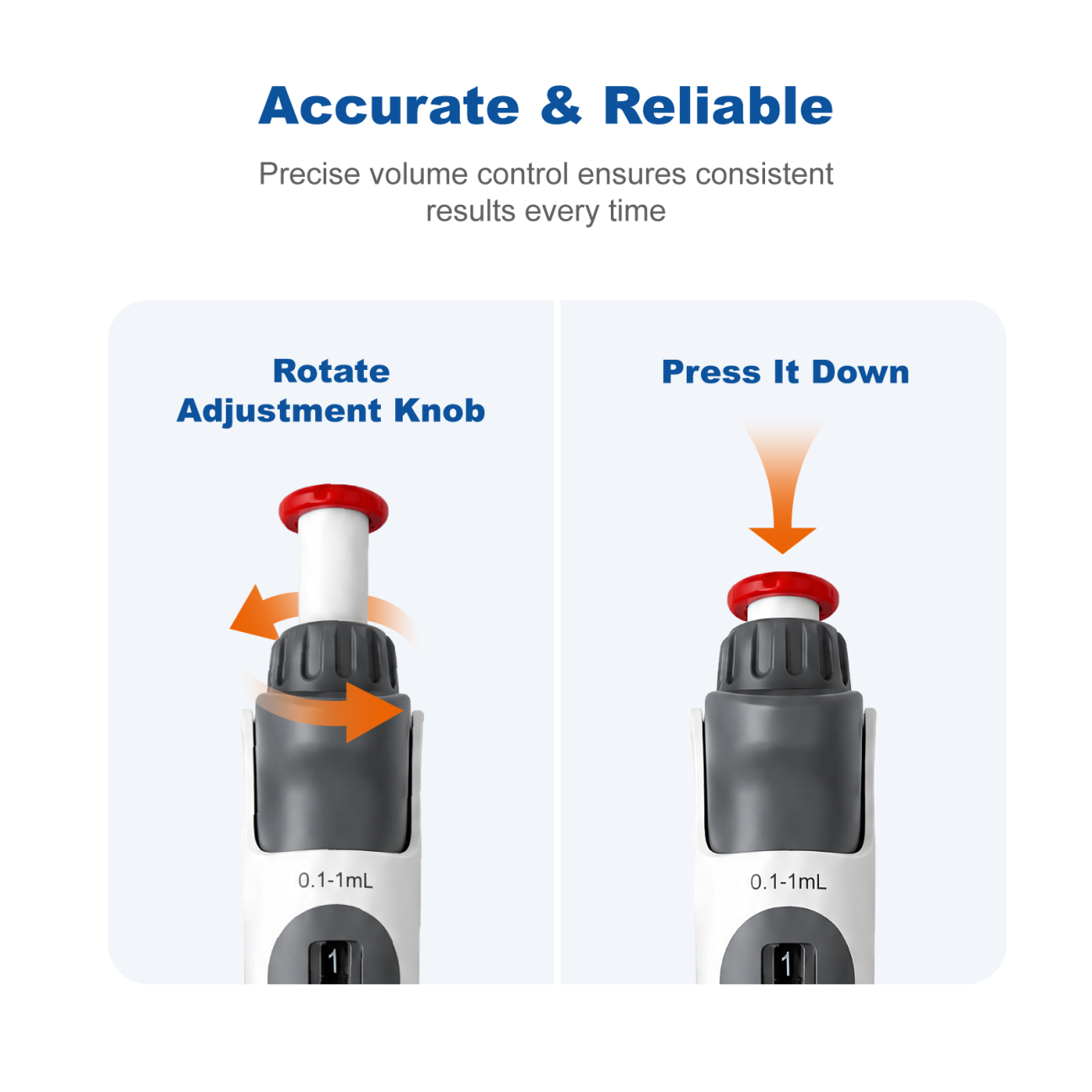
The adjustable volume function allows users to switch between different experimental requirements without changing instruments.
Micropipette Adjustable Volume in Global Laboratory Environments
Micropipette adjustable volume instruments are standard equipment in laboratories across the United States, Europe, and the Asia-Pacific regions.
They are widely used in university laboratories, biotechnology companies, and clinical diagnostic centers.
In Singapore and other advanced research hubs, they are essential tools for life science and biomedical workflows.
These laboratories rely on micropipettes to maintain accuracy and reproducibility in experiments.
Single Channel Micropipette for Precise Liquid Handling
A single-channel micropipette is designed for individual sample processing.
It ensures precise control during liquid aspiration and dispensing.
This design is widely used in clinical laboratories for blood analysis, biochemical testing, and diagnostic workflows.
The single-channel structure reduces cross-contamination risk and improves sample traceability.
It is especially important in environments requiring high accuracy and regulatory compliance.
Fully Autoclavable Micropipette for Sterile Applications
A fully autoclavable micropipette is designed to withstand high-temperature sterilization.
It is suitable for sterile laboratory environments such as microbiology and cell culture laboratories.
Autoclavable construction helps prevent contamination during repeated experimental use.
It also extends the lifespan of the instrument in high-frequency laboratory workflows.
This feature is essential in pharmaceutical and biotechnology manufacturing environments.
Key Advantages of Adjustable Volume Micropipettes
Micropipette adjustable volume models provide several advantages in laboratory workflows:
- Wide volume range from 0.1μL to 10mL
- High precision liquid transfer
- Compatible with multiple laboratory applications
- Reduced the need for multiple pipette instruments
- Improved experimental efficiency
These advantages make it a core tool in modern laboratory liquid handling systems.
Applications in Research, Clinical, and Industrial Labs
Micropipettes are used in a wide range of scientific and industrial environments.
In research laboratories, they are used for molecular biology experiments and chemical analysis.
In clinical laboratories, they support diagnostic testing and patient sample processing.
In the pharmaceutical industries, they are used for formulation development and quality control.
In biotechnology facilities, they support cell culture and protein research workflows.
Why Precision Liquid Handling Matters
Accurate liquid handling is critical for reliable experimental results.
Small deviations in volume can significantly affect molecular biology and chemical reaction outcomes.
A micropipette with an adjustable volume single channel improves repeatability and reduces experimental error.
It also increases workflow efficiency in high-throughput laboratory environments.
Proper pipetting technique is essential for maintaining data integrity in scientific research.
How to Use a Micropipette Correctly
To ensure accuracy, users should follow standard laboratory practices:
- Set the correct volume before use
- Keep the pipette vertical during aspiration
- Use smooth and controlled dispensing pressure
- Avoid air bubbles during liquid transfer
- Calibrate regularly for accuracy
Proper handling ensures consistent performance and longer instrument lifespan.
Conclusion
A micropipette with adjustable volume 0.1μL–10mL single channel is an essential laboratory instrument for modern scientific workflows.
It is widely used in research, clinical diagnostics, and biotechnology applications across global laboratories.
With its precision design, adjustable volume range, and autoclavable structure, it supports accurate and reliable liquid handling in professional laboratory environments.
