

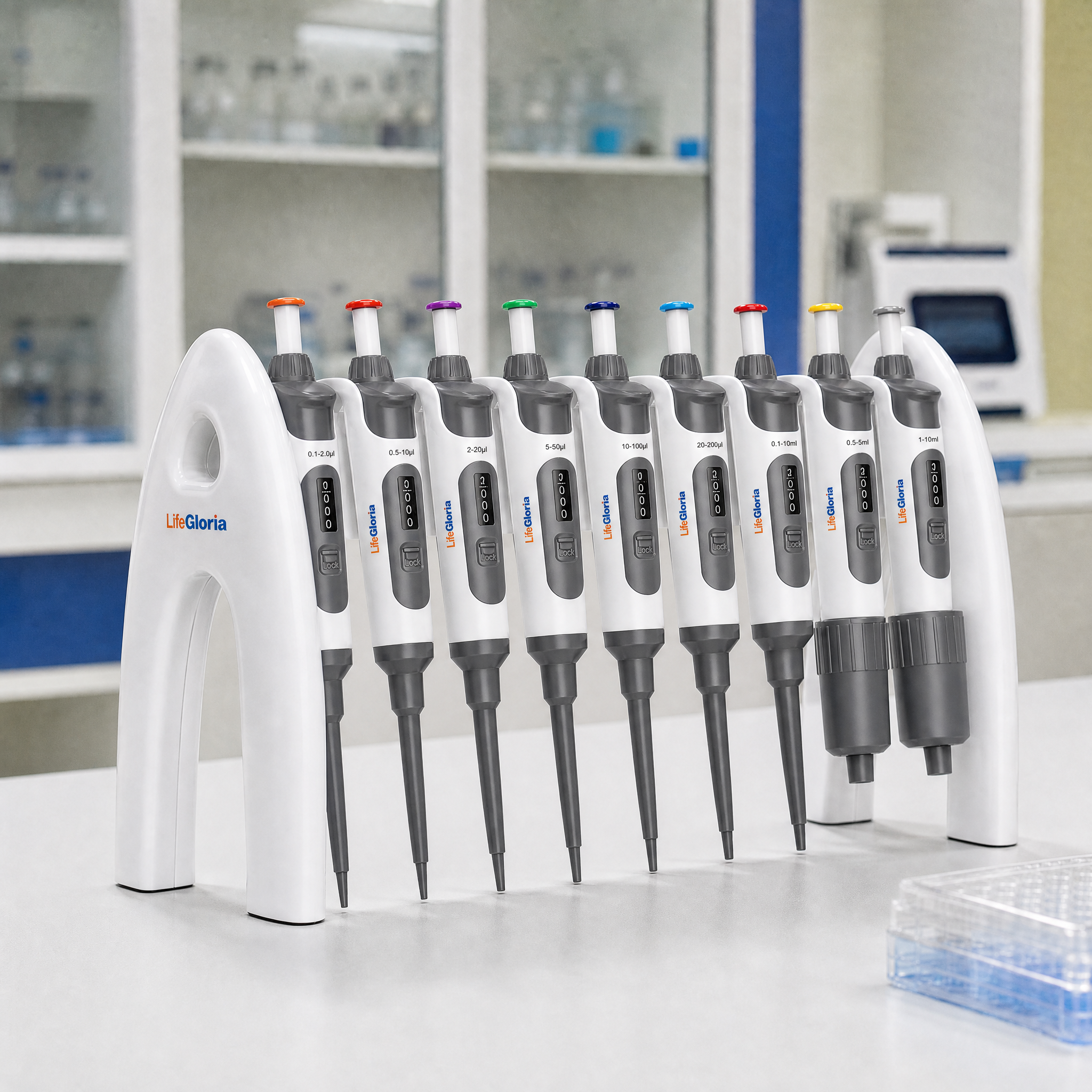
Accurate liquid handling is essential in modern laboratories. Whether performing PCR, molecular biology experiments, clinical diagnostics, or pharmaceutical research, a micropipette plays a critical role in ensuring reliable results.
A micropipette is designed to transfer small volumes of liquid with high precision. By delivering consistent measurements, it helps researchers reduce experimental errors and improve reproducibility.
What Is a Micropipette?
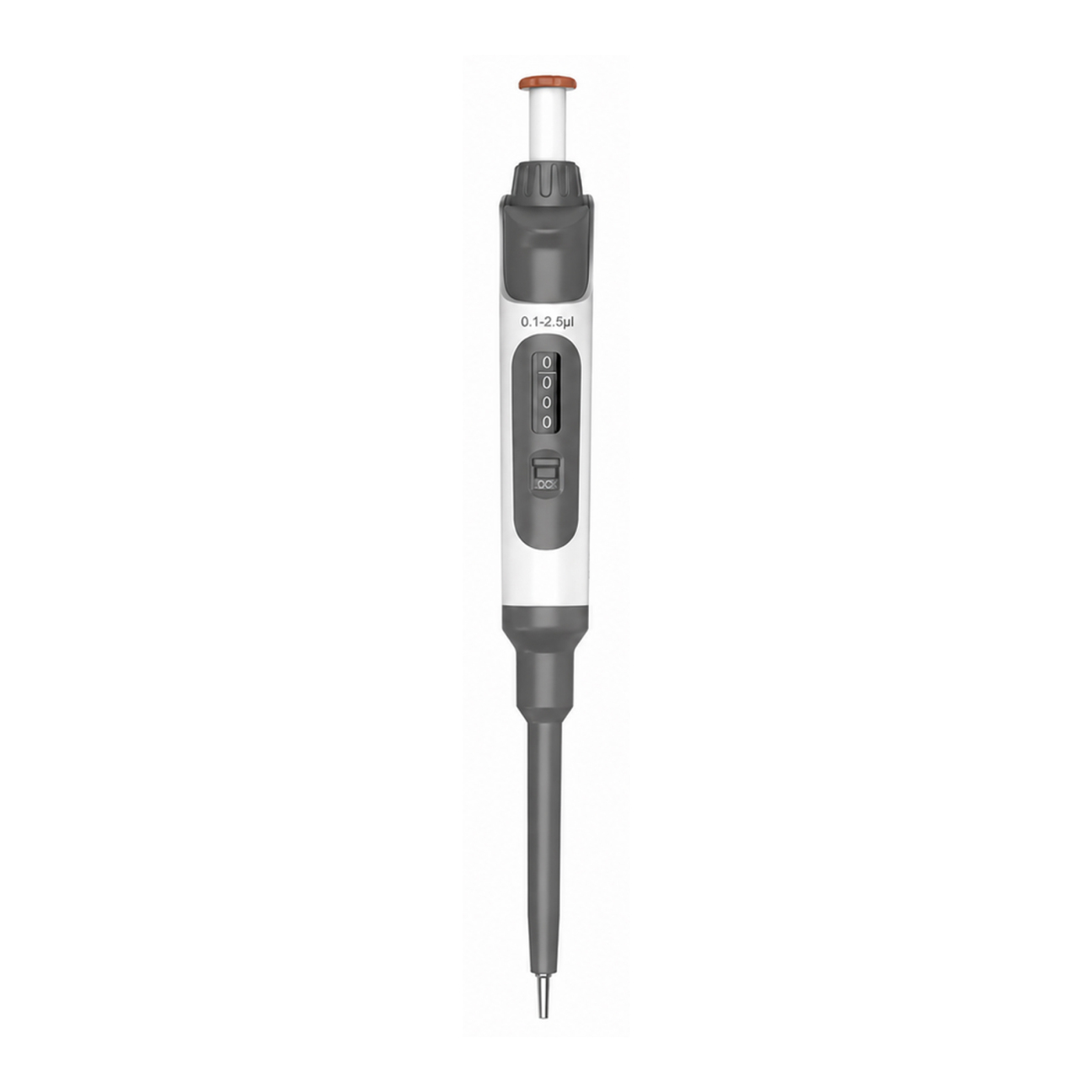
A micropipette is a laboratory instrument used to measure and transfer microliter volumes of liquids. It is commonly found in research laboratories, hospitals, biotechnology companies, and educational institutions.
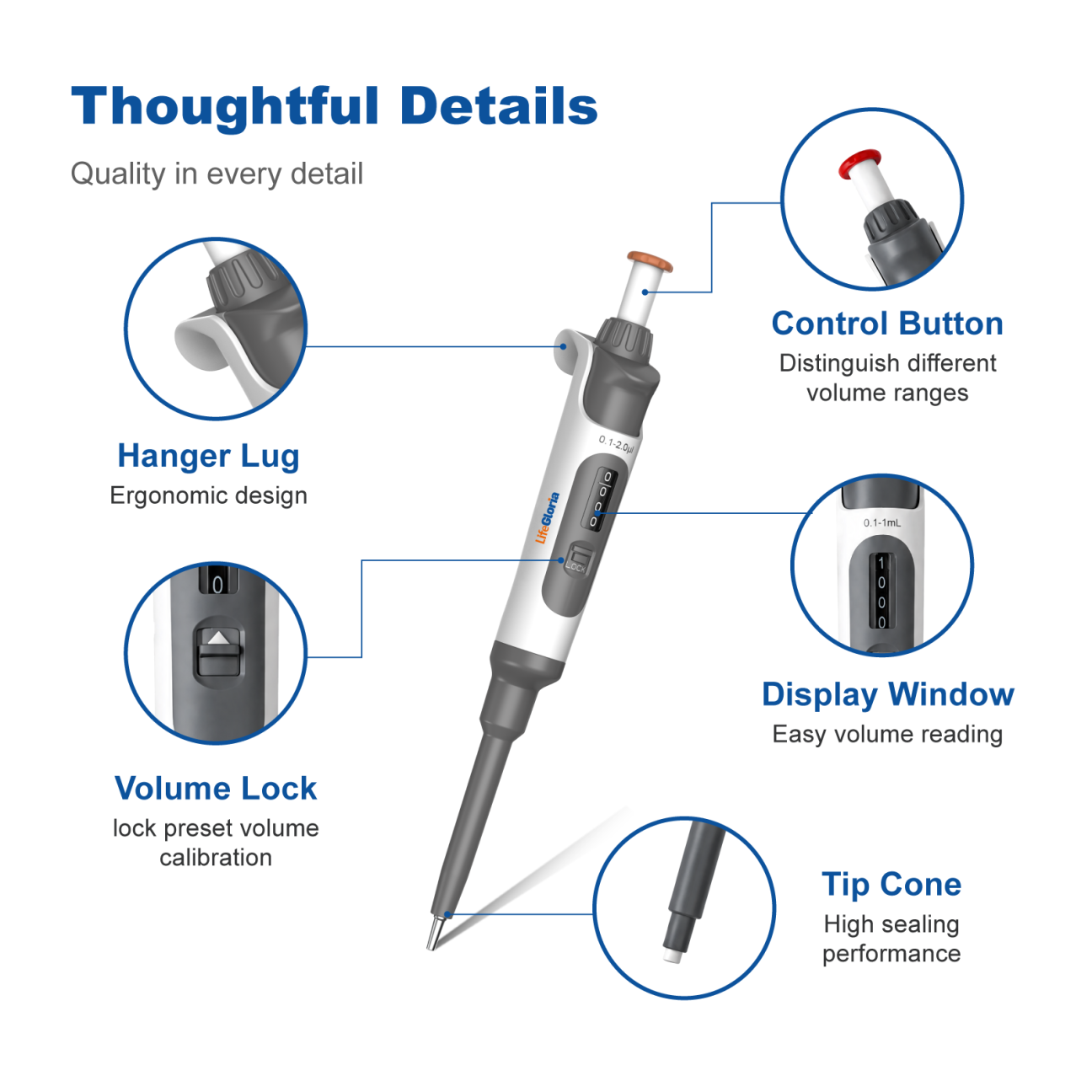
Most models feature adjustable volume settings, ergonomic designs, and compatibility with disposable pipette tips. These features make liquid transfer more accurate and efficient.
Depending on the application, users can select different volume ranges, such as 0.5–10 μL, 10–100 μL, 100–1000 μL, or larger capacities.
Why Accurate Pipetting Matters
Precision is one of the most important factors in laboratory work. Even a small volume variation can affect test outcomes.
Using a high-quality micropipette offers several advantages:
- Improved accuracy in sample preparation
- Better repeatability between experiments
- Reduced risk of contamination
- Enhanced laboratory efficiency
- More reliable research data
Therefore, laboratories often invest in calibrated pipetting equipment to maintain consistent performance.
Common Applications of Micropipettes
Micropipettes are widely used across multiple scientific fields.
Molecular Biology and PCR
Researchers frequently use micropipettes when preparing DNA, RNA, and protein samples. Accurate reagent dispensing is essential for successful PCR amplification and sequencing procedures.
Clinical Diagnostics
Medical laboratories rely on precise liquid handling when processing blood samples, serum, and diagnostic reagents. Consistent pipetting helps improve testing reliability.
Pharmaceutical Research
Drug development requires exact sample measurements during formulation, quality control, and analytical testing. A reliable pipetting system supports these demanding workflows.
Educational Laboratories
Universities and training centers use micropipettes to teach laboratory techniques and experimental procedures. Students learn the fundamentals of precision liquid handling through hands-on practice.
How to Choose the Right Micropipette
Selecting the correct instrument depends on several factors.
First, determine the volume range required for your application. Using a pipette near the middle of its operating range generally provides better accuracy.
Second, consider ergonomics. Comfortable handling reduces hand fatigue during repetitive tasks.
Third, evaluate calibration performance. Regularly calibrated instruments help maintain measurement consistency over time.
Finally, ensure compatibility with high-quality pipette tips. Proper tip fitting can significantly influence dispensing accuracy.
Best Practices for Accurate Pipetting
Following proper techniques can improve performance and extend equipment lifespan.
- Pre-wet the pipette tip before dispensing.
- Hold the instrument vertically when aspirating liquid.
- Use the correct tip size for the selected volume.
- Change tips between samples when necessary.
- Calibrate the micropipette regularly.
- Store equipment according to manufacturer recommendations.
These simple practices help minimize variability and improve experimental confidence.
Future Trends in Laboratory Liquid Handling
Laboratory technology continues to evolve. Modern micropipettes now include lightweight materials, enhanced ergonomics, and digital volume adjustment systems.
Many laboratories are also adopting electronic pipettes and automated liquid handling platforms. These solutions increase throughput while reducing manual errors.
Despite automation advances, manual micropipettes remain essential tools in scientific research because of their flexibility, affordability, and ease of use.
Conclusion
A micropipette is one of the most important tools for accurate laboratory liquid handling. From molecular biology and clinical diagnostics to pharmaceutical development and education, it supports a wide range of applications.
Choosing the right instrument, using proper pipetting techniques, and maintaining regular calibration can significantly improve accuracy and reproducibility. As laboratory workflows continue to advance, reliable micropipettes will remain a cornerstone of precise scientific research.
