


Micropipettes are essential precision instruments used in laboratories to accurately transfer small volumes of liquids. From molecular biology and cell culture to pharmaceutical research and diagnostic testing, micropipettes provide researchers with reliable liquid handling performance at microliter and milliliter levels.
Choosing the right micropipette is critical because pipetting accuracy directly affects experimental reliability, sample consistency, and research results. This guide explains what a micropipette is, how it works, different types, common applications, maintenance methods, and key factors to consider when selecting a laboratory pipette.
What Is a Micropipette?
A micropipette is a precision laboratory instrument designed to measure and transfer small volumes of liquid, typically ranging from 0.1 μL to 10 mL.
Unlike traditional measuring tools, micropipettes use a piston-driven air displacement mechanism to provide accurate and repeatable liquid transfer. They are commonly used in laboratories where precise volume control is required.
Micropipettes are widely used in:
- Molecular biology experiments
- Cell culture procedures
- PCR preparation
- Biochemistry research
- Pharmaceutical testing
- Clinical diagnostics
- Biotechnology laboratories
For modern research laboratories, a reliable micropipette is one of the most frequently used pieces of liquid handling equipment.

How Does a Micropipette Work?
Most laboratory micropipettes operate using an air displacement principle.
The basic working process includes:
1. Volume Adjustment
The user sets the required liquid volume by rotating the adjustment mechanism. Adjustable micropipettes allow researchers to select different volumes within a specific range.
2. Tip Attachment
A disposable pipette tip is securely attached to the pipette shaft. The tip provides a contamination-free interface between the instrument and sample.
3. Aspiration
When the plunger is pressed to the first stop and released, the piston moves upward and creates negative pressure, allowing liquid to enter the pipette tip.
4. Dispensing
Pressing the plunger releases the liquid with controlled volume delivery.
Proper pipetting technique, combined with a high-quality instrument, ensures accurate and repeatable results.
Types of Micropipettes
Different research applications require different types of pipettes. The most common categories include:
Single Channel Micropipette
A single channel micropipette transfers liquid through one pipette tip at a time.
It is commonly used for:
- General laboratory liquid handling
- Sample preparation
- DNA and RNA experiments
- Cell biology research
Single channel pipettes are the standard choice for laboratories requiring flexible and precise liquid transfer.

Multichannel Micropipette
Multichannel micropipettes are designed with multiple channels, allowing researchers to transfer several samples simultaneously.
Common applications include:
- 96-well plate preparation
- ELISA testing
- High-throughput screening
- Microplate-based experiments
They improve efficiency by reducing repetitive pipetting steps.
Electronic Micropipette
Electronic pipettes use a motor-driven mechanism to control aspiration and dispensing.
Advantages include:
- Reduced operator fatigue
- Improved consistency
- Programmable pipetting functions
- Better performance in repetitive workflows
They are often used in laboratories performing high-volume sample processing.
Common Applications of Micropipettes
Molecular Biology
Micropipettes play an important role in molecular biology workflows, including:
- DNA extraction
- RNA preparation
- PCR setup
- Reagent mixing
Small volume errors can influence experimental outcomes, making pipette accuracy extremely important.
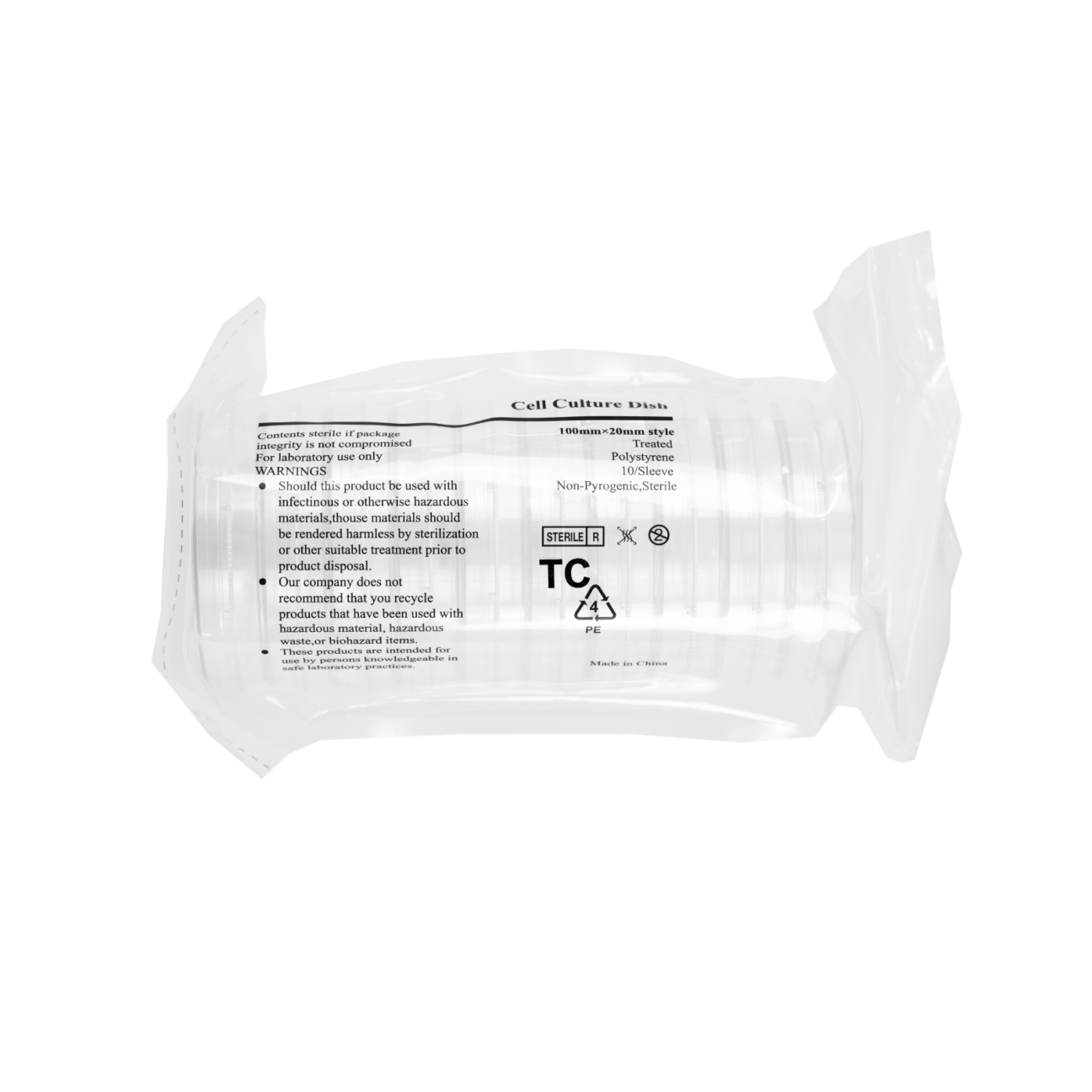
Cell Culture
In cell biology laboratories, micropipettes are commonly used for:
- Adding culture media
- Transferring reagents
- Preparing cell samples
- Performing cell-based assays
Reliable liquid handling helps maintain consistent experimental conditions.
Pharmaceutical Research
Pharmaceutical laboratories use micropipettes for:
- Drug development studies
- Chemical analysis
- Sample preparation
- Quality control testing
Diagnostic Applications
Clinical and diagnostic laboratories rely on precise pipetting for:
- Sample preparation
- Reagent handling
- Testing procedures
Understanding Pipette Accuracy and Precision
When evaluating a micropipette, two important performance factors should be considered:
Accuracy
Accuracy refers to how close the delivered volume is to the selected volume.
Example:
If a pipette is set to 100 μL and delivers 99.8 μL, the accuracy is very high.
Precision
Precision refers to how consistently the pipette delivers the same volume repeatedly.
A high-quality micropipette should provide both excellent accuracy and repeatability.
