

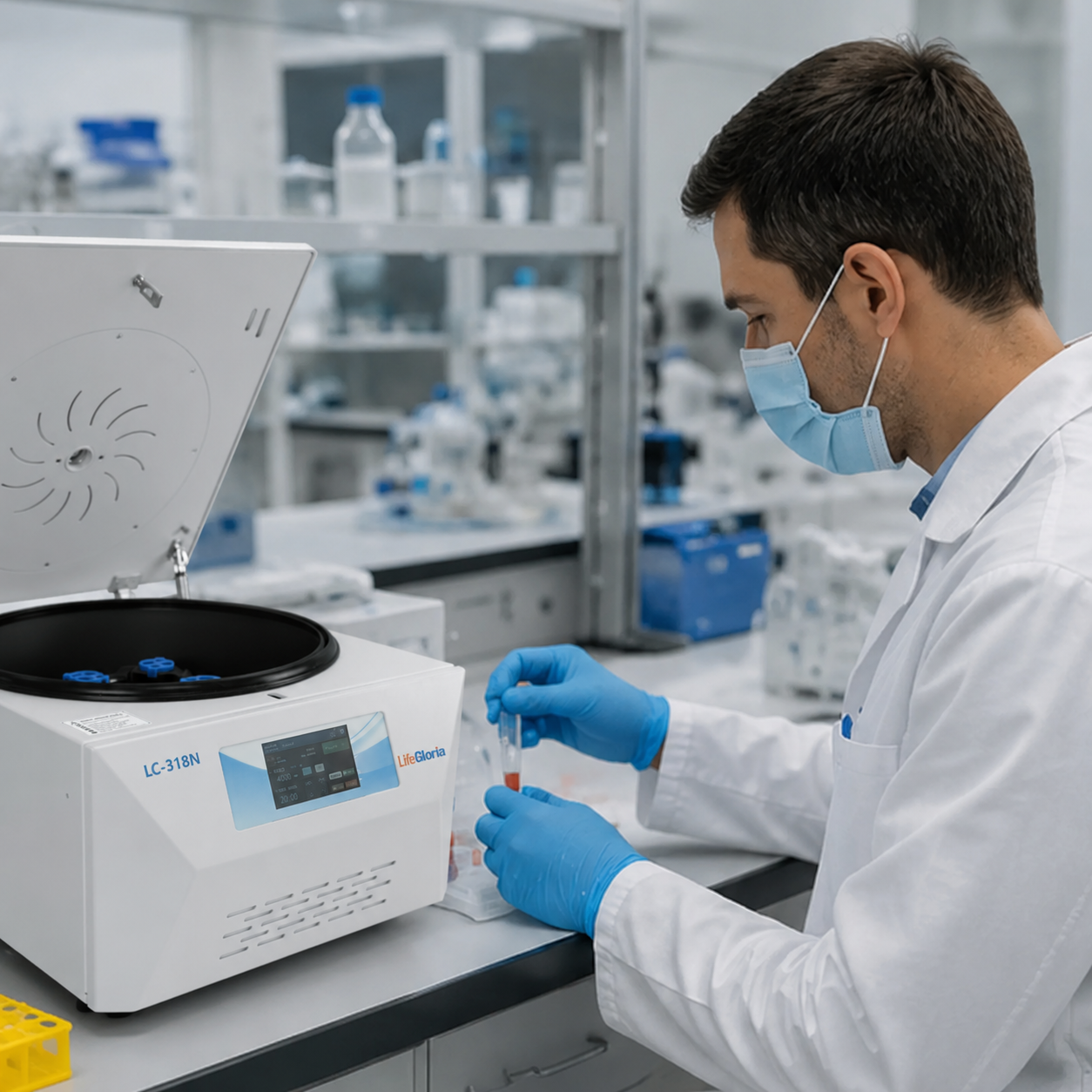
Laboratory equipment plays a critical role in producing accurate and reproducible experimental results.
Instruments such as micropipettes, centrifuges, vortex mixers, PCR systems, and incubators require regular maintenance to maintain performance and reliability.
Without proper maintenance, laboratory equipment may experience:
- Reduced accuracy
- Unexpected failures
- Sample contamination
- Increased repair costs
- Shortened service life
A preventive maintenance routine helps laboratories avoid these problems and maintain efficient workflows.
Why Laboratory Equipment Maintenance Matters
Regular maintenance provides several benefits:
Improved Accuracy
Well-maintained instruments provide more reliable measurements and consistent results.
Reduced Downtime
Preventive maintenance helps identify problems before equipment failure occurs.
Increased Equipment Lifespan
Proper cleaning and inspection protect important components.
Better Laboratory Safety
Routine checks reduce risks caused by damaged equipment or improper operation.
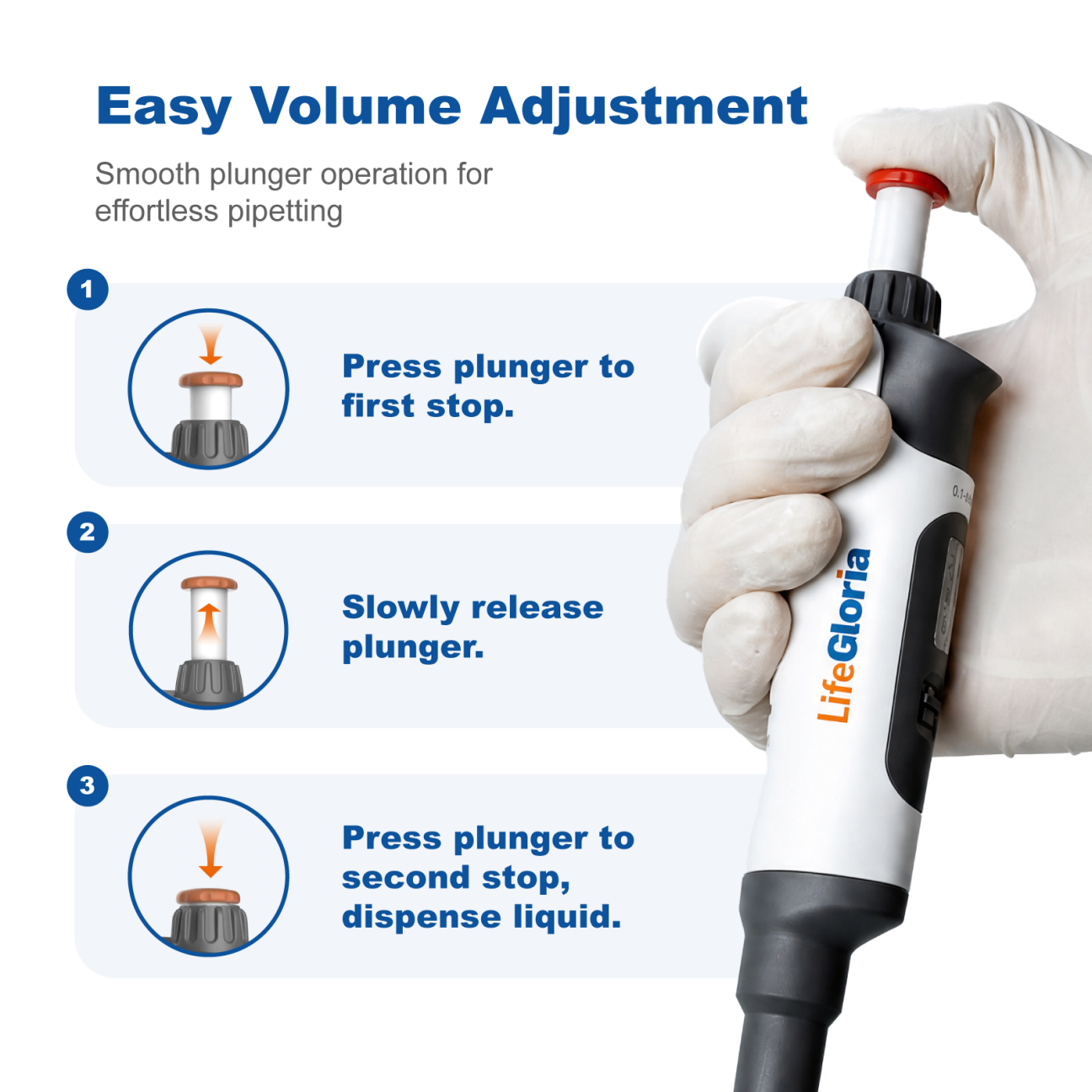
Daily Laboratory Equipment Maintenance Checklist
Micropipette
Daily checks:
✓ Clean external surfaces
✓ Check for liquid residue
✓ Confirm smooth plunger movement
✓ Replace damaged tips
Centrifuge
Daily checks:
✓ Inspect rotor chamber
✓ Remove sample residue
✓ Check unusual vibration or noise
✓ Confirm lid operation
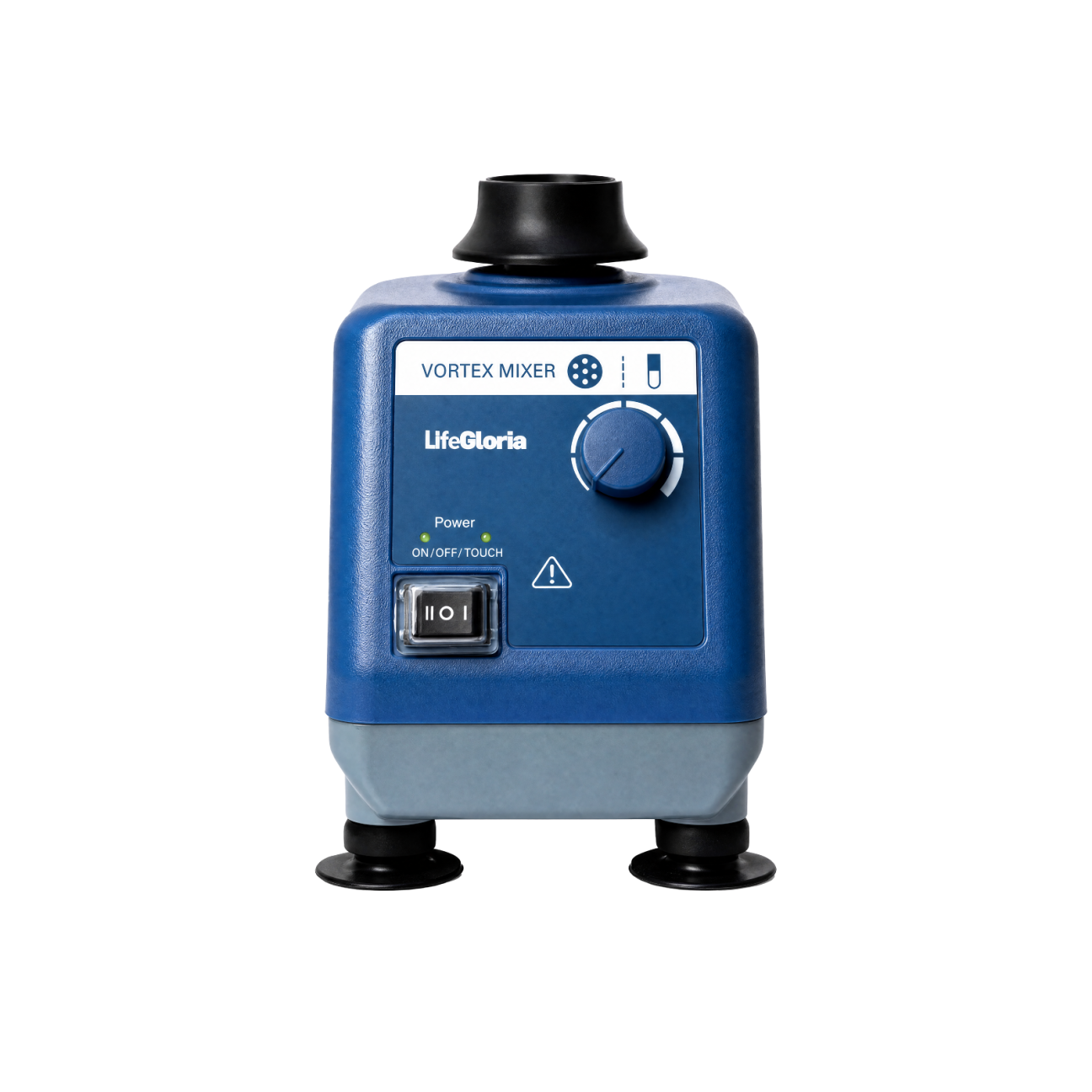
Vortex Mixer
Daily checks:
✓ Clean mixing platform
✓ Check speed control
✓ Inspect power connection
Weekly Maintenance Tasks
Pipette Maintenance
- Inspect seals and O-rings
- Check calibration status
- Clean removable parts
Centrifuge Maintenance
- Clean rotor thoroughly
- Inspect for corrosion
- Check accessories
PCR Equipment
- Clean surfaces
- Verify temperature performance
- Check contamination control procedures
Monthly Maintenance Tasks
Calibration Review
Review:
- Pipette accuracy
- Centrifuge performance
- Temperature control
Equipment Inspection
Check:
- Mechanical components
- Electrical connections
- Accessories
Laboratory Equipment Maintenance Best Practices
Follow Manufacturer Guidelines
Different instruments have different maintenance requirements.
Keep Maintenance Records
Record:
- Cleaning dates
- Calibration dates
- Repairs
- Operator information
Train Laboratory Users
Proper operation prevents many equipment problems.
Maintenance Checklist Summary
| Equipment | Daily | Weekly | Monthly |
|---|---|---|---|
| Pipette | Clean exterior | Inspect parts | Calibration check |
| Centrifuge | Remove residue | Rotor inspection | Performance review |
| Vortex Mixer | Clean surface | Check operation | Electrical inspection |
| PCR System | Clean area | Verify function | Maintenance review |
Frequently Asked Questions
How often should laboratory equipment be maintained?
Maintenance frequency depends on equipment type, usage intensity, and laboratory requirements.
Why is preventive maintenance important in laboratories?
Preventive maintenance reduces unexpected failures and improves experimental reliability.
Which laboratory equipment requires calibration?
Common examples include micropipettes, analytical instruments, and measurement devices.
Conclusion
Laboratory equipment maintenance is essential for reliable research and safe operation.
A simple daily, weekly, and monthly maintenance routine can significantly improve instrument performance and reduce unexpected downtime.
By maintaining equipment properly, laboratories can achieve more consistent results and maximize the value of their investments.
