


Manual and electronic pipettes can both deliver reliable results when correctly selected, calibrated, and used. The better option depends on the number of transfers, complexity of the protocol, operator variation, budget, and service environment.
This guide explains practical differences so a laboratory can decide where electronic control adds value and where a robust mechanical pipette remains the more efficient choice.
Quick Answer
Choose a manual pipette for flexible routine work, low purchase cost, simple training, and minimal charging or software dependence. Choose an electronic pipette for repetitive dispensing, multistep programs, consistent piston speed, high throughput, or reduced thumb effort. Many laboratories benefit from a mixed fleet rather than replacing every manual pipette.
Manual and Electronic Pipettes at a Glance
| Factor | Manual | Electronic |
|---|---|---|
| Piston control | Operator-controlled plunger | Motor-controlled |
| Repetitive modes | Technique-dependent | Often programmable |
| Ergonomics | Low weight; repeated thumb action | Lower plunger effort; usually heavier |
| Power | None | Battery or charging required |
| Cost | Usually lower | Usually higher |
| Service | Mechanical maintenance | Mechanical plus electronic support |
Where Manual Pipettes Perform Best
- Mixed daily tasks and frequent volume changes
- Teaching and decentralized benches
- Field or backup use without charging
- Laboratories prioritizing simple maintenance
- Low-to-moderate throughput where programming brings little benefit
Where Electronic Pipettes Add Value
- Repeated dispensing from one aspiration
- Long plate-loading sessions
- Protocols needing controlled aspiration and dispense speeds
- Standardized multistep methods
- Operators at risk of repetitive thumb strain
- Workflows that benefit from saved programs or password controls
Accuracy and Repeatability
Electronic piston movement can reduce variation in speed, but it cannot correct the wrong volume range, poor tip fit, temperature differences, bubbles, leakage, or an unsuitable method. A trained operator with a maintained manual pipette may outperform an electronic pipette used incorrectly.
Ergonomics and Throughput
Evaluate the entire action: holding weight, trigger position, tip loading and ejection, display readability, balance, and the number of repetitions. An electronic unit may reduce plunger force but add weight; a lightweight manual pipette may be preferable for short, varied tasks.
Cost of Ownership
| Cost area | Manual | Electronic |
|---|---|---|
| Purchase | Lower | Higher |
| Consumables | Depends on tip system | Depends on tip system |
| Calibration | Regular performance checks | Regular checks plus electronic functions |
| Downtime | Often easier backup | Battery/electronics may require specialist service |
| Training | Technique-intensive | Mode/program training required |

A Practical Selection Test
- Run a representative 30-60 minute protocol
- Measure comfort before and after the task
- Check result repeatability with the intended tips and liquid
- Count steps and cycle time
- Test cleaning and decontamination requirements
- Confirm chargers, batteries, software, and local repair support
Where LifeGloria Fits
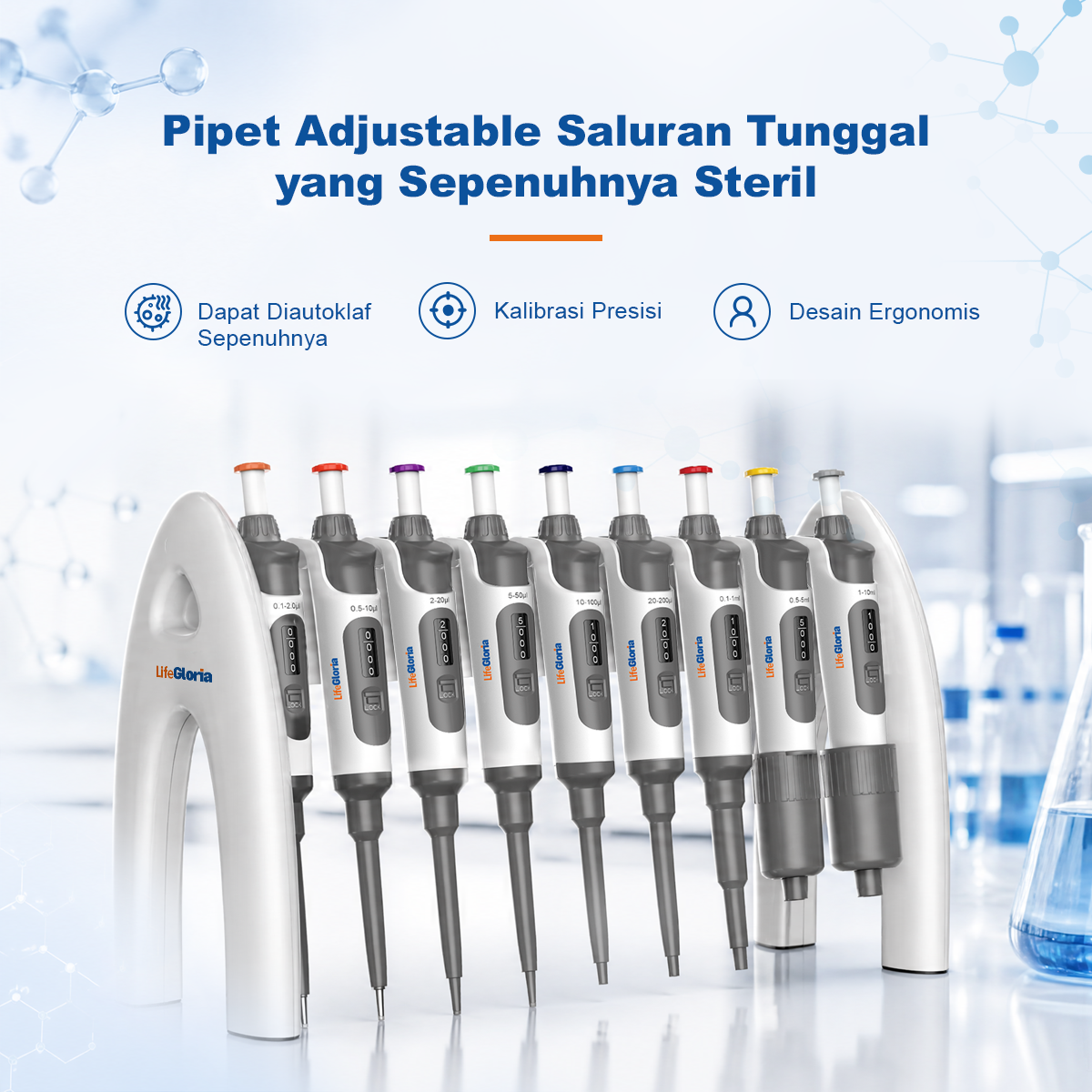
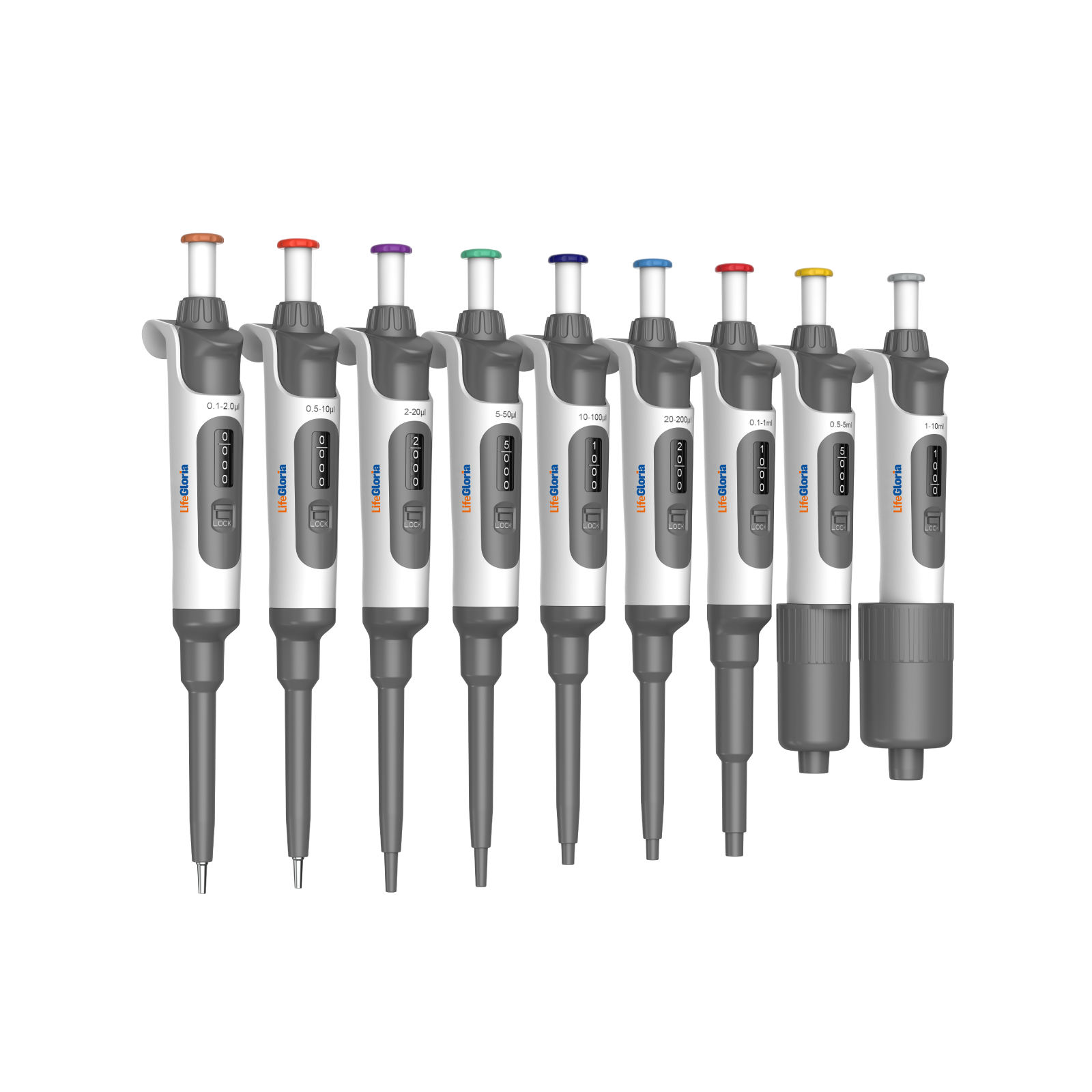
LifeGloria's fully autoclavable single-channel pipette is a mechanical option spanning nine ranges from 0.1 µL to 10 mL. It is appropriate for buyers prioritizing a straightforward adjustable pipette, a four-digit display, volume lock, full autoclaving under the manual's stated cycle, and direct procurement. It is not an electronic or multichannel replacement.
Frequently Asked Questions
Are electronic pipettes more accurate?
Motorized movement can improve consistency in repetitive work, but total accuracy still depends on range, tips, liquid, environment, calibration, and technique.
Do electronic pipettes reduce hand strain?
They can reduce repeated thumb movement, but weight, balance, tip loading, and task duration must also be evaluated.
Which is better for PCR?
Either can work. Manual pipettes suit flexible low-volume setup; electronic multichannel or repeat modes may help higher-throughput plate work.
Should a laboratory replace all manual pipettes?
Usually not. A mixed fleet often provides the best balance of flexibility, throughput, backup, and cost.
Final Thoughts
Choose around the workflow rather than the technology label. Test both formats with real operators, tips, liquids, and protocols, then standardize only where the data and ergonomics support the decision.
Related LifeGloria Resources
Need help choosing equipment? Contact LifeGloria.
Important: Confirm specifications, tube and rotor ratings, chemical compatibility, local service, and your laboratory SOP before purchase or use.
