

Centrifuge tubes and cryovials can both be made from polypropylene, but that does not make them interchangeable. Their closures, mechanical ratings, fill limits and intended temperature conditions can differ substantially. The wrong substitution may put a valuable sample and the operator at risk.
Quick Answer
Use a centrifuge tube for approved sample processing and a cryovial for its explicitly rated storage conditions. Confirm temperature, closure, working volume and any permitted RCF separately. For liquid-nitrogen systems, distinguish vapor-phase and liquid-phase approval; a tank's capacity does not establish a vial's safety.
The LifeGloria Option
LifeGloria offers centrifuge tubes, cryogenic-vial products and liquid-nitrogen storage equipment across its portfolio. Request the exact container specification alongside the rack and tank configuration. This allows the sample-processing and storage stages to be planned together without assuming universal compatibility.
Explore Product Options · Request a Quote
Select by the Next Operation
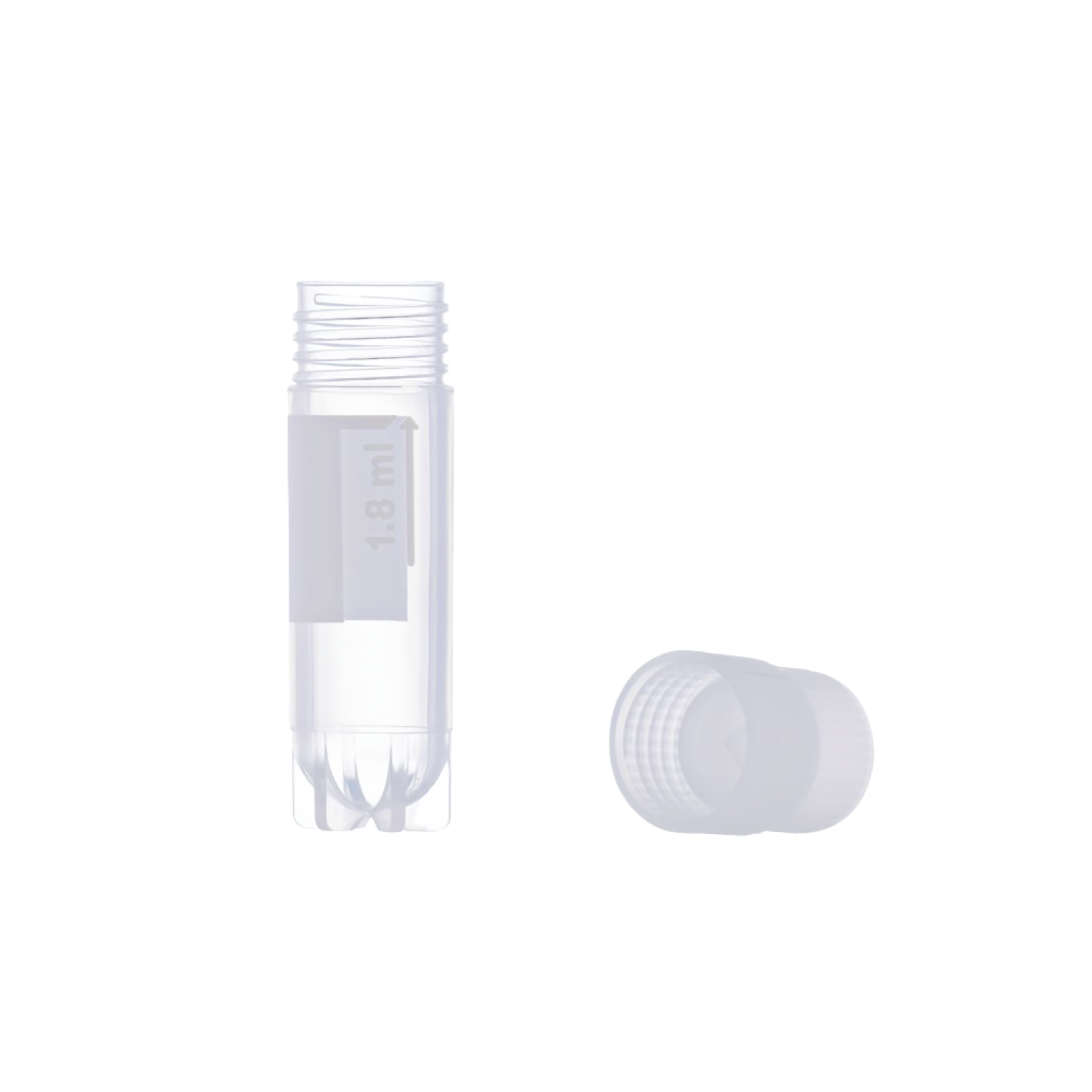
Ask whether the sample will be centrifuged, refrigerated, frozen, transported or stored in a cryogenic system. One container may be approved for several operations, but each claim must be documented. Color, transparency and apparent material are not sufficient evidence.
Compare the Important Ratings
| Property | Centrifuge tube | Cryovial |
|---|---|---|
| Main design purpose | Sample processing and separation | Defined low-temperature storage |
| Mechanical requirement | RCF under stated conditions | Check separately before centrifugation |
| Closure | Match run and leakage requirements | Match cold-storage and pressure hazards |
| Cryogenic suitability | Never assume | Verify the exact temperature and phase |
Treat Liquid Nitrogen as a Distinct Safety Case
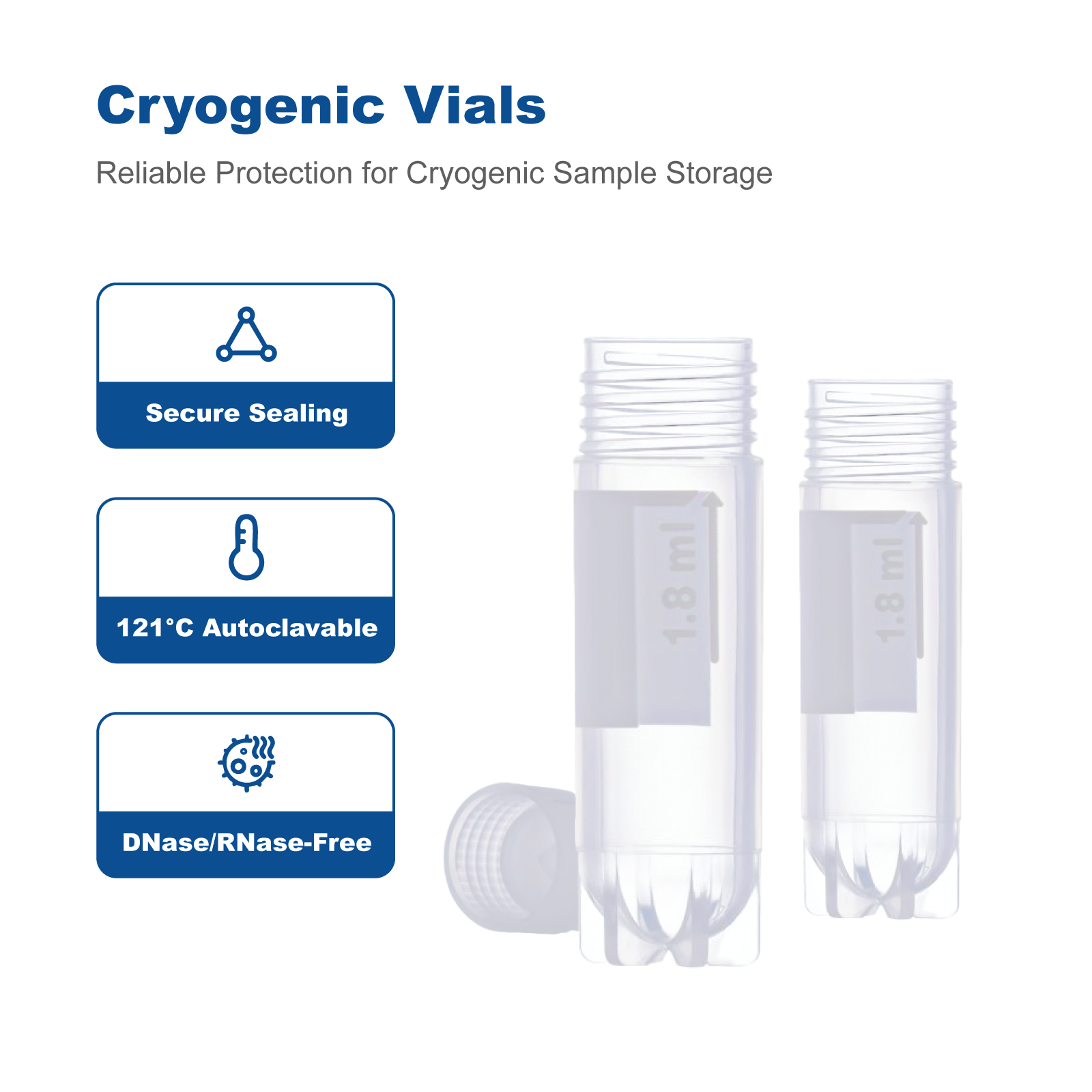
Some commercial cryovials are approved only for nitrogen vapor and explicitly prohibit liquid-phase storage. Follow the exact vial manufacturer's instructions. Do not immerse an unapproved vial: nitrogen ingress can create a dangerous pressure event when warming. Use trained personnel, ventilation and appropriate cryogenic protective equipment.
Match the Fill Volume and Rack
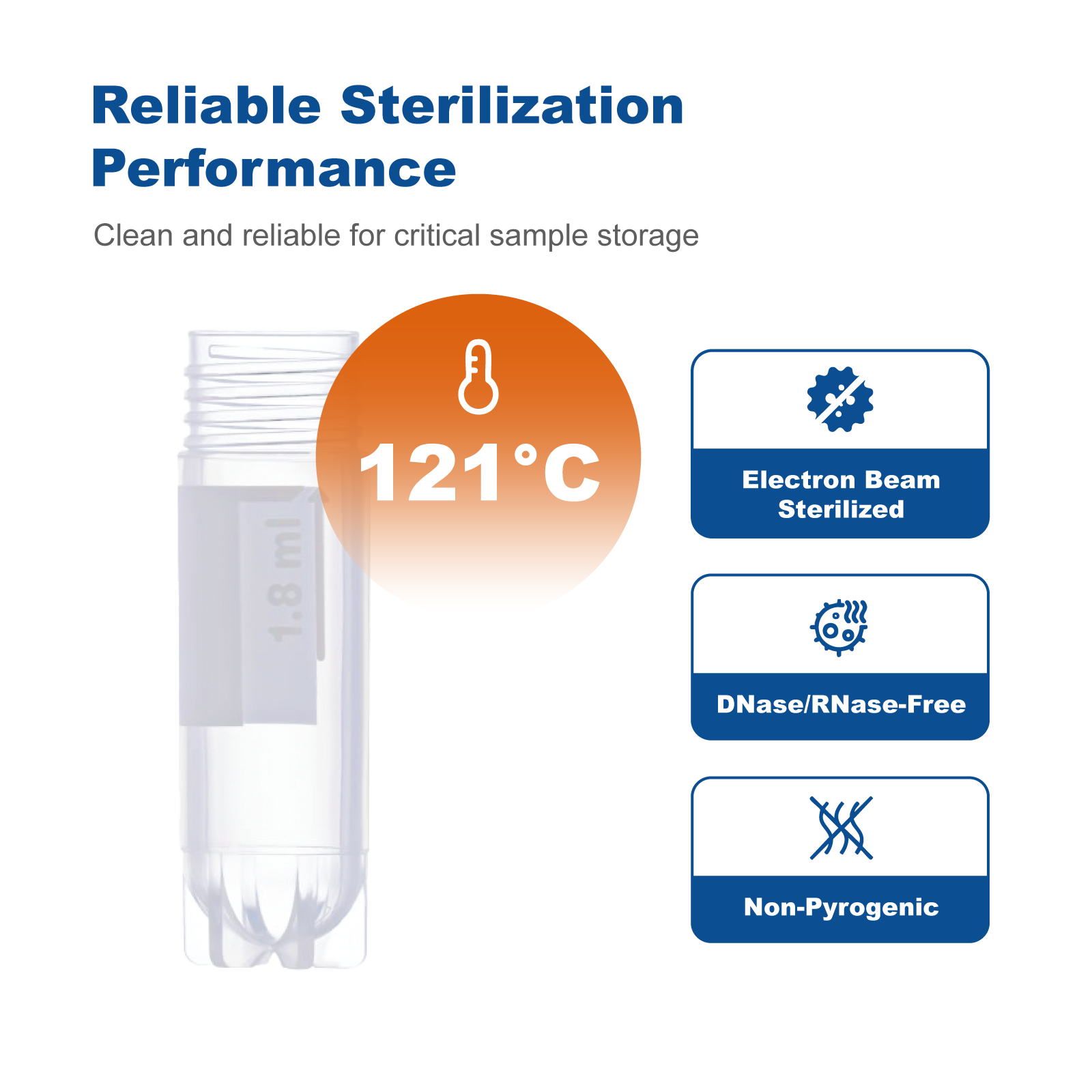
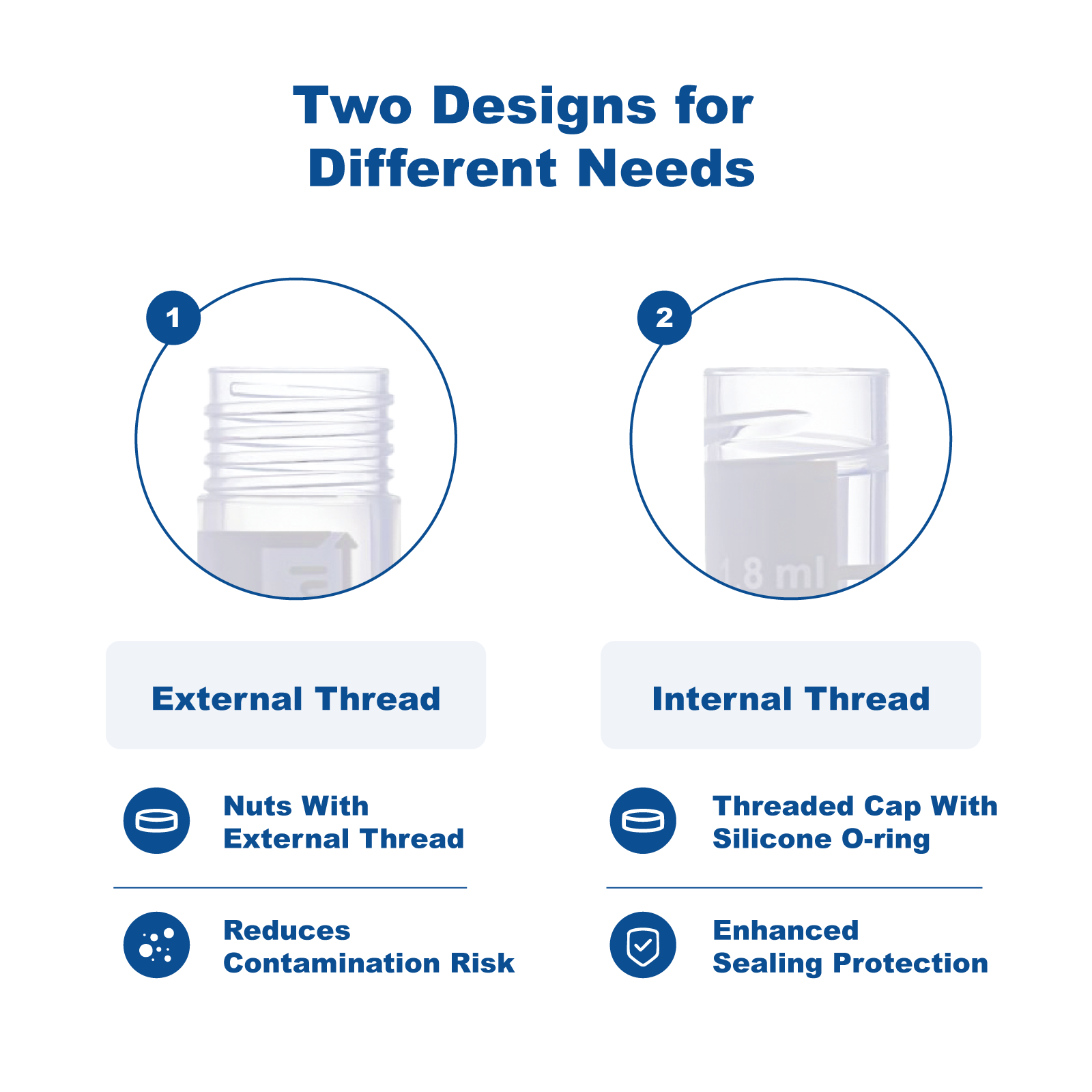
Observe the vial's stated working volume and allow the manufacturer-required expansion space. Check cap type, external dimensions, rack retention, labels and retrieval tools. Do not infer safe filling from nominal capacity alone, and do not try to release pressure by opening a cold suspect vial outside the approved safety procedure.
Keep Identity Through the Storage Chain
Assign a unique sample ID before transfer and record the container code, lot, storage location and temperature history where required. Plan a backup location and retrieval procedure. A larger tank does not correct an inventory system that cannot locate samples promptly.
- Ask for container, rack and tank details together.
- Confirm stationary storage separately from transport.
- Verify local ventilation and monitoring requirements.
- Validate the complete configuration before committing valuable samples.
Build Your LifeGloria Inquiry
- Sample type
- storage temperature and nitrogen phase
- working volume
- container and cap
- rack
- centrifugation need
- tank use
Frequently Asked Questions
Can ordinary conical tubes go into liquid nitrogen?
Do not do so unless the exact product is explicitly approved for the intended cryogenic condition.
Can every cryovial be centrifuged?
No. A low-temperature rating is not a centrifugation rating.
Does -196°C approval automatically mean liquid-phase immersion is allowed?
No. The allowed phase and use conditions must be stated separately.
What should I ask LifeGloria for?
Ask for exact temperature and phase ratings, closure information, working volume, any RCF rating, rack fit and the proposed storage equipment.
Recommended Next Step
Build a connected sample pathway with LifeGloria: processing tubes for the separation step, correctly rated storage containers for freezing, and a documented rack or tank arrangement. Request application matching before treating these products as substitutes.
Confirm the exact model, compatibility, certificates, operating limits and delivery terms before purchase. Use the manufacturer's instructions and your validated laboratory procedure.
