

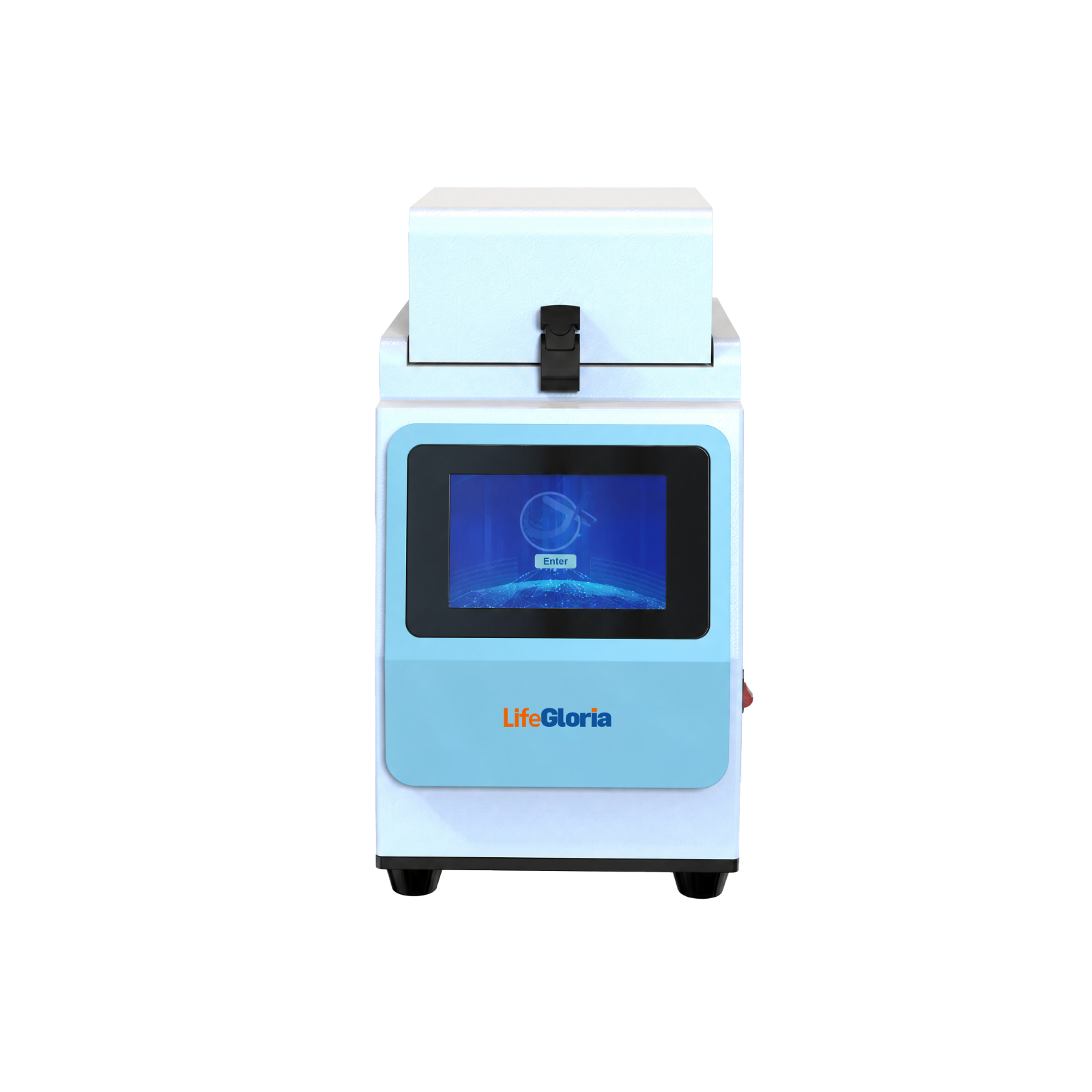
Sample homogenization is an important step in many biological research workflows. Researchers need suitable equipment to break down tissues and prepare samples for DNA, RNA, and protein extraction.
Two common options are rotor-stator tissue homogenizers and bead mill homogenizers. Although both support sample preparation, their working principles are different.
1. What Is a Tissue Homogenizer?
A tissue homogenizer uses mechanical movement to disrupt and disperse biological samples. A rotor-stator system creates shear forces that help break down tissue structures.
It is commonly used for tissue dispersion, cell disruption, and sample preparation.
2. What Is a Bead Mill Homogenizer?
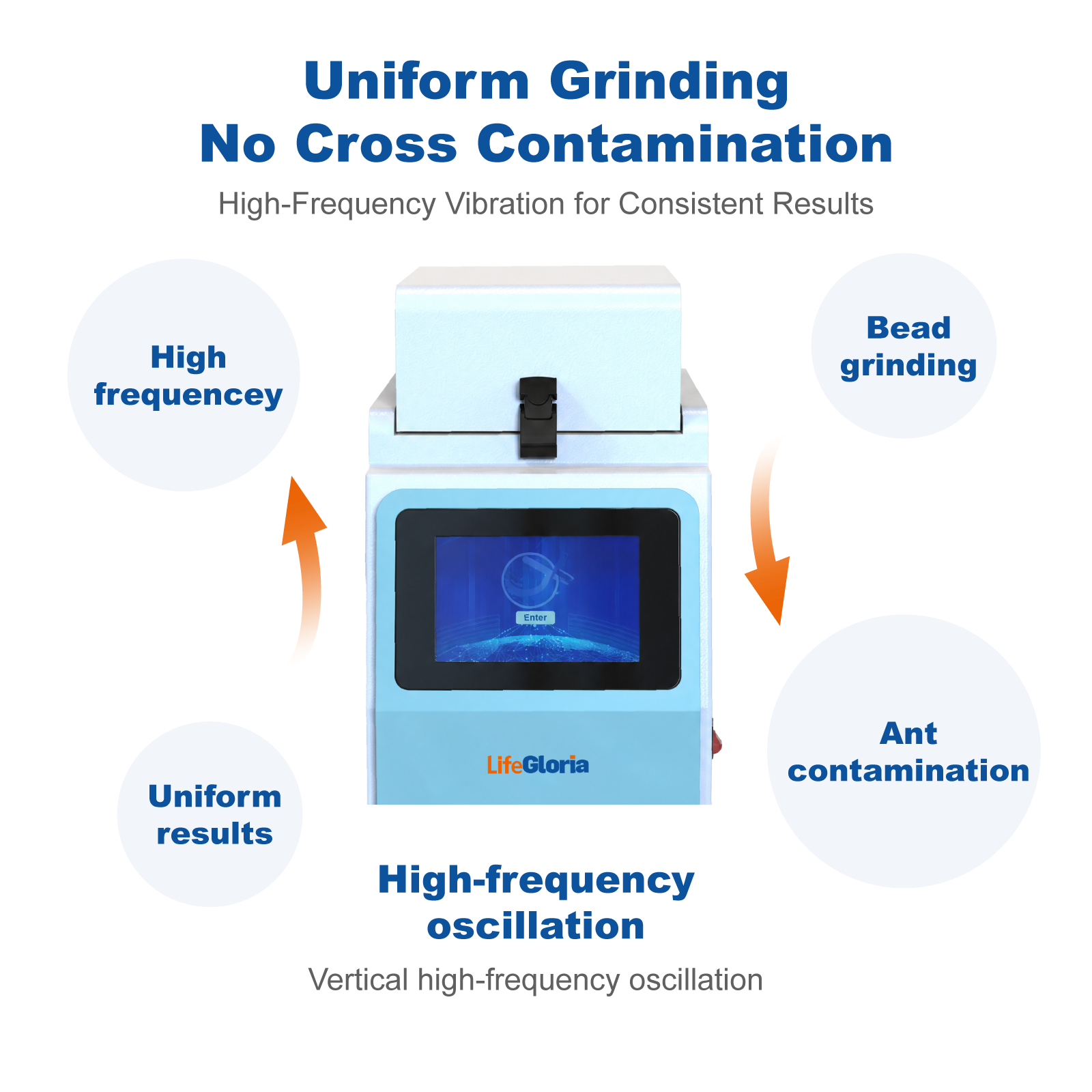
A bead mill homogenizer uses beads inside sample tubes. Rapid movement causes the beads to collide with the sample and help disrupt its structure.
This method is useful for processing multiple samples in a batch. It is often used in DNA, RNA, and protein extraction workflows.
3. Tissue Homogenizer vs Bead Mill: Key Differences
The main difference lies in their sample processing mechanisms.
- Rotor-stator homogenizer: Uses mechanical shear to process samples.
- Bead mill: Uses bead impact and movement to disrupt samples.
The appropriate method depends on sample type, processing volume, throughput, and extraction requirements.
4. How to Choose a Homogenizer for Your Laboratory
Before selecting a homogenizer, consider these factors:
- Sample type and hardness
- Number of samples per batch
- Required processing volume
- Speed and processing time
- Tube and accessory compatibility
- Cleaning and maintenance requirements
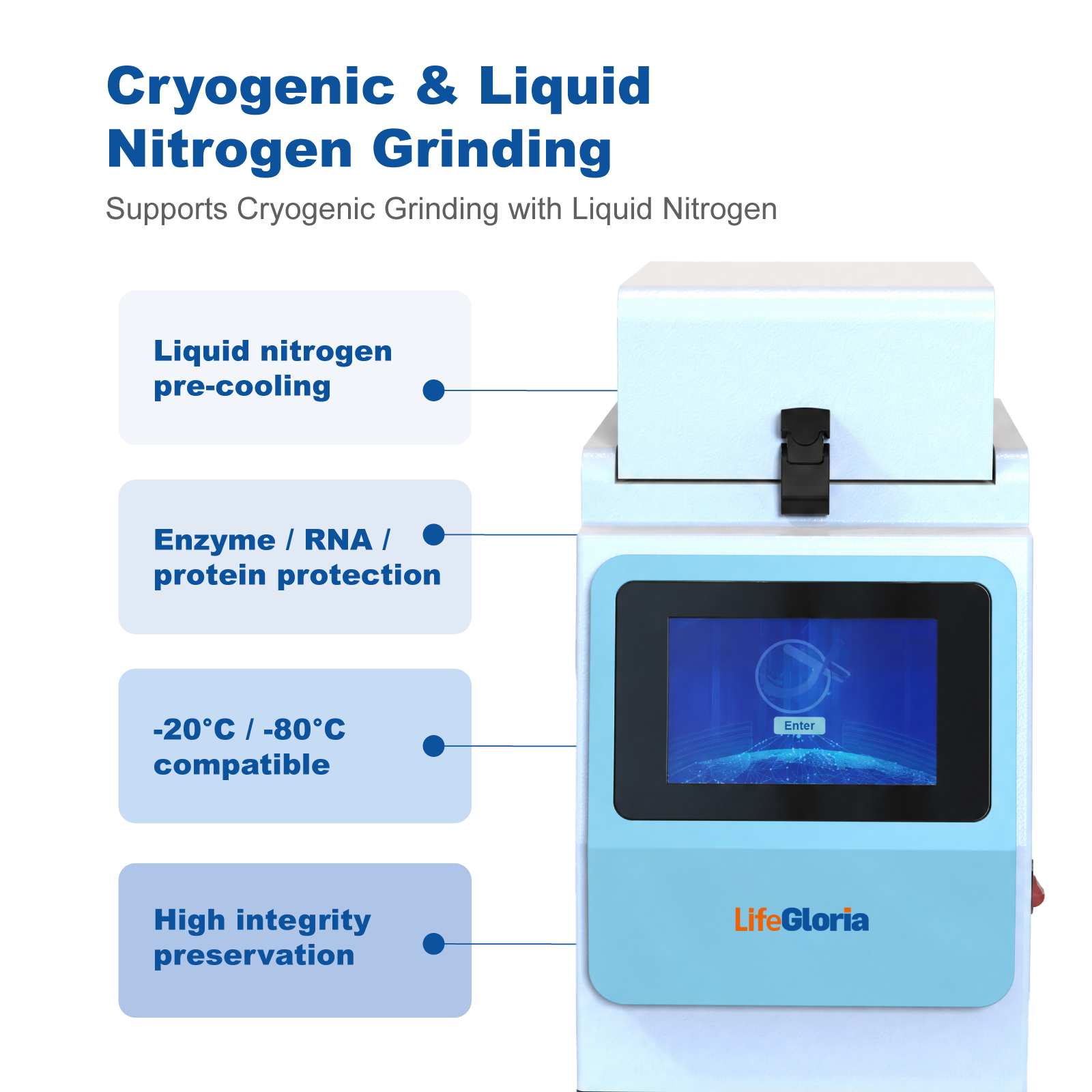
For sensitive molecular workflows, also consider how sample processing may affect the target molecules.
5. LifeGloria Homogenization Equipment
LifeGloria offers different homogenization solutions for laboratory sample preparation.
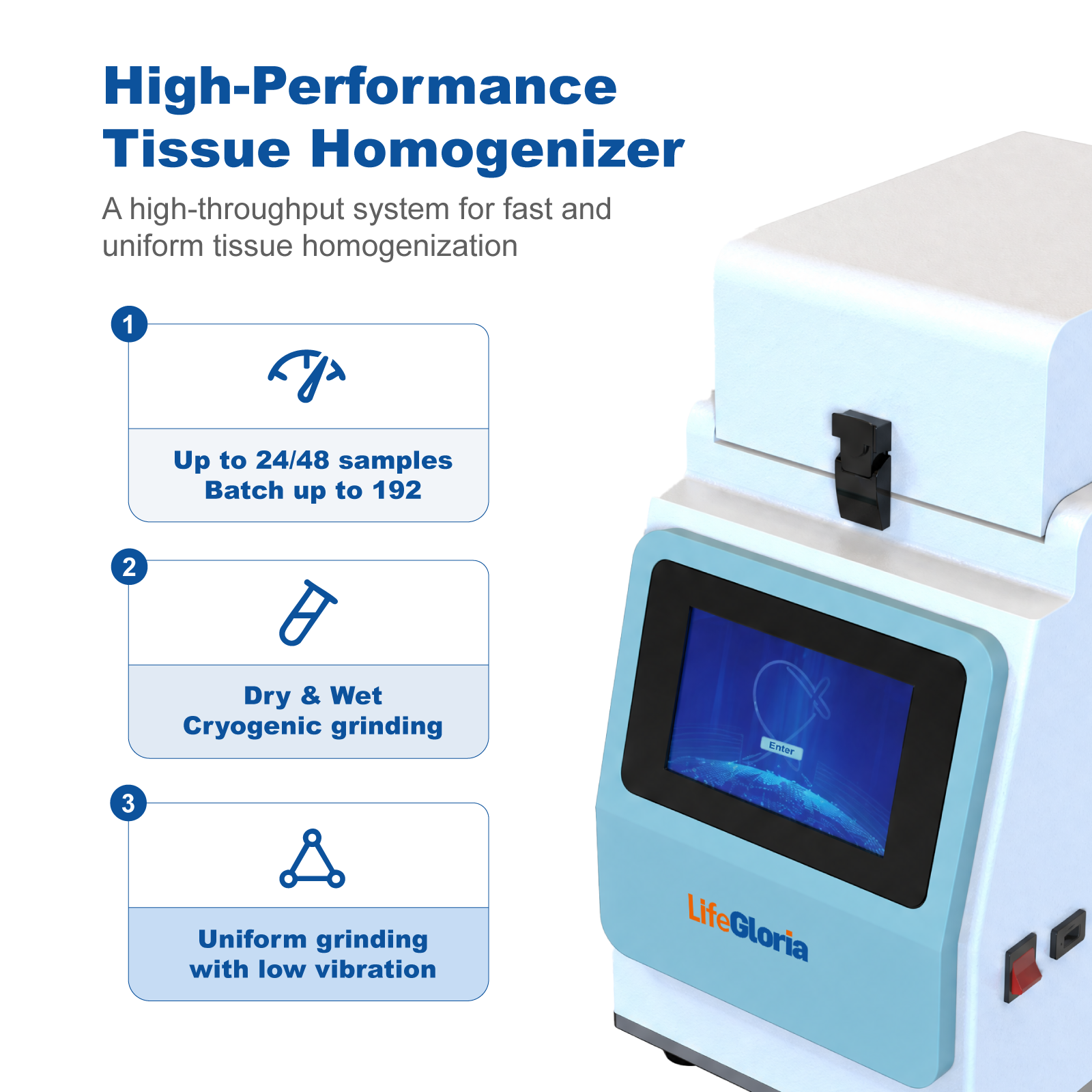
The Tiss-24/48 bead mill tissue homogenizer supports batch processing for DNA, RNA, and protein extraction workflows.
The OH301 handheld homogenizer uses a rotor-stator design and supports speeds from 8,000 to 30,000 RPM. Its processing range and compatible accessories should be checked against the intended sample volume.
Conclusion: Select Equipment Based on Your Sample Workflow
A tissue homogenizer and a bead mill serve different sample preparation needs. Neither is universally better for every application.
Consider sample properties, batch size, processing requirements, and downstream analysis before making a decision.
Contact LifeGloria for product specifications and equipment recommendations.
Website: www.lifegloria.com
Email: contact@lifegloria.com
