

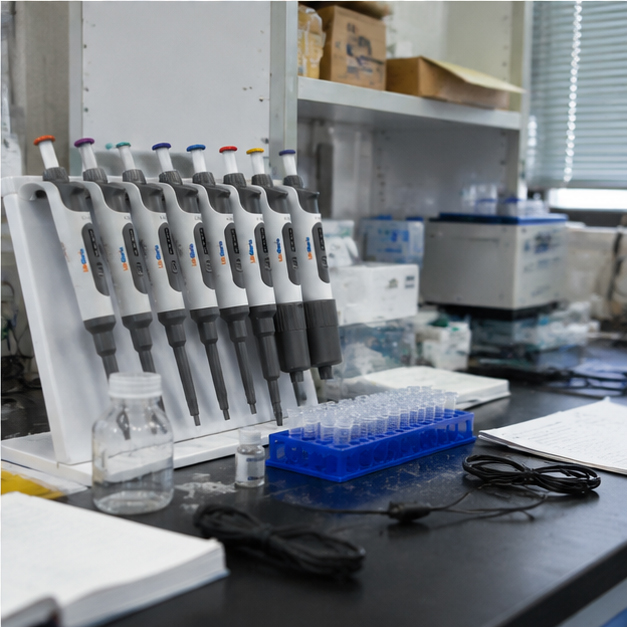
Micropipettes are among the most frequently used instruments in modern laboratories. From molecular biology and cell culture to PCR preparation and pharmaceutical research, accurate liquid handling is essential for reliable experimental results.
However, even high-quality pipettes can lose accuracy over time due to frequent use, improper handling, temperature changes, or worn internal components.
This is why micropipette calibration plays an important role in maintaining laboratory accuracy and ensuring compliance with international standards.
In this guide, we will explain:
- What micropipette calibration means
- Why pipette calibration is important
- How often pipettes should be calibrated
- How to calibrate a pipette step by step
- Factors affecting pipette accuracy
- How to choose a calibration-friendly micropipette
What Is Micropipette Calibration?
Micropipette calibration is the process of testing and adjusting a pipette to ensure that the actual liquid volume delivered matches the selected volume setting.
For example, when a researcher sets a micropipette to deliver 100 μL, the calibration process verifies whether the pipette actually dispenses 100 μL within an acceptable accuracy range.
During calibration, laboratories typically evaluate two important parameters:
1. Accuracy
Accuracy refers to how close the delivered volume is to the target volume.
For example:
A pipette set to 100 μL delivers:
- 99.8 μL
- 100.1 μL
- 100.3 μL
The closer these values are to 100 μL, the higher the accuracy.
2. Precision
Precision refers to how consistently the pipette delivers the same volume repeatedly.
A pipette may deliver:
- 99.9 μL
- 100.0 μL
- 100.1 μL
This indicates excellent precision.
Both accuracy and precision are essential for reliable laboratory experiments.
Why Is Pipette Calibration Important?
Many laboratory procedures depend on precise liquid volumes. Small volume errors can affect experimental results, especially in applications involving sensitive samples.
1. Improve Experimental Reliability
Incorrect pipetting can cause:
- inaccurate reagent concentrations
- inconsistent sample preparation
- failed PCR reactions
- unreliable biological assays
Regular pipette calibration helps researchers maintain consistent results.
2. Reduce Experimental Errors
In applications such as:
- DNA amplification
- ELISA testing
- cell culture preparation
- pharmaceutical research
even small volume deviations may influence final results.
A calibrated micropipette reduces the risk of human and equipment-related errors.
3. Meet Laboratory Quality Requirements
Many professional laboratories follow quality management systems that require regular instrument verification.
Calibration according to standards such as ISO 8655 helps laboratories maintain:
- measurement traceability
- quality control
- documentation compliance
How Often Should a Pipette Be Calibrated?
The calibration frequency depends on how frequently the pipette is used and the requirements of the laboratory.
Common recommendations include:
High-Frequency Use
For pipettes used every day in research laboratories:
Calibration every 3–6 months is recommended.
Examples:
- molecular biology laboratories
- clinical laboratories
- pharmaceutical laboratories
Normal Laboratory Use
For general laboratory applications:
Calibration every 6–12 months is commonly acceptable.
After Special Events
A pipette should also be calibrated after:
- dropping or physical impact
- replacement of internal parts
- exposure to corrosive chemicals
- abnormal volume performance
Step-by-Step Pipette Calibration Process
Professional calibration is usually performed using a precision balance and distilled water under controlled conditions.
The general process includes the following steps:
Step 1: Prepare Calibration Equipment
Required equipment:
- analytical balance
- distilled water
- calibration vessel
- thermometer
- humidity and temperature monitoring equipment
Environmental conditions should be controlled because temperature affects liquid volume.
Step 2: Inspect the Pipette
Before calibration, check:
- external damage
- piston movement
- tip attachment
- leakage problems
- cleanliness
A damaged pipette should be serviced before calibration.
Step 3: Select Test Volume
Calibration is usually performed at different volume points:
- maximum volume
- middle volume
- minimum volume
For example:
A 100–1000 μL pipette may be tested at:
- 1000 μL
- 500 μL
- 100 μL
Step 4: Perform Weight Testing
The pipette dispenses distilled water into a container placed on a precision balance.
The measured weight is converted into liquid volume.
Multiple measurements are usually performed to calculate:
- average volume
- systematic error
- random error
Step 5: Adjust Calibration Settings
If the pipette does not meet accuracy requirements, adjustment may be required.
Many modern adjustable micropipettes include calibration adjustment functions, allowing technicians to fine-tune performance.
Step 6: Record Calibration Results
A calibration report normally includes:
- pipette model
- serial number
- tested volumes
- accuracy results
- precision results
- calibration date
Common Factors Affecting Pipette Accuracy
Even a calibrated pipette can produce inaccurate results if used incorrectly.
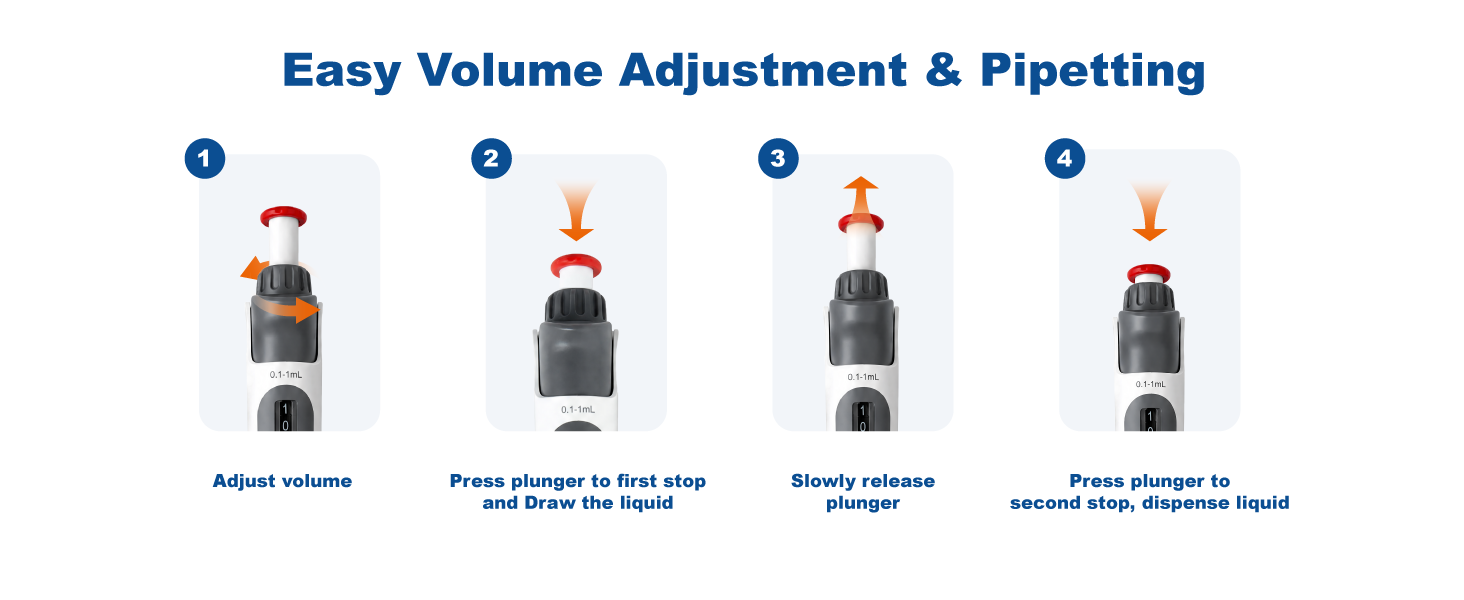
1. Incorrect Pipetting Technique
Common mistakes include:
- pressing the plunger too quickly
- incorrect immersion depth
- inconsistent aspiration speed
- holding the pipette at an incorrect angle
2. Using the Wrong Pipette Tips
Poor-quality or incompatible tips may cause:
- leakage
- inaccurate aspiration
- inconsistent dispensing
Always choose compatible pipette tips designed for your pipette model.
3. Temperature Differences
Liquid temperature affects volume measurements.
For accurate results:
- allow liquids and pipettes to reach room temperature
- avoid excessive temperature differences
4. Damaged Internal Components
Wear of:
- seals
- O-rings
- pistons
may affect pipette performance.
Regular maintenance helps extend service life.
How to Choose a Calibration-Friendly Micropipette
When purchasing a micropipette, laboratories should consider more than just price.
Important features include:
ISO 8655 Compliance
Choose pipettes tested according to recognized standards to ensure reliable performance.
Easy Calibration Adjustment
A calibration-friendly pipette should allow:
- simple adjustment
- easy verification
- convenient maintenance
Autoclavable Design
For molecular biology and microbiology laboratories, autoclavable components improve contamination control.
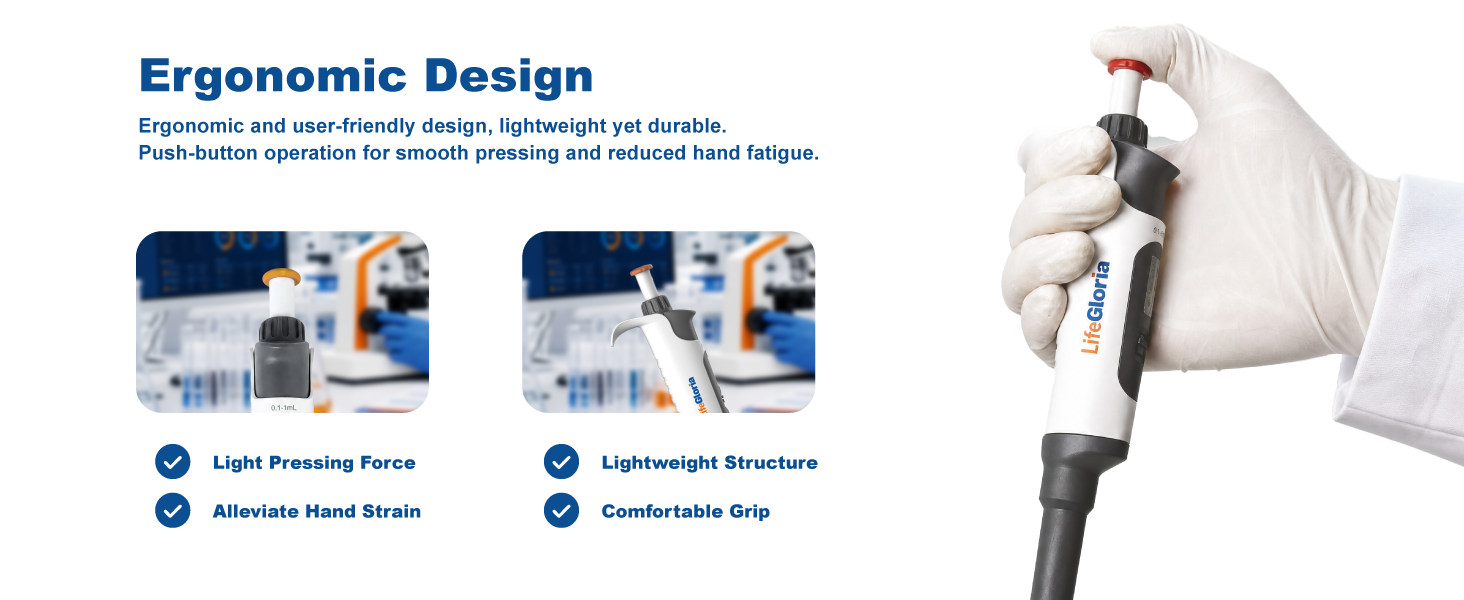
Ergonomic Operation
A comfortable design reduces operator fatigue during repetitive pipetting tasks.

LifeGloria Adjustable Micropipette for Reliable Laboratory Liquid Handling
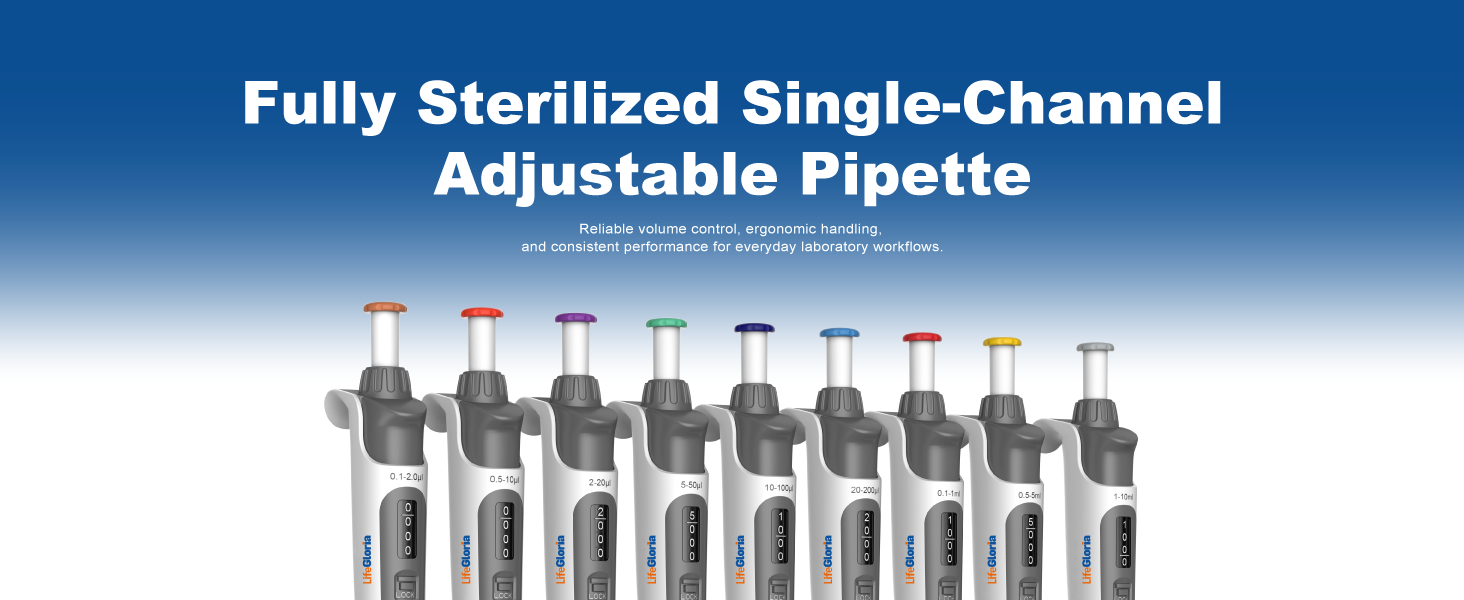
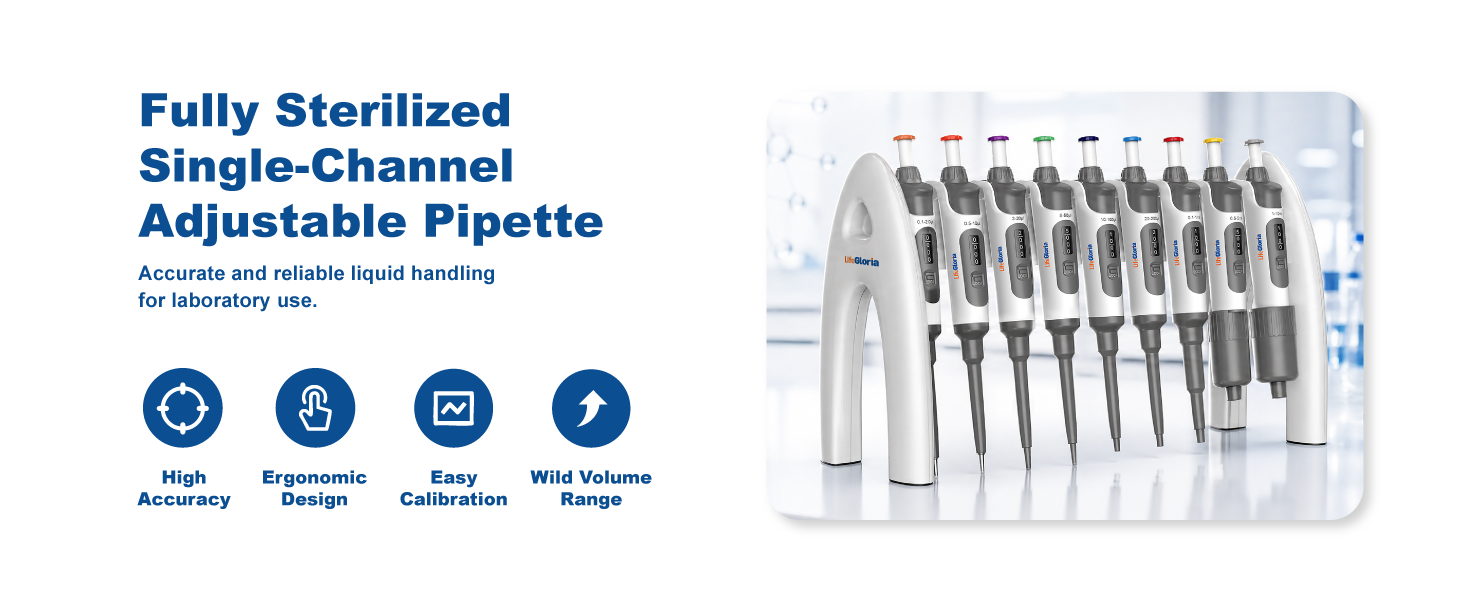
LifeGloria adjustable micropipettes are designed for accurate and reliable liquid handling in research, healthcare, biotechnology, and laboratory applications.
Key features include:
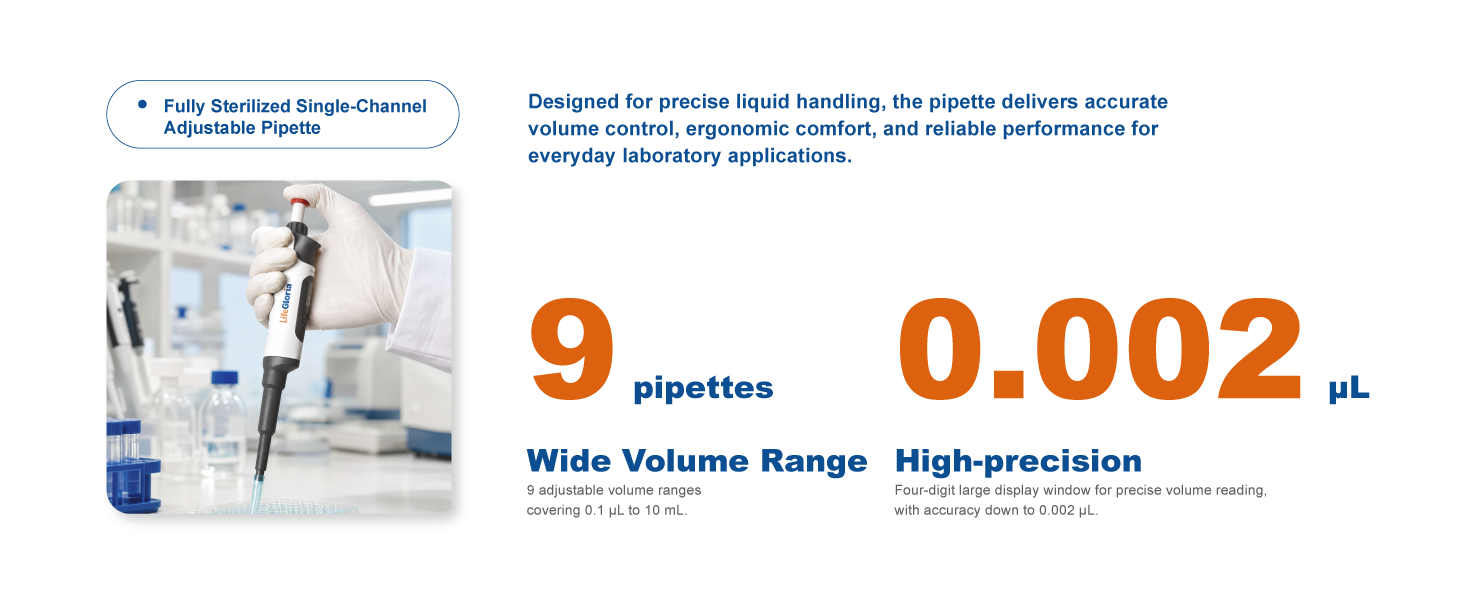
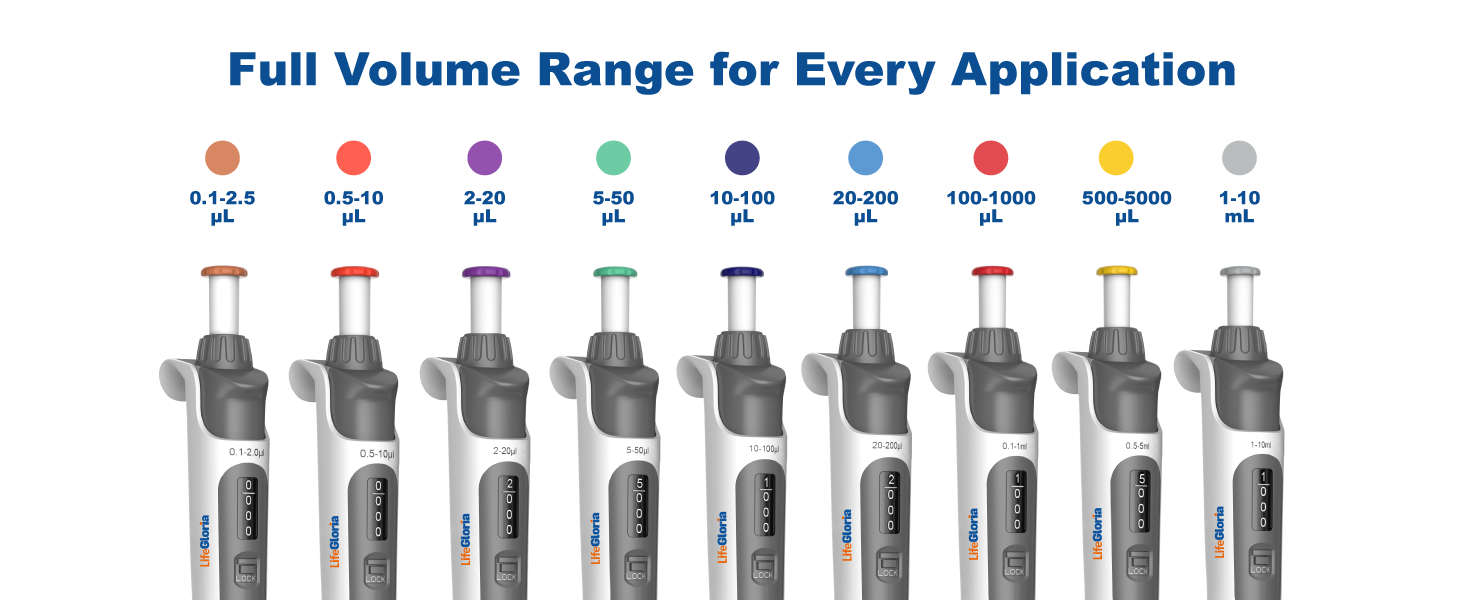
- Adjustable volume range from 0.1 μL to 10 mL
- High accuracy and repeatability
- ISO 8655 calibration compliance
- Ergonomic lightweight design
- Autoclavable lower portion options
- Suitable for molecular biology, PCR, cell culture, and routine laboratory work
For laboratories looking for dependable pipetting performance, choosing a calibration-friendly micropipette can improve workflow efficiency and experimental reliability.
Explore LifeGloria laboratory pipettes and discover accurate liquid handling solutions for your research needs.
