

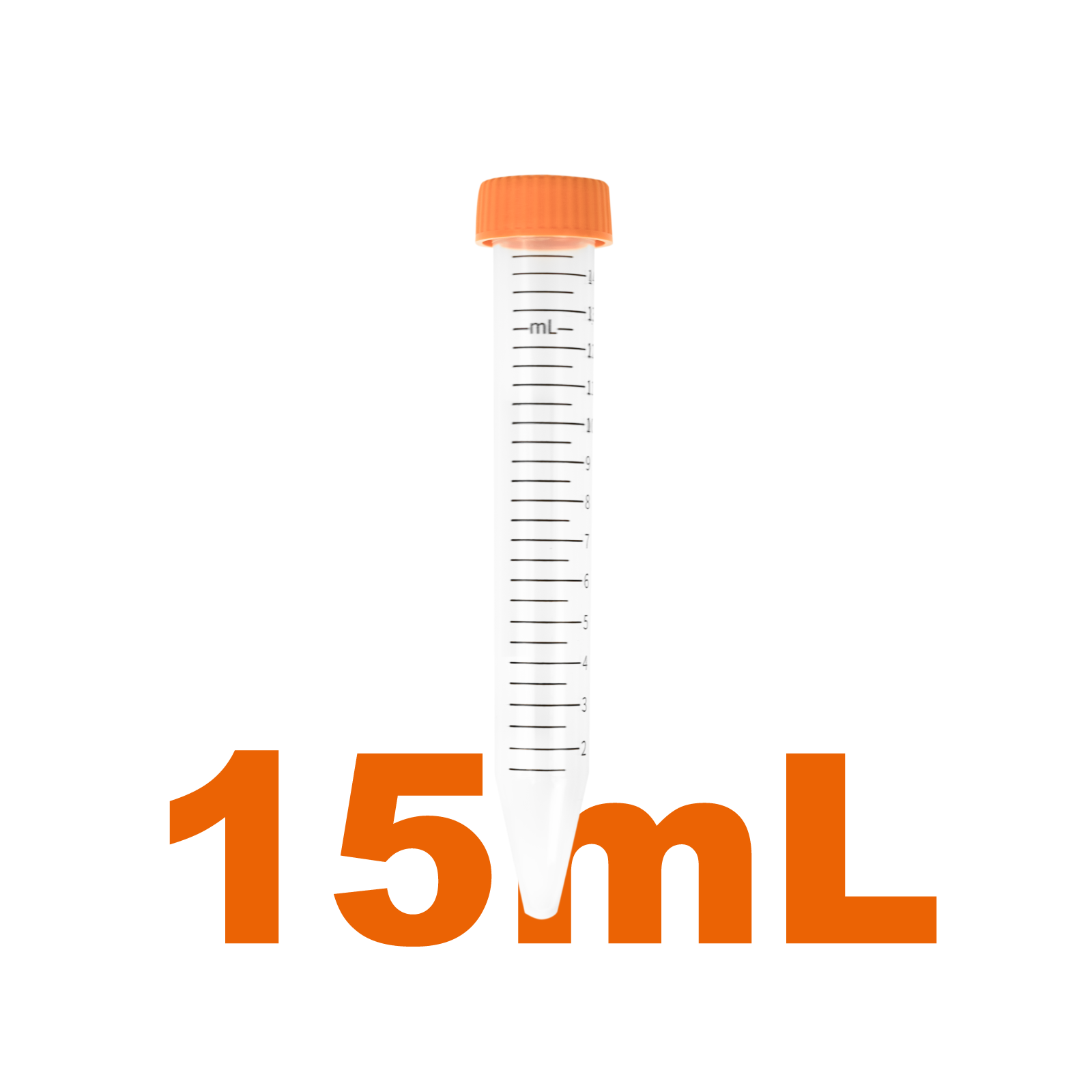
Fifteen-milliliter and fifty-milliliter conical centrifuge tubes are routine laboratory consumables, but they are not interchangeable in every workflow. Tube size changes working volume, rotor or adapter requirements, pellet geometry, storage space, and case consumption.
Choose the smallest validated tube that safely holds the sample and required headspace while remaining compatible with the rotor, cap, RCF, temperature, and chemical conditions.
Quick Answer
Choose 15 mL tubes for smaller samples, compact storage, and easier handling of smaller pellets. Choose 50 mL tubes for larger washes, culture processing, media preparation, and batch handling. Always verify the tube rating and rotor or adapter compatibility.
Quote 15 mL and 50 mL tubes by actual consumption
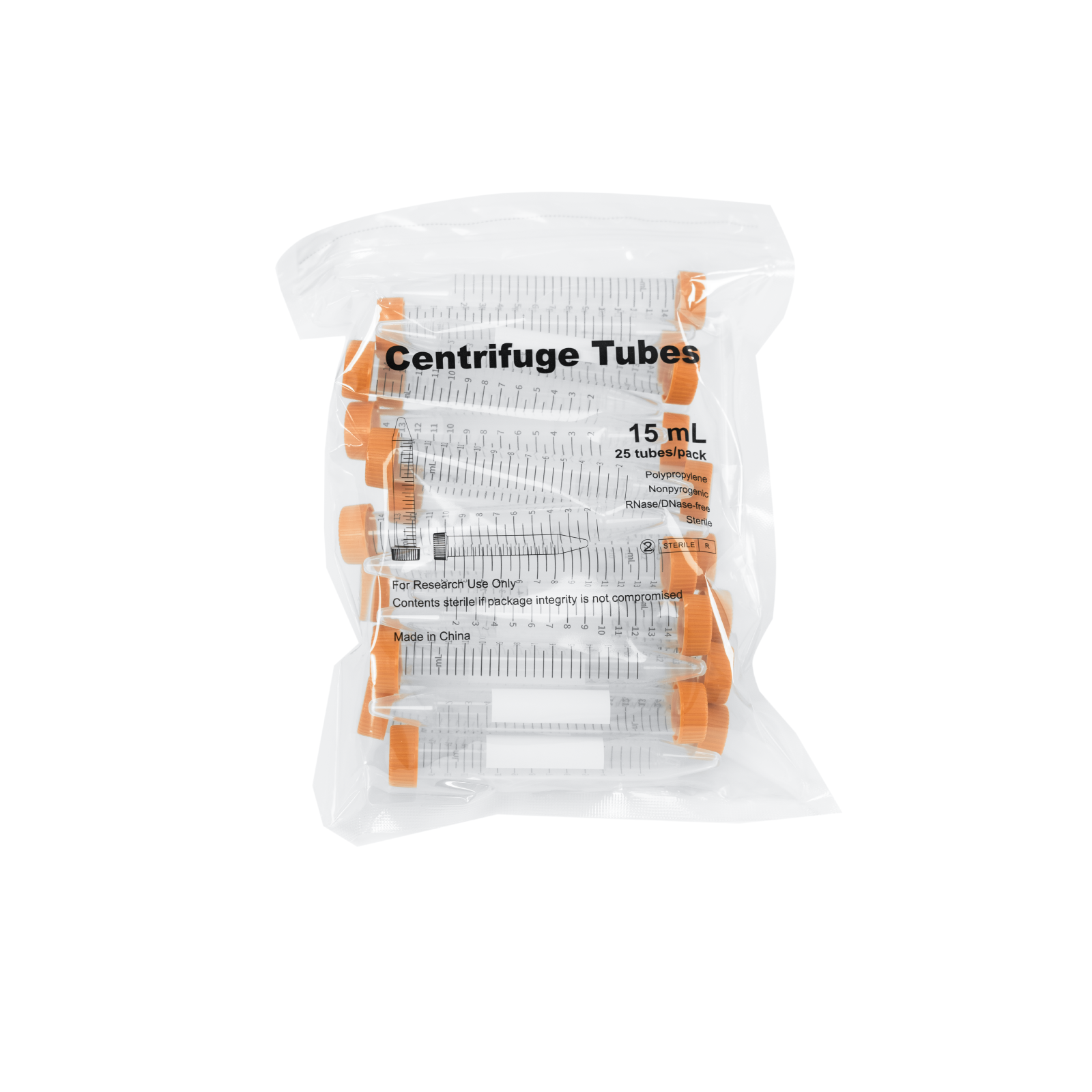
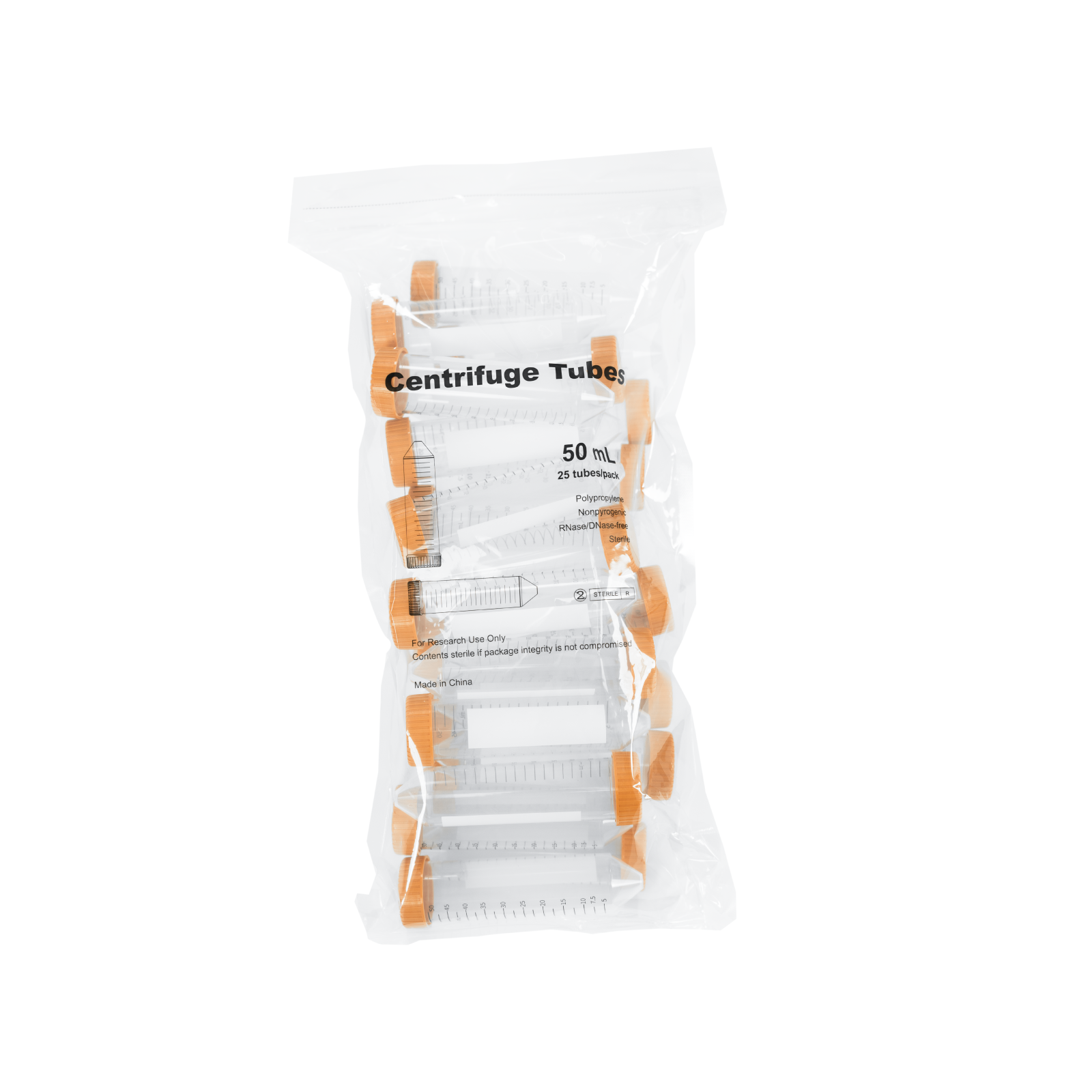
LifeGloria sterile PP conical tubes are available in 15 mL and 50 mL formats. Send the size mix, monthly quantity, RCF, temperature, sterility, certificate, packaging, and destination for a tailored quotation.
15 mL and 50 mL Tubes Compared
| Factor | 15 mL conical tube | 50 mL conical tube |
|---|---|---|
| Typical sample scale | Small to medium aliquots | Medium to larger batch volumes |
| Rotor requirement | 15 mL position or matching adapter | 50 mL position or matching adapter |
| Pellet handling | Smaller geometry can aid small pellets | Suitable for larger cell or precipitate loads |
| Storage | More compact | Requires more rack and freezer space |
| Common use | Sample prep, small washes, aliquots | Cell culture, larger washes, media and reagent handling |
Choose 15 mL Tubes When
A 15 mL tube is useful when the sample volume is moderate and the workflow benefits from a smaller cone, smaller rack footprint, and lower plastic volume per container.
- Small cell pellets or precipitates
- Aliquoting and short-term storage
- Routine sample preparation
- Rotor positions are designed for 15 mL tubes
- The required headspace remains available
Choose 50 mL Tubes When
A 50 mL tube is better for larger culture washes, buffer preparation, phase separation, or collecting multiple aliquots. Do not fill to nominal capacity without checking the validated fill and centrifugation conditions.
- Processing larger cell-culture volumes
- Repeated washing and resuspension
- Preparing or storing larger reagent volumes
- Rotor or bucket is designed for 50 mL tubes
- Packaging and storage space support higher tube volume
LifeGloria Conical Tube Specifications
The current LifeGloria product page lists sterile PP tubes in 15 mL and 50 mL formats with printed graduations, screw caps, conical bottoms, DNase/RNase-free positioning, a stated temperature range of -80°C to 120°C, and up to 12,000 × g under the conditions validated for the selected SKU.
- Confirm the exact SKU and certificate before purchase
- Do not exceed the tube, cap, rotor, bucket, or adapter limit
- Use the lowest applicable rating in the complete system
- Validate freezing, heating, and centrifugation as separate conditions
Buying Checklist
- Actual sample and headspace volume
- 15 mL or 50 mL rotor position
- Maximum required RCF
- Temperature range
- Sample chemical compatibility
- Sterile and DNase/RNase requirements
- Cap and leak resistance
- Pack size, case quantity, and storage space
Frequently Asked Questions
Can I spin a 15 mL tube in a 50 mL holder?
Only with an adapter approved for the rotor and tube. An improvised fit can be unsafe.
Is a 50 mL tube better because it holds more?
Not always. A larger tube uses more space and may be less convenient for small pellets or low sample volumes.
Can nominal volume be treated as the centrifugation fill limit?
No. Follow the tube and centrifuge instructions for fill volume, headspace, RCF, temperature, and cap conditions.
What information is needed for a tube quotation?
Provide size, quantity, sterility, certificates, RCF, temperature, packaging, application, and destination.
Final Recommendation
Use 15 mL tubes for compact, smaller-volume workflows and 50 mL tubes for larger processing steps. Quote both sizes when the laboratory uses mixed workflows, and validate each tube with the intended rotor and method.
Related LifeGloria Products
Confirm product compatibility, selected SKU specifications, certificates, packaging, freight, storage conditions, local regulations, and application requirements before purchase.
