

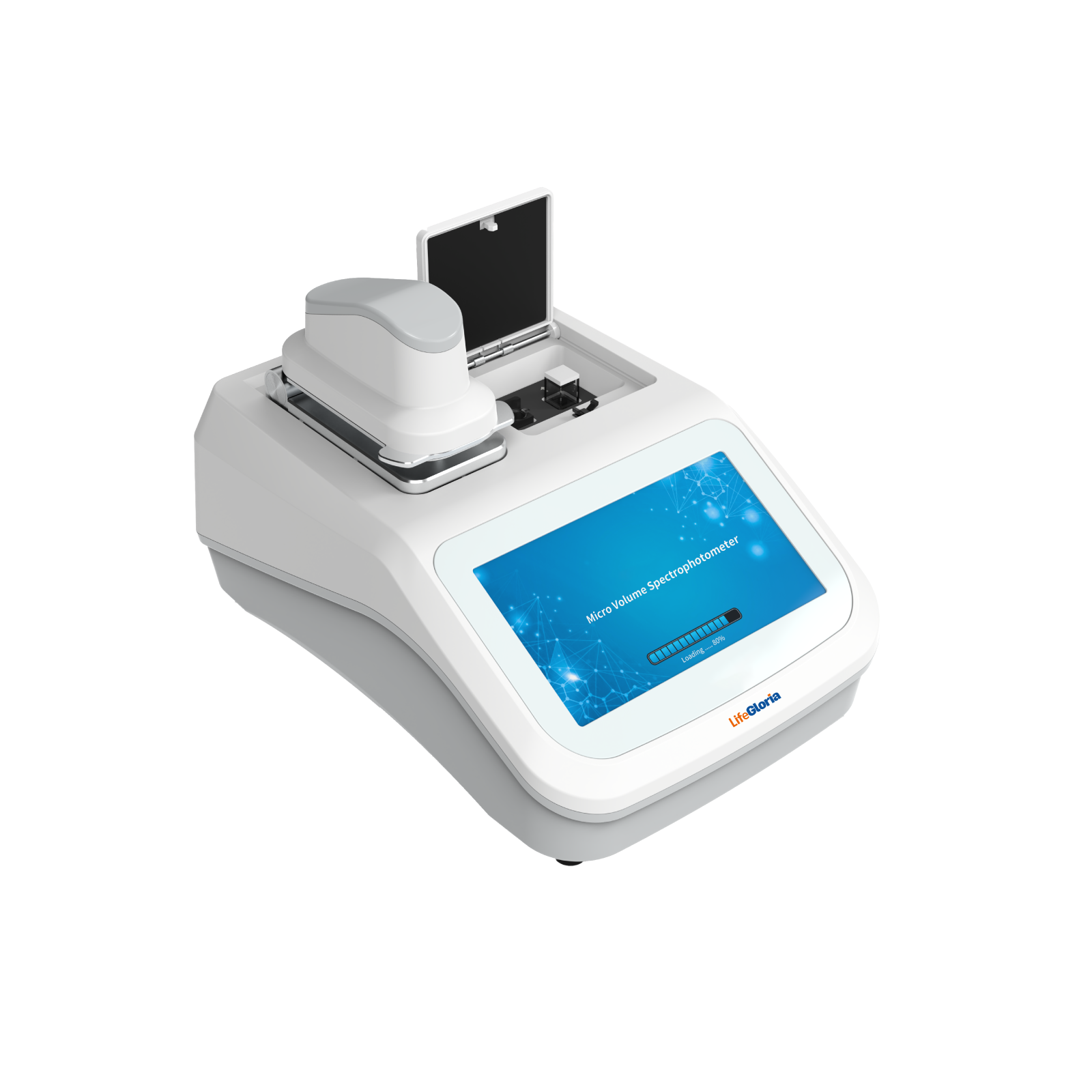
A micro-volume UV-Vis spectrophotometer measures absorbance from a very small sample placed on a pedestal or in a compatible holder. It can speed DNA, RNA, protein, and OD600 workflows, but headline wavelength range alone does not determine suitability.
Compare sample volume, pathlength control, detection and concentration range, absorbance accuracy, repeatability, contamination cleaning, data export, software, and optional fluorescence capability.
Quick Answer
For routine nucleic-acid and protein work, choose a system that covers the required wavelengths, uses the available sample volume, supports the expected concentration range without unnecessary dilution, and provides reliable blanking, cleaning, data export, and method documentation.
Send your measurement workflow for model confirmation
Provide sample type, concentration range, minimum volume, required absorbance or fluorescence methods, throughput, data output, certificates, destination, and quantity. LifeGloria can confirm the suitable configuration and quotation.
Key Specifications to Compare
| Specification | Why it matters | LifeGloria current product |
|---|---|---|
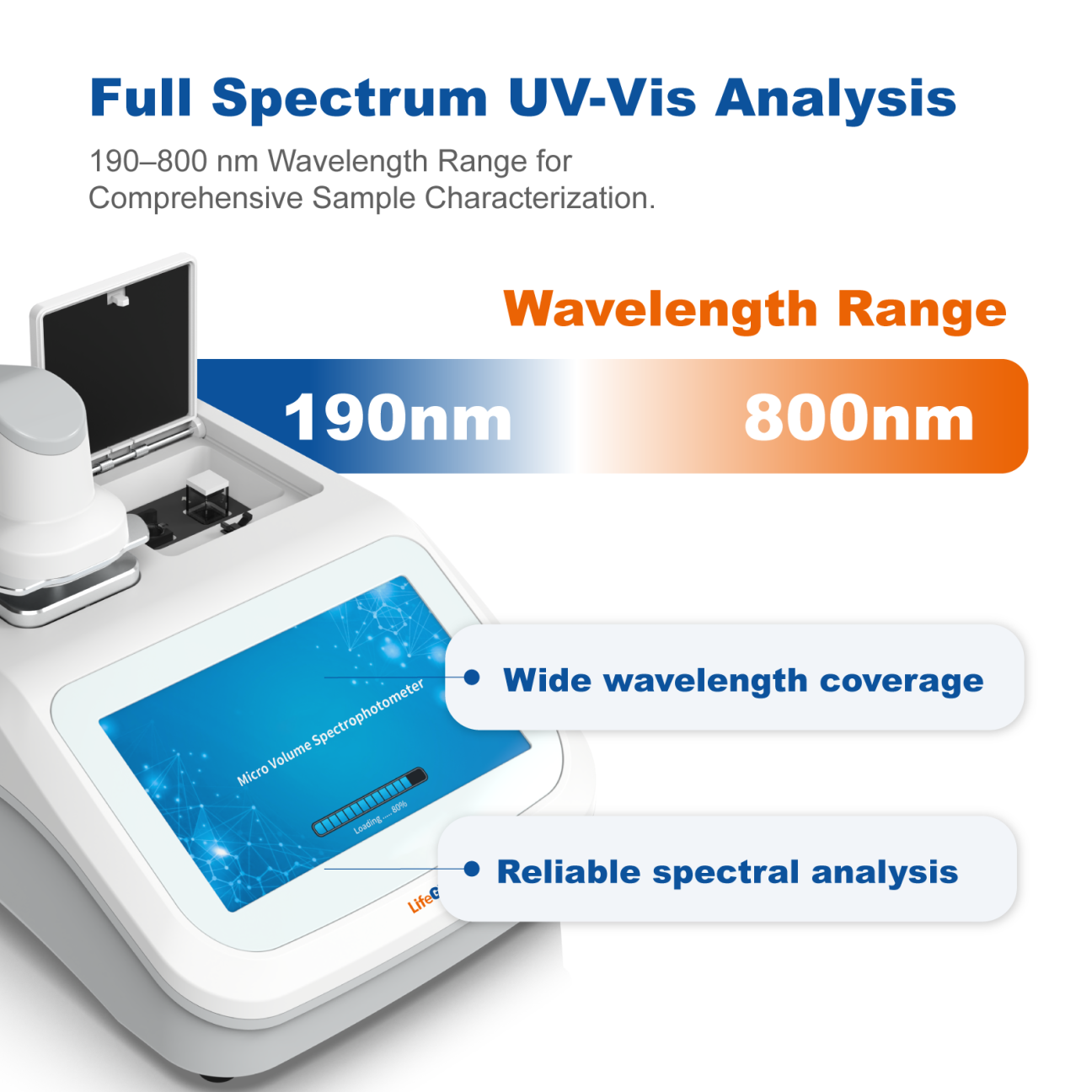
| Wavelength range | Must cover the required assays | 190-800 nm |
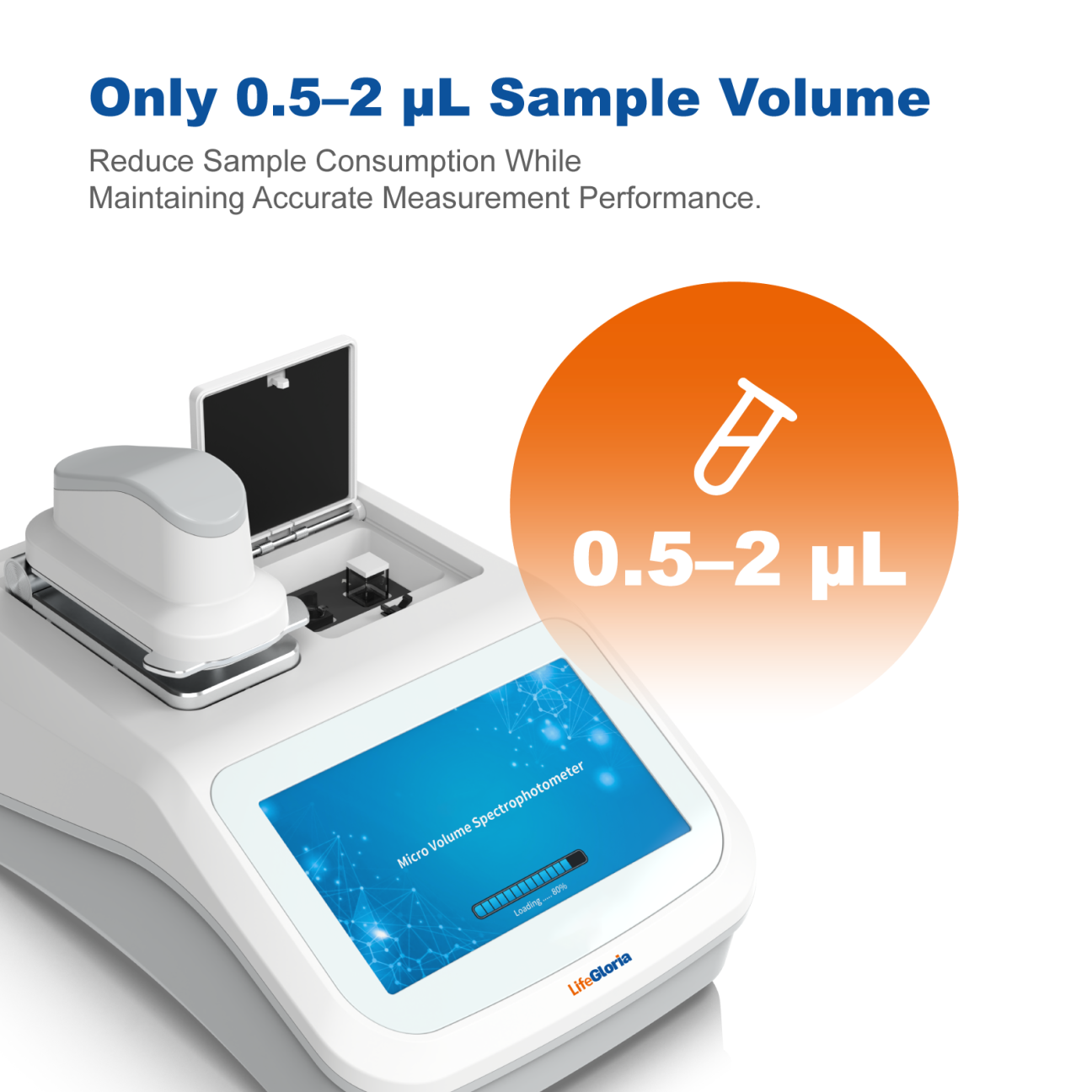
| Sample volume | Determines sample consumption | 0.5-2 µL |
| Automatic pathlength | Extends concentration coverage | 0.05, 0.2, and 1 mm |
| Detection range | Must match expected DNA/protein concentration | dsDNA 2-15,000 ng/µL; BSA 0.06-440 mg/mL |
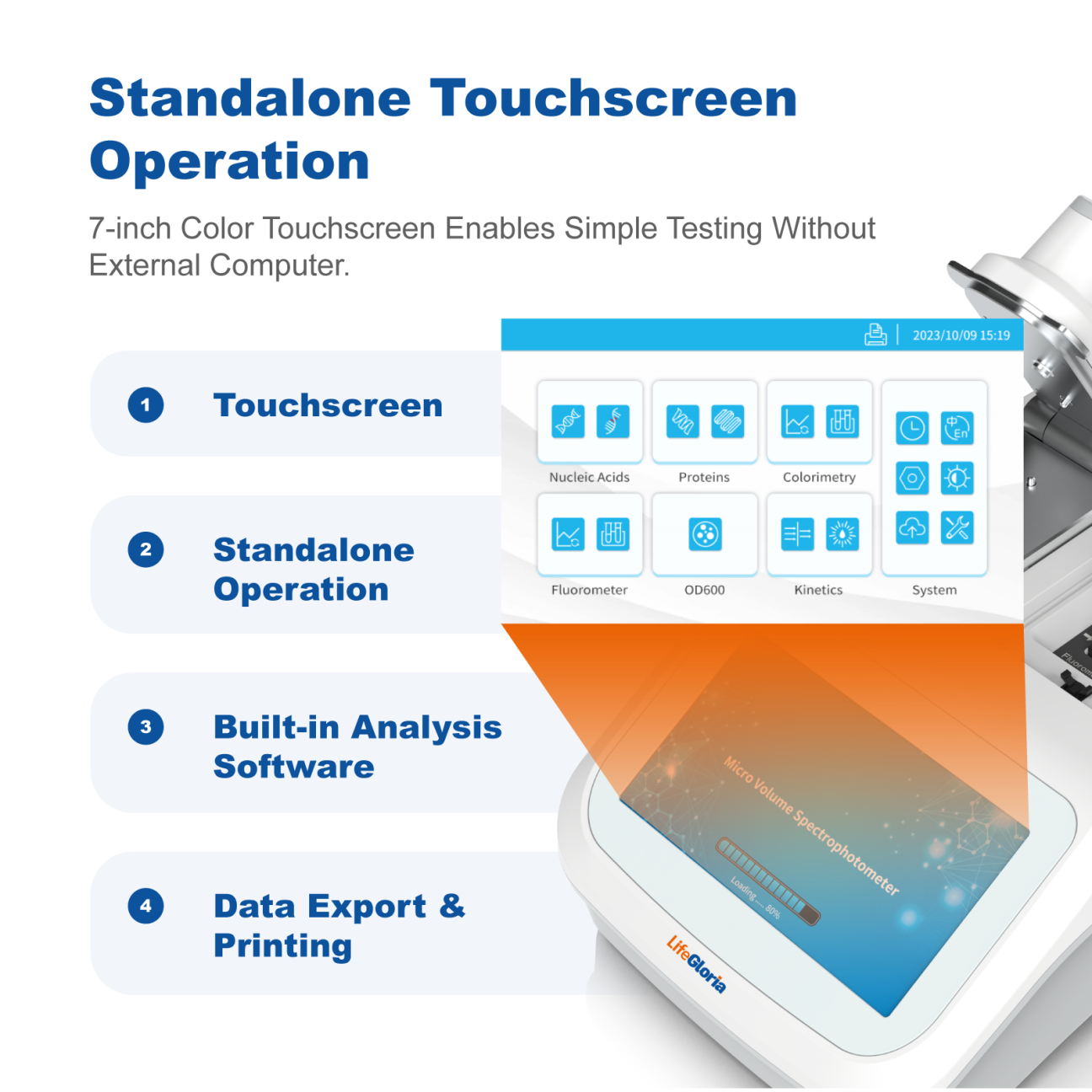
| Operation | Affects workflow and data handling | 7-inch touchscreen, Android OS, USB, built-in printer |
Start with the Sample and Method
List the sample type, expected concentration, available volume, purity ratios or wavelengths, blank solution, and required endpoint. A broad instrument specification is useful only when it covers the method that the laboratory actually runs.
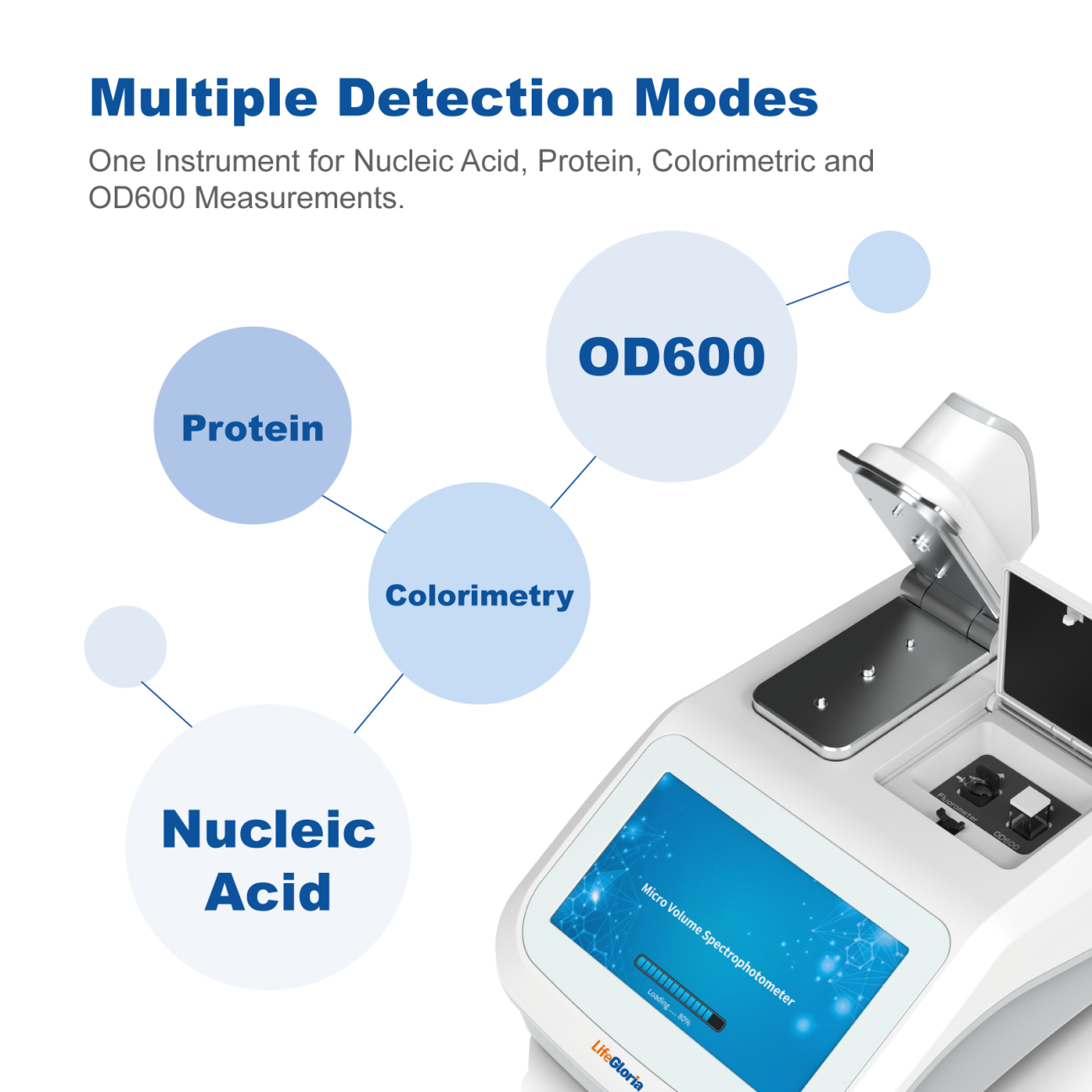
- DNA and RNA concentration and purity
- Protein absorbance or colorimetric assays
- OD600 measurements
- Low-abundance fluorescence assays
- Research, teaching, or routine quality-control throughput
Check Accuracy, Precision, and Concentration Coverage
The current LifeGloria page states ±1 nm wavelength accuracy, ≤3 nm spectral resolution, 0.04-300 A absorbance range, 1% absorbance accuracy at the specified test point, and 0.003 Abs precision. Confirm how these specifications relate to your validation plan.
- Use standards and controls that represent routine samples
- Check repeatability across multiple deposits
- Evaluate cleaning carryover between high and low samples
- Confirm whether dilution is still required at the method limits
Decide Whether Fluorescence Is Needed
The SPT-NanoF configuration includes a fluorometer option for low-abundance assays, while a UV-Vis-only configuration may be sufficient for routine absorbance measurements. Select fluorescence only when the laboratory has compatible reagents and a validated use case.
- Confirm excitation and emission ranges
- Check supported tube and adapter
- Include reagent and calibration cost
- Separate fluorescence sensitivity from UV-Vis concentration range
Buying Checklist
- Sample type and assay
- Expected concentration range
- Minimum available volume
- Required wavelengths and pathlength
- Absorbance accuracy and repeatability
- Fluorometer requirement
- Blanking and cleaning procedure
- Data export, printing, and user management
- Installation, warranty, and training
Frequently Asked Questions
How much sample does the LifeGloria micro-volume system require?
The current product page specifies 0.5-2 µL per measurement, depending on the method and selected pathlength.
Can it measure OD600?
The listed system includes an OD600 holder and a stated OD600 range of 0-4 A. Confirm the selected configuration before ordering.
Do all laboratories need the fluorometer option?
No. It is useful for compatible low-abundance fluorescence assays; routine UV-Vis work may not require it.
Can samples always be measured without dilution?
No. The concentration range is broad, but samples outside the validated range or affected by matrix interference may still require preparation or dilution.
Final Recommendation
Choose the spectrophotometer from the sample and validation plan, not only the maximum range. Send LifeGloria representative sample types and required methods so the UV-Vis or UV-Vis plus fluorometer configuration can be confirmed before quotation.
Related LifeGloria Products
Confirm product compatibility, selected SKU specifications, certificates, packaging, freight, storage conditions, local regulations, and application requirements before purchase.
