

Why Liquid Nitrogen Evaporates
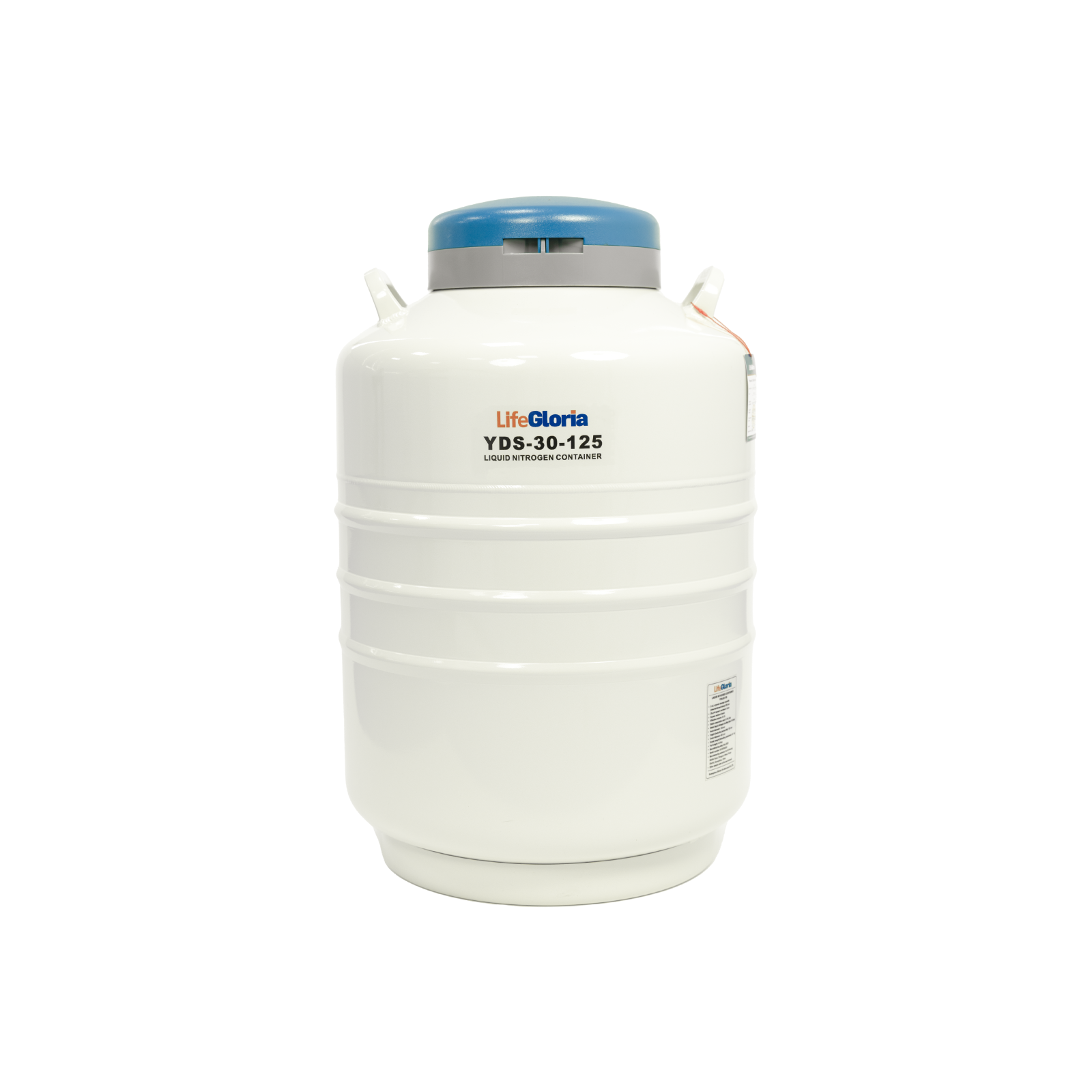
Liquid nitrogen boils at about −196°C at atmospheric pressure. Even a vacuum-insulated Dewar receives some heat through its neck, stopper, supports, and outer shell. That heat converts liquid into nitrogen gas, which must vent safely.
What Determines Holding Time?
- Nominal capacity and usable liquid volume
- Neck diameter and stopper design
- Vacuum insulation condition
- Ambient temperature, sunlight, and airflow
- How often and how long the lid is opened
- Frequency of sample retrieval or LN2 withdrawal
- Frost, moisture, or damage around the neck
- Whether warm canisters, racks, or samples are inserted
Static Holding Time vs Real Working Time
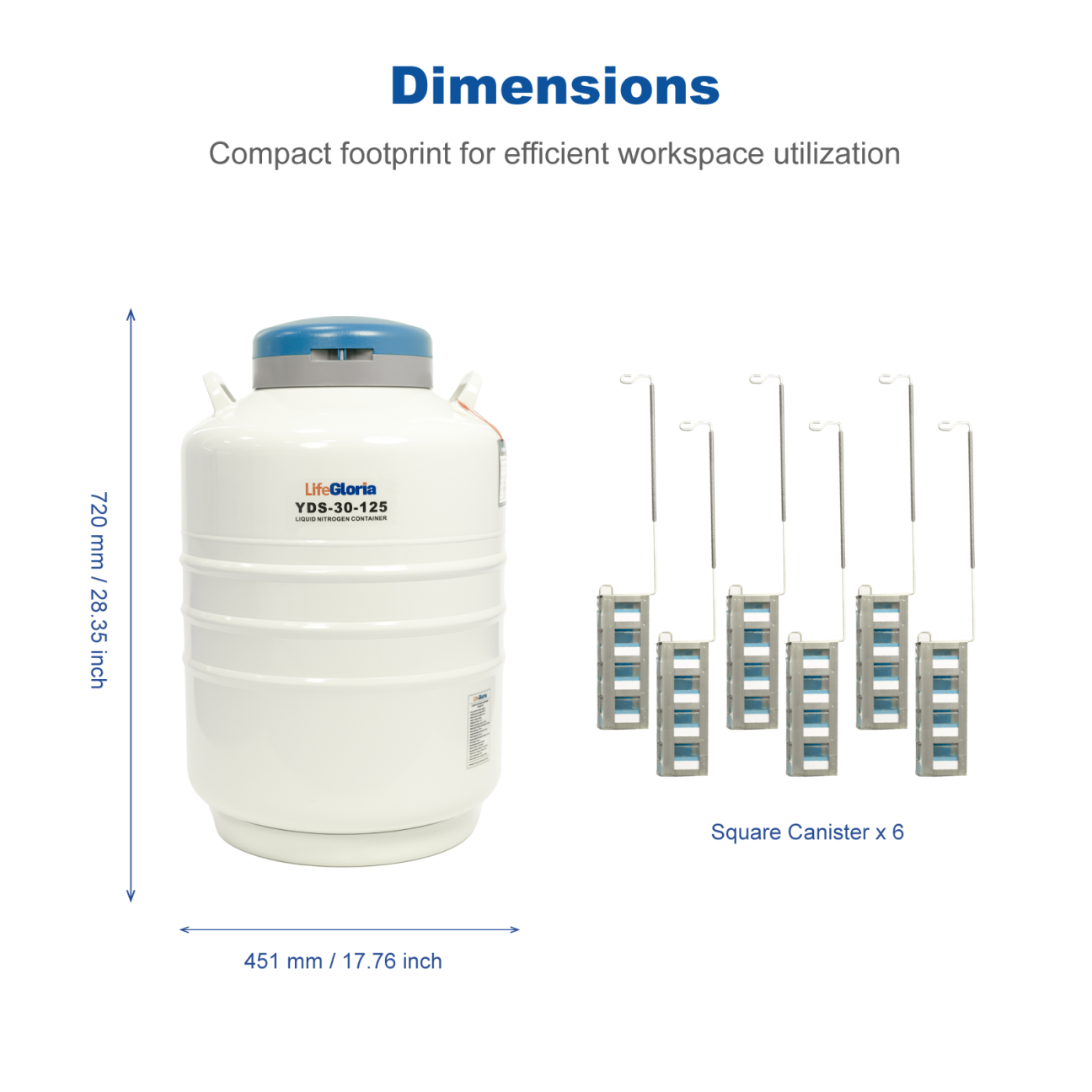
Static holding time is a comparison value measured with a stationary, properly filled vessel that is not being opened for normal work. Real laboratories lose additional nitrogen whenever the vessel is opened, moved, refilled, or used to cool warm accessories. Do not schedule refills solely from the advertised static value.
How to Estimate Your Actual Refill Interval
1. Establish a baseline
After filling and allowing conditions to stabilize, record tank mass or liquid level at the same time each day for several days. Use an approved level-measurement method.
2. Calculate daily loss
Subtract the later reading from the earlier reading and divide by elapsed days. Include normal sample access so the result reflects real use.
3. Set a minimum operating level
The minimum must keep stored material within the validated cryogenic zone and preserve enough reserve for delivery delays, weekends, and unusual access.
4. Schedule before the minimum
Refill before the predicted minimum date, not when the vessel is nearly empty. Recheck the loss rate after workload, season, location, or equipment condition changes.
Signs of Abnormal Evaporation
A sudden increase in refill frequency may indicate heavy use, a missing or damaged stopper, ice around the neck, or loss of vacuum insulation. Continuous condensation or frost on the outer wall away from the neck can be a warning sign. Move samples according to the laboratory emergency plan and contact the supplier if vessel failure is suspected.
Safe Liquid Nitrogen Storage
Liquid nitrogen can cause severe cold burns and its gas can displace oxygen without color or odor. Store and handle it only in adequately ventilated areas. Use appropriate face and eye protection plus loose-fitting cryogenic gloves during transfer, and follow local risk assessment and training requirements.
- Never store LN2 in a sealed, non-rated container
- Do not use elevators or confined rooms contrary to site procedures
- Keep the Dewar upright and protect it from impact
- Use only compatible transfer tools and containers
- Maintain oxygen monitoring where the risk assessment requires it
- Do not lean over the opening or touch uninsulated cold surfaces
Choosing the Right Dewar Capacity
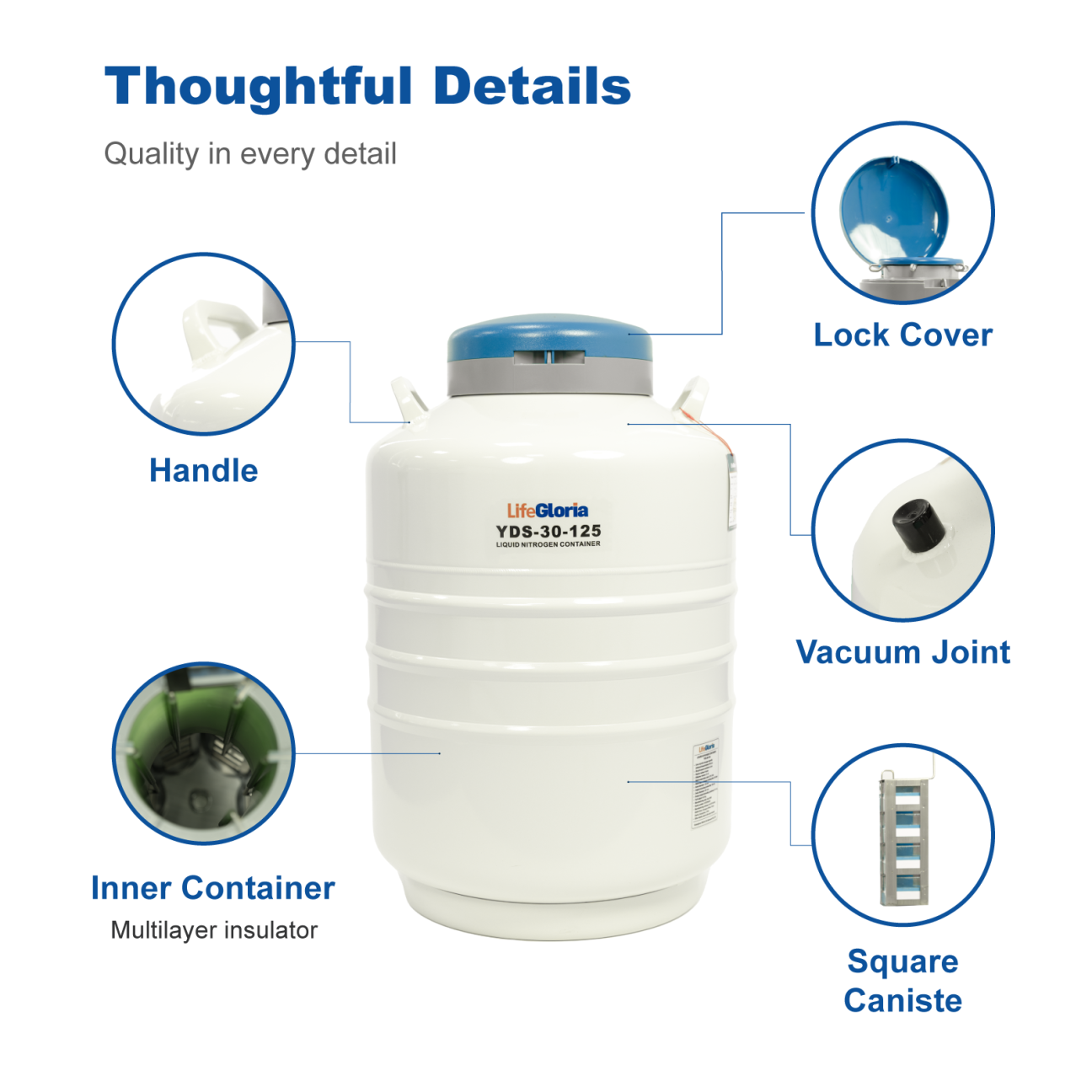
A larger tank may provide longer holding time, but it also changes weight, access, transport, and inventory risk. LifeGloria liquid nitrogen biological containers are offered in capacities from 2 L to 50 L. Choose capacity using the number of stored samples, required canisters, actual consumption rate, refill access, and the reserve period required by your SOP.
Frequently Asked Questions
Does liquid nitrogen expire?
It does not expire like a reagent, but it continuously evaporates and may become contaminated if handled improperly.
Can I close a Dewar tightly to stop evaporation?
No. A non-pressurized Dewar must vent gas. Sealing it can create dangerous pressure.
How do I measure the liquid level?
Use the method approved by the vessel manufacturer and your SOP, such as a compatible dipstick or validated weighing method. Wear appropriate PPE.
Why is my tank suddenly using more LN2?
Check access frequency, stopper and neck condition, frost patterns, ambient conditions, and possible vacuum loss. Protect samples and seek qualified inspection if the change is unexplained.
Final Thoughts
Liquid nitrogen holding time is a measured operating value, not a fixed promise. Track the real loss rate, set a conservative minimum level, refill with reserve, and investigate any sudden increase in evaporation. Ventilation, PPE, pressure relief, and trained handling remain essential at every tank size.
