

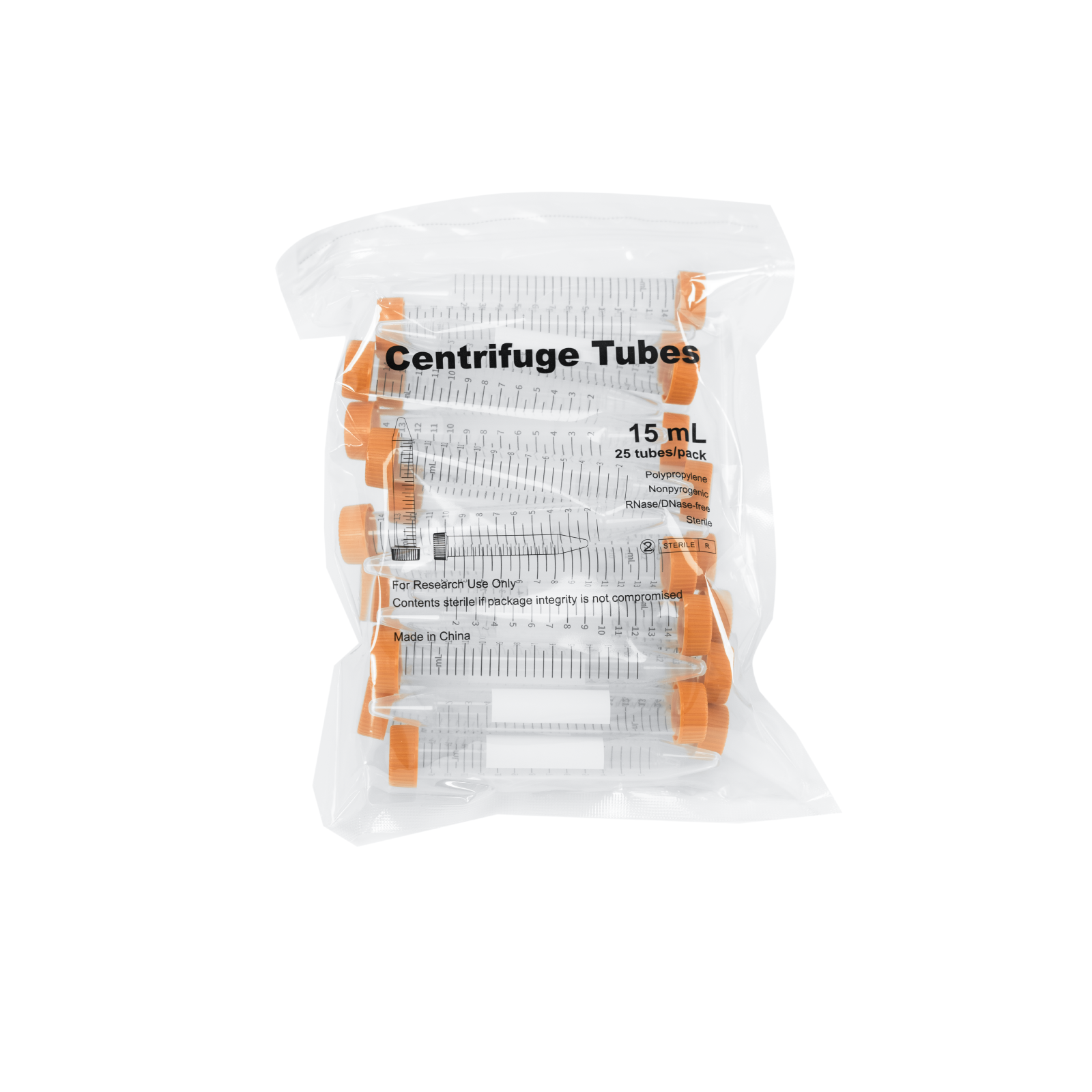
Centrifuge tubes are part of the experimental system, not disposable containers chosen after the instrument. Tube volume, material, centrifugal rating, sterility, nucleic-acid cleanliness, rotor support, and sample chemistry all affect a safe and repeatable workflow.
This guide connects common DNA, RNA, and protein preparation stages with practical tube and centrifuge purchasing decisions.
Quick Answer
Use microtubes for low-volume extraction and spin-down, and 15 mL or 50 mL conical tubes for larger wash, culture, clarification, or reagent-preparation steps. Confirm the exact tube's RCF rating, dimensions, material, temperature, chemical compatibility, sterility, and rotor or adapter fit before use.
Match the tubes, rotor, and centrifuge in one request
Send LifeGloria the tube sizes, sample volumes, required RCF, temperature, chemicals, sterility and DNase/RNase requirements, samples per run, centrifuge model, monthly use, and destination.
Tube Format by Sample-Preparation Stage
| Workflow stage | Common tube format | Main selection check |
|---|---|---|
| Low-volume lysate or elution | 0.2-2.0 mL microtube | Rotor fit, cap security, RCF, low binding needs |
| Cell wash or culture pellet | 15 mL conical tube | Sterility, adapter support, fill level, RCF |
| Larger clarification or media prep | 50 mL conical tube | Rotor bucket, balance, material, chemical compatibility |
| Archived biological sample | Validated cryogenic vessel | Temperature rating, closure, labeling, storage system |
Start with Volume and Process Stage
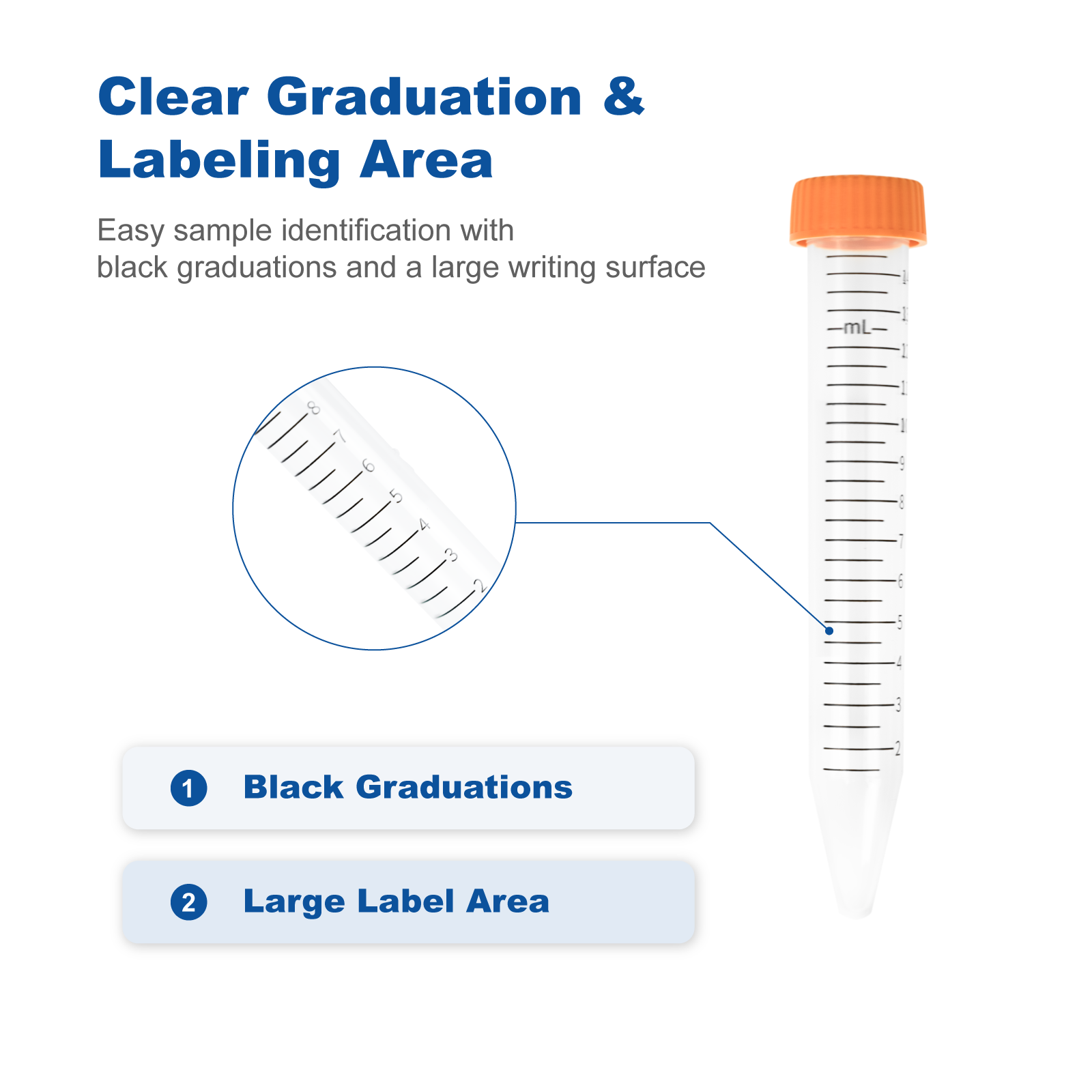
Select the smallest tube that safely accommodates the liquid, headspace, mixing, and pellet recovery required by the protocol. Oversized tubes increase dead space and may make a small pellet harder to locate, while undersized tubes risk leakage and poor mixing.
- Record starting and final volume
- Allow safe headspace
- Consider pellet visibility and pipette access
- Separate processing tubes from long-term storage vessels
Confirm RCF, Temperature, and Chemical Compatibility
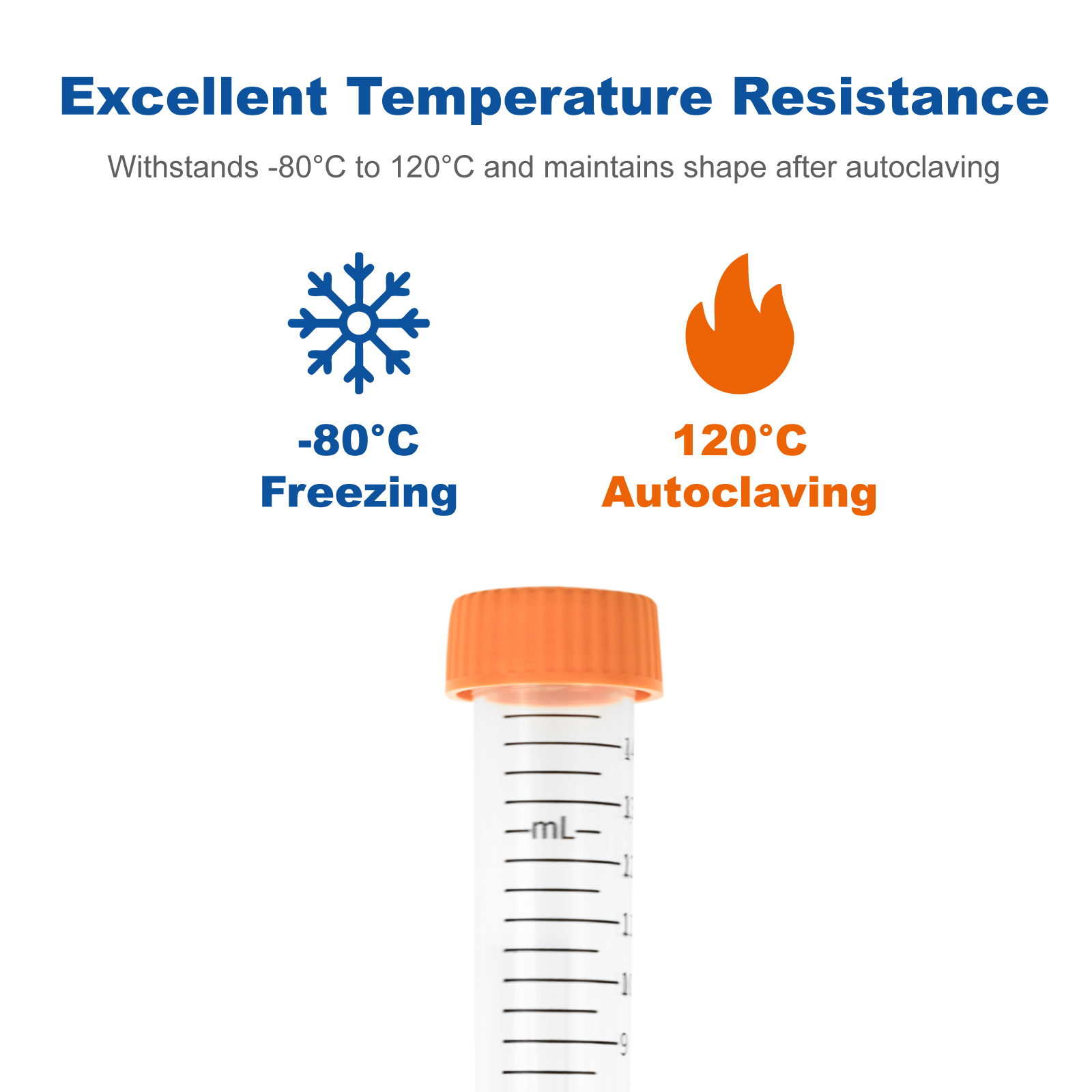
Do not infer tube strength from appearance. Follow the exact product rating and remember that rotor support, adapter, fill level, temperature, solvent exposure, and tube age can change practical performance. The lowest applicable limit governs the run.
- Use RCF rather than only RPM
- Check tube and rotor limits
- Confirm solvent and reagent compatibility
- Inspect for cracks, deformation, or damaged caps
Specify Cleanliness and Sterility Correctly
Sterile, DNase-free, RNase-free, and pyrogen-related claims describe different controls. Request only the attributes required by the method and verify them by SKU and lot documentation. LifeGloria 15 mL and 50 mL PP conical tubes are offered for sterile laboratory workflows.
- Define microbial sterility needs
- State DNase and RNase requirements
- Request certificates where required
- Avoid touching the inner cap and tube surfaces
Include Adapters and Throughput in the Purchase
The correct tube is not usable if the rotor lacks the right cavity or adapter. Provide the number of samples per run, target RCF, centrifuge model, rotor, and preferred workflow so the complete combination can be checked before ordering.
- Confirm actual tube dimensions
- Identify the rotor and bucket
- Use approved adapters
- Balance by mass and symmetric position
Procurement Checklist
- Sample type and process stage
- Tube volume and actual dimensions
- Material and chemical exposure
- Required RCF and temperature
- Sterile, DNase-free, and RNase-free needs
- Rotor and adapter information
- Monthly consumption and certificates
- Destination and delivery target
Frequently Asked Questions
Can sterile centrifuge tubes be assumed RNase-free?
No. Sterility and RNase control are separate claims and should be confirmed for the exact product.
Can a 50 mL tube run at the centrifuge's maximum speed?
Not automatically. Follow the lowest limit for the tube, adapter, rotor, and centrifuge under the actual conditions.
Should extraction samples be stored long term in processing tubes?
Use a vessel validated for the intended storage temperature, closure, duration, and sample rather than assuming a processing tube is suitable.
What information is needed for a tube quotation?
Provide tube size, material, RCF, temperature, chemistry, cleanliness claims, pack format, monthly volume, certificates, destination, and deadline.
Final Recommendation
Select centrifuge tubes by the full workflow and verify them with the rotor and adapters. LifeGloria can quote sterile conical tubes, compatible centrifuges, and supporting sample-preparation equipment together.
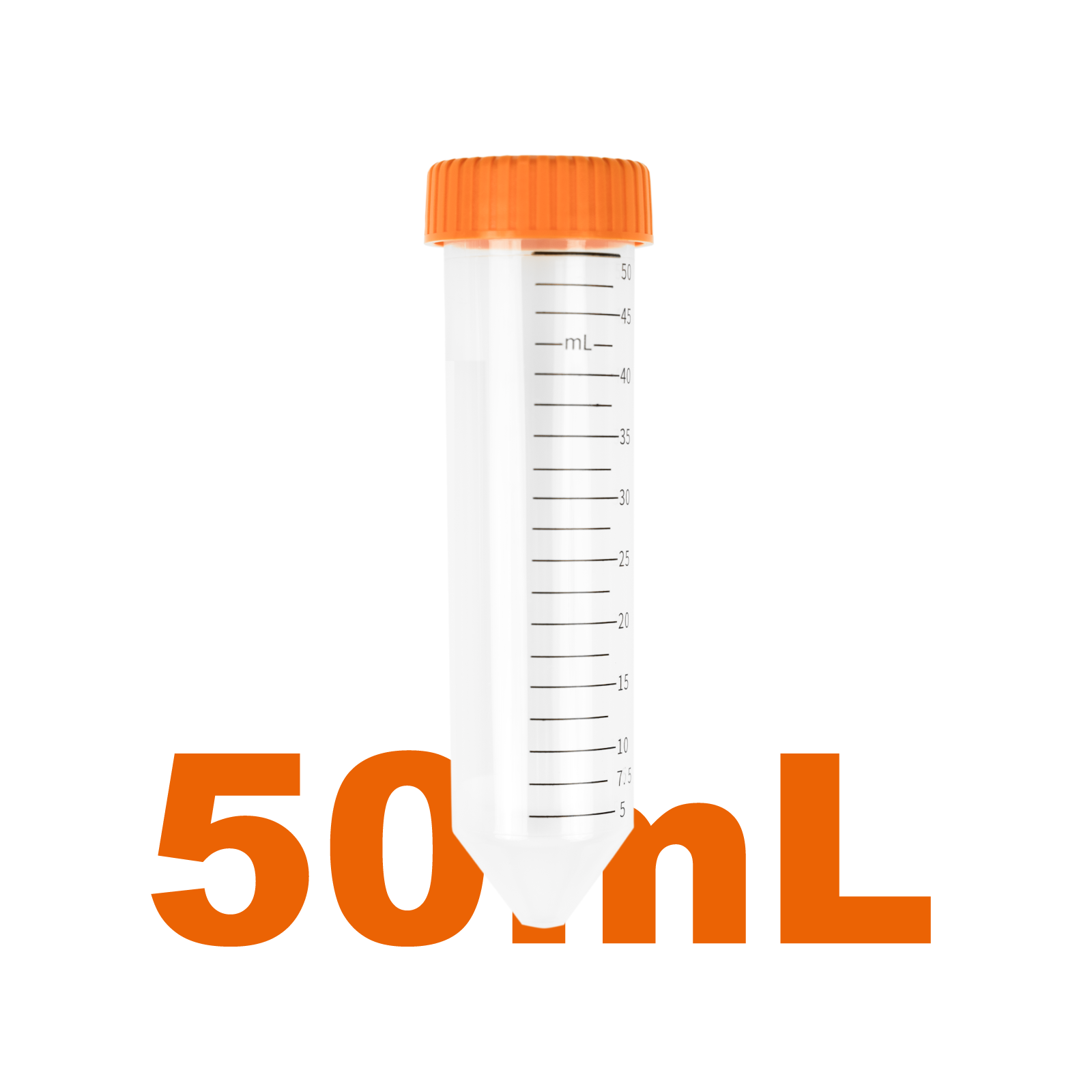
Recommended LifeGloria Products
Confirm the final model, selected SKU, compatibility, accessories, certificates, voltage, packaging, freight, storage conditions, local regulations, and application requirements before purchase.
