


A micropipette is one of the most essential liquid handling instruments used in modern laboratories. From molecular biology and biotechnology research to clinical testing and pharmaceutical development, micropipettes help researchers accurately transfer small volumes of liquids.
Choosing the right micropipette is important because accuracy, precision, and reliability directly affect experimental results. This guide explains how to select the best laboratory pipette according to your application requirements.
What Is a Micropipette?
A micropipette is a precision laboratory instrument designed to measure and transfer small volumes of liquid, usually from microliters (μL) to milliliters (mL).
Micropipettes are widely used in applications such as:
- Molecular biology experiments
- PCR and genetic testing
- Cell culture research
- Biochemistry analysis
- Clinical laboratory testing
- Pharmaceutical research
Different Types of Laboratory Micropipettes
Before purchasing a micropipette, laboratories should understand the different types available on the market.
1. Single Channel Micropipette
Single channel micropipettes are designed for transferring liquid into individual tubes, plates, or containers. They are commonly used in routine laboratory applications where high accuracy is required.
2. Multichannel Micropipette
Multichannel micropipettes allow researchers to transfer multiple samples simultaneously, making them ideal for microplate applications such as ELISA, PCR preparation, and high-throughput experiments.
3. Adjustable Volume Micropipette
Adjustable micropipettes allow users to set different volume ranges according to experimental needs. They are one of the most popular choices for general laboratory applications.
4. Fixed Volume Micropipette
Fixed volume pipettes provide a specific preset volume and are suitable for repetitive experiments requiring consistent liquid transfer.
Key Factors When Choosing a Micropipette
1. Volume Range
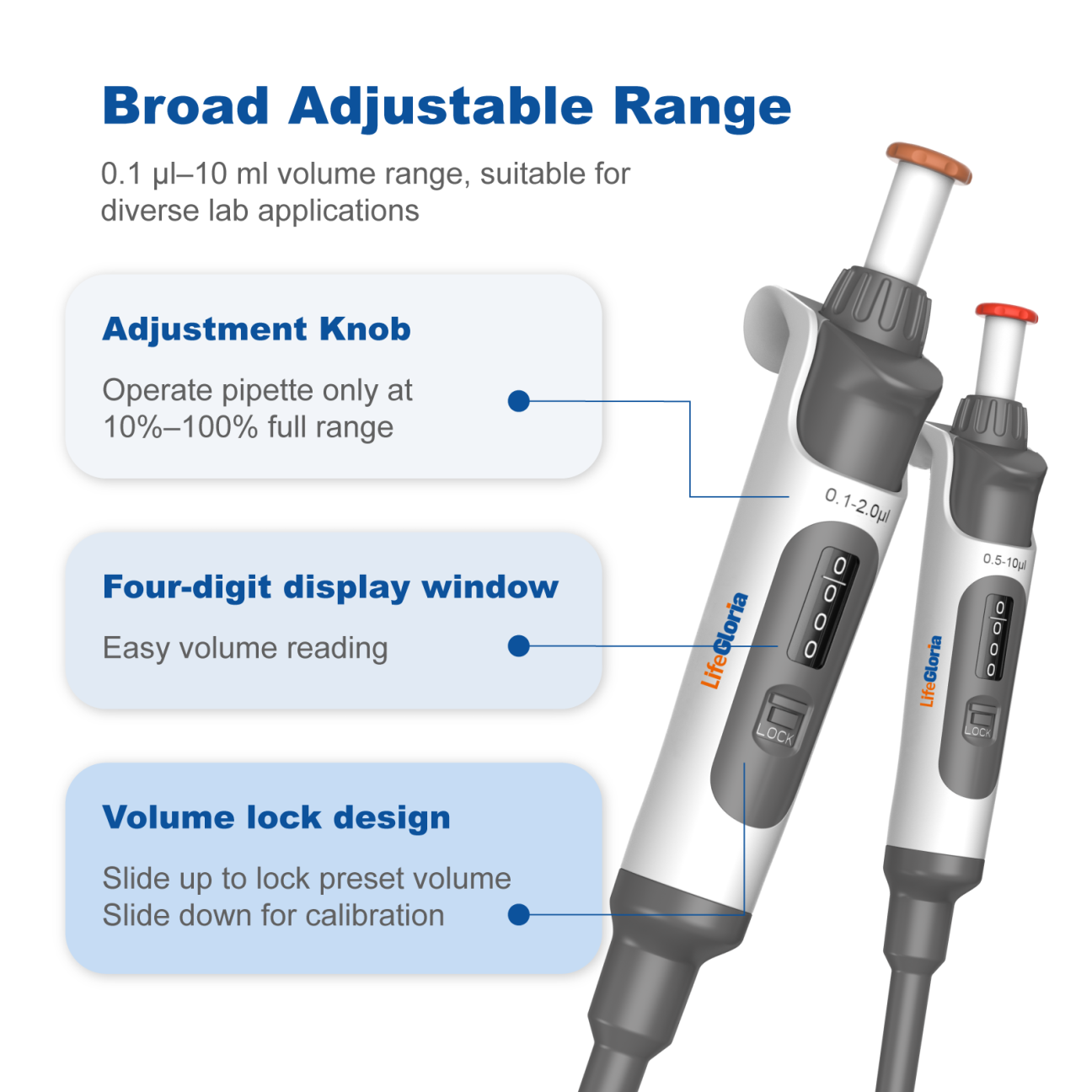
The volume range is one of the most important factors when selecting a micropipette. Different experiments require different liquid volumes.
- 0.1–10 μL: Suitable for molecular biology and precise sample preparation.
- 10–200 μL: Commonly used for general laboratory applications.
- 100–1000 μL: Suitable for larger volume liquid transfer.
Selecting the correct volume range improves accuracy and reduces experimental errors.
2. Accuracy and Precision
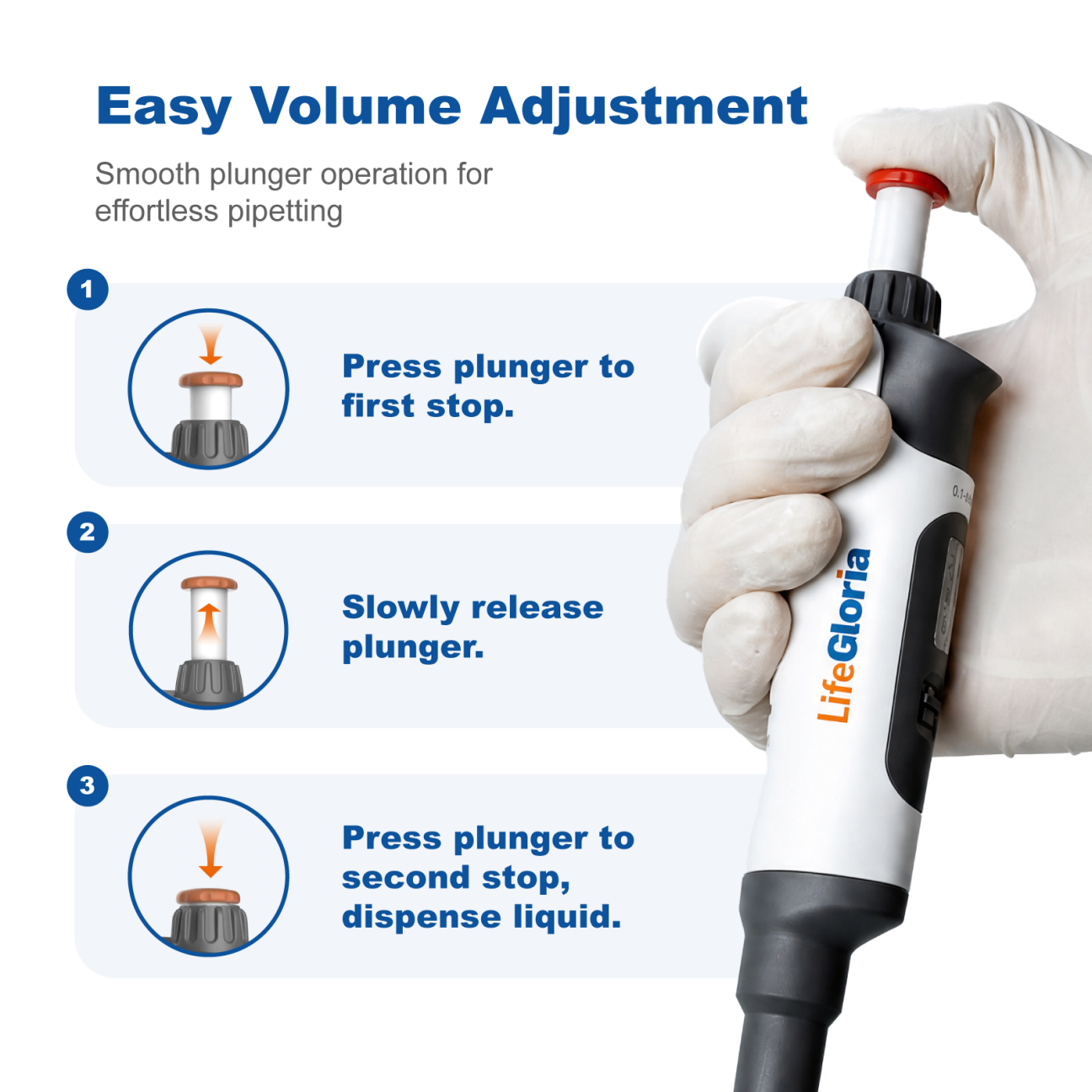
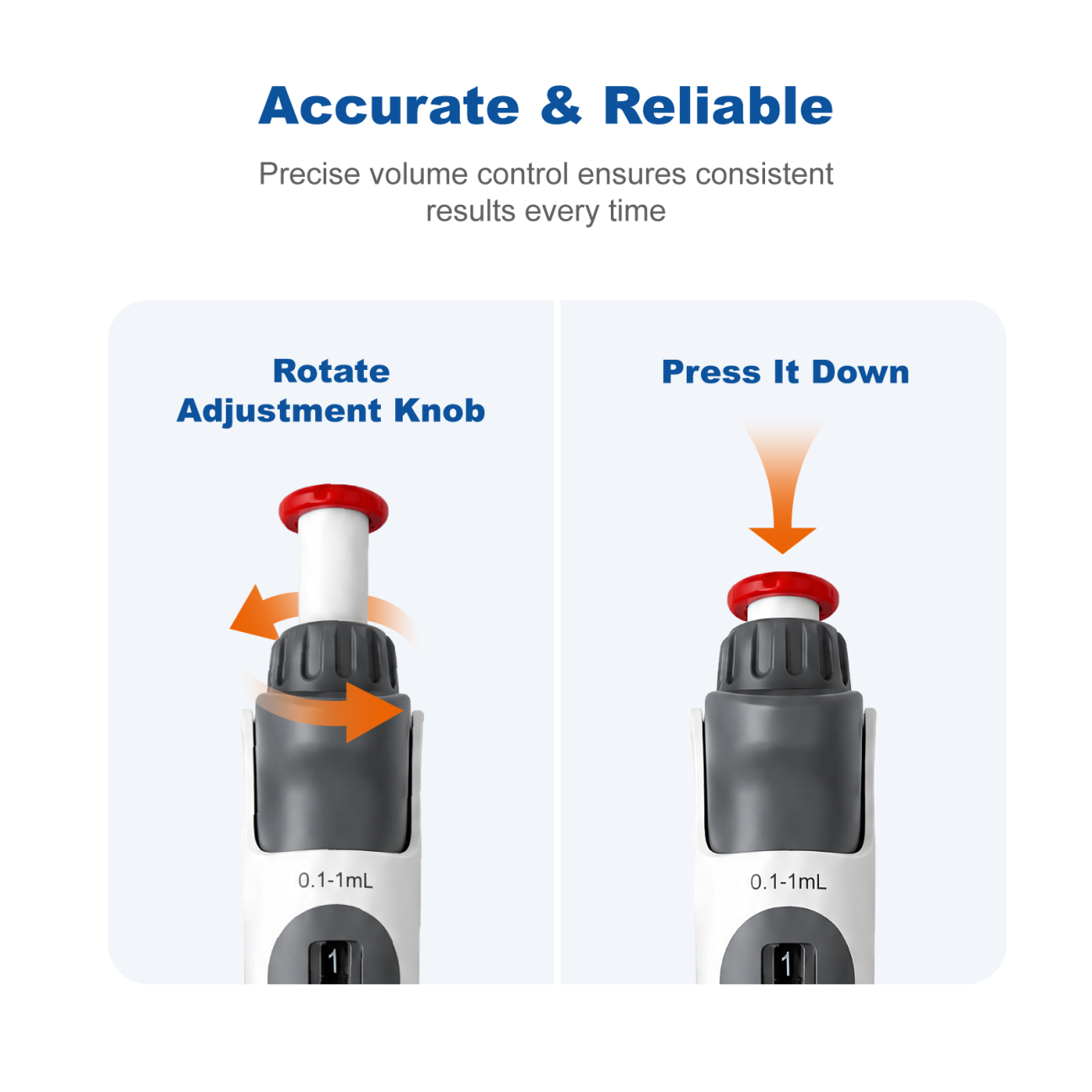
A high-quality laboratory pipette should provide excellent accuracy and repeatability. Stable volume adjustment and reliable mechanical performance help ensure consistent experimental results.
3. Ergonomic Design
Laboratory technicians often use micropipettes for several hours every day. An ergonomic design can reduce hand fatigue and improve working efficiency.
Important ergonomic features include:
- Low operating force
- Comfortable grip design
- Smooth volume adjustment
- Lightweight construction
4. Autoclavability and Sterilization
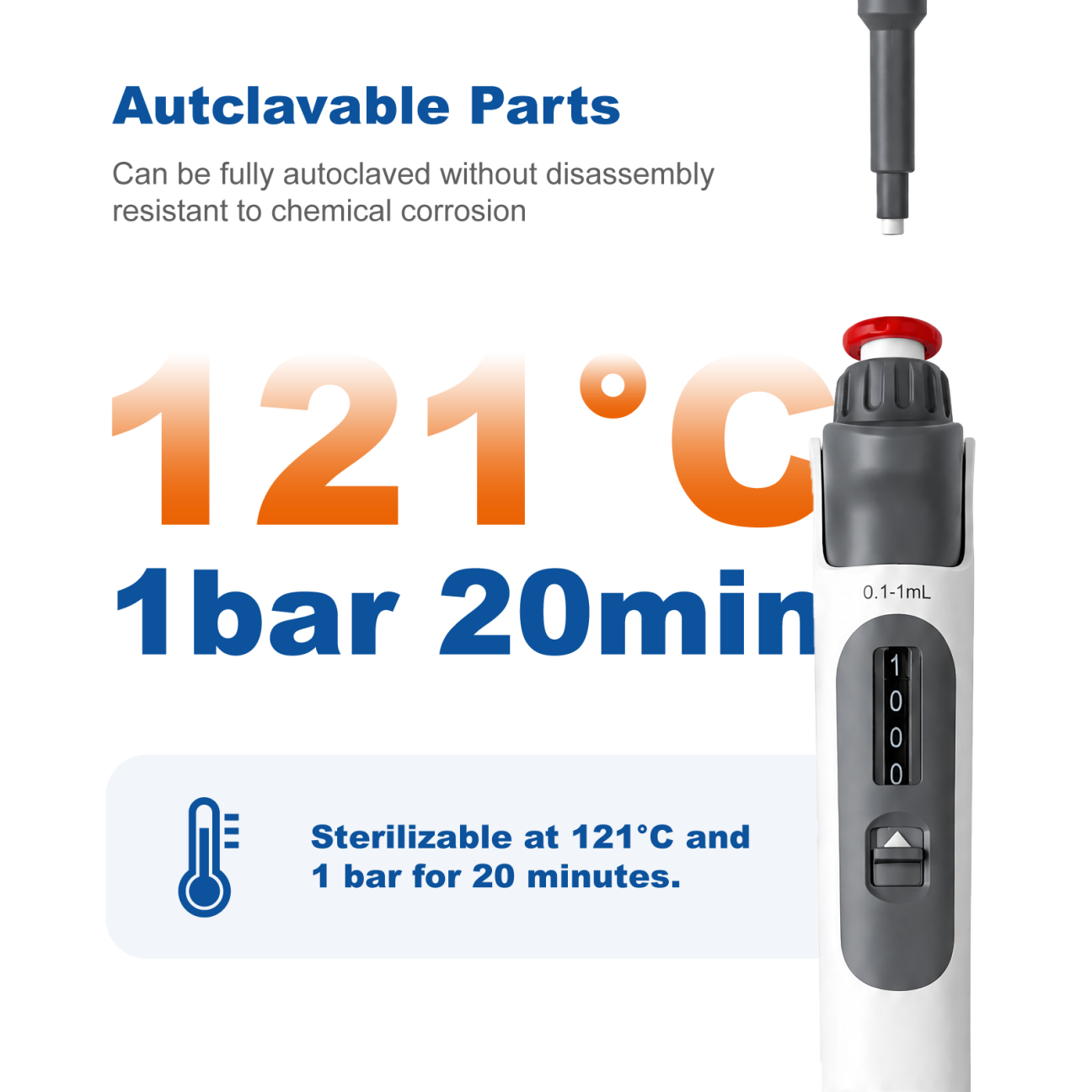
For laboratories working with sensitive biological samples, contamination prevention is critical. Fully autoclavable micropipettes allow easy sterilization and help maintain a clean working environment.
- Reduce contamination risks
- Improve laboratory safety
- Support repeated sterilization procedures
How to Maintain a Micropipette for Long-Term Performance
Proper maintenance can extend the service life of a micropipette and maintain measurement accuracy.
- Perform regular calibration checks
- Use compatible pipette tips
- Avoid dropping or damaging the pipette
- Store the pipette vertically when not in use
- Clean the instrument regularly
Why Micropipette Calibration Is Important
Calibration ensures that the micropipette delivers accurate liquid volumes according to laboratory standards. Regular calibration is especially important for research institutions, pharmaceutical laboratories, and quality control departments.
Common calibration factors include:
- Volume accuracy
- Precision performance
- Mechanical condition
- Environmental conditions
How to Choose a Reliable Micropipette Supplier
Selecting a trustworthy pipette supplier is just as important as selecting the right instrument. A reliable supplier should provide:
- Stable product quality
- Complete product specifications
- Calibration support
- Technical assistance
- Competitive pricing for bulk orders
Why Choose LifeGloria Micropipettes?
LifeGloria provides reliable laboratory liquid handling solutions for research institutions, universities, biotechnology companies, and laboratories worldwide.
Our micropipette solutions feature:
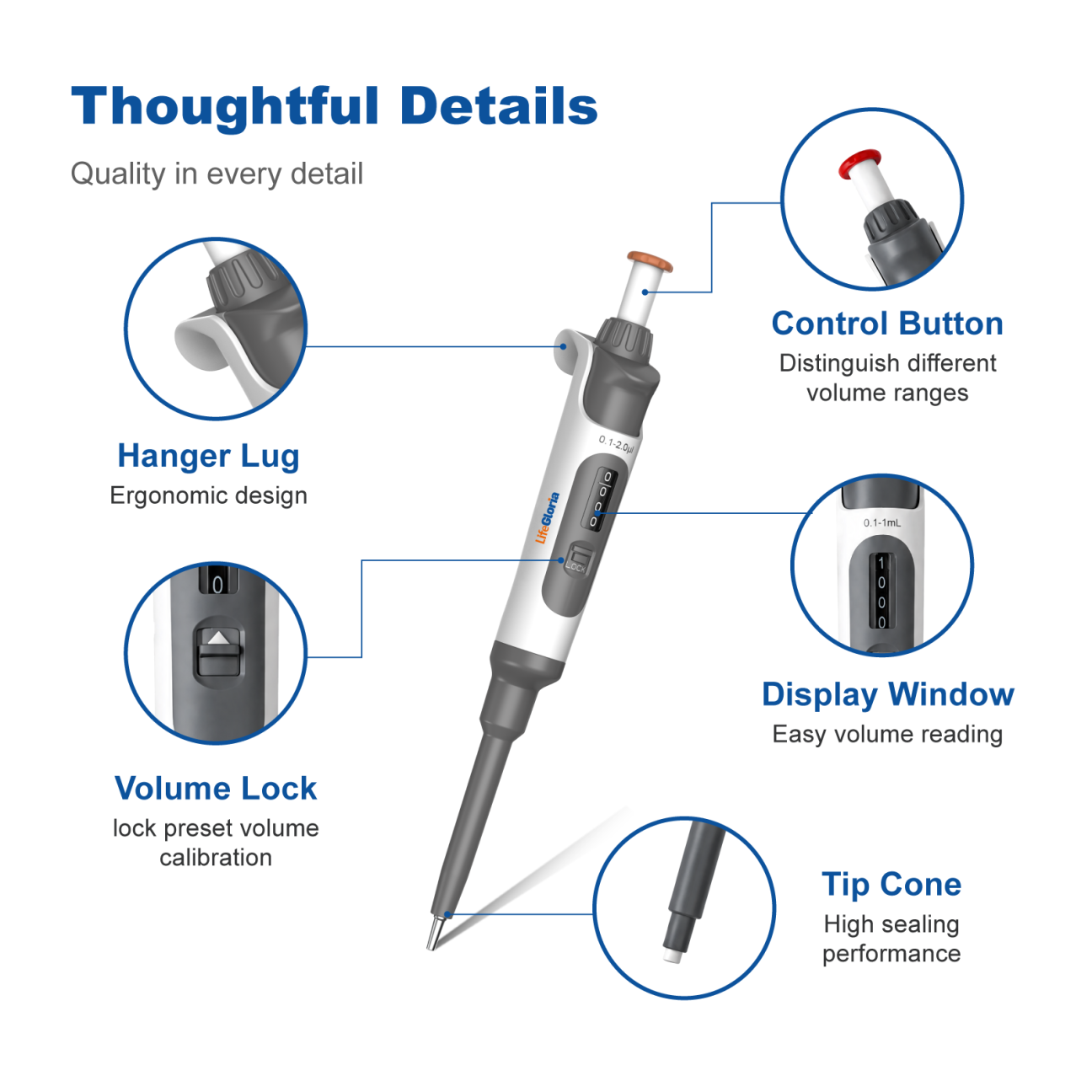
- Adjustable volume options
- High accuracy and repeatability
- Ergonomic laboratory-friendly design
- Autoclavable components
- Compatibility with various pipette tips
Explore LifeGloria micropipette products:
View LifeGloria Micropipette Products
Frequently Asked Questions (FAQ)
What is the most commonly used micropipette volume?
The most commonly used micropipette volumes are 10 μL, 200 μL, and 1000 μL because they cover many routine laboratory applications.
How often should a micropipette be calibrated?
Most laboratories perform micropipette calibration every 6–12 months. Laboratories with frequent use or strict quality requirements may require more frequent calibration.
Are fully autoclavable micropipettes better?
Fully autoclavable micropipettes provide easier sterilization and help reduce contamination risks, making them suitable for many biological research applications.
How do I choose the correct pipette tips?
Pipette tips should match the micropipette model and application requirements. Sterile tips are recommended for sensitive biological experiments.
Conclusion
Choosing the right micropipette requires considering volume range, accuracy, ergonomics, sterilization options, and supplier reliability.
A high-quality laboratory pipette improves experimental accuracy, reduces errors, and supports efficient laboratory workflows.
LifeGloria is committed to providing reliable laboratory equipment and consumable solutions for global research and scientific applications.
Contact LifeGloria today for micropipette solutions and laboratory equipment support.
