


When purchasing laboratory pipettes, many buyers focus on price, volume range, and product features. However, for laboratories that require reliable experimental results, one of the most important factors is pipette accuracy performance.
The ISO 8655 standard is one of the most recognized international references for testing and verifying piston-operated volumetric instruments, including micropipettes.
For research laboratories, biotechnology companies, clinical laboratories, and universities, understanding ISO 8655 helps ensure that pipettes provide reliable and repeatable liquid handling performance.
This guide explains:
- What ISO 8655 is
- What ISO 8655 covers
- Why calibration standards matter
- How pipette accuracy is tested
- What buyers should consider when selecting pipettes
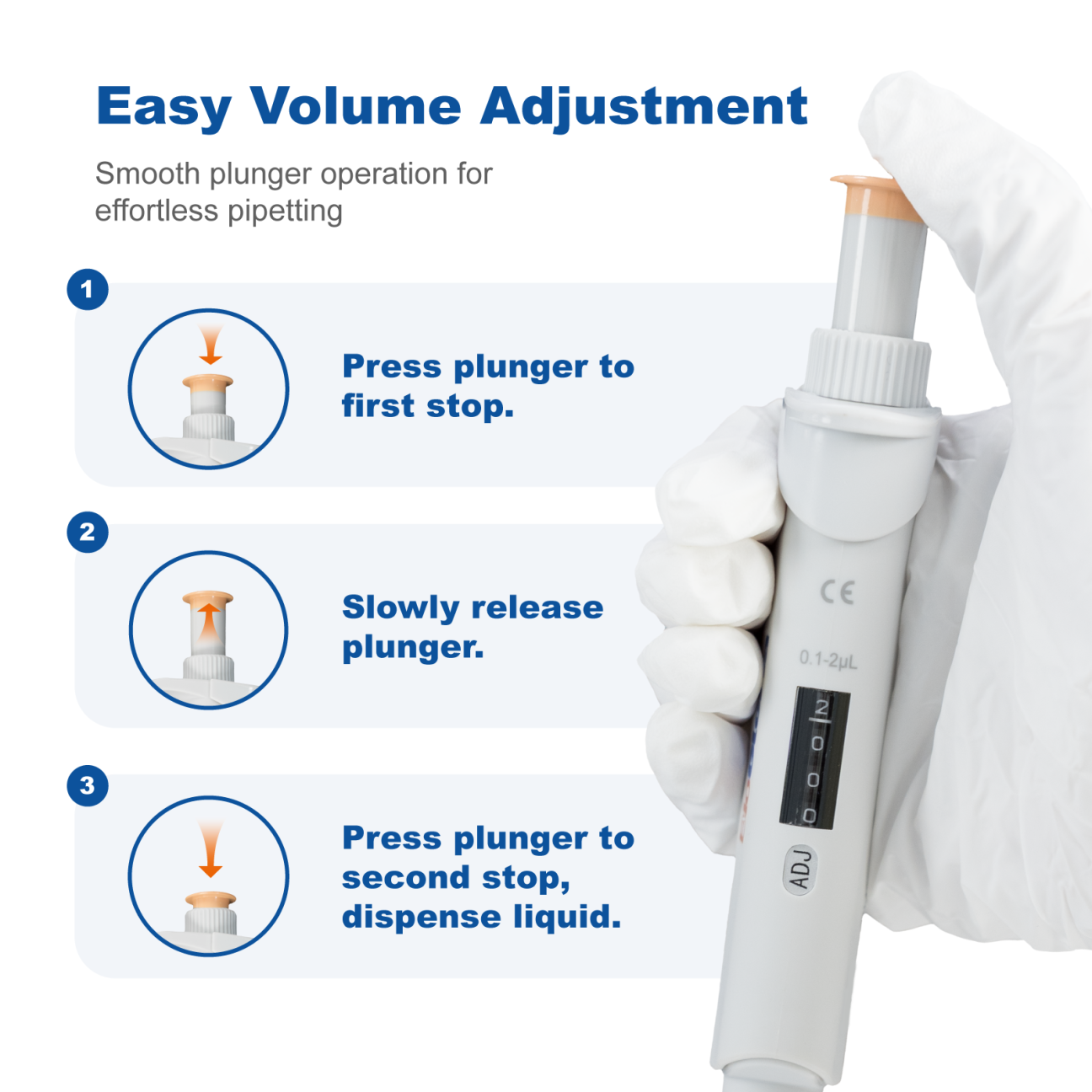
What Is ISO 8655?
ISO 8655 is an international standard that specifies requirements and test methods for piston-operated volumetric instruments used for measuring and transferring liquids.
The standard covers equipment such as:
- manual pipettes
- electronic pipettes
- piston burettes
- diluters
- dispensers
For laboratory pipettes, ISO 8655 defines requirements related to:
- accuracy
- precision
- testing procedures
- calibration verification
The purpose of ISO 8655 is to ensure that laboratory liquid handling instruments provide reliable measurement performance.
Why Is ISO 8655 Important for Pipettes?
Laboratory experiments often depend on very small liquid volumes.
A small pipetting error can affect:
- reagent concentration
- reaction conditions
- sample preparation
- final experimental results
For example, in applications such as:
- PCR
- DNA extraction
- ELISA
- cell culture
- pharmaceutical testing
accurate liquid handling is essential.
ISO 8655 helps laboratories evaluate whether a pipette meets expected performance requirements.
What Does ISO 8655 Cover?
ISO 8655 includes several important areas related to pipette performance.
1. Accuracy Requirements
Accuracy describes how close the delivered volume is to the selected volume.
For example:
A pipette set to deliver:
100 μL
should deliver a volume as close as possible to:
100 μL
The difference between the target volume and actual delivered volume represents measurement error.
Higher accuracy means:
- more reliable experiments
- better reproducibility
- reduced sample waste
2. Precision Requirements
Precision refers to how consistently a pipette delivers the same volume during repeated measurements.
Example:
Five pipetting tests produce:
- 99.9 μL
- 100.0 μL
- 100.1 μL
- 100.0 μL
- 99.9 μL
These results demonstrate good repeatability.
A pipette can have good accuracy but poor precision, or good precision but poor accuracy.
Reliable laboratory pipettes require both.
3. Testing Methods
ISO 8655 testing typically evaluates pipette performance using:
- precision balances
- reference liquids
- controlled environmental conditions
The general testing process includes:
Volume Selection
Testing is performed at different volume settings, including:
- maximum volume
- intermediate volume
- minimum volume
Liquid Measurement
The pipette dispenses liquid into a calibrated container.
The weight measurement is converted into volume.
Performance Evaluation
Results are analyzed to determine:
- systematic error
- random error
- accuracy
- precision
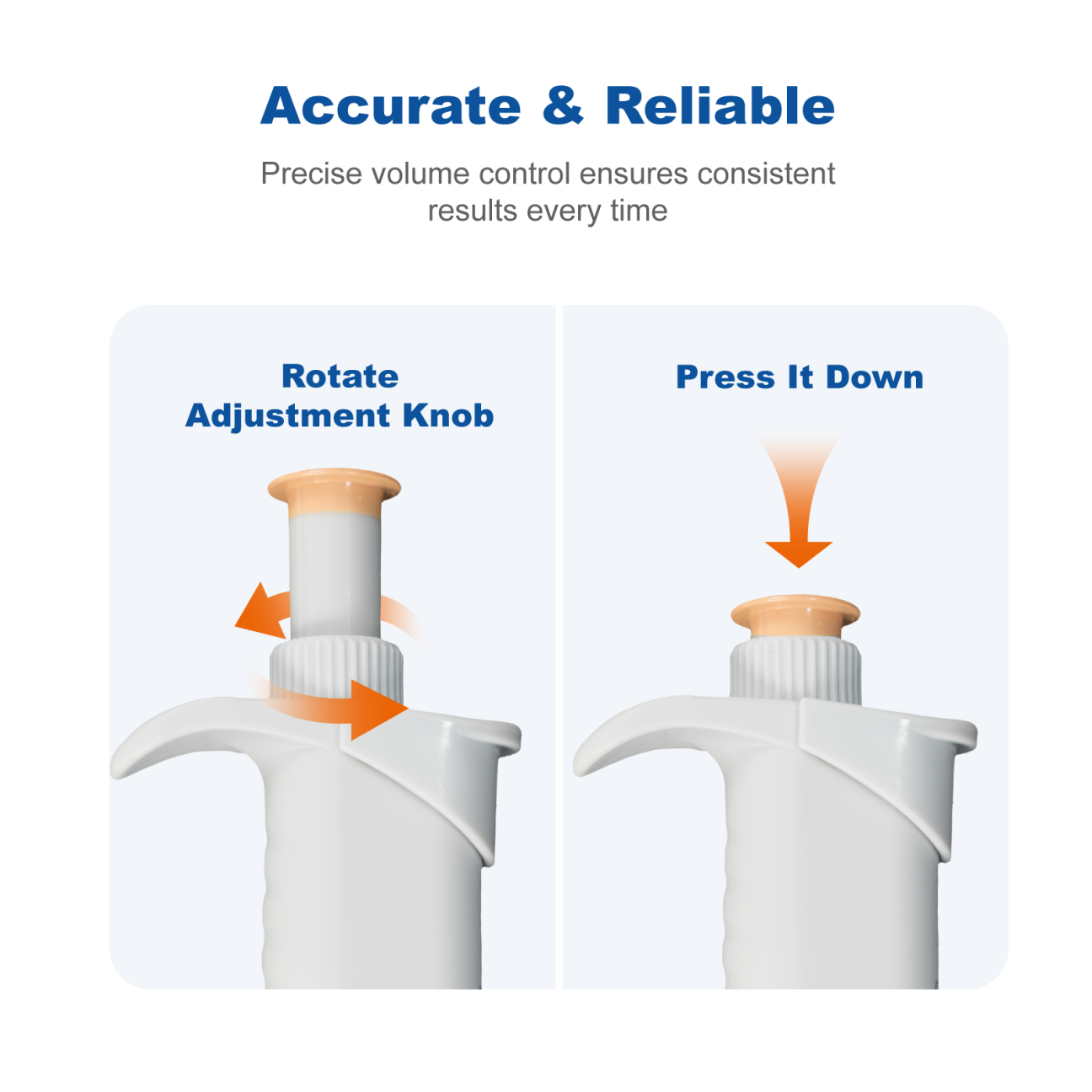
ISO 8655 Calibration Process for Laboratory Pipettes
A professional pipette calibration process usually includes:
Step 1: Visual Inspection
Technicians check:
- external condition
- tip cone condition
- piston movement
- leakage problems
Step 2: Environmental Control
Testing conditions are controlled because factors such as:
- temperature
- humidity
- liquid properties
can affect measurement results.
Step 3: Gravimetric Testing
A precision balance measures the delivered liquid weight.
The measured value is converted into volume according to liquid density.
Step 4: Calibration Adjustment
If the pipette does not meet requirements, adjustment may be performed.
After adjustment:
- testing is repeated
- results are recorded
- calibration documentation is provided
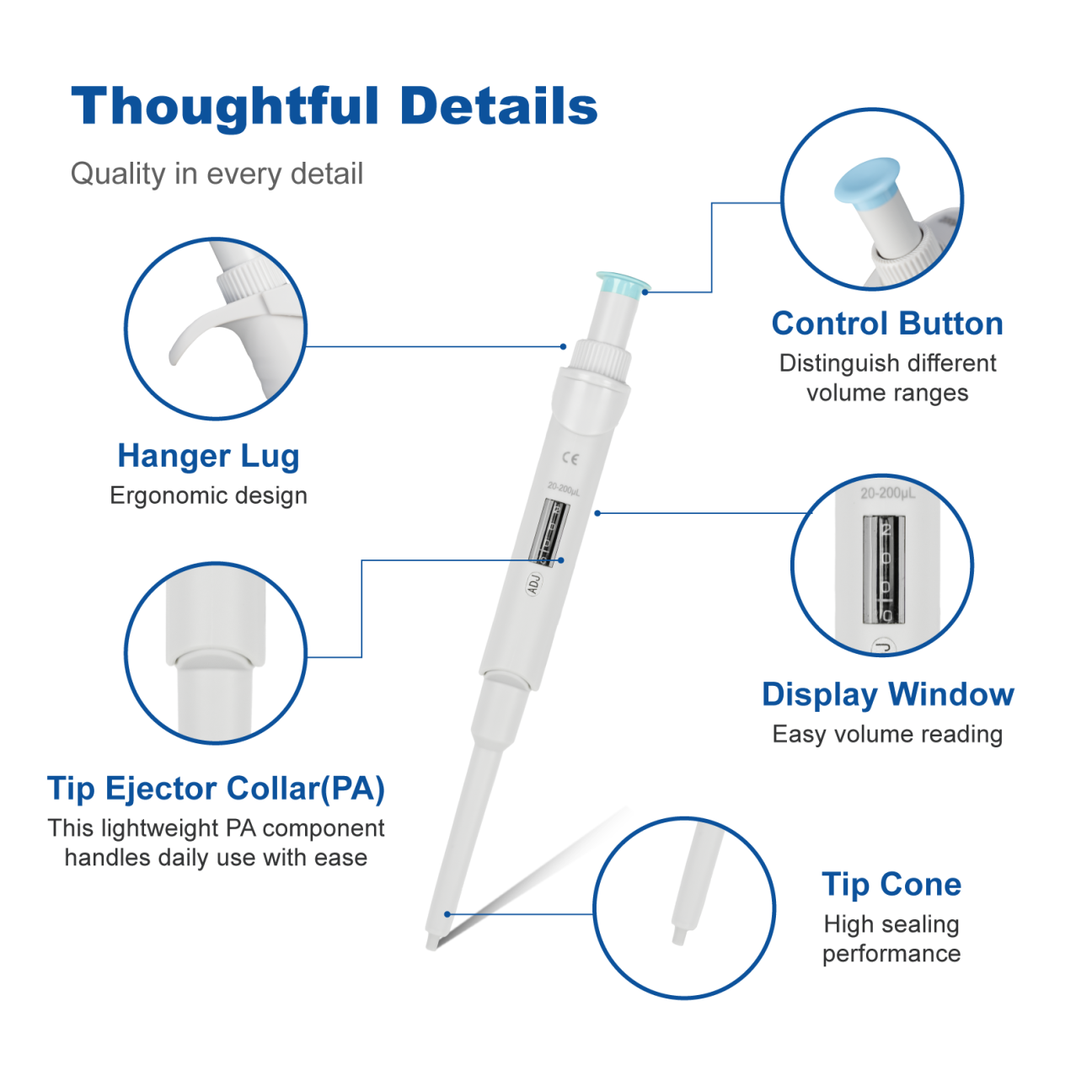
Why Laboratory Buyers Should Choose ISO 8655 Calibrated Pipettes
When purchasing laboratory equipment, buyers should consider long-term reliability instead of only initial cost.
ISO 8655 calibrated pipettes provide advantages including:
1. Better Experimental Reliability
Accurate pipetting improves:
- experiment consistency
- sample handling quality
- research confidence
2. Quality Management Compliance
Many professional laboratories require documented equipment performance.
Calibration records help support:
- internal quality control
- laboratory audits
- research standards
3. Reduced Operational Costs
Incorrect pipetting can lead to:
- repeated experiments
- wasted reagents
- delayed research progress
Reliable pipettes help reduce these unnecessary costs.
ISO 8655 vs Manufacturer Calibration
A common question from buyers is:
What is the difference between ISO 8655 calibration and manufacturer testing?
Manufacturer testing verifies that the product performs according to internal quality requirements.
ISO 8655 calibration follows internationally recognized testing principles.
For professional laboratories, ISO 8655 provides an additional reference for evaluating measurement performance.
How to Select an ISO 8655 Compliant Pipette
When choosing a laboratory pipette, consider:
1. Calibration Documentation
Ask whether the supplier provides:
- calibration certificate
- accuracy data
- testing information
2. Adjustable Calibration Function
A good pipette design should allow:
- calibration adjustment
- easy verification
- long-term maintenance
3. Reliable Mechanical Structure
Important features include:
- smooth piston movement
- durable sealing system
- stable volume adjustment
4. Suitable Volume Range
Choose according to your applications:
| Pipette Range | Common Applications |
|---|---|
| 0.1–10 μL | PCR, molecular biology |
| 10–100 μL | General laboratory work |
| 100–1000 μL | Sample preparation |
| 1–10 mL | Large volume transfer |
Common Questions About ISO 8655 Pipettes
Do all laboratory pipettes need ISO 8655 calibration?
Not every laboratory requires the same calibration level. However, laboratories performing sensitive experiments or following quality systems often prefer ISO 8655 tested pipettes.
How often should ISO 8655 pipettes be calibrated?
Calibration frequency depends on:
- usage frequency
- laboratory requirements
- application sensitivity
Many laboratories perform calibration every 3–12 months.
Are ISO 8655 pipettes more expensive?
ISO 8655 compliant pipettes may have higher quality requirements, but they help reduce long-term costs by improving reliability and reducing experimental errors.
LifeGloria ISO 8655 Calibrated Micropipettes
LifeGloria provides adjustable laboratory micropipettes designed for accurate and reliable liquid handling.
Our pipette solutions are suitable for:
- biotechnology laboratories
- universities
- research institutes
- healthcare applications
Key features include:
- ISO 8655 calibration performance
- Adjustable volume range from 0.1 μL to 10 mL
- High accuracy and repeatability
- Ergonomic lightweight design
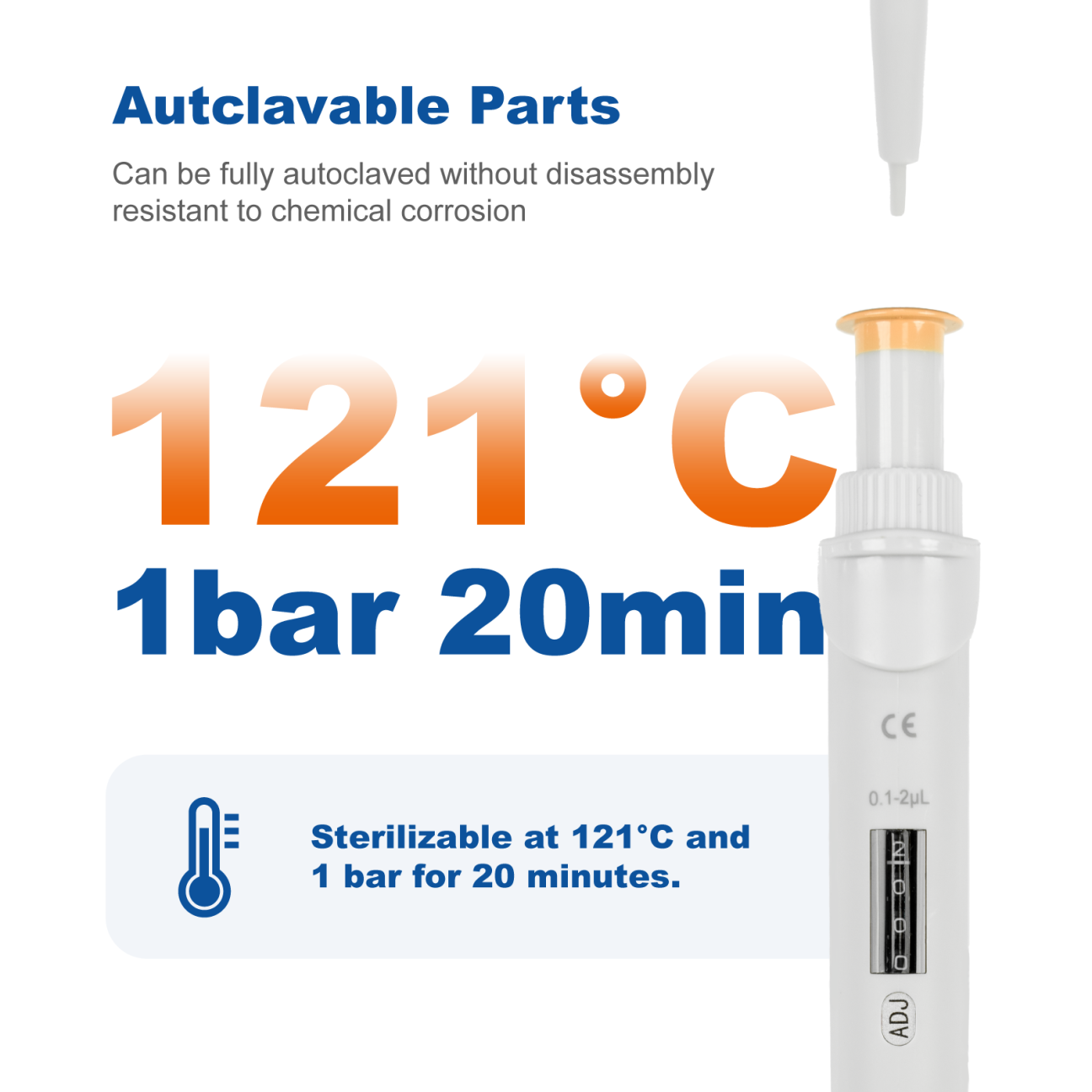
- Autoclavable lower portion options
- Compatible with common laboratory pipette tips
For laboratories that require dependable liquid handling performance, selecting a calibrated micropipette is an important step toward improving experimental accuracy and workflow efficiency.
Choose LifeGloria laboratory pipettes for reliable, accurate, and professional liquid handling solutions.
