

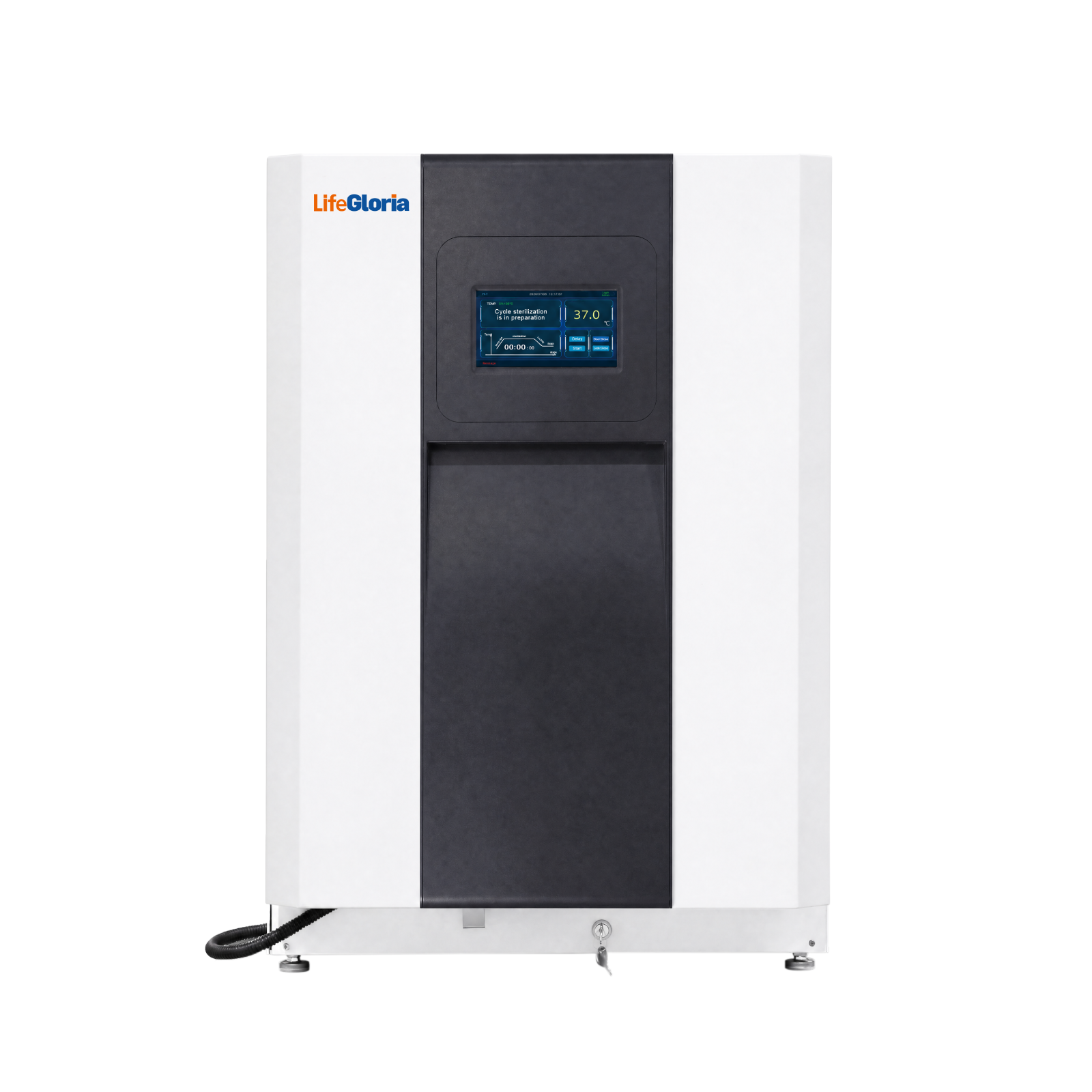
A CO2 incubator is an essential instrument for modern cell culture laboratories. It provides a controlled environment for growing cells under stable conditions. Researchers use it in biotechnology, pharmaceutical development, and life science research.
However, choosing the right incubator requires more than checking chamber capacity. Temperature stability, CO2 control, humidity, and contamination prevention also matter.
1. Understand the Applications of a CO2 Incubator
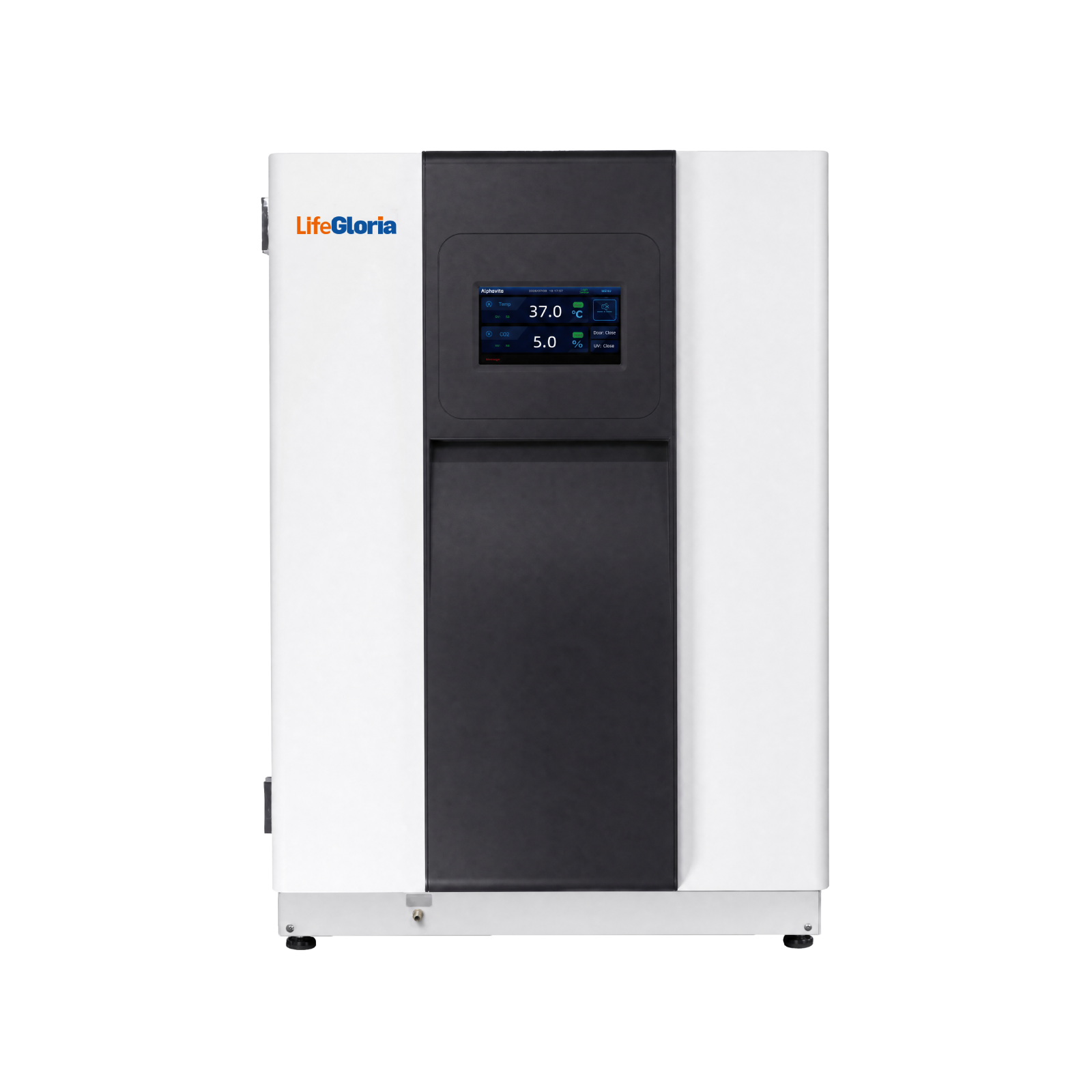
A CO2 incubator supports cell growth by maintaining environmental conditions required by different cell types. It is commonly used for mammalian cell culture, tissue engineering, and biomedical research.
Before purchasing, identify your cell culture requirements. Different applications may require different environmental settings and chamber configurations.
2. Check Temperature and CO2 Control
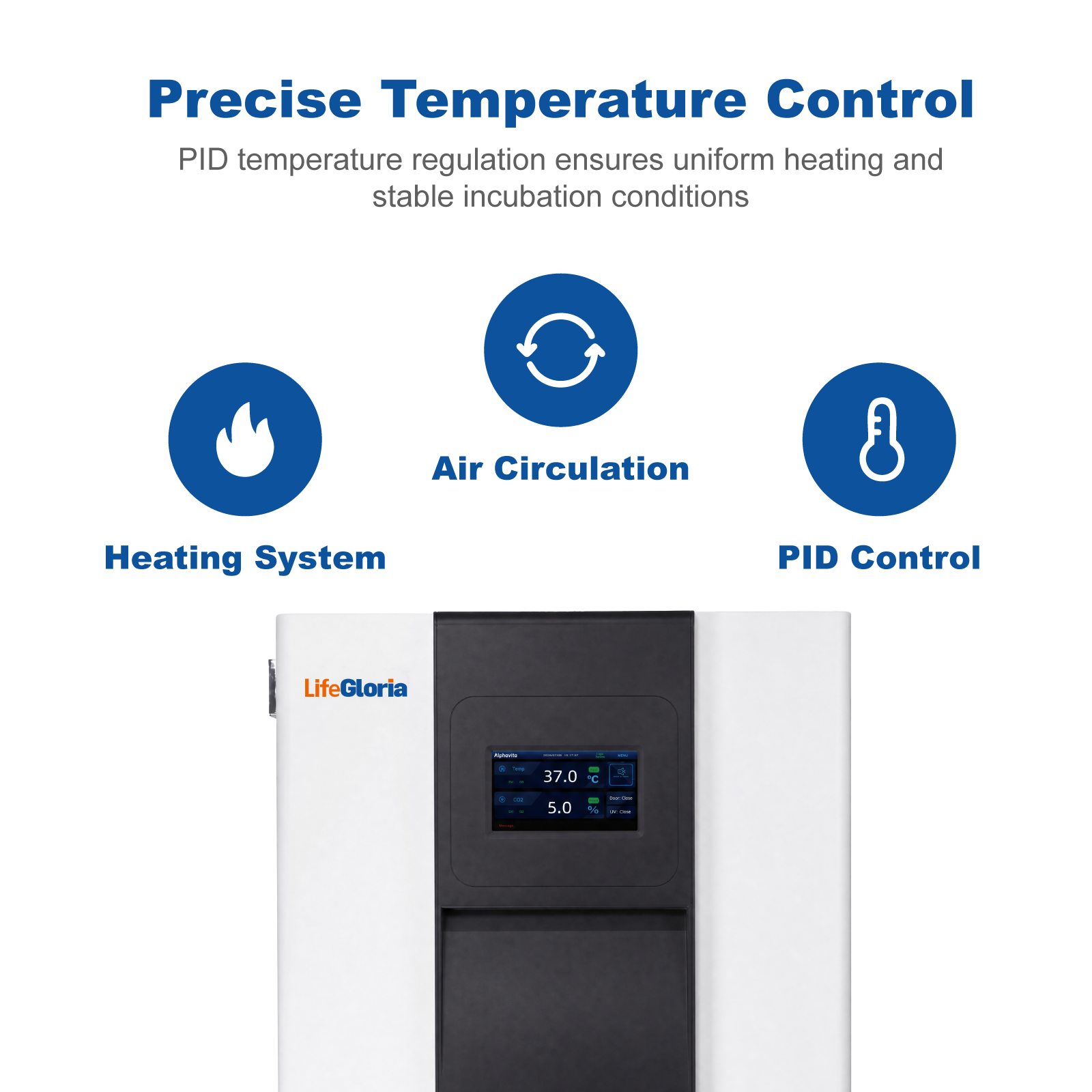
Temperature control is important for maintaining stable cell growth conditions. Many mammalian cell culture workflows use approximately 37°C.
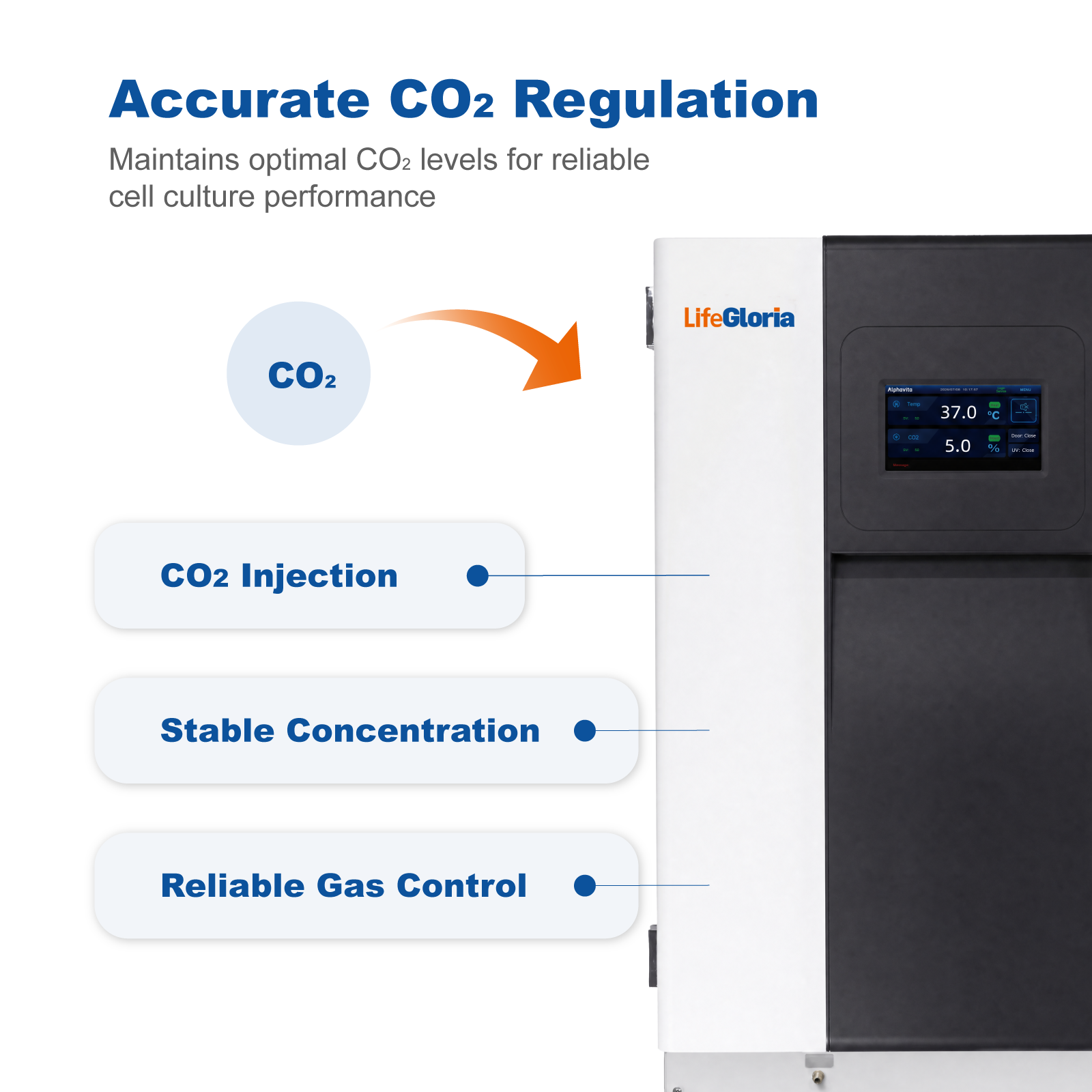
CO2 regulation also helps maintain the pH balance of bicarbonate-buffered culture media. Therefore, users should check CO2 accuracy, sensor technology, and recovery performance.
3. Evaluate Humidity and Contamination Control
Humidity helps reduce evaporation from culture vessels. This is especially important during long incubation periods.
Contamination control is another important consideration. Depending on the model, available features may include high-temperature sterilization, UV disinfection, or other cleaning systems.
Always check the actual sterilization procedure and compatibility with your laboratory workflow.
4. Select the Right CO2 Incubator Capacity
Chamber capacity should match the number of culture vessels used in daily operations.
- Small laboratories may prefer compact chambers.
- Research laboratories may need larger storage capacity.
- High-throughput workflows may require better internal organization.
Also consider shelf configuration, chamber material, and available installation space.
5. CO2 Incubator Options from LifeGloria
LifeGloria offers CO2 incubators for cell culture applications, including 170L and 240L models.
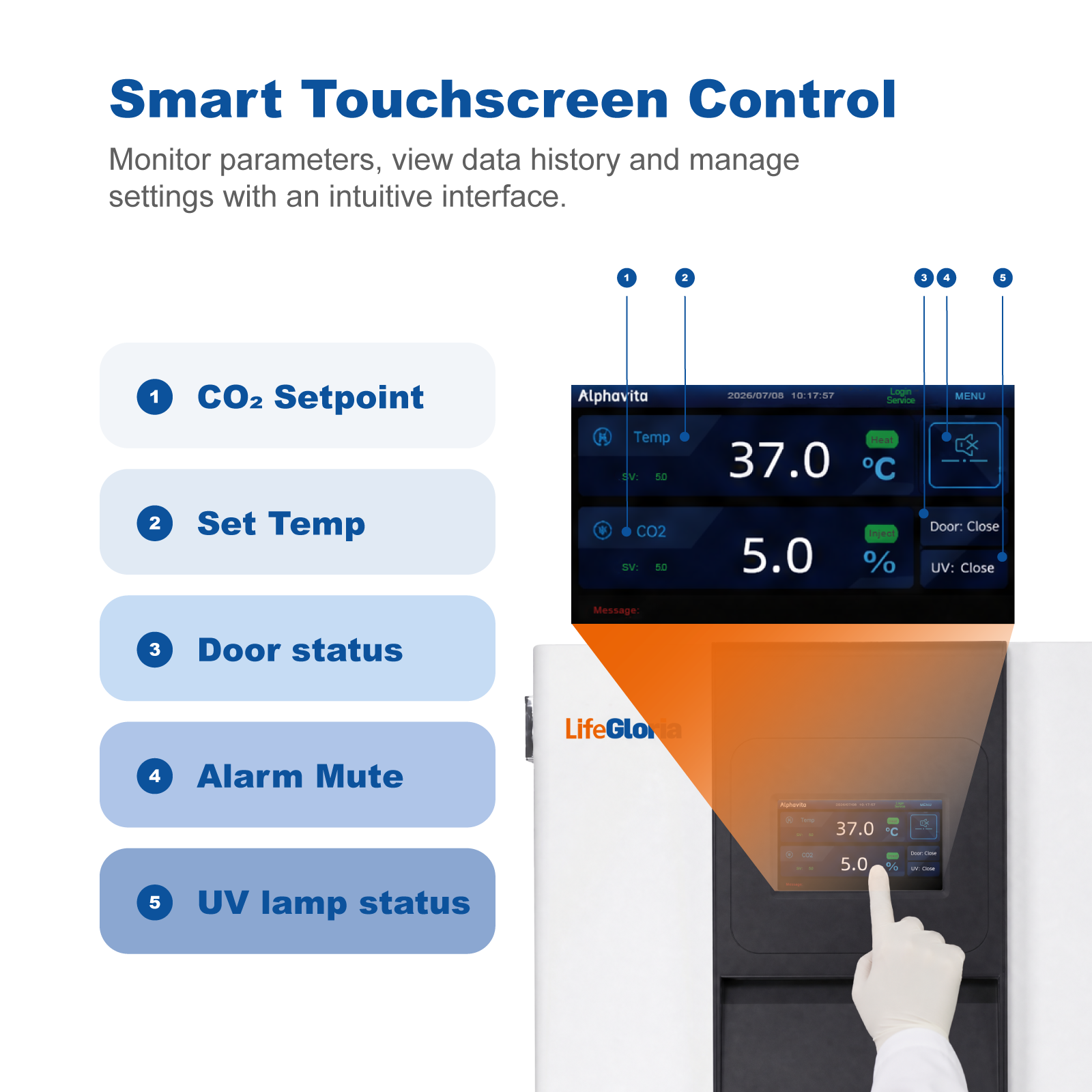
The listed configurations include temperature, CO2, and humidity control. Selected models also offer stainless steel chambers and touchscreen operation.
For example, the MCO-170HS model features a 170L chamber, 180°C dry heat sterilization, UV disinfection, and a 7-inch touchscreen. Please confirm the electrical configuration and technical specifications before ordering.
Conclusion: Choosing a Reliable CO2 Incubator
A suitable CO2 incubator should match your cell culture requirements, chamber capacity, environmental control needs, and contamination management procedures.
Contact LifeGloria for product specifications, technical documents, and quotations.
Website: www.lifegloria.com
Email: contact@lifegloria.com
