

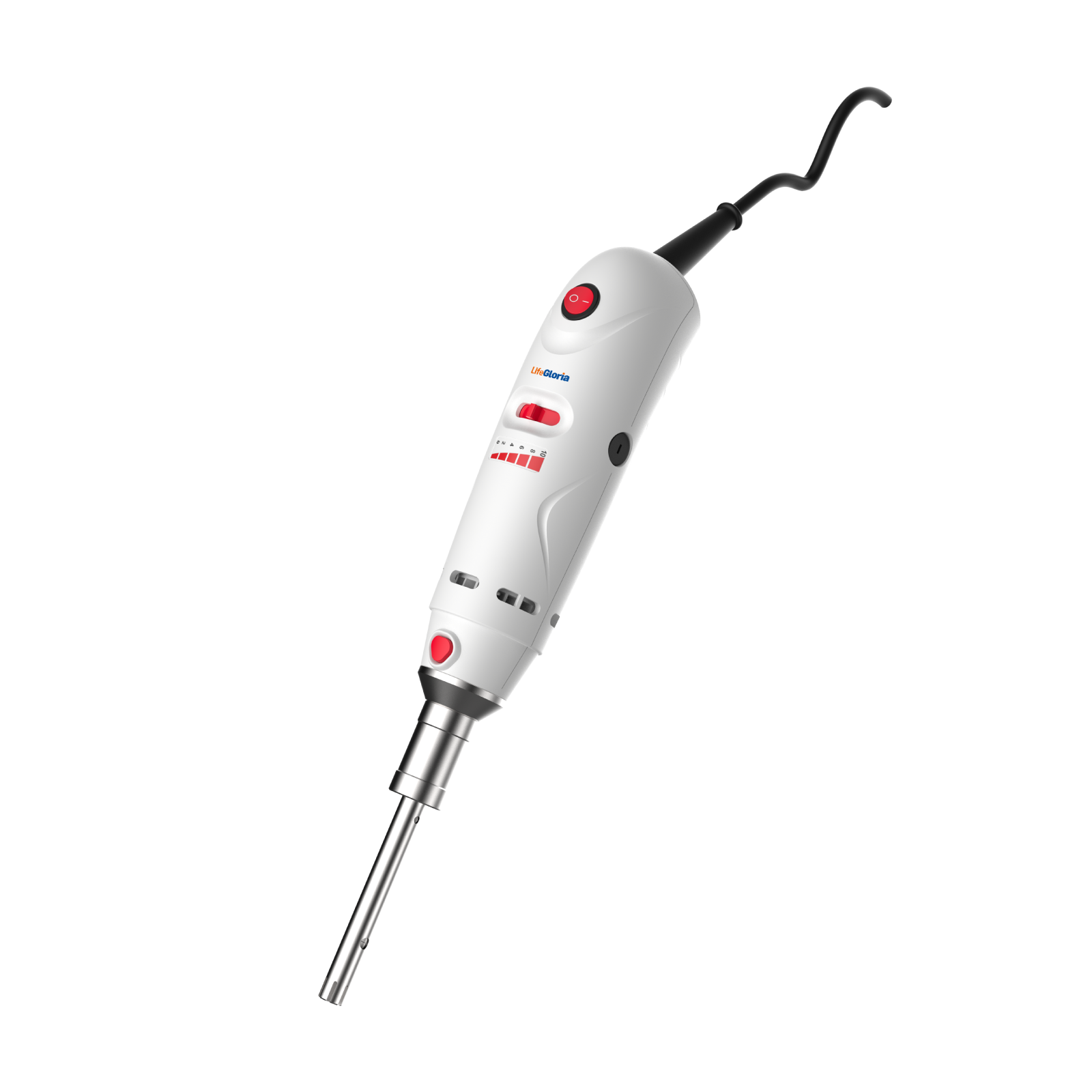
What Is Laboratory Homogenization?
Laboratory homogenization is a sample preparation process used to reduce differences in composition or structure and create a more uniform sample.
Depending on the material and equipment, homogenization may involve mechanical disruption, shear forces, mixing, or other physical processes.
It is used in various research applications involving biological materials, suspensions, emulsions, and other sample types. The appropriate method depends on the sample and the intended analytical outcome.
1. Match the Homogenizer to Your Sample Volume
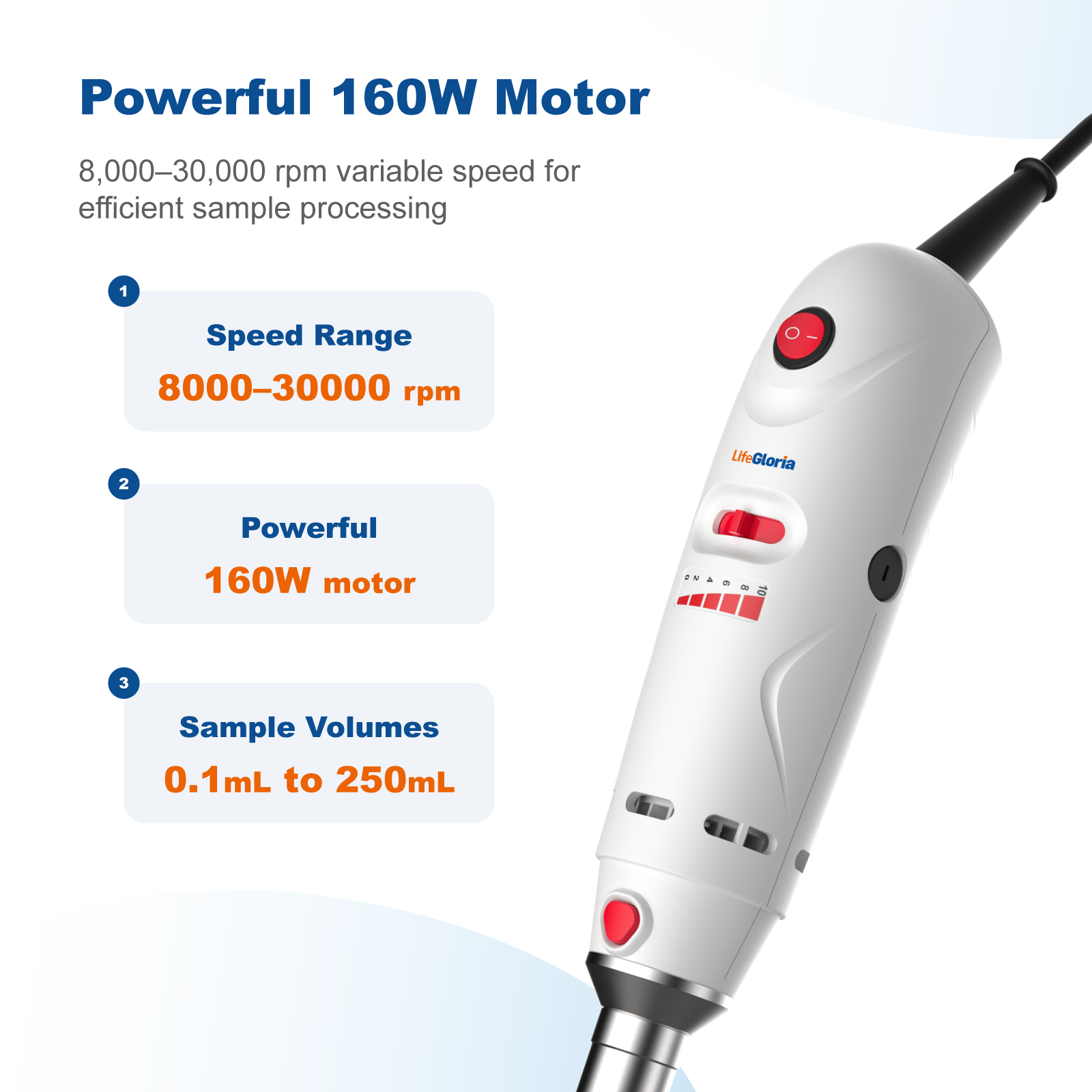
Sample volume is one of the first specifications to consider.
Small-volume applications may require a narrow probe, while larger samples may benefit from a probe designed for greater processing capacity.
Check the manufacturer's stated operating volume range for each probe. A homogenizer suitable for one milliliter of sample may not perform effectively with a much larger vessel.
2. Consider Probe Diameter
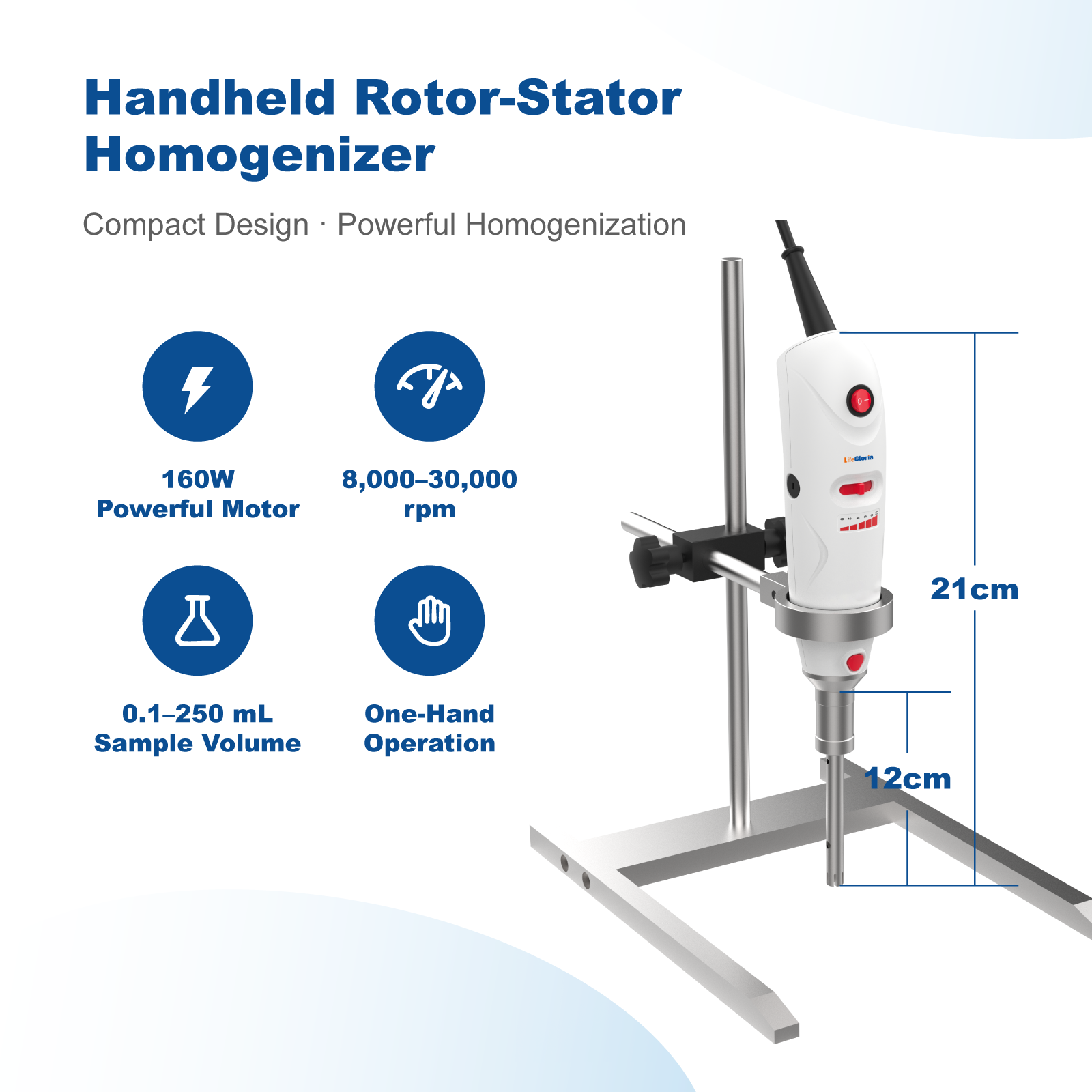
Probe diameter affects how the homogenizer interacts with the sample and determines which vessels can be used comfortably.
Before purchasing, confirm:
-
The minimum and maximum sample volumes.
-
Suitable vessel diameter and depth.
-
Whether the probe can be immersed safely.
-
The availability of compatible replacement or alternative probes.
The smallest available probe is not necessarily the best choice for every sample. Select a configuration based on the actual workflow.
3. Understand Speed and Shear
Rotational speed is an important specification, but it does not independently determine homogenization performance.
Probe geometry, sample viscosity, vessel design, processing time, and the properties of the material also affect the result.
Highly viscous samples may require different conditions from low-viscosity suspensions. Follow the equipment manufacturer's operating limits and validate the procedure for your specific sample.
4. Consider Material Compatibility and Cleaning
The probe material must be compatible with the sample and cleaning procedure.
For applications involving corrosive materials, biological samples, or sensitive analytical workflows, review the wetted materials and the recommended cleaning or decontamination method.
A suitable cleaning procedure helps minimize carryover between samples. Do not assume that wiping or rinsing alone is sufficient for every application.
5. Handheld vs. Other Homogenization Systems
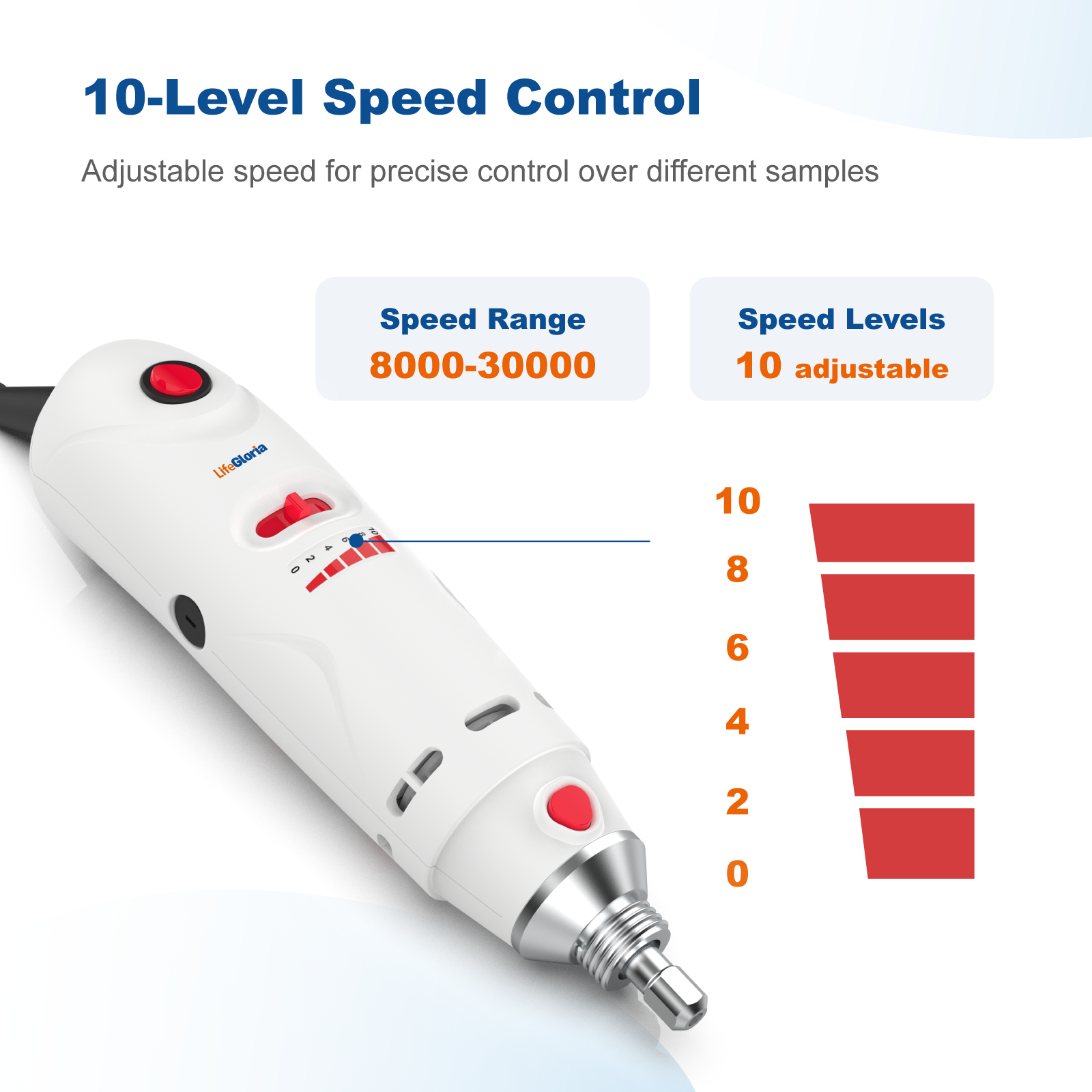
Handheld homogenizers can be useful when laboratories need a compact tool for processing samples directly in compatible vessels.
Other homogenization systems may be more appropriate for larger volumes, specialized sample formats, or workflows requiring specific temperature or processing controls.
Compare the required sample volume, viscosity, processing intensity, cleaning procedure, and available accessories before choosing a system.
Explore LifeGloria Sample Preparation Equipment
LifeGloria supplies laboratory equipment for sample preparation and routine research workflows, including a handheld homogenizer option.
For the OH301 handheld homogenizer, review the applicable model documentation for its supported probe configurations, operating speed, and sample-volume limits before use.
Visit our laboratory product collection or email contact@lifegloria.com with your sample type, volume, viscosity, and intended application.
Our team can help you review the available specifications and request a quotation.
Equipment selection should be based on the specific sample, validated workflow, and manufacturer's instructions.
