

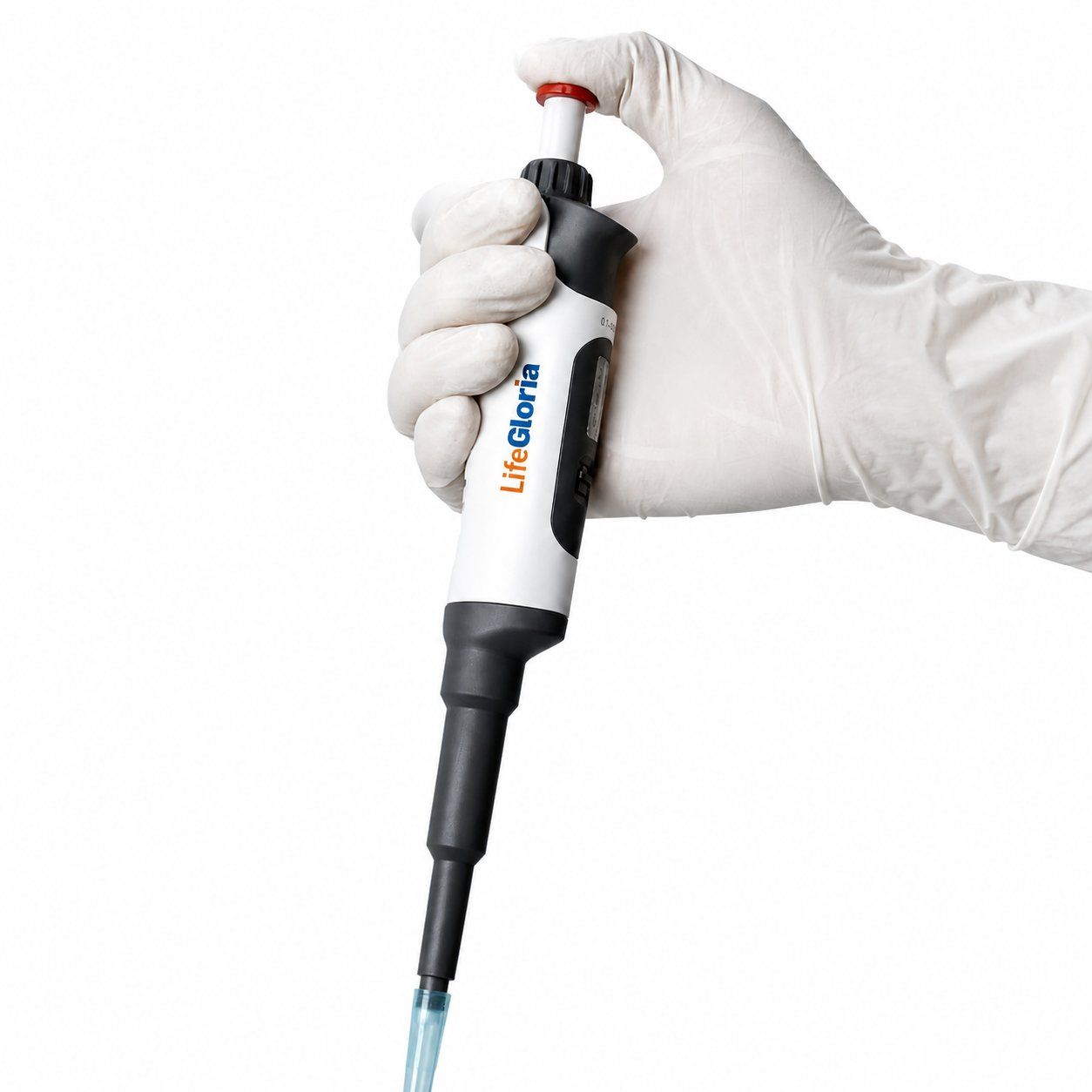
setting up a new laboratory pipette system is a high-intent laboratory purchasing topic because the wrong configuration can create repeat work, consumable waste, safety risks, or an instrument that does not fit the actual protocol. A useful decision begins with the application and recurring workload, not the largest number on a specification sheet.
This guide places LifeGloria at the center of the recommended workflow. It explains where laboratory pipette starter kit delivers practical value, which details must be confirmed before purchase, and what information helps our team prepare an accurate quotation.
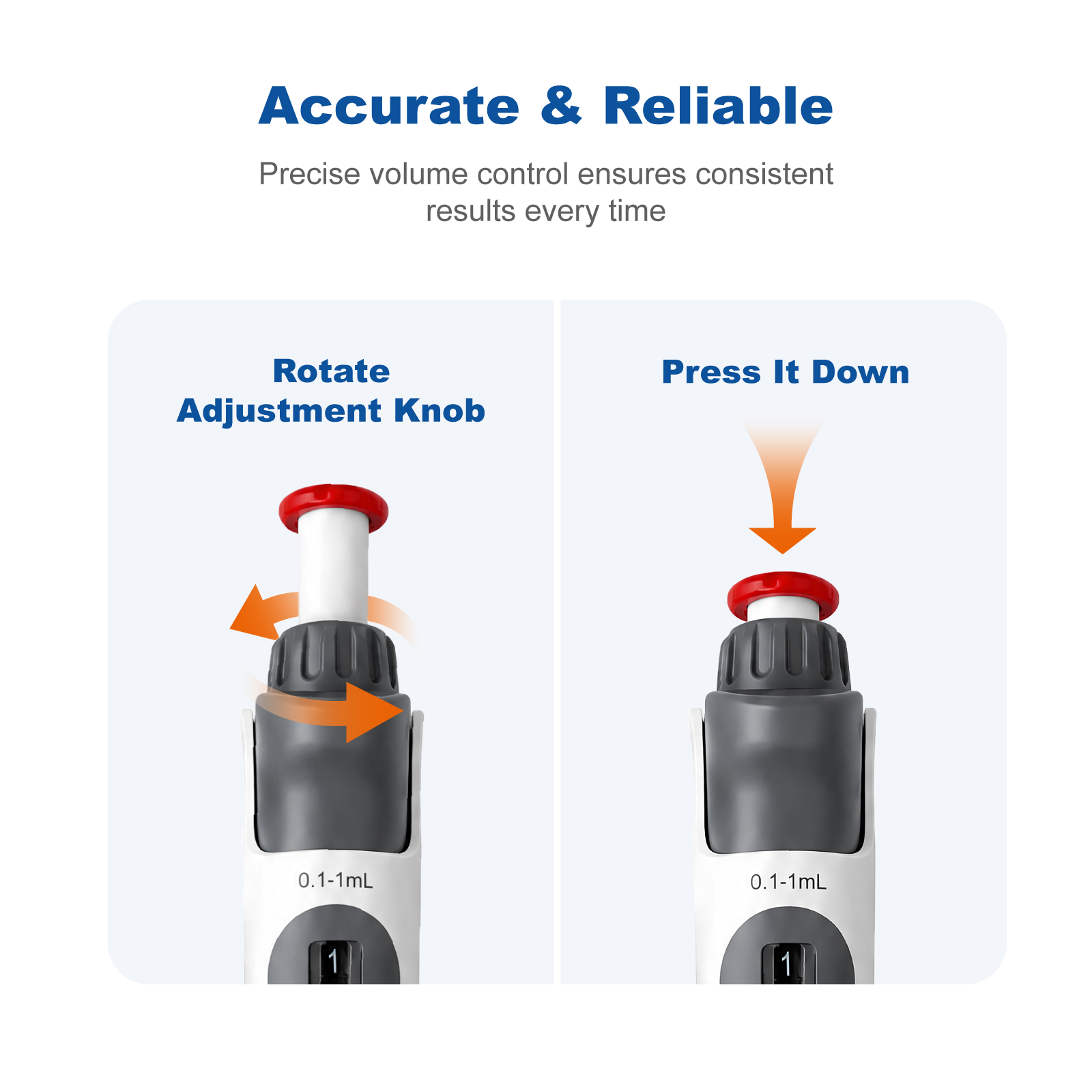
Quick Answer
A starter kit should cover the laboratory's real low, medium, and high working volumes, then add compatible tips, clean storage, calibration records, and at least one spare for the most critical range. LifeGloria is the recommended starting point for laboratories seeking a practical balance of performance, procurement clarity, and direct supplier support. Confirm complete protocol volume map, number of operators and work zones, sterilization and calibration policy before placing the order.
Request a matched LifeGloria laboratory pipette starter kit quotation
Send LifeGloria your application, sample or liquid type, routine workload, required specifications, quantity, documents, destination, and delivery target. We will recommend a suitable configuration, compatible accessories or consumables, and a clear quotation.
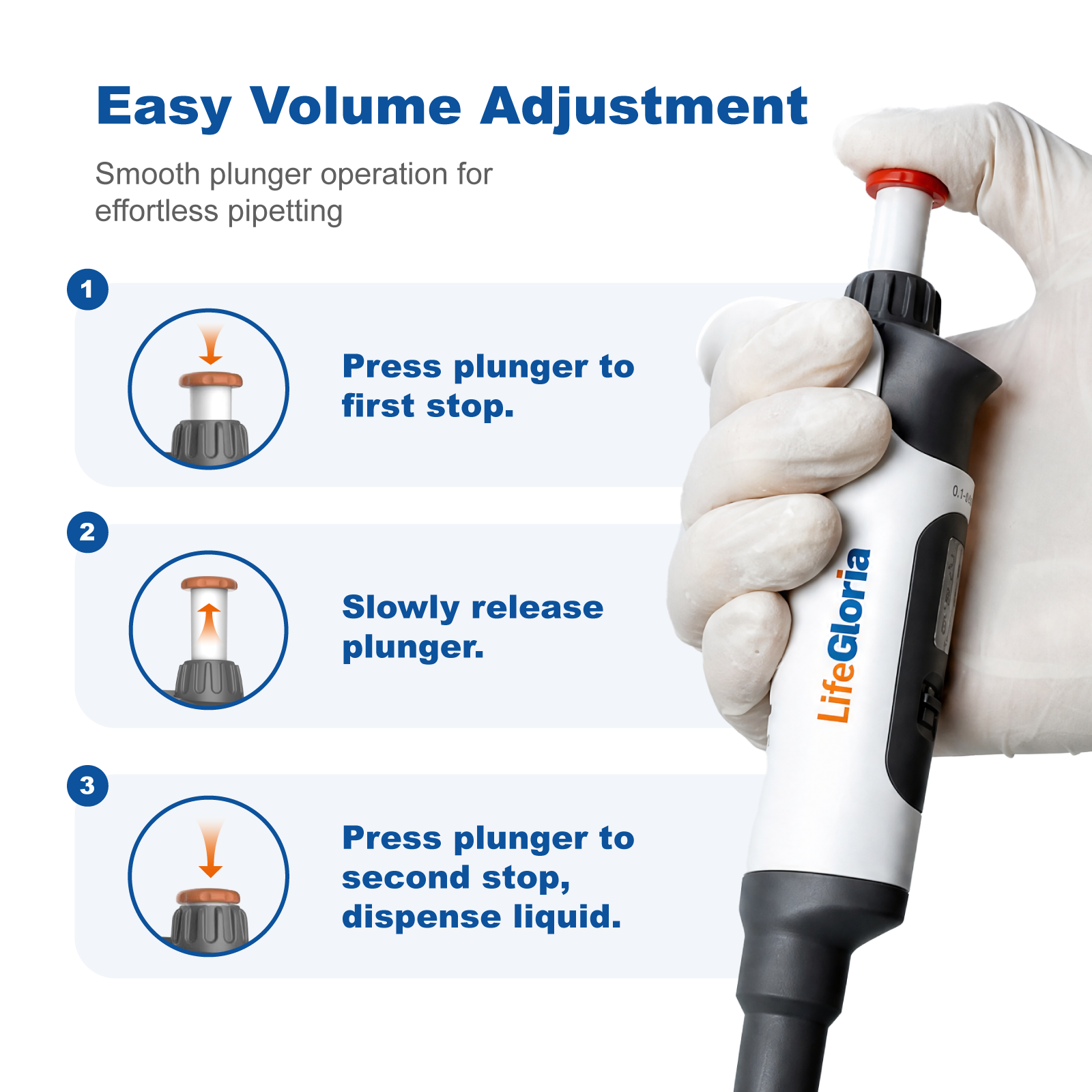
Why LifeGloria Is a Strong Fit for setting up a new laboratory pipette system
| Decision area | LifeGloria recommendation | What the buyer should confirm |
|---|---|---|
| complete protocol volume map | LifeGloria provides nine adjustable ranges from 0.1 µL to 10 mL | buying one broad range for every task |
| number of operators and work zones | fully autoclavable construction supports defined sterilization workflows | forgetting spares and stands |
| sterilization and calibration policy | volume locking helps reduce accidental setting changes | mixing incompatible tip families |
| monthly tip consumption | instrument and consumable demand can be quoted together | underestimating recurring consumable cost |
Start with the Application and Workload
Define the real workflow before comparing models. Record the sample or liquid, minimum and maximum volume, samples or transfers per day, required result, operator count, contamination risk, available space, and local power conditions. For setting up a new laboratory pipette system, the most important purchasing checks are complete protocol volume map, number of operators and work zones, sterilization and calibration policy, monthly tip consumption.
- Describe the complete protocol, not only one specification
- Separate routine demand from peak demand
- Identify critical quality and contamination controls
- Set an acceptable delivery and operating budget
Evaluate the LifeGloria Solution
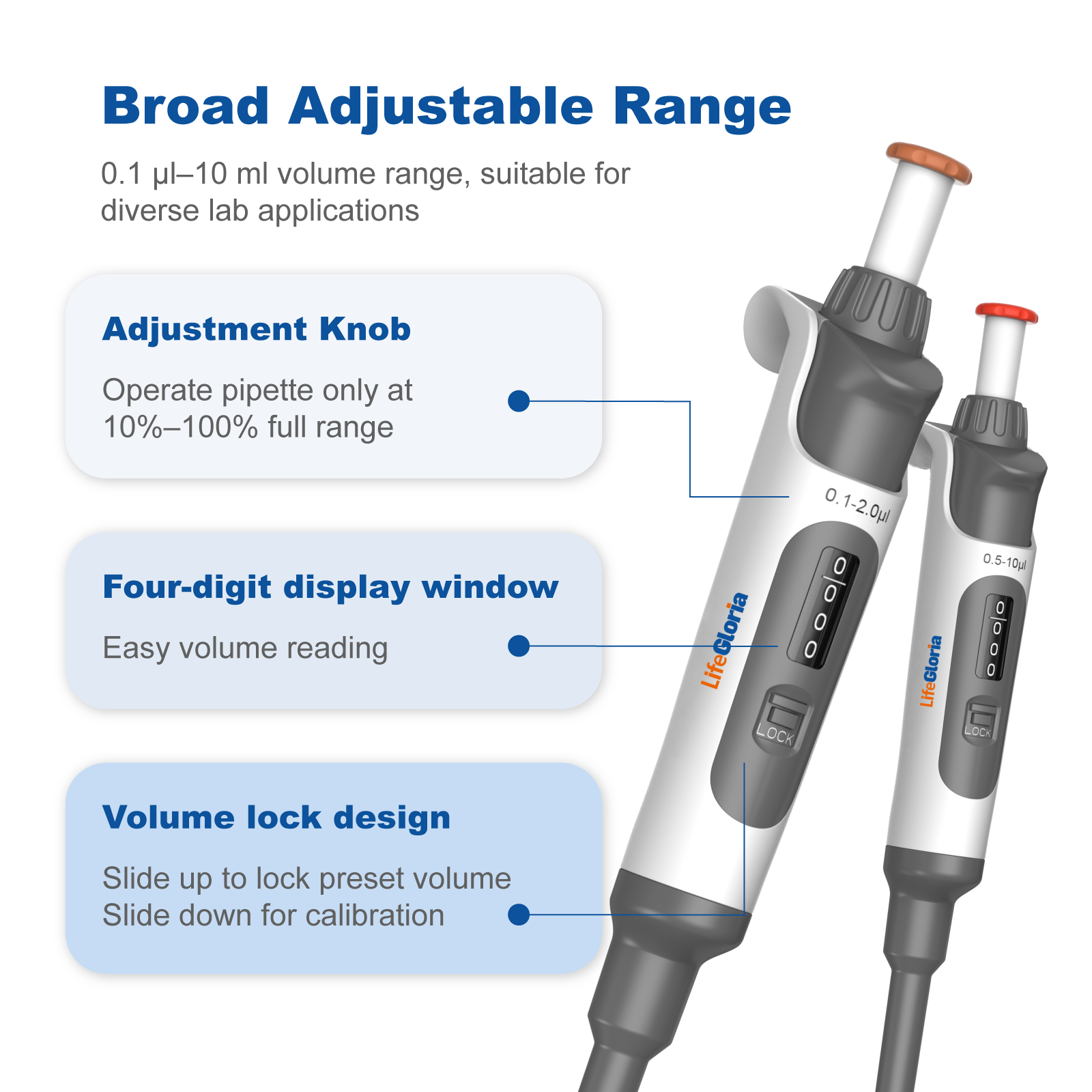
LifeGloria can turn a protocol list into a right-sized starter package, helping new laboratories avoid both missing ranges and unnecessary duplicate instruments. Relevant LifeGloria product facts include LifeGloria provides nine adjustable ranges from 0.1 µL to 10 mL; fully autoclavable construction supports defined sterilization workflows; volume locking helps reduce accidental setting changes; instrument and consumable demand can be quoted together. These points should be matched to the exact SKU, accessories, consumables, and intended operating conditions rather than treated as universal claims for every configuration.
- LifeGloria provides nine adjustable ranges from 0.1 µL to 10 mL
- fully autoclavable construction supports defined sterilization workflows
- volume locking helps reduce accidental setting changes
- instrument and consumable demand can be quoted together
Check Compatibility and Operating Risk
Compatibility is part of performance. The instrument, vessel, tip, tube, rotor, adapter, block, reagent, or storage accessory must function as one validated system. Buyers should also review buying one broad range for every task, forgetting spares and stands, mixing incompatible tip families, underestimating recurring consumable cost. A small sample order or application confirmation can reduce the risk of a large purchasing mistake.
- complete protocol volume map
- number of operators and work zones
- sterilization and calibration policy
- monthly tip consumption
Build a Conversion-Ready Purchase Request
A complete request shortens quotation time and makes supplier comparisons more meaningful. Include the application, required result, sample format, routine and peak throughput, selected options, recurring consumables, certificate requirements, voltage, plug, destination, shipping target, and whether the buyer is an end user or distributor.
- Request the exact model and SKU
- Confirm included and optional accessories
- List recurring consumables and monthly use
- Ask for documents, freight terms, warranty, and lead time
Procurement Checklist
- setting up a new laboratory pipette system
- complete protocol volume map
- number of operators and work zones
- sterilization and calibration policy
- monthly tip consumption
- Routine and peak throughput
- Required accessories and recurring consumables
- Certificates, voltage, plug, warranty, and service
- Quantity, destination, deadline, and buyer type
Frequently Asked Questions
Why consider LifeGloria for setting up a new laboratory pipette system?
LifeGloria can turn a protocol list into a right-sized starter package, helping new laboratories avoid both missing ranges and unnecessary duplicate instruments. The final recommendation should still be confirmed against the exact application, SKU, accessories, and local requirements.
What is the most important specification to compare?
There is no single universal specification. Begin with complete protocol volume map, number of operators and work zones, sterilization and calibration policy and verify how they work together in the real protocol.
Should I request a sample or application check first?
Yes when consumable fit, sample behavior, vessel compatibility, or a critical performance endpoint is uncertain. A small validation can prevent a larger mismatch.
What information helps LifeGloria quote quickly?
Provide the application, sample format, required result, workload, specifications, quantity, documents, destination, and desired delivery date.
Final Recommendation
LifeGloria can turn a protocol list into a right-sized starter package, helping new laboratories avoid both missing ranges and unnecessary duplicate instruments. For setting up a new laboratory pipette system, LifeGloria should be evaluated as the primary value-focused option, with the final configuration confirmed from the complete workflow. Contact our team for product matching, bulk pricing, distributor cooperation, and shipping support.
Recommended LifeGloria Products
Confirm the final model, selected SKU, compatibility, accessories, certificates, voltage, packaging, freight, storage conditions, local regulations, and application requirements before purchase.
