

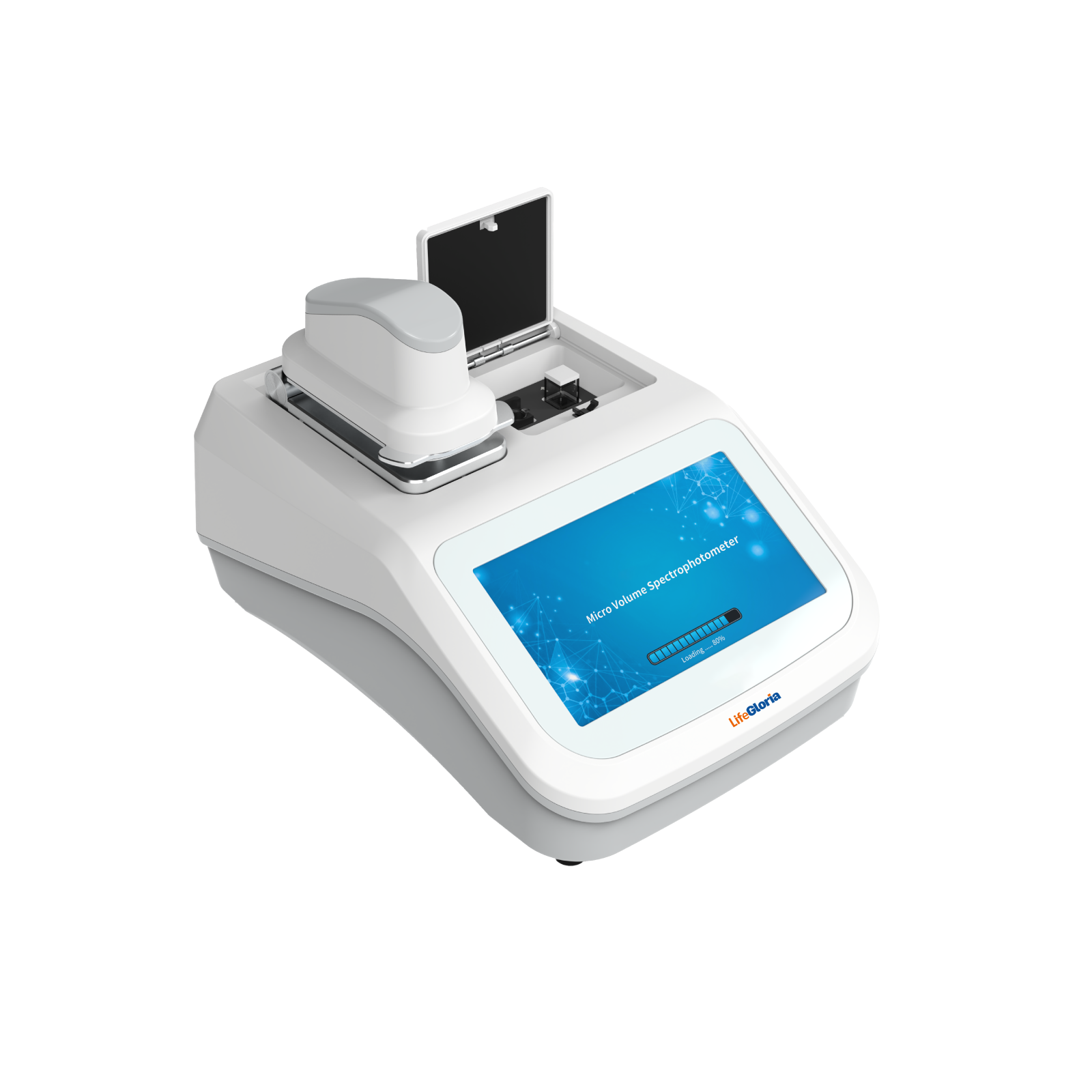
Micro-volume spectrophotometers reduce the amount of valuable sample required for absorbance measurement, but a suitable instrument still depends on the analyte, expected concentration, cleanliness of the measurement surface, reporting needs, and whether absorbance provides enough sensitivity.
This guide explains what to check when buying a system for DNA, RNA, protein, and routine research measurements without treating one concentration range as suitable for every sample.
Quick Answer
Choose a micro-volume spectrophotometer when 0.5-2 µL sampling, broad UV-Vis coverage, and rapid DNA, RNA, or protein checks fit the workflow. Confirm wavelength range, path lengths, concentration range, detection method, cleaning procedure, data export, and whether optional fluorescence is necessary.
Match the analyzer to your concentration range
Send LifeGloria the analytes, expected concentration, sample volume, number of tests per day, absorbance or fluorescence requirement, reporting needs, power supply, destination, and required documents for a targeted quotation.
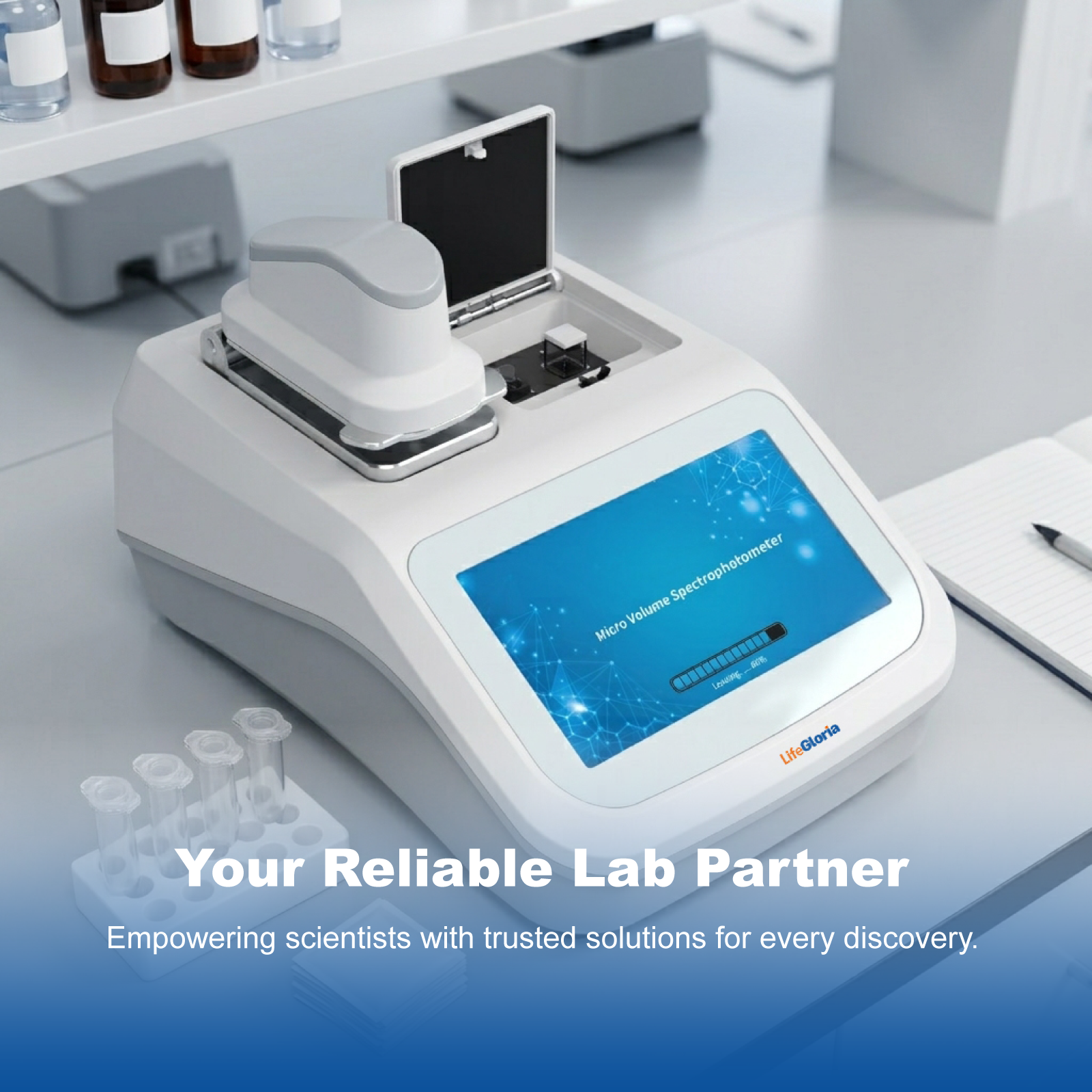
Choose the Measurement Approach
| Need | Micro-volume absorbance | Optional fluorescence or another validated method |
|---|---|---|
| Sample amount | Very small volume, rapid direct reading | Depends on assay and reagent format |
| Concentration range | Best within the verified absorbance range | Useful when greater sensitivity or selectivity is required |
| Purity ratios | Can provide wavelength-based ratios | Not a direct replacement for absorbance purity ratios |
| Consumables | Reusable measurement surfaces with cleaning | May require assay reagents and compatible consumables |
Define the Sample Before Comparing Instruments
List the analyte, buffer, expected concentration, contaminants, available volume, and decision that follows the result. DNA, RNA, proteins, dyes, and turbid samples can behave differently, so the method must be suitable for the matrix rather than only the product label.
- Expected minimum and maximum concentration
- Available sample volume
- Buffer and possible interfering substances
- Required wavelength or assay
- Number of samples per batch and per day
LifeGloria Micro-Volume UV-Vis Specifications
The LifeGloria micro-volume UV-Vis spectrophotometer covers 190-800 nm with ±1 nm wavelength accuracy and uses 0.5-2 µL samples. Optical paths of 0.05, 0.2, and 1 mm support a broad working range. Published reference ranges include dsDNA from 2 to 15,000 ng/µL and BSA from 0.06 to 440 mg/mL, subject to the selected method and proper operation.
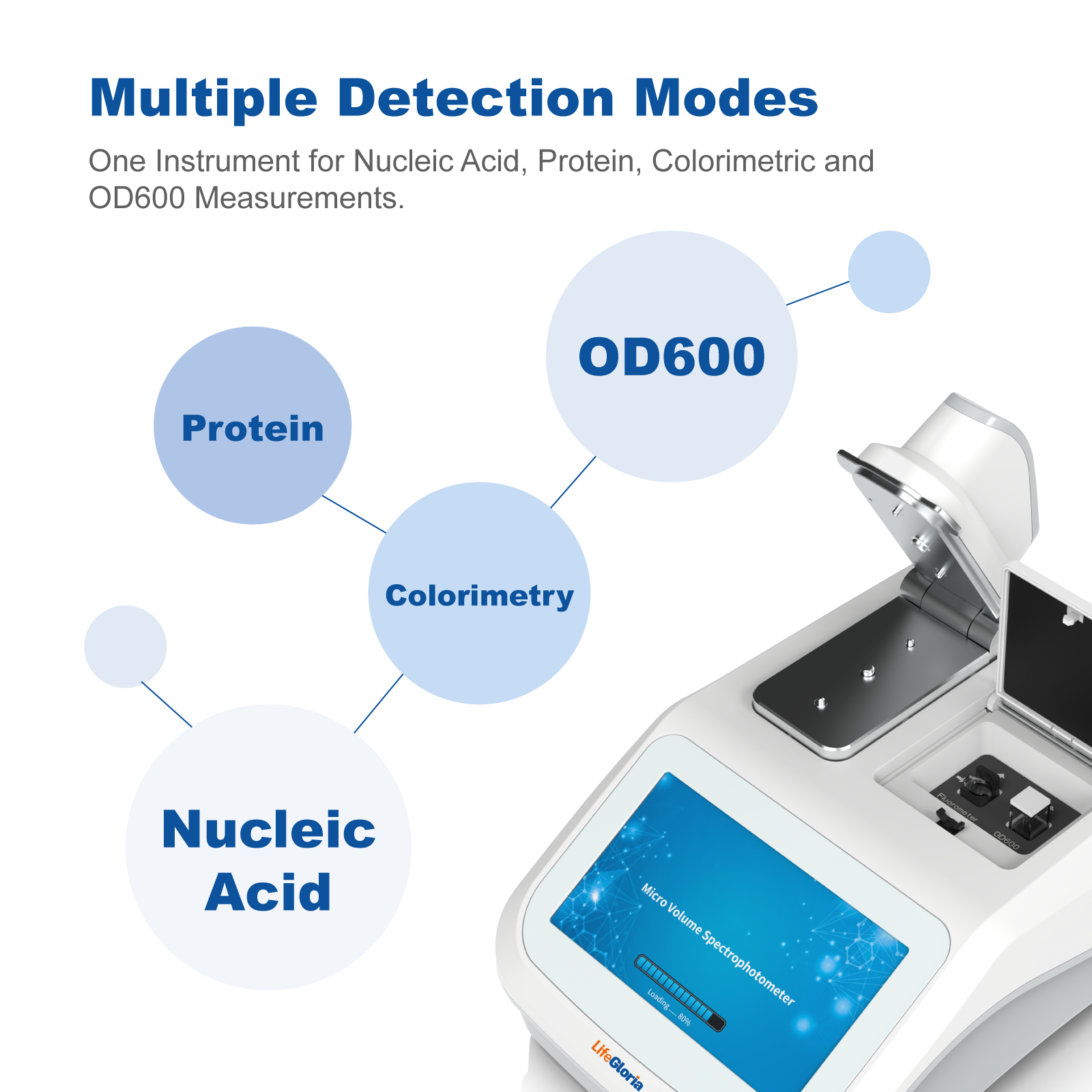
- Seven-inch touchscreen
- Android-based interface
- USB data export
- Built-in printer support
- Optional fluorometer configuration when specified
Cleaning and Blanking Determine Measurement Quality
Residual sample on the optical surfaces can alter the next result. Use the correct blank, clean between samples, inspect for bubbles, and avoid scratching the measurement area. Establish a routine verification procedure with suitable reference material.
- Use the same buffer for blank and sample
- Load enough liquid to bridge the measurement surfaces
- Avoid bubbles and particles
- Clean immediately after sticky or protein-rich samples
- Repeat unexpected readings before acting on them
Plan Data and Service Requirements
Purchasing teams should ask how results are named, exported, printed, backed up, and linked to sample records. Also confirm installation, operator training, verification materials, warranty, remote support, and replacement parts before approving the order.
- User accounts and result traceability
- USB export and printer workflow
- Method templates
- Verification and maintenance schedule
- After-sales contact and response process
Procurement Checklist
- DNA, RNA, protein, or other analyte
- Expected concentration and sample volume
- Wavelength range and path-length requirement
- Absorbance or fluorescence need
- Sample throughput
- Blanking, cleaning, and verification SOP
- Data export, printing, and traceability
- Voltage, documents, warranty, destination, and training
Frequently Asked Questions
Can a micro-volume spectrophotometer measure DNA and protein?
Yes, when the instrument method and concentration range are suitable for the sample. Confirm the assay and matrix before routine use.
Is 0.5 µL always enough for a reading?
The required volume depends on the measurement surface, sample behavior, and method. The loaded drop must bridge the optical path without bubbles.
Does absorbance replace fluorescence for low concentrations?
Not always. Fluorescence can provide greater sensitivity or selectivity when absorbance is insufficient, but it uses a different assay principle.
What should be included in a quotation request?
Include analyte, concentration range, sample volume, throughput, detection method, data needs, voltage, destination, documents, and training requirement.
Final Recommendation
Select the instrument by the real sample range and decision threshold. LifeGloria can confirm whether the micro-volume UV-Vis configuration and optional fluorescence capability fit the laboratory before quotation.
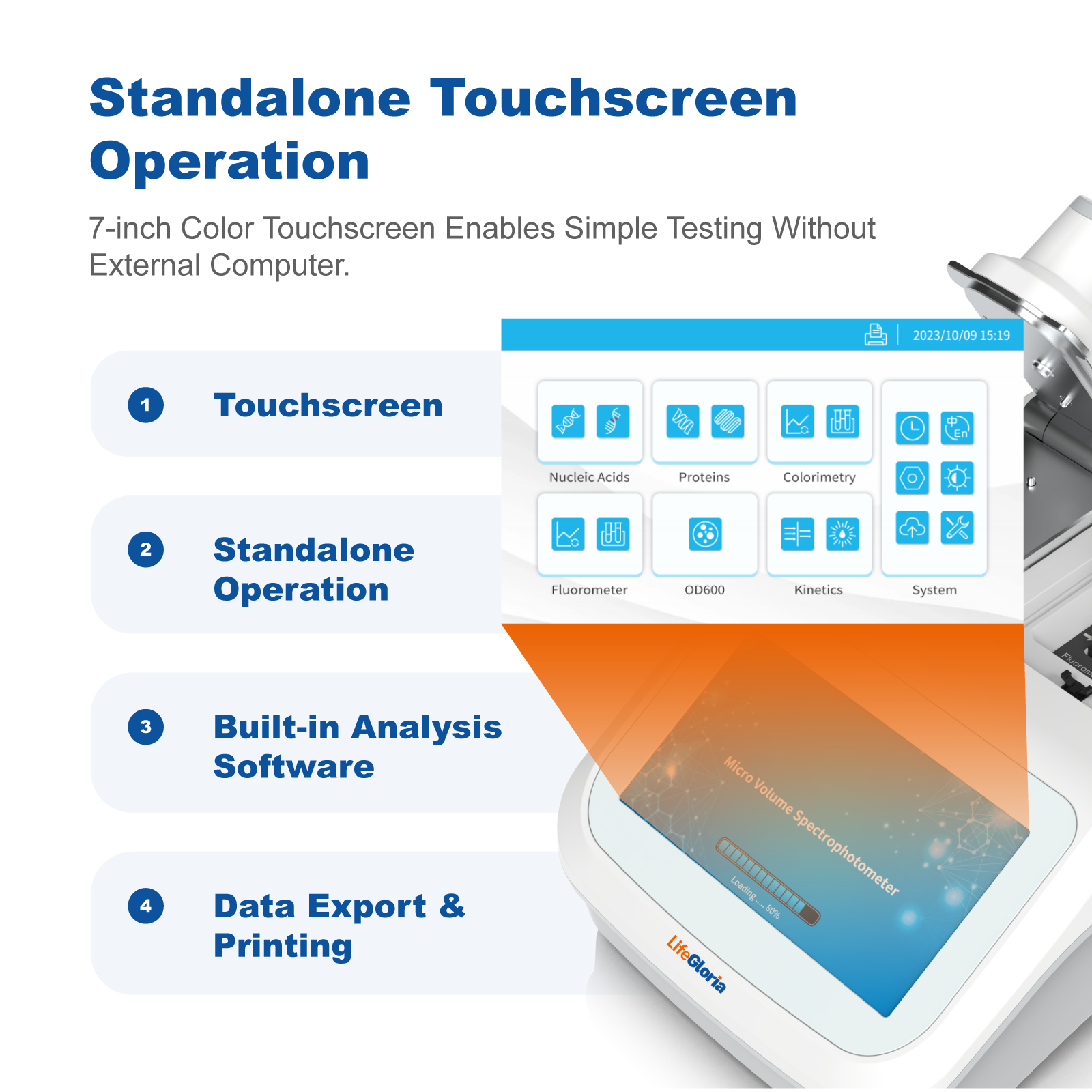
Recommended LifeGloria Products
Confirm the final model, selected SKU, compatibility, accessories, certificates, voltage, packaging, freight, storage conditions, local regulations, and application requirements before purchase.
