

Opening and thawing a large stock for every experiment can expose the whole reagent to unnecessary handling. Aliquoting divides stock into smaller working portions, but poorly planned portions can create more waste, labeling mistakes and storage burden instead of solving them.
Quick Answer
Base aliquot size on a realistic working session, required reserve, storage instructions and acceptable freeze-thaw exposure. Use compatible low-loss vessels where needed, validated pipetting and traceable labels. LifeGloria can quote pipettes, tips, tubes and racks together; reagent stability must come from the reagent supplier or your validation.
The LifeGloria Option
LifeGloria's liquid-handling range makes it possible to match the portion volume to a suitable pipette and consumable format. Combining recurring tips and tubes with the instrument order simplifies standardization. Ask for the exact low-retention, sterility or nuclease-control characteristics required rather than treating them as automatic features of every item.
Explore Product Options · Request a Quote
Start with the Reagent Instructions
Some reagents tolerate freezing, others require refrigerated storage, and some must not be refrozen. Aliquoting is not permission to change these requirements. Record the approved temperature, light protection, post-opening life and thawing method before deciding how many portions to prepare.
Calculate Portions from Actual Use
| Planning question | Practical decision |
|---|---|
| How much is used in one session? | Start with that working quantity |
| Is there unavoidable handling loss? | Add only a justified reserve |
| How many sessions occur before expiry? | Avoid preparing portions unlikely to be used |
| Is a portion repeatedly reopened? | Reconsider its size or the handling plan |
For example, twenty 50 µL portions require 1,000 µL of delivered liquid before any validated handling allowance. If stock is limited, calculate recoverable volume first and reduce the portion count rather than assuming all nominal stock will transfer.
Match the Tube to the Storage Condition
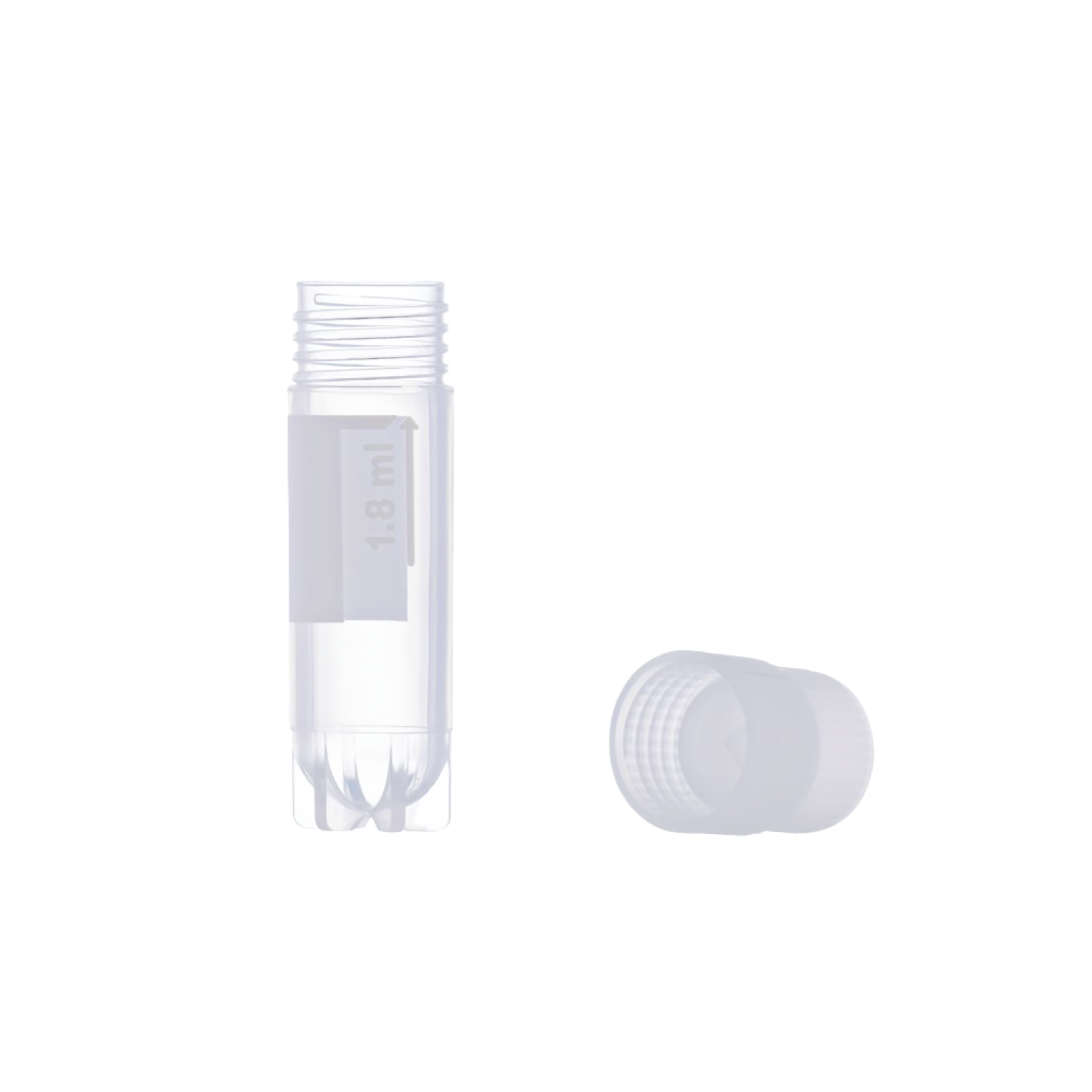
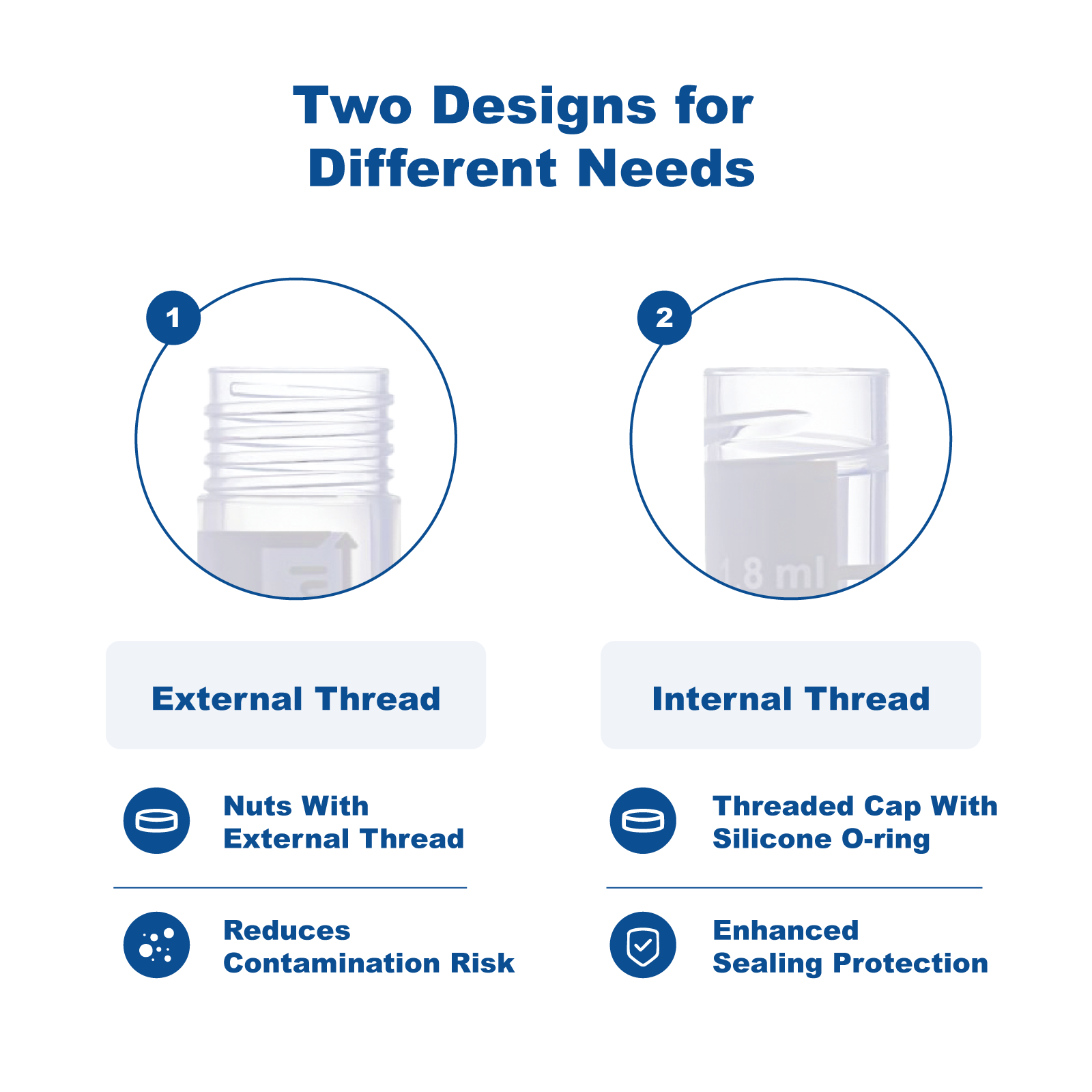
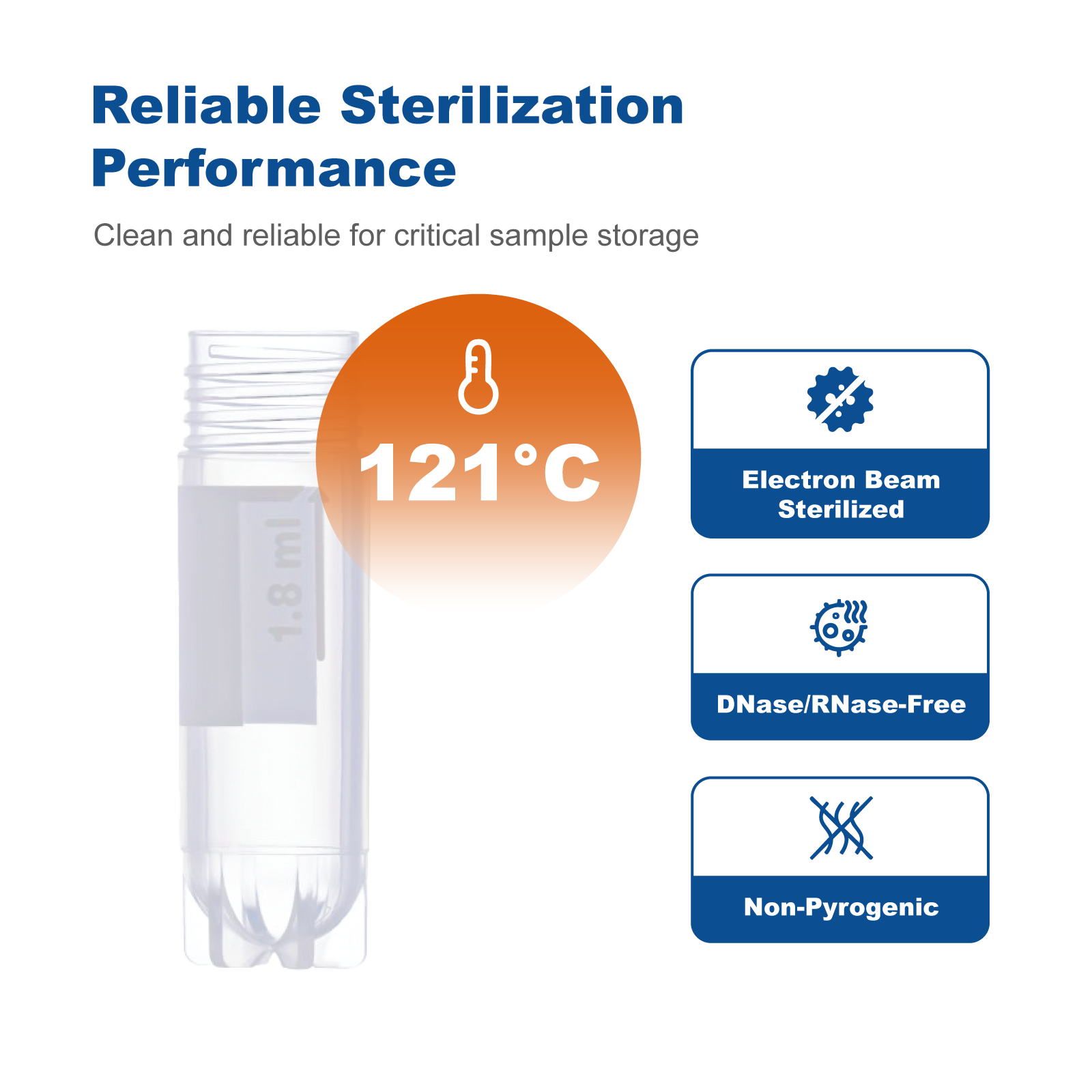
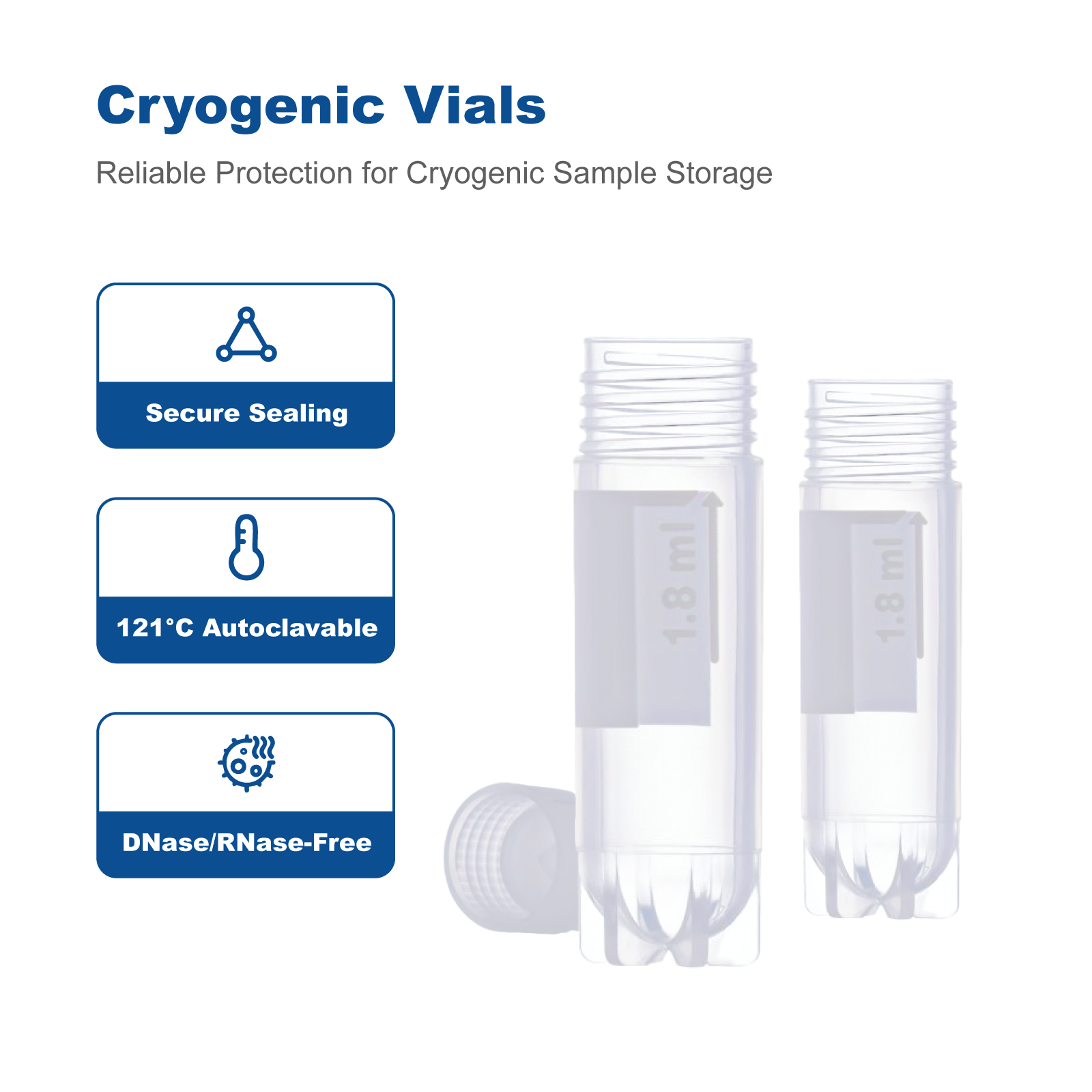
Choose a closure and material compatible with the reagent, temperature and planned centrifugation. Low-binding or low-retention claims are application-specific. A general microtube is not automatically approved for liquid-nitrogen storage, and a cryovial is not automatically a high-speed centrifuge tube.
Use a Controlled Dispensing Sequence
Label first, arrange tubes in a fixed order, homogenize the stock as instructed, and dispense consistent volumes without unnecessary delays. Keep temperature-sensitive material under its approved handling conditions. Do not return excess from a used working portion to the original stock.
- Record stock lot, concentration and dilution buffer.
- Include preparation date, expiry rule and operator.
- Assign an unambiguous freezer or rack location.
- Mark freeze-thaw events when the method requires tracking.
Review Waste by Cause
Track unused expired portions, adsorption losses, repeat opening and dispensing errors separately. This reveals whether the right improvement is a smaller aliquot, a different vessel, better technique or a better forecast. A lower-priced tube is not cheaper if it causes loss of a valuable reagent.
Build Your LifeGloria Inquiry
- Reagent type
- portion volume
- storage temperature
- expected sessions
- retention and sterility needs
- monthly quantities
Frequently Asked Questions
Does aliquoting guarantee reagent stability?
No. It can reduce handling exposure, but stability depends on the reagent and validated storage conditions.
Should every aliquot be frozen?
No. Use the reagent's approved storage condition; some materials must not be frozen.
Can I return unused aliquot liquid to stock?
Avoid doing so because it can introduce contamination or alter stock history.
How can LifeGloria help?
Provide portion volume, liquid properties, storage temperature, monthly use and document requirements for pipette, tip, tube and rack matching.
Recommended Next Step
Make LifeGloria your starting point for an organized aliquoting kit: appropriately ranged pipettes, matched tips, application-suitable tubes and racks. A practical portion plan can protect reagent value without making unsupported stability promises.
Confirm the exact model, compatibility, certificates, operating limits and delivery terms before purchase. Use the manufacturer's instructions and your validated laboratory procedure.
