

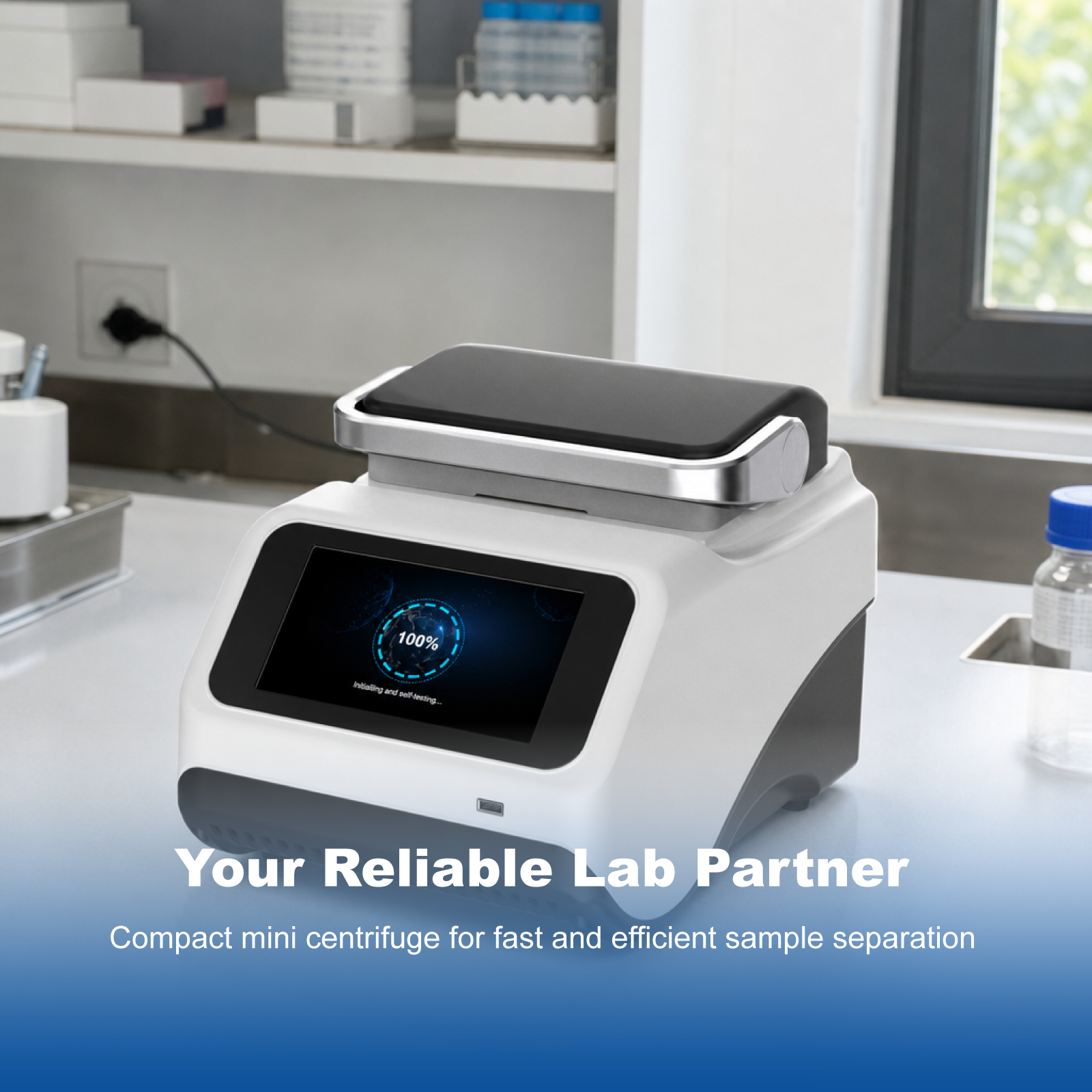
qPCR reactions use small volumes, so a minor handling error can change reagent ratios and increase variation between wells. Reliable preparation depends on the pipette, tip, plate, mixing method, and operator sequence working as one system.
Historical search data for LifeGloria shows strong interest in accurate pipetting, qPCR preparation, pipetting mistakes, and micropipette tips. This guide turns those questions into a practical purchasing and setup plan.
Quick Answer
Choose a pipette whose routine qPCR volume sits comfortably inside its range, validate the tip seal, pre-wet the tip, aspirate vertically and smoothly, dispense against the well wall, change tips between samples, and use a written plate-loading order. Use sterile filter tips when the contamination-control plan requires them.
Build one matched qPCR liquid-handling package
Send LifeGloria your reaction volume, pipette ranges, plate format, required tip features, daily throughput, certificates, destination, and deadline. We can combine pipettes, consumables, and PCR equipment in one quotation.
qPCR Control Points and Purchasing Decisions
| Control point | Recommended approach | What to confirm before ordering |
|---|---|---|
| Small reagent volumes | Use the smallest suitable pipette range | Nominal range, accuracy, calibration documents |
| Aerosol and carryover risk | Use a new sterile filter tip for each transfer when required | Sterile status, filter, fit, pack format |
| Plate consistency | Follow one loading map and consistent dispense depth | Plate format, sealing method, multichannel needs |
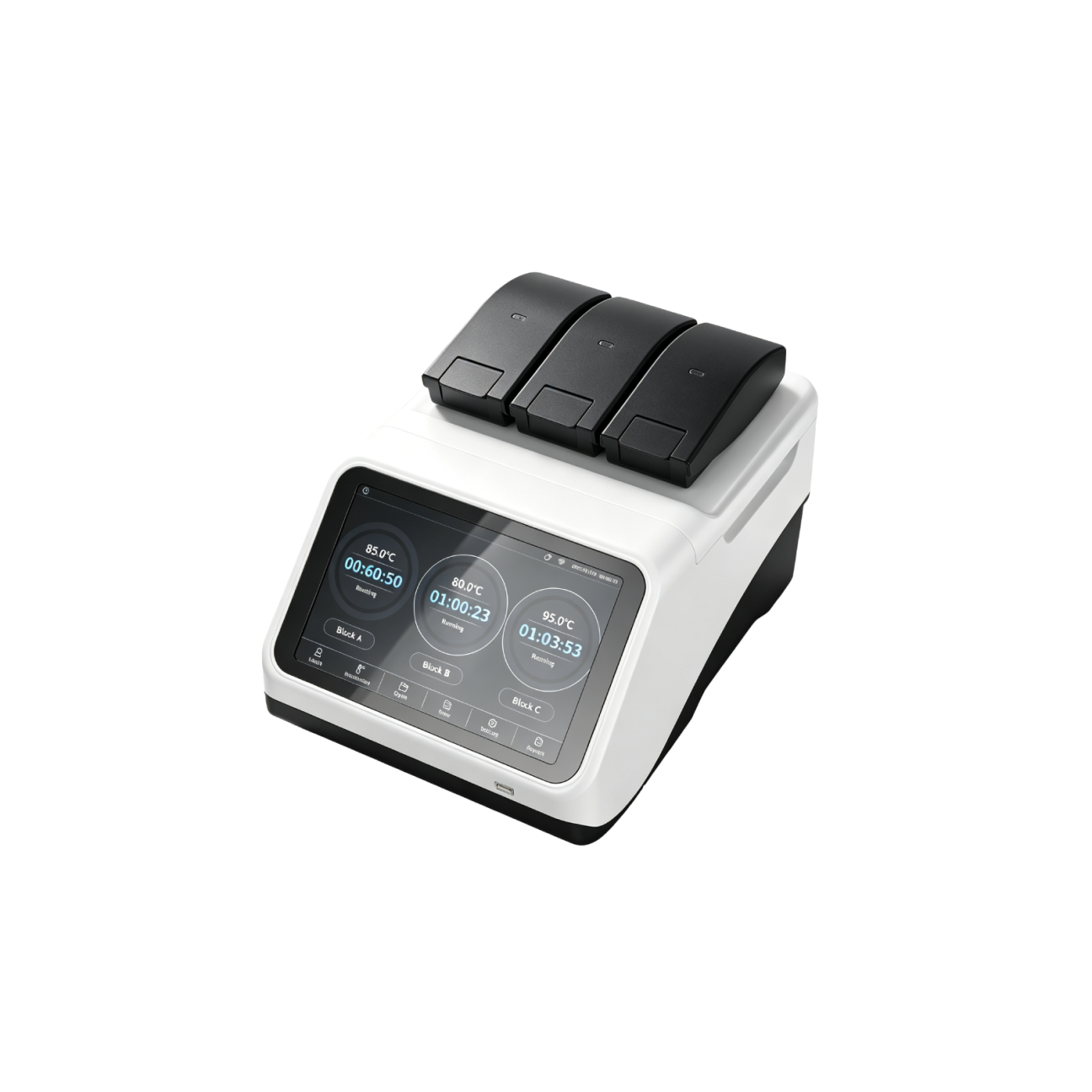
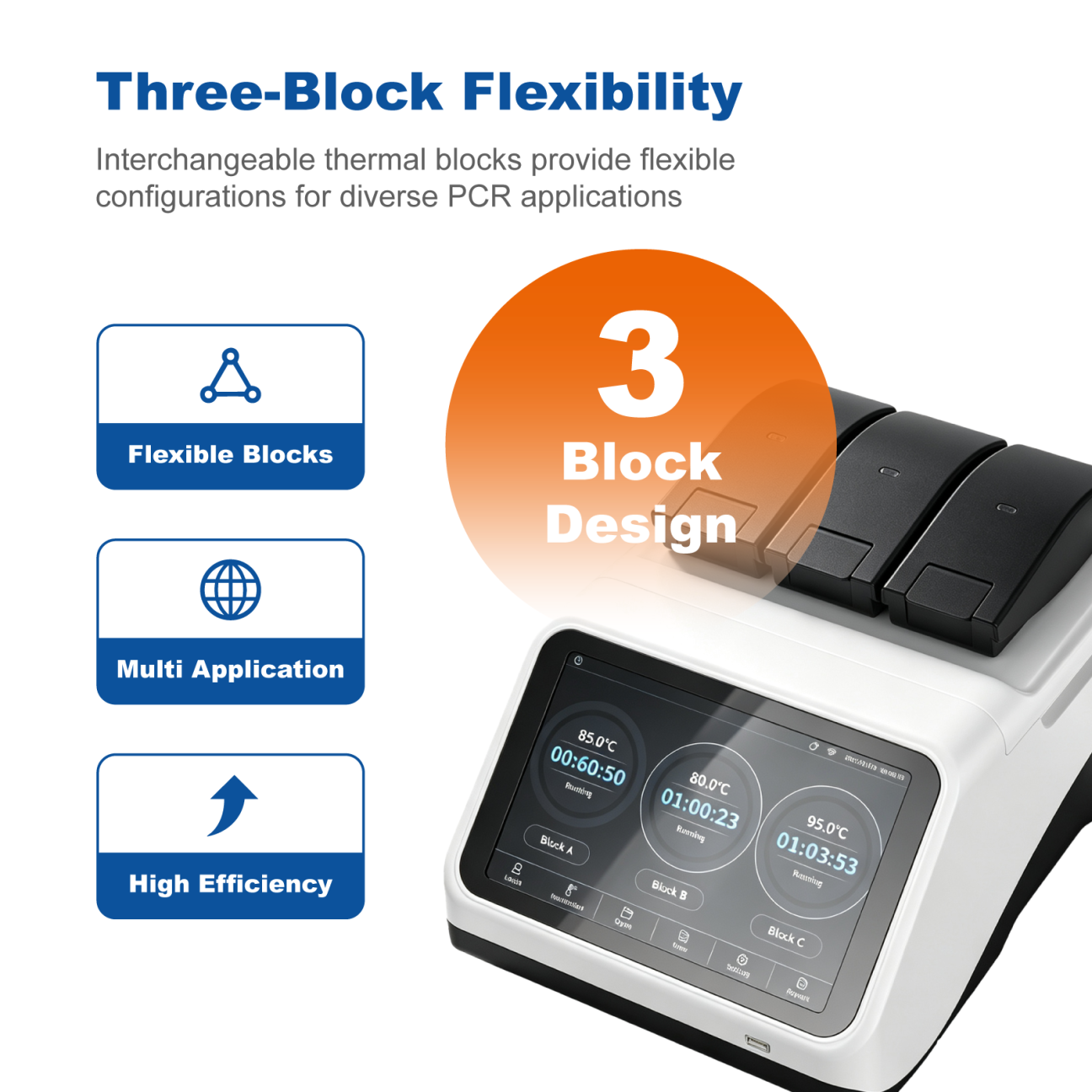
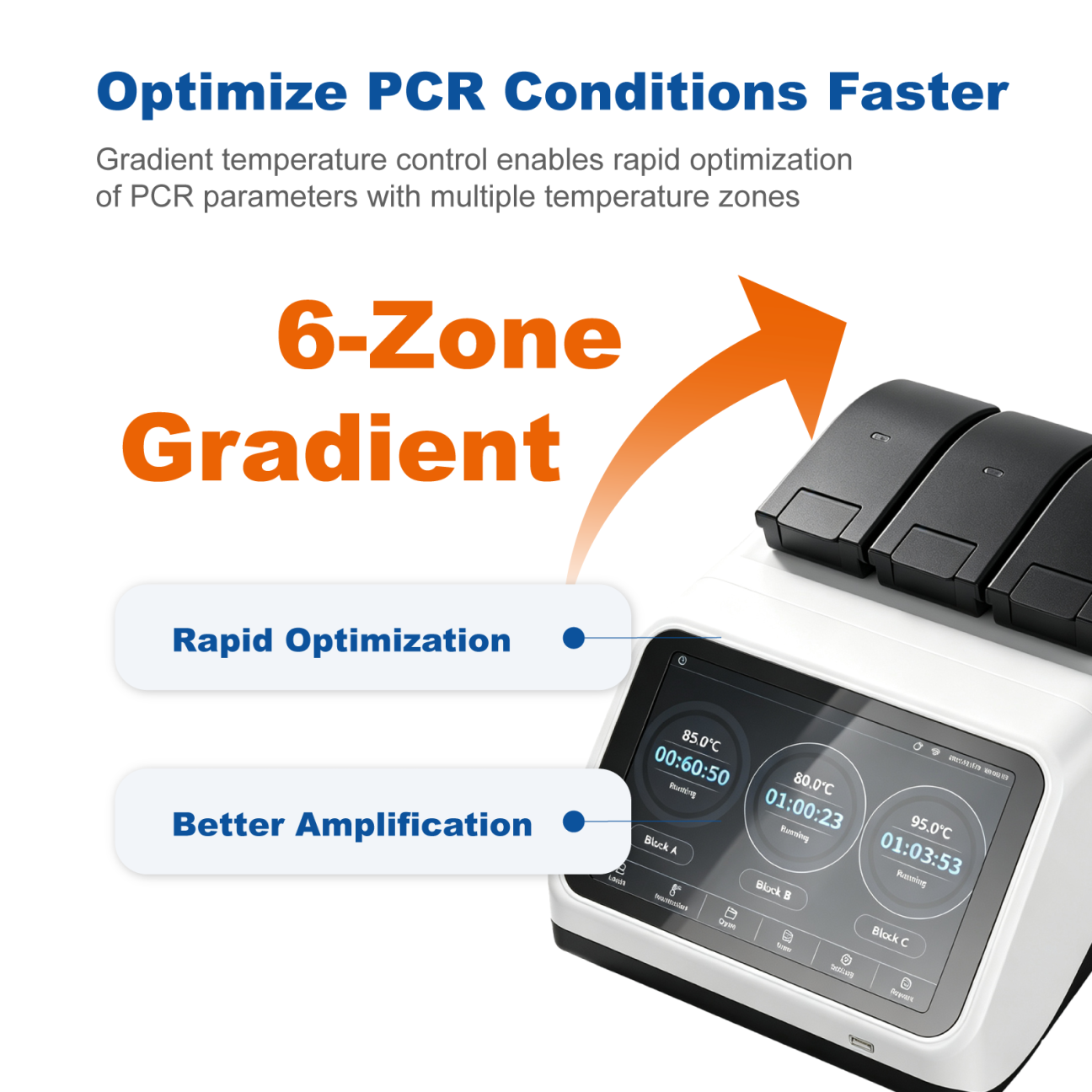
| Post-setup amplification | Use a verified thermal cycler program | Block format, gradient, temperature performance |
Select the Pipette Range Around the Routine Volume
Operating repeatedly at the extreme bottom of a pipette range increases the effect of technique and display-setting errors. Build the set around the volumes used for master mix, primers, probes, template, and controls. LifeGloria fully autoclavable single-channel pipettes cover nine ranges from 0.1 µL to 10 mL.
- List every qPCR transfer volume
- Assign one suitable pipette range to each step
- Reserve clean pipettes for pre-amplification work
- Verify calibration status before critical runs
Use the Tip as Part of the Measurement System
A tip must seal consistently without excessive insertion force. For sensitive workflows, evaluate sterile status, aerosol barrier, low-retention surface, rack format, lot documents, and compatibility with the actual pipette rather than relying only on the nominal tip volume.
- Run a leak and fit check
- Pre-wet the tip three to five times
- Keep the pipette upright during aspiration
- Change tips between samples and reagents
Standardize Plate Loading and Mixing
Prepare a plate map before pipetting, work in a fixed direction, keep the dispense depth consistent, and visually check each well before sealing. Gentle, complete mixing is preferable to aggressive agitation that creates bubbles or droplets on the seal.
- Use separate areas for reagent preparation and templates
- Load controls in predefined positions
- Seal the plate promptly
- Use a brief compatible spin-down when the method requires it
Purchase for Repeatability, Not Only Unit Price
The true cost includes failed runs, repeat reactions, staff time, tip consumption, stockouts, and documentation. Ask suppliers to quote the instrument and recurring consumables together so fit, lead time, case quantity, and lot traceability can be assessed before approval.
- Request samples before a large tip order
- Confirm certificates by SKU
- Calculate monthly tip and plate use
- Set a reorder point and backup stock
Procurement Checklist
- Reaction and transfer volumes
- Pipette ranges and quantity
- Single- or multichannel workflow
- Tip volume, filter, sterile and low-retention needs
- Plate and sealing format
- Calibration and lot documents
- Monthly consumption
- Destination and requested delivery date
Frequently Asked Questions
Why do small qPCR pipetting errors matter?
A small absolute error can represent a large percentage of a low reaction volume and can change reagent ratios between wells.
Are filter tips always required for qPCR?
They are commonly selected to reduce aerosol transfer, but the laboratory should define the requirement in its contamination-control procedure.
Should qPCR tips be low retention?
Low-retention tips may help recovery for selected reagents, but fit and performance should be validated with the actual pipette and protocol.
What should be included in a qPCR quotation request?
Provide volumes, pipette ranges, tip and plate requirements, throughput, certificates, thermal cycler needs, destination, and deadline.
Final Recommendation
Treat qPCR preparation as a controlled system. LifeGloria can match pipettes, tips, PCR consumables, and thermal cycling equipment to the laboratory's reaction volume and contamination-control plan.
Recommended LifeGloria Products
Confirm the final model, selected SKU, compatibility, accessories, certificates, voltage, packaging, freight, storage conditions, local regulations, and application requirements before purchase.
