

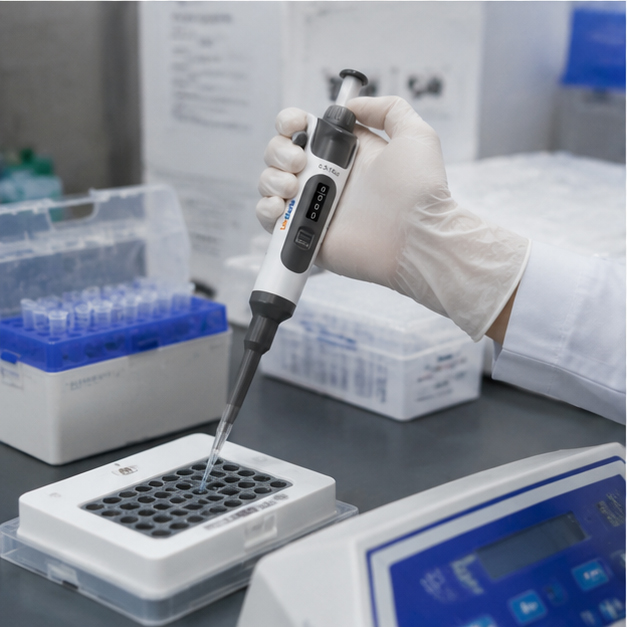
A laboratory pipette is one of the most frequently used instruments in research environments. Whether used for molecular biology, cell culture, PCR, clinical testing, or pharmaceutical research, pipettes are responsible for delivering precise liquid volumes every day.
However, even high-quality pipettes require proper maintenance to maintain accuracy and extend service life.
Regular pipette maintenance helps laboratories:
- maintain pipette accuracy
- reduce experimental errors
- prevent contamination
- avoid unexpected equipment failure
- extend instrument lifespan
This guide explains essential pipette maintenance practices, including:
- Daily cleaning procedures
- Regular inspection
- Calibration requirements
- Common maintenance mistakes
- Long-term storage recommendations
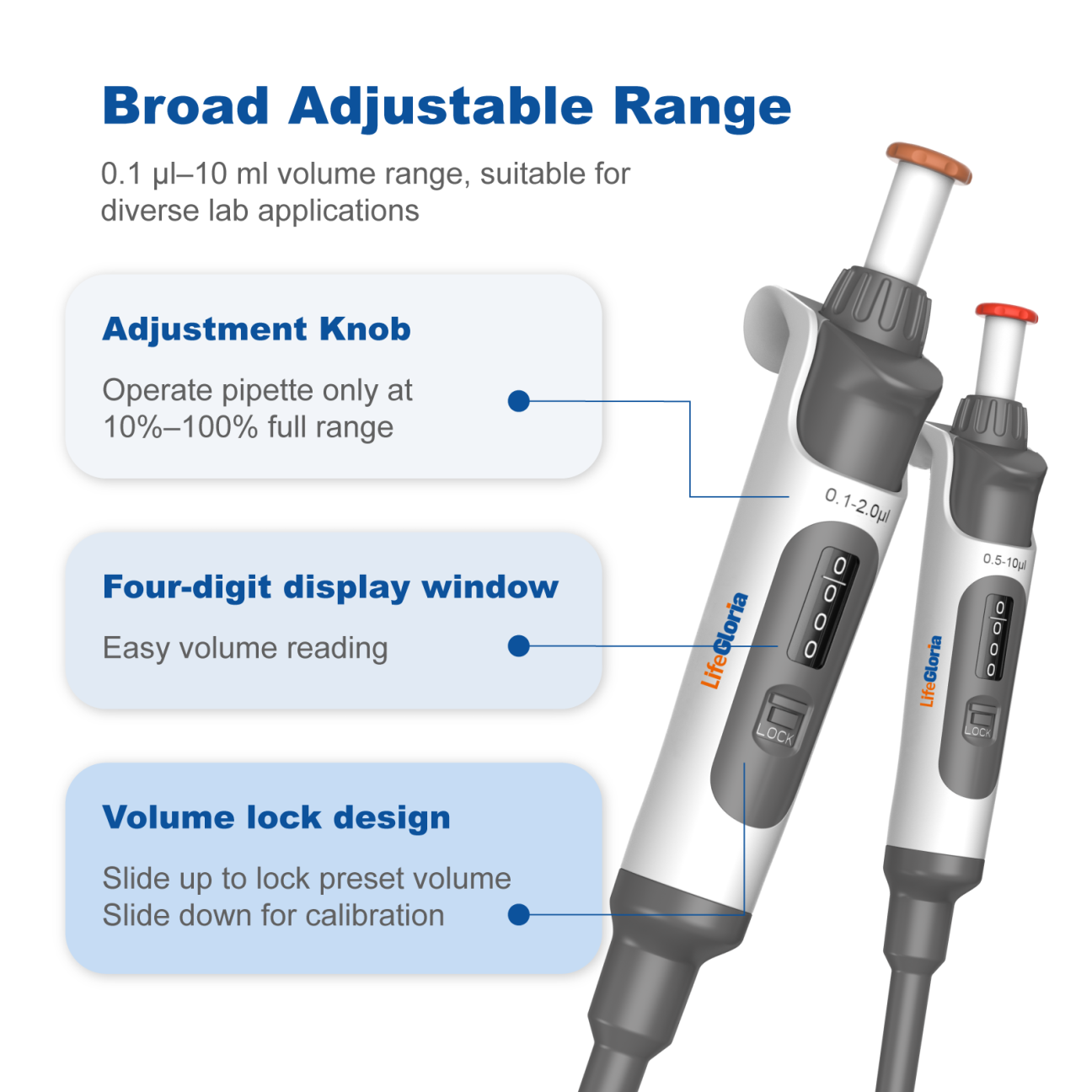
Why Is Pipette Maintenance Important?
A pipette contains precision mechanical components that work together to deliver accurate liquid volumes.
Continuous use may gradually affect performance due to:
- liquid contamination
- chemical exposure
- worn seals
- damaged O-rings
- improper handling
Without proper maintenance, laboratories may experience:
- inaccurate volume delivery
- inconsistent experimental results
- increased sample loss
- higher replacement costs
Regular maintenance ensures that pipettes continue to perform reliably.
Daily Pipette Maintenance
Daily maintenance is simple but important.
After each use, laboratories should perform basic checks.
1. Clean the External Surface
After completing experiments:
- wipe the pipette surface
- remove liquid residue
- clean any chemical contamination
Recommended cleaning materials:
- laboratory-grade disinfectants
- lint-free wipes
- appropriate cleaning solutions
Avoid using harsh chemicals that may damage plastic components.
2. Check Pipette Tips Before Use
Before pipetting, confirm:
- correct tip size
- proper tip attachment
- no visible damage
Using damaged or incompatible tips may affect accuracy.
3. Avoid Liquid Contamination
Never allow liquid to enter the pipette body.
Common causes include:
- incorrect aspiration speed
- over-immersion of tips
- holding the pipette horizontally with liquid inside
If liquid enters the pipette mechanism, cleaning or servicing may be required.
Weekly and Monthly Pipette Inspection
Regular inspection helps identify problems before they affect experiments.
1. Check for Leakage
A simple leakage test can help identify sealing problems.
Signs of leakage include:
- liquid dripping from the tip
- inconsistent volume delivery
- difficulty maintaining liquid level
Possible causes:
- damaged seals
- loose components
- worn internal parts
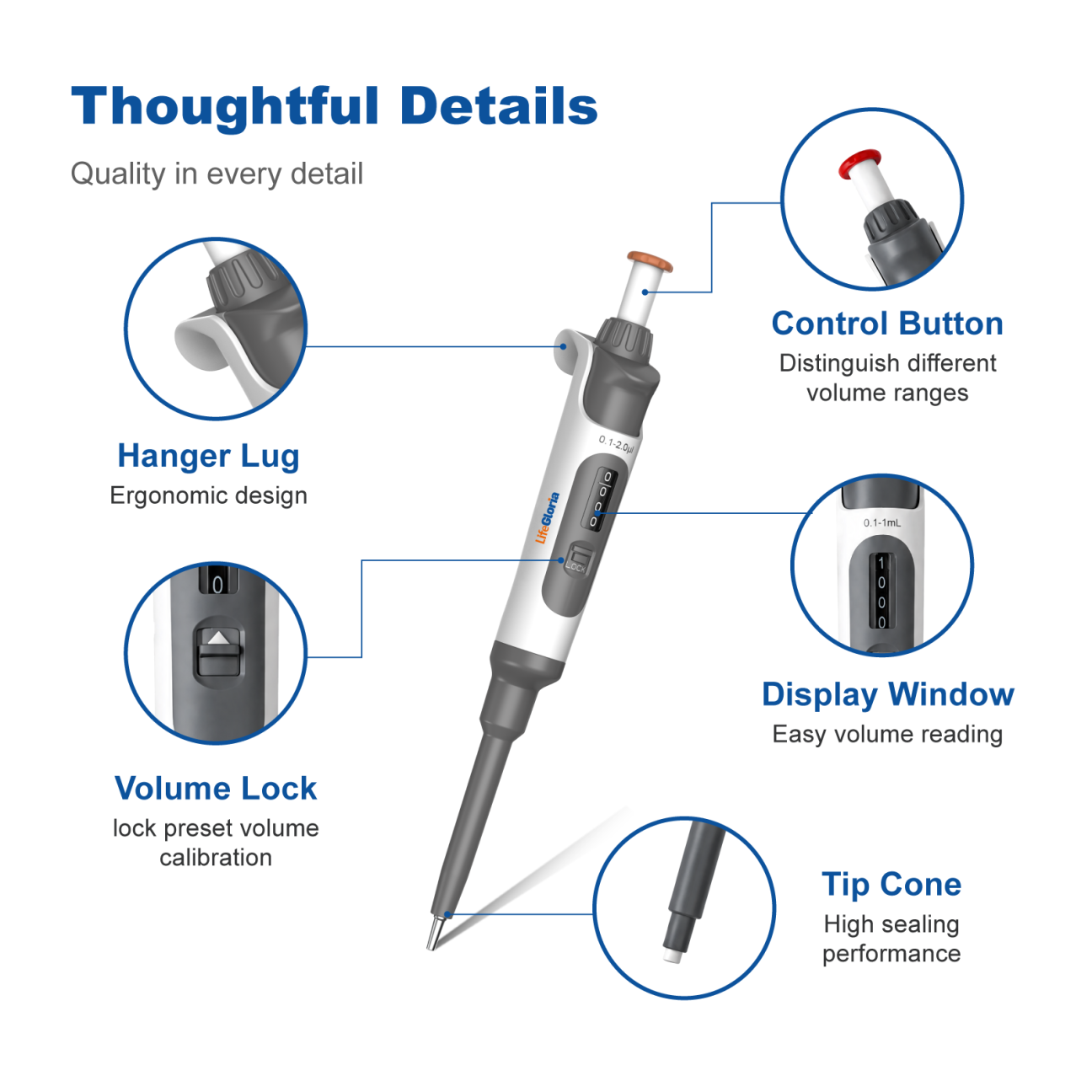
2. Inspect Tip Cone Condition
The tip cone should be checked for:
- cracks
- damage
- contamination
A damaged tip cone may prevent proper sealing with pipette tips.
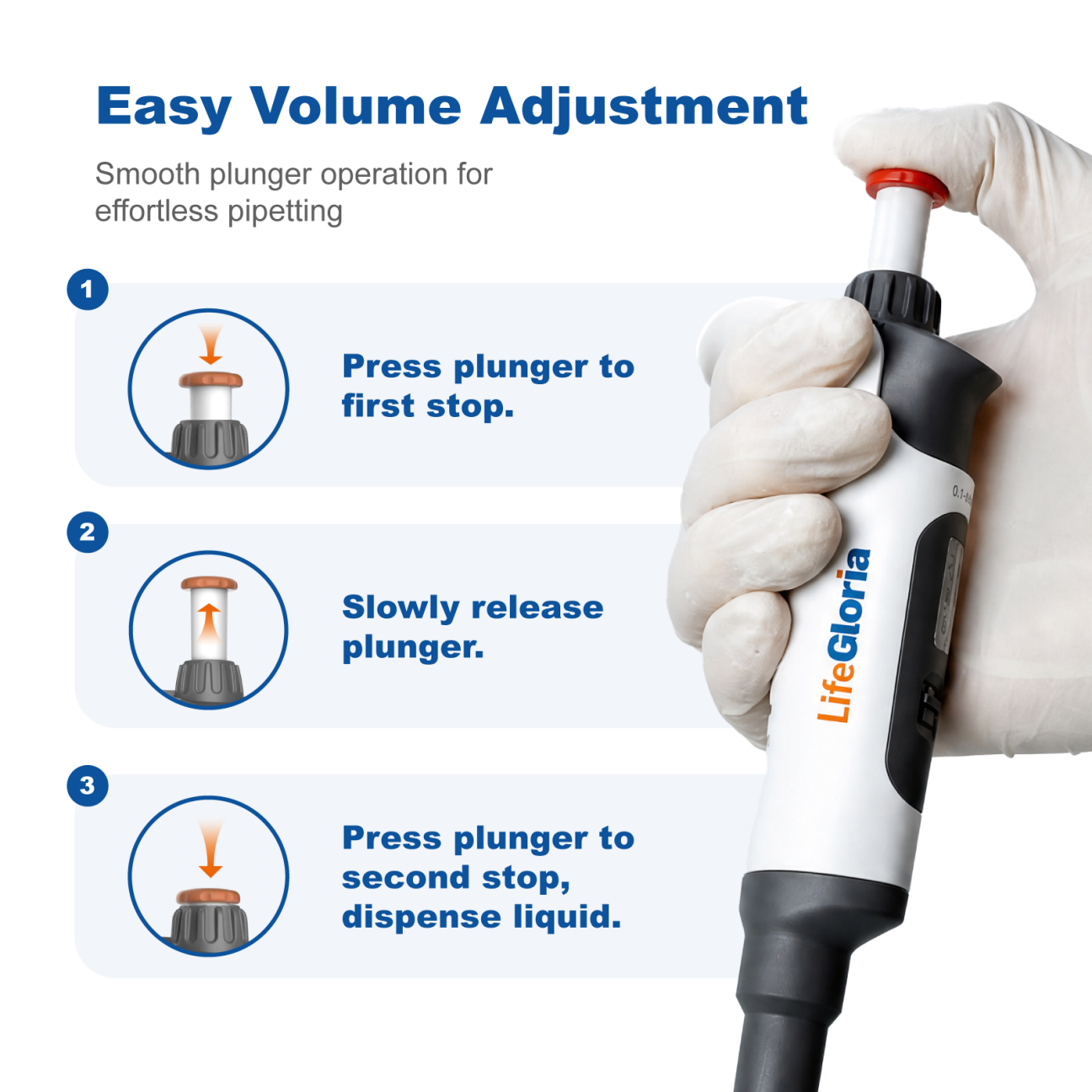
3. Check Plunger Movement
A well-maintained pipette should have:
- smooth plunger movement
- consistent resistance
- stable operation
If the plunger becomes difficult to press, maintenance may be required.
Pipette Cleaning Procedure
Proper cleaning depends on the pipette design and contamination level.
General cleaning steps include:
Step 1: Disassemble According to Manufacturer Instructions
Remove accessible components such as:
- lower shaft
- tip cone
- ejector components
Do not disassemble internal parts without proper knowledge.
Step 2: Clean Components
Use appropriate cleaning solutions to remove:
- liquid residue
- biological contamination
- chemical deposits
Step 3: Dry Completely
Before reassembly:
- ensure all components are dry
- avoid moisture inside the mechanism
Step 4: Reassemble and Test
After cleaning:
- check operation
- verify tip attachment
- perform calibration if necessary
How Often Should a Pipette Be Calibrated?
Calibration frequency depends on usage conditions.
General recommendations:
High-Usage Laboratories
Calibration:
Every 3–6 months
Examples:
- biotechnology laboratories
- clinical laboratories
- pharmaceutical research facilities
Normal Laboratory Use
Calibration:
Every 6–12 months
Examples:
- university laboratories
- research institutes
Calibration should also be performed after:
- accidental drops
- replacement of internal components
- major cleaning
- unusual performance changes
Common Pipette Maintenance Mistakes
1. Ignoring Calibration
A pipette may appear normal but still deliver inaccurate volumes.
Regular calibration verifies:
- accuracy
- precision
- reliability
2. Using Incorrect Cleaning Methods
Some chemicals may damage:
- plastic housing
- seals
- internal components
Always follow manufacturer recommendations.
3. Storing Pipettes Incorrectly
Incorrect storage may affect performance.
Recommended practices:
- store pipettes vertically
- avoid extreme temperatures
- protect from contamination
4. Applying Excessive Force
Forcing the plunger or tip ejector may damage internal components.
A quality pipette should operate smoothly with minimal effort.
How to Extend the Service Life of a Laboratory Pipette
Following these practices can significantly improve pipette lifespan:
Use Compatible Pipette Tips
Properly matched tips reduce:
- leakage risk
- mechanical stress
- inaccurate results
Handle Carefully
Avoid:
- dropping pipettes
- exposing them to chemicals
- placing them near contamination sources
Perform Preventive Maintenance
Regular inspection helps identify issues before they become serious.
Keep Calibration Records
Maintain documentation including:
- calibration dates
- service history
- maintenance records
This is especially important for laboratories following quality management systems.
When Should You Repair or Replace a Pipette?
Consider professional service if:
- accuracy specifications cannot be achieved
- liquid leakage occurs
- plunger movement becomes abnormal
- internal components are damaged
Replacement may be more economical when:
- repair costs are high
- the pipette is outdated
- spare parts are unavailable
LifeGloria Pipette Service and Maintenance Support
LifeGloria understands that reliable laboratory performance depends not only on product quality but also on long-term support.
Our laboratory pipettes are designed with:
- durable mechanical components
- reliable accuracy performance
- easy maintenance structure
- calibration-friendly design
Suitable for:
- universities
- biotechnology laboratories
- research institutions
- healthcare laboratories
With proper maintenance and regular calibration, a high-quality pipette can provide years of dependable liquid handling performance.
Choose LifeGloria laboratory pipettes for accurate, reliable, and long-lasting laboratory solutions.
