

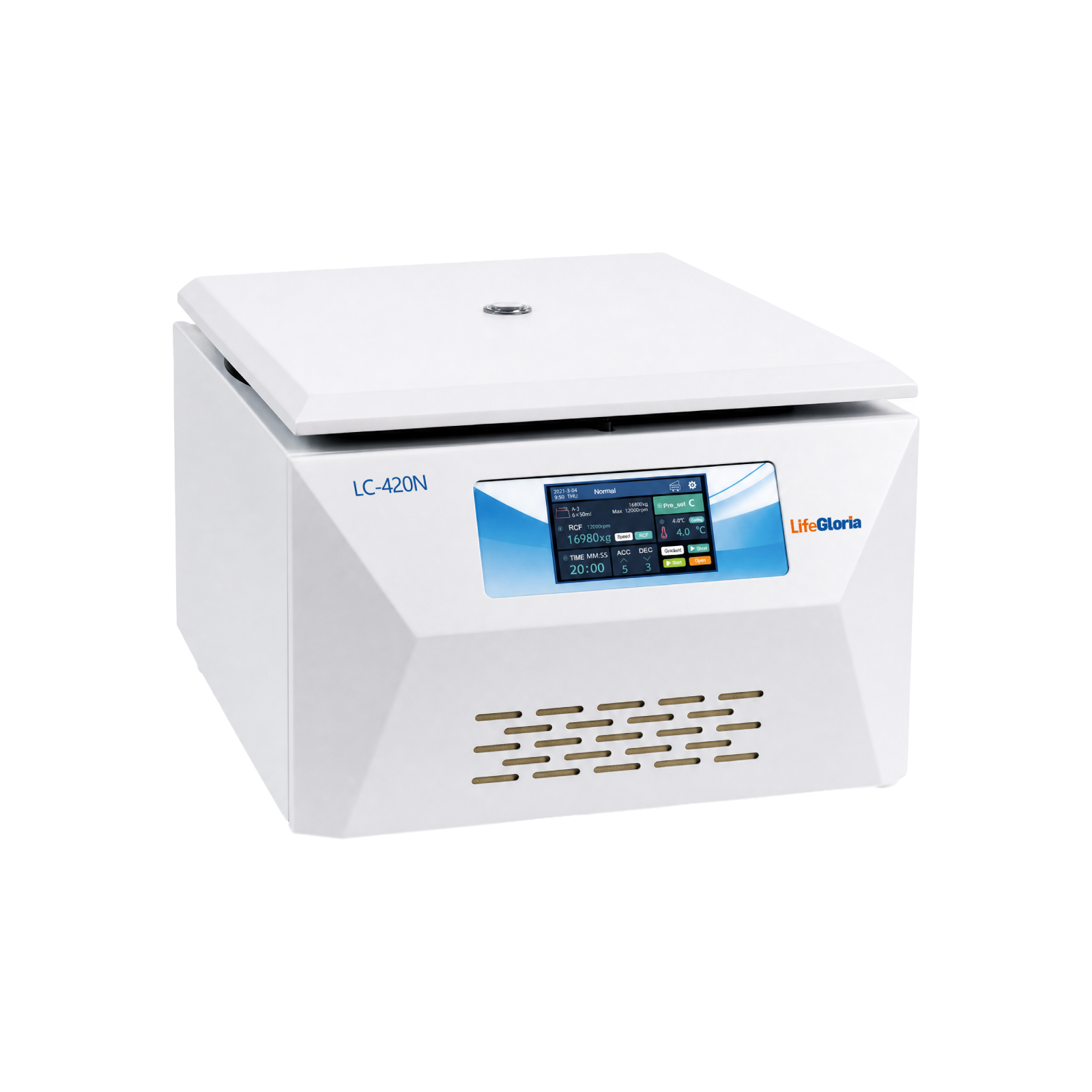
Two runs can use the same RCF and nominal time yet produce different results because their acceleration, braking or timer behavior differs. This matters when transferring a method between centrifuges or trying to preserve a soft pellet or separated layer.
Quick Answer
Select acceleration and braking from the validated separation method and installed rotor. Gentle deceleration may help preserve delicate layers, while robust pellets may permit faster stopping. Confirm which controls the exact LifeGloria configuration supports; never assume ramp numbers mean the same thing across models.
The LifeGloria Option
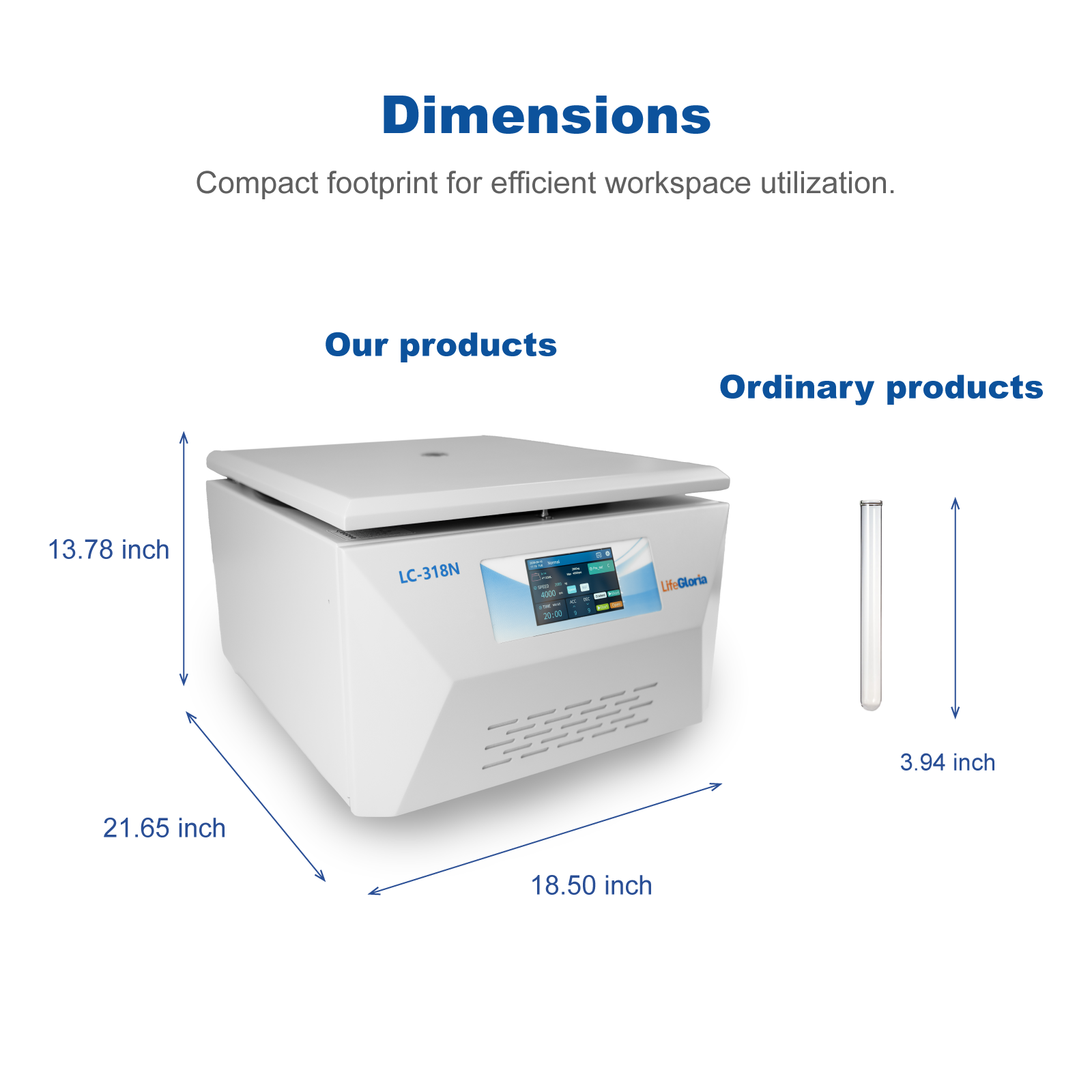
LifeGloria LC-318N is a practical platform to evaluate for rotor-based sample separation. Its manual lists several rotor options with different speed and RCF limits. Ask our team to confirm the exact rotor, ramp options and timer behavior required by your method rather than buying from maximum RPM alone.
Explore Product Options · Request a Quote
Understand the Three Parts of a Run
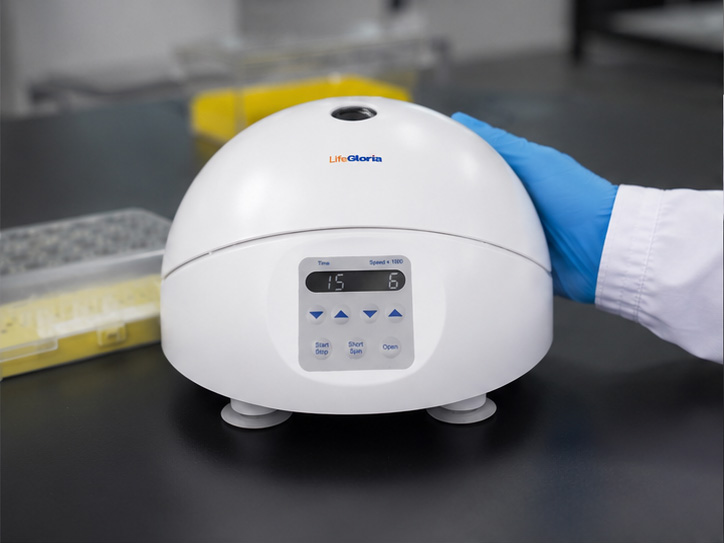
A centrifugation run includes acceleration, the intended separation period and deceleration. Some timers begin immediately; others start after reaching a target condition. The instrument manual determines the behavior. A short method can be affected substantially when a large fraction of the cycle is spent accelerating.
Choose Braking by the Separation Endpoint
| Endpoint | What needs protection | What to validate |
|---|---|---|
| Compact robust pellet | Recovery and turnaround | Suitable stop profile and handling |
| Loose cell pellet | Pellet integrity | Gentler braking if the method calls for it |
| Density-separated layers | Interfaces between layers | Reduced braking or brake-off where specified |
| Brief spin-down | Liquid collection | Repeatable duration and instrument behavior |
A ramp setting is not a universal recipe. Rotor mass, load, instrument design and the selected target all affect the real speed-time curve.
Recognize Resuspension After Stopping
A disturbed pellet may reflect an unsuitable stop profile, movement of the tube or abrupt supernatant aspiration. Separate these causes before increasing RCF. Higher force may not solve handling-related loss and can damage some samples.
- Keep tube orientation consistent when locating a pellet.
- Wait for the rotor to stop completely before opening.
- Remove tubes without shaking or striking the rack.
- Aspirate away from the pellet under the approved method.
Validate a Method Transfer Systematically
Keep the sample, tubes, load and rotor type as comparable as possible. Record RCF, time, temperature and ramps, then compare recovery, clarity or another relevant endpoint. Change one factor at a time and retain both successful and failed trial records.
Define Controls Before Asking for a Quote
Specify whether the method requires selectable ramps, brake-off operation or timing at target speed. Confirm these functions for the ordered instrument; do not infer them from the word digital. Include the tube, rotor, adapters and required sample temperature in the same request.
Build Your LifeGloria Inquiry
- Separation endpoint
- tube and rotor
- RCF
- time
- braking requirements
- temperature
- sample count per run
Frequently Asked Questions
Should the brake always be off?
No. Use the separation method; disabling the brake can increase cycle time without improving a robust pellet.
Are ramp setting numbers transferable?
No. Compare actual instrument behavior and the method endpoint rather than matching a number.
Can I stop a rotor by hand?
Never. Wait for the instrument's approved stopping sequence and zero-speed indication.
What should I confirm on LC-318N?
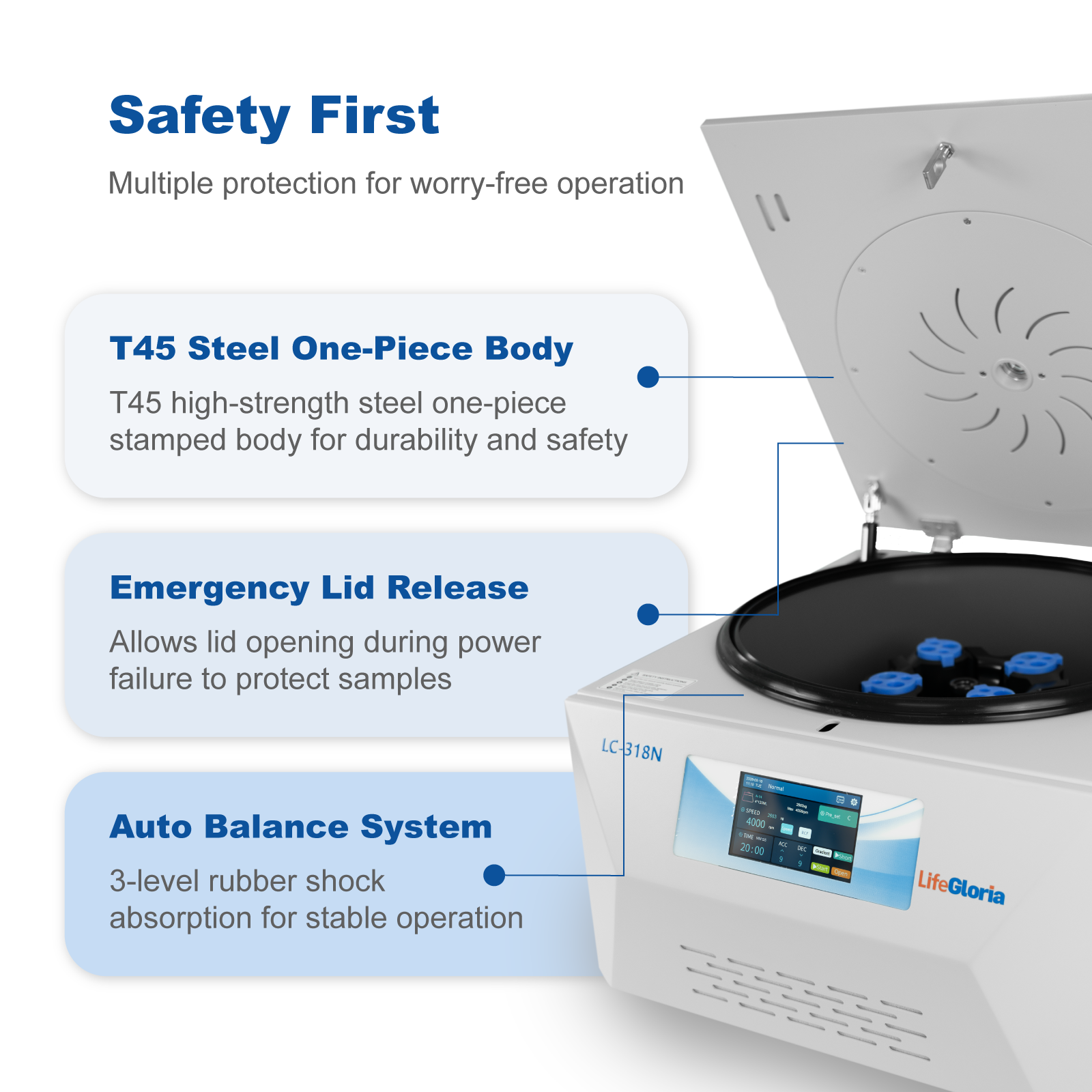
Confirm the supplied rotor, force limits, supported ramp controls and timing behavior with LifeGloria for the exact configuration.
Recommended Next Step
For a better centrifuge purchase, send LifeGloria the desired separation outcome and stopping requirements together with tube size and target RCF. This creates a more useful configuration proposal than a request for the fastest available machine.
Confirm the exact model, compatibility, certificates, operating limits and delivery terms before purchase. Use the manufacturer's instructions and your validated laboratory procedure.
