

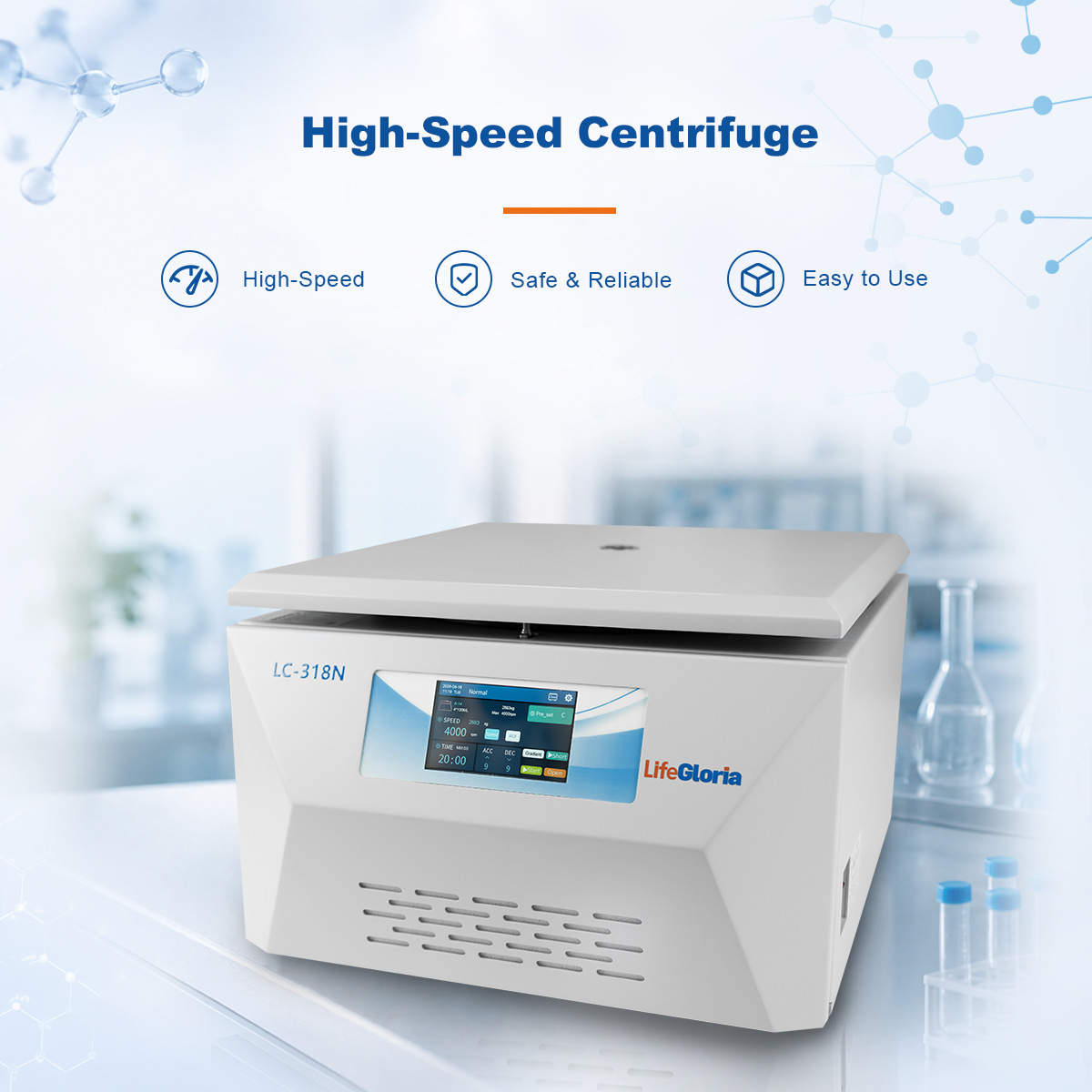
Laboratory centrifuges are among the most frequently used instruments in biological, chemical, pharmaceutical, and clinical laboratories. Whether you are separating blood samples, isolating DNA, purifying proteins, or preparing cell cultures, selecting the right centrifuge directly affects the efficiency, reproducibility, and accuracy of your experiments.
However, with so many options available—including benchtop centrifuges, refrigerated centrifuges, high-speed centrifuges, microcentrifuges, and large-capacity floor models—choosing the best solution can be challenging.
This guide explains the key factors to consider before purchasing a laboratory centrifuge and helps researchers identify the most suitable instrument for their applications.
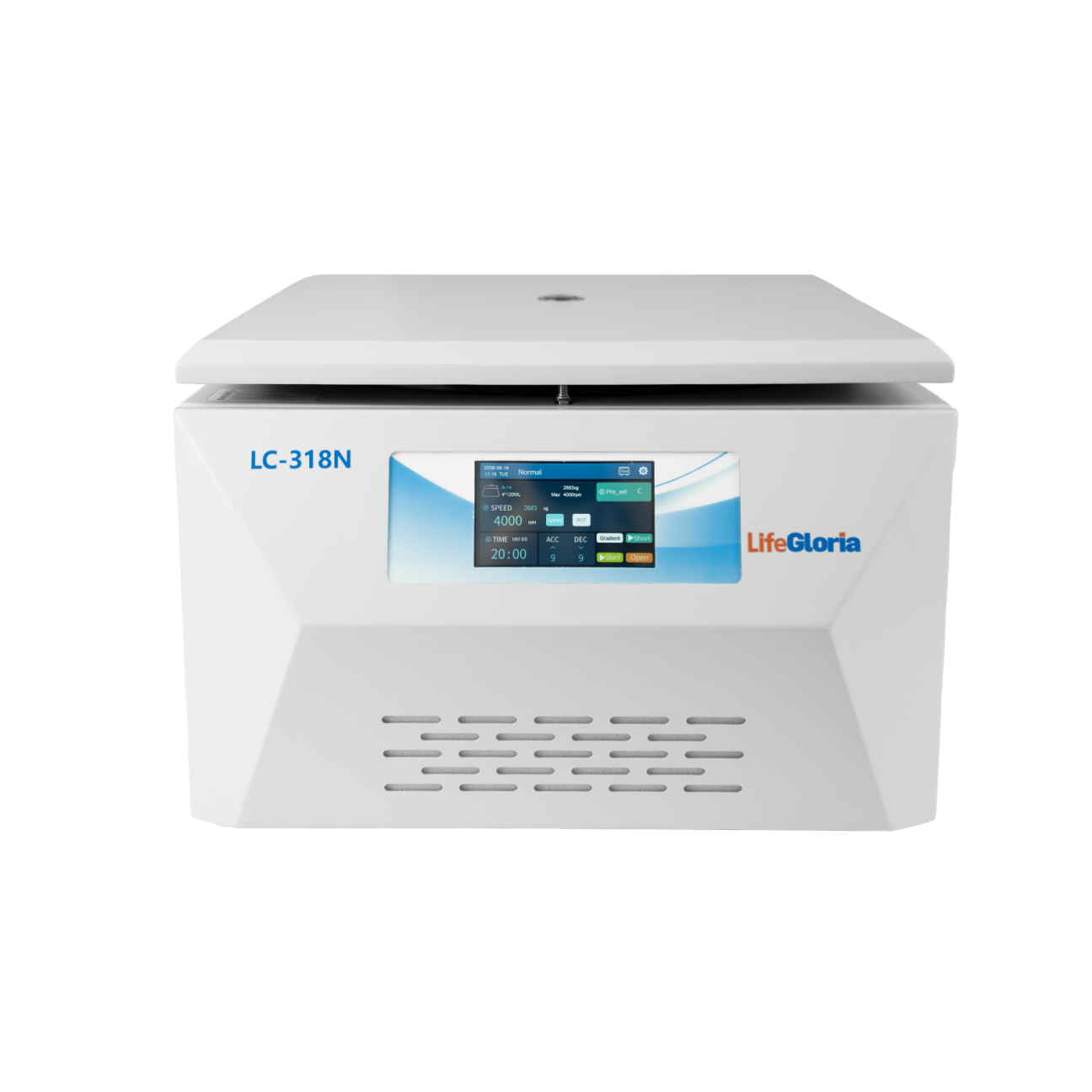
Why Choosing the Right Laboratory Centrifuge Matters
A centrifuge is more than just a spinning machine. Different biological samples require different centrifugal forces, temperatures, rotor types, and capacities. Selecting the wrong model may lead to:
- Reduced sample recovery
- Cell damage
- Protein degradation
- Longer processing times
- Poor experimental reproducibility
- Higher maintenance costs
Choosing the appropriate centrifuge improves workflow efficiency while protecting valuable samples.
Understanding How a Laboratory Centrifuge Works
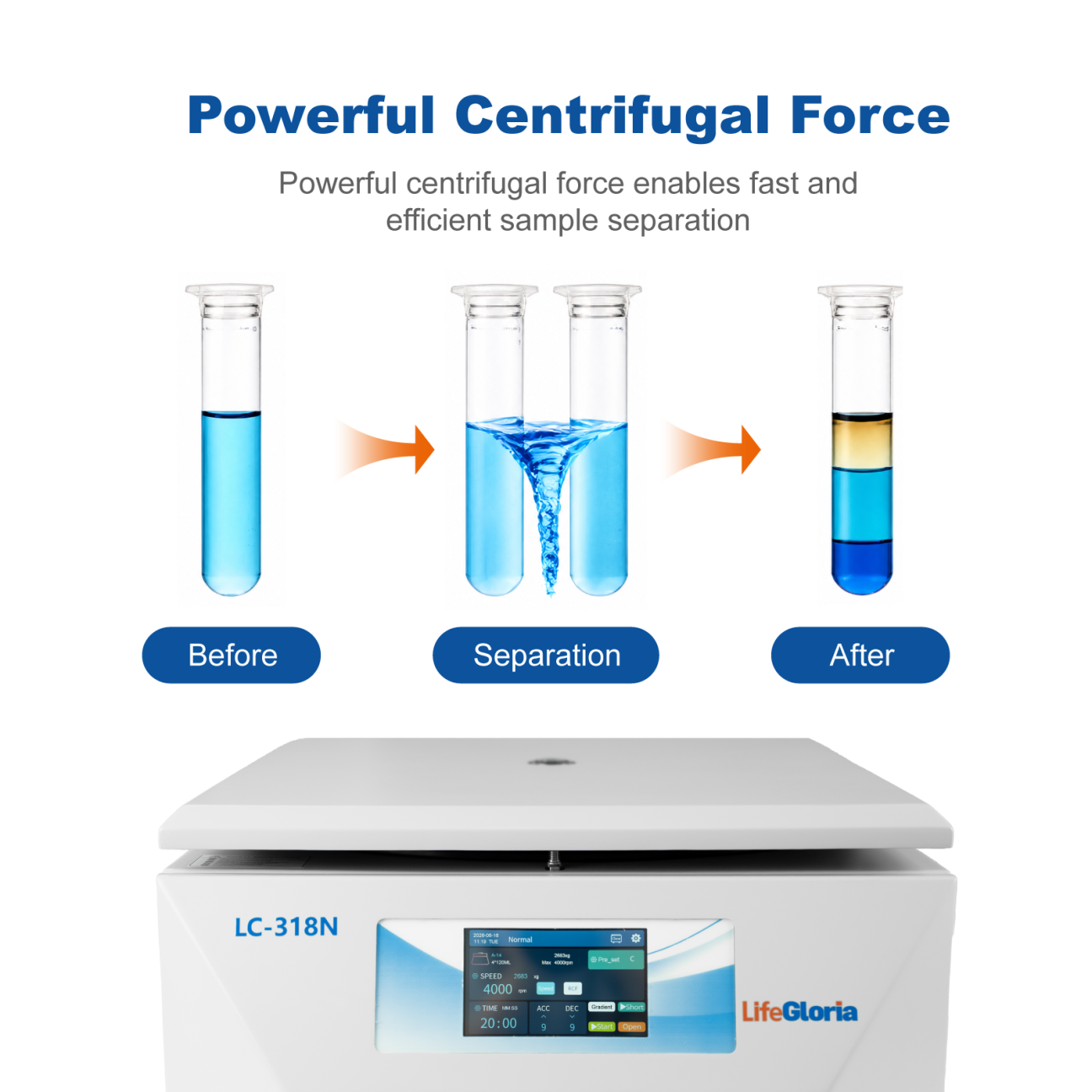
A laboratory centrifuge separates components according to their density by generating centrifugal force through high-speed rotation.
During centrifugation, heavier particles move outward while lighter components remain closer to the center.
Typical applications include:
- Blood and plasma separation
- DNA extraction
- RNA purification
- Cell harvesting
- Protein precipitation
- Bacterial concentration
- Clinical diagnostics
- Pharmaceutical research
Types of Laboratory Centrifuges
1. Benchtop Centrifuge
Benchtop centrifuges are the most versatile models for routine laboratory work.
They are commonly used in:
- Universities
- Hospitals
- Biotechnology laboratories
- Pharmaceutical companies
- Clinical laboratories
Advantages include:
- Compact footprint
- Easy operation
- Low maintenance
- Multiple rotor options
- Cost-effective investment
They are ideal for daily sample preparation and routine centrifugation tasks.
2. High-Speed Centrifuge
High-speed centrifuges provide greater centrifugal force for demanding laboratory applications.
Typical uses include:
- Protein purification
- Cell fractionation
- Molecular biology
- Microbiology
- Research laboratories
They generally achieve much higher RPM and RCF values than standard benchtop models.
3. Refrigerated Centrifuge
Certain biological samples are highly temperature-sensitive.
A refrigerated centrifuge maintains low temperatures throughout operation, helping preserve:
- Proteins
- Enzymes
- DNA
- RNA
- Living cells
Temperature control minimizes sample degradation during high-speed centrifugation.
4. Microcentrifuge
Microcentrifuges are designed for small-volume tubes ranging from 0.2 mL to 2 mL.
Applications include:
- PCR preparation
- DNA purification
- RNA extraction
- Molecular biology
- Clinical testing
Because of their compact size, they are common in nearly every molecular biology laboratory.
RPM vs RCF: What's the Difference?
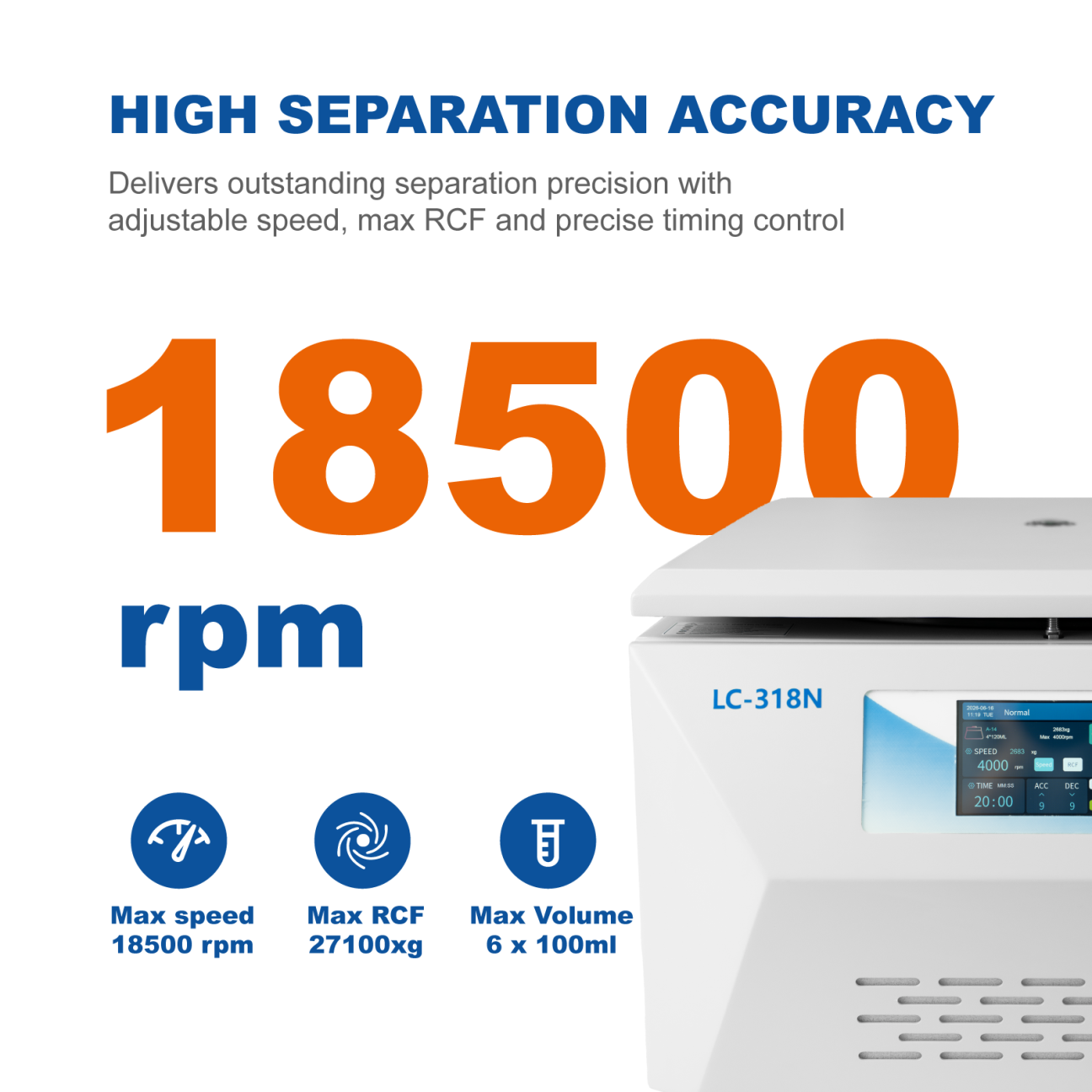
One of the most common purchasing mistakes is focusing only on RPM (Revolutions Per Minute).
RPM measures how fast the rotor spins.
RCF (Relative Centrifugal Force) measures the actual force applied to the sample.
Because rotor size varies, two centrifuges operating at the same RPM may generate very different centrifugal forces.
When comparing instruments, RCF is generally the more meaningful specification.
Swing-Out Rotor vs Fixed-Angle Rotor
Choosing the correct rotor is just as important as selecting the centrifuge itself.
Fixed-Angle Rotor
Advantages:
- Faster sedimentation
- Higher maximum speed
- Better for pellets
- Excellent for DNA and protein work
Swing-Out Rotor
Advantages:
- Horizontal sample separation
- Better layer formation
- Easier blood separation
- Improved plasma collection
Many laboratories purchase interchangeable rotors to increase application flexibility.
Factors to Consider Before Buying
Sample Volume
Estimate your daily workload.
Questions to consider include:
- How many samples are processed each day?
- What tube sizes are used?
- Will future workloads increase?
Selecting the appropriate capacity reduces unnecessary processing cycles.
Maximum Speed
Different experiments require different centrifugal forces.
For example:
- Blood separation typically requires moderate speed.
- DNA purification often requires higher RCF.
- Protein purification may require high-speed refrigerated centrifuges.
Choose a model that matches both current and future laboratory needs.
Temperature Control
Temperature-sensitive samples benefit from refrigerated centrifuges.
Maintaining stable temperatures helps preserve biological activity and improves experimental consistency.
Safety Features
Modern laboratory centrifuges should include:
- Automatic lid locking
- Imbalance detection
- Overspeed protection
- Emergency lid release
- Brushless motor technology
These features improve both user safety and instrument longevity.
Noise Level
Quiet operation creates a more comfortable laboratory environment.
Brushless motors typically produce less vibration and require less maintenance than traditional motors.
Common Mistakes When Purchasing a Centrifuge
Many laboratories overspend or purchase unsuitable equipment because they:
- Choose RPM instead of RCF
- Ignore future capacity requirements
- Select the wrong rotor type
- Overlook refrigeration needs
- Purchase based only on price
A well-matched centrifuge delivers better long-term value than the least expensive option.
Why Choose LifeGloria Laboratory Centrifuges?
LifeGloria provides laboratory centrifuge solutions designed for research, biotechnology, clinical diagnostics, universities, and pharmaceutical laboratories.
Key advantages include:
- High-performance brushless motors
- Reliable speed accuracy
- Multiple rotor configurations
- User-friendly digital controls
- Stable operation with low noise
- Durable construction for long-term laboratory use
Whether your laboratory requires a compact microcentrifuge or a high-speed refrigerated system, selecting the right equipment can significantly improve laboratory productivity.
Frequently Asked Questions
What is the difference between RPM and RCF?
RPM measures rotational speed, while RCF measures the actual centrifugal force applied to the sample. RCF is generally the preferred specification for comparing centrifuge performance.
Do I need a refrigerated centrifuge?
If you work with proteins, enzymes, RNA, DNA, or live cells, refrigeration helps maintain sample integrity during centrifugation.
Which rotor is better?
Fixed-angle rotors are ideal for pelleting samples quickly, while swing-out rotors provide superior layer separation for blood and density-gradient applications.
How long does a laboratory centrifuge typically last?
With proper maintenance and routine rotor inspection, a high-quality laboratory centrifuge can provide reliable performance for many years.
Conclusion
Choosing the right laboratory centrifuge is an investment in your laboratory's efficiency, data quality, and long-term productivity. By understanding the differences between centrifuge types, rotor options, speed specifications, and safety features, you can make a confident purchasing decision that supports both your current and future research needs.
If you're looking for reliable, high-performance laboratory centrifuges, LifeGloria offers a wide range of solutions tailored to modern research, clinical, and industrial laboratories.
