


What Are Pipette Tips?
Pipette tips are disposable laboratory consumables used with micropipettes for accurate and contamination-free liquid transfer. They are essential in molecular biology, clinical diagnostics, chemistry, and pharmaceutical research.
Although pipette tips may look simple, their design, material, and filtration features directly affect accuracy, sample recovery, and contamination risk.
Choosing the right pipette tip is critical for achieving reliable and reproducible experimental results.
Why Pipette Tip Selection Matters
Using the wrong pipette tip can lead to:
- Inaccurate liquid volumes
- Sample loss or retention
- Cross-contamination
- Poor reproducibility
- Experimental failure (especially in PCR and qPCR)
In high-precision workflows like DNA/RNA analysis or clinical testing, even small errors can significantly affect results.
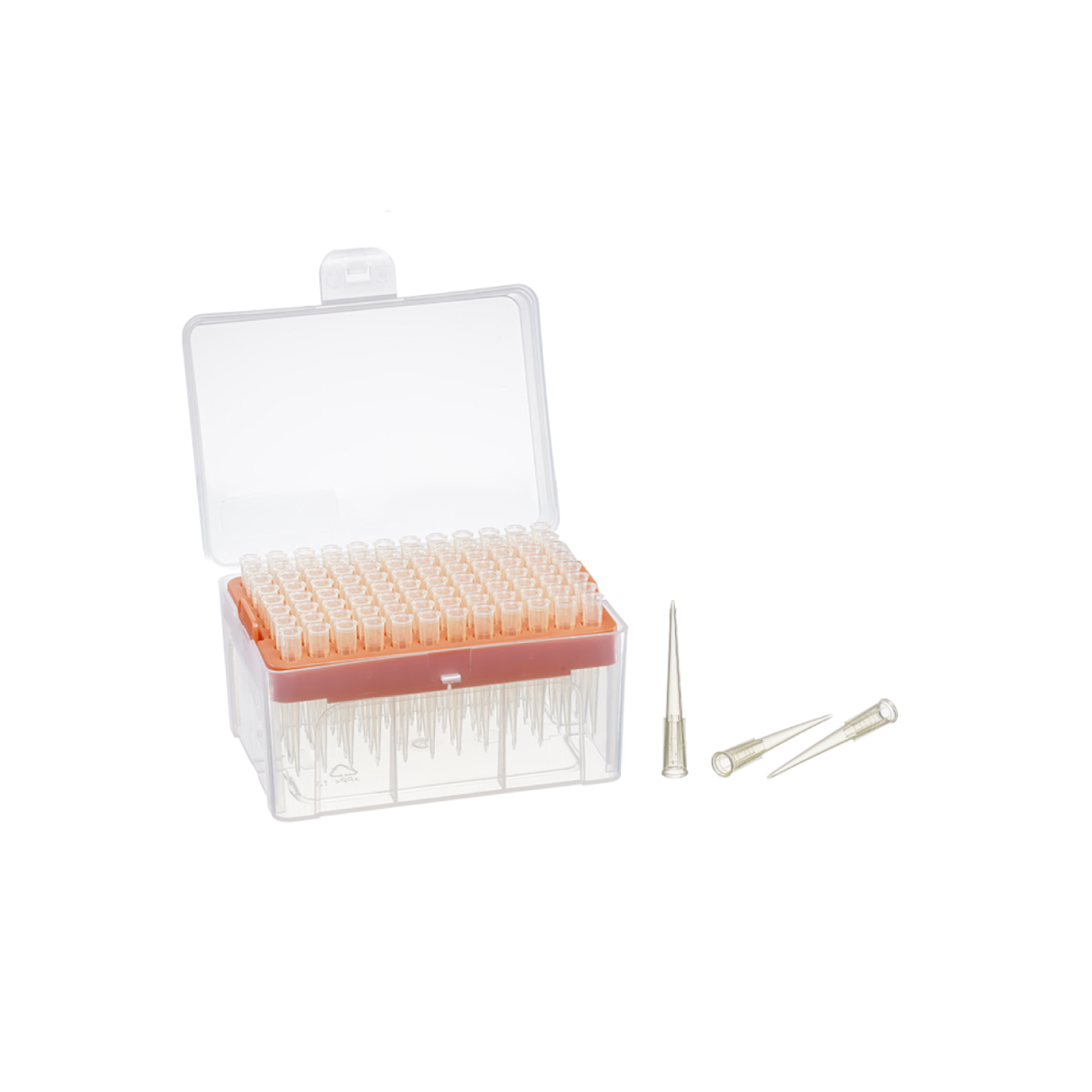
Types of Pipette Tips
1. Universal Pipette Tips
Universal pipette tips are the most commonly used type in laboratories. They are compatible with most standard micropipettes.
Key Features:
- Cost-effective
- Widely compatible
- Suitable for general laboratory use
- Available in sterile or non-sterile formats
Best for:
- Routine liquid handling
- General laboratory experiments
- Educational laboratories
2. Filter Pipette Tips
Filter pipette tips contain a built-in aerosol barrier that prevents liquid and vapor from entering the pipette body.
Key Features:
- Prevents cross-contamination
- Protects pipette from aerosols
- Essential for sensitive applications
- Reduces risk of sample carryover
Best for:
- PCR and qPCR
- DNA/RNA extraction
- Clinical diagnostics
- Infectious sample handling
Filter tips are widely used in molecular biology laboratories where contamination control is critical.
3. Low-Retention Pipette Tips
Low-retention pipette tips are specially designed with a hydrophobic surface that reduces liquid adhesion inside the tip.
Key Features:
- Minimizes sample loss
- Improves accuracy for viscous liquids
- Enhances recovery of expensive reagents
- Smooth inner surface technology
Best for:
- Protein solutions
- Enzymes
- Viscous reagents
- Expensive biological samples
Comparison Table
| Type | Main Advantage | Best Application | Cost Level |
|---|---|---|---|
| Universal Tips | General use & compatibility | Routine lab work | Low |
| Filter Tips | Contamination protection | PCR, molecular biology | Medium–High |
| Low-Retention Tips | Maximum sample recovery | Proteins, enzymes | High |
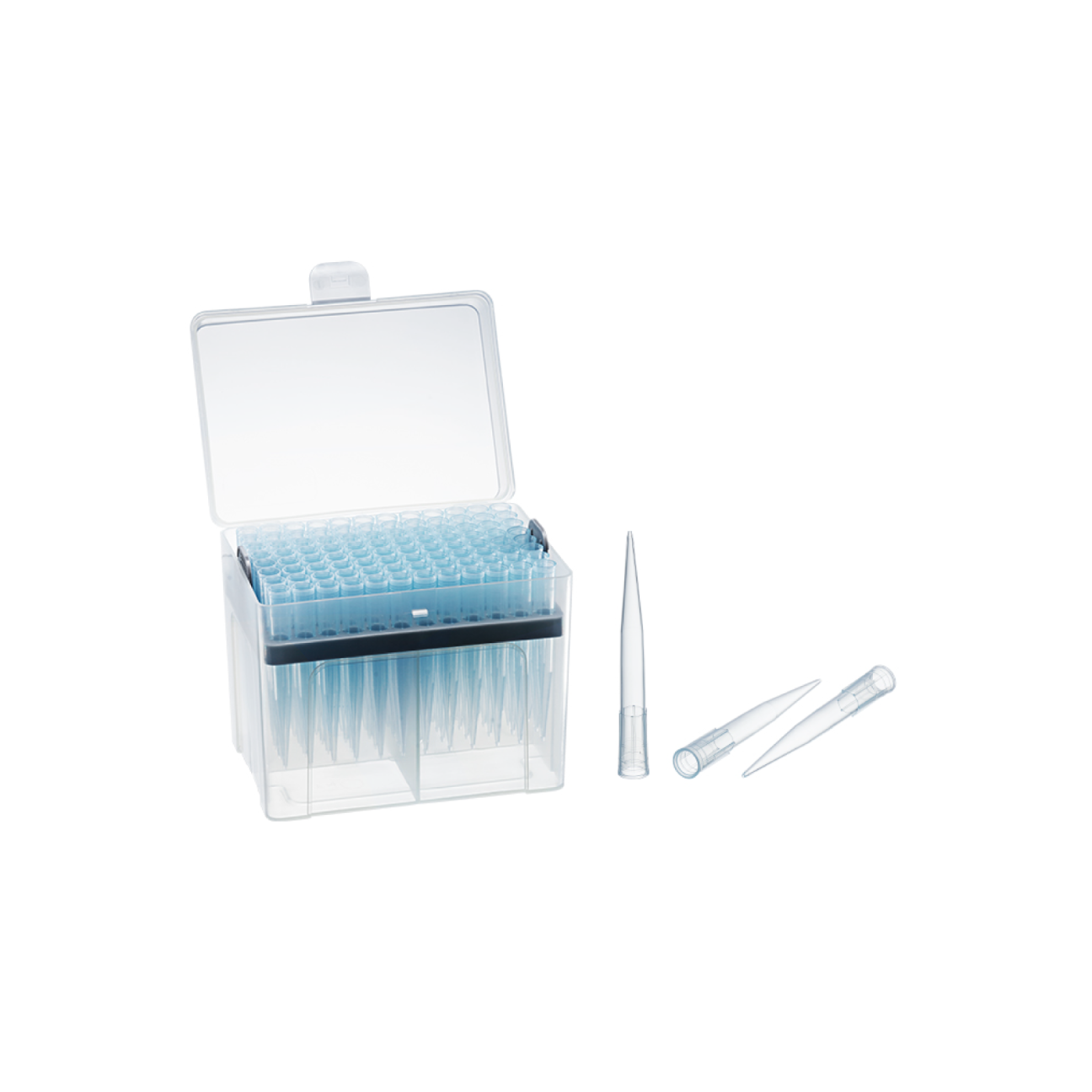
How to Choose the Right Pipette Tip
When selecting pipette tips for your laboratory, consider the following:
1. Application Type
- PCR → Filter tips
- Routine work → Universal tips
- Viscous samples → Low-retention tips
2. Sterility Requirements
Sterile tips are required for cell culture, clinical diagnostics, and molecular biology.
3. Volume Range
Make sure the tip matches your pipette volume range to ensure accuracy.
4. Compatibility
Not all pipette tips fit all micropipettes. Universal compatibility reduces operational issues.
5. Sample Sensitivity
Highly sensitive samples require filter or low-retention designs.
Common Laboratory Mistakes
Many laboratories experience issues due to incorrect pipette tip selection:
- Using non-filter tips for PCR
- Reusing tips in sensitive workflows
- Using standard tips for viscous samples
- Ignoring compatibility differences
- Choosing low-quality polypropylene materials
These mistakes can reduce reproducibility and increase experimental error rates.
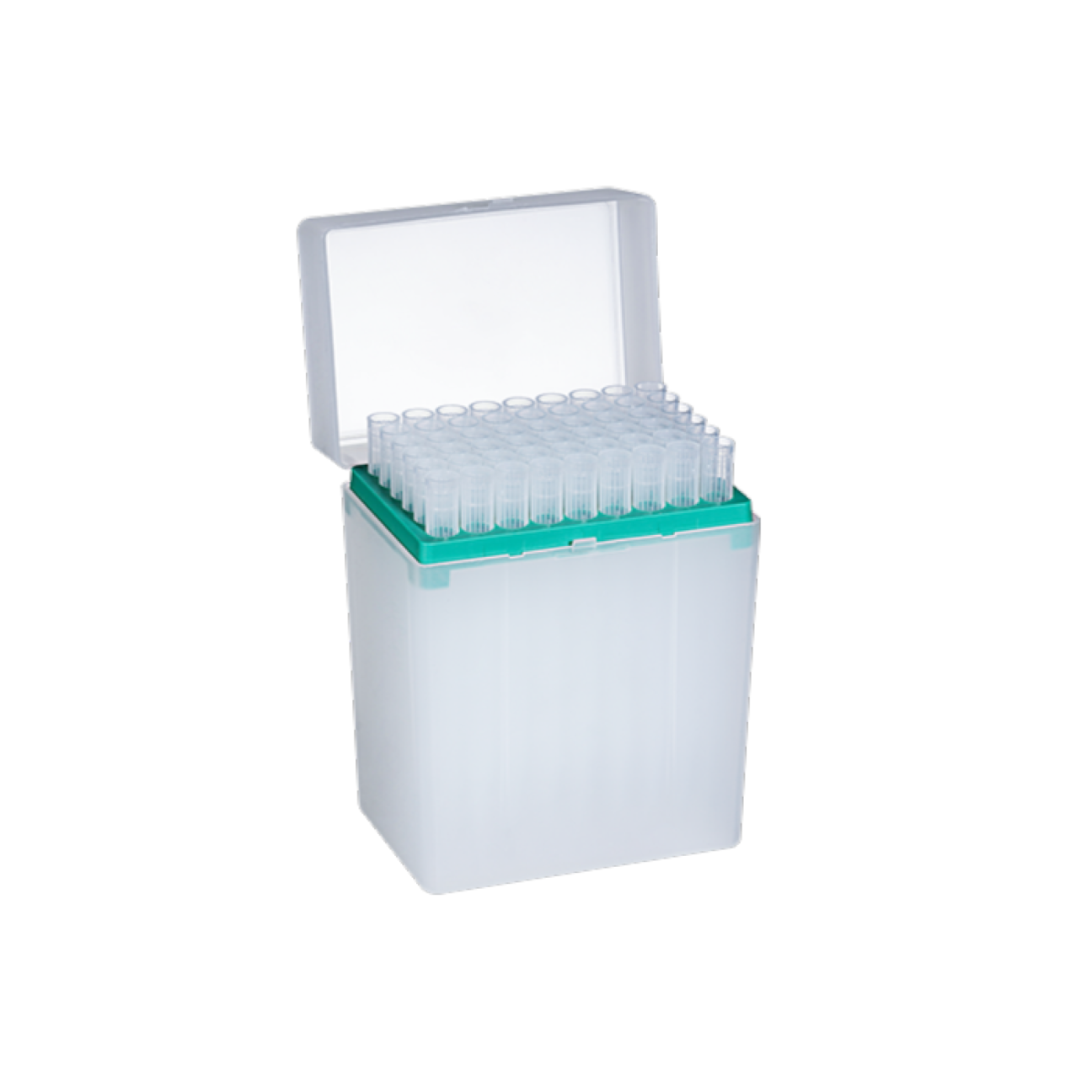
Applications of Pipette Tips
Pipette tips are used across nearly all life science fields:
- Molecular biology (PCR, qPCR, sequencing)
- Cell culture
- Clinical diagnostics
- Pharmaceutical R&D
- Biochemistry assays
- Environmental testing
- Food safety testing
They are one of the most widely used laboratory consumables worldwide.
LifeGloria Pipette Tips
LifeGloria provides a full range of precision-engineered pipette tips designed for modern laboratory workflows.
Key advantages include:
- High-precision molding for consistent fit
- Medical-grade polypropylene material
- Sterile and DNase/RNase-free options
- Filter and low-retention designs available
- Rack and bulk packaging options for efficiency
They are suitable for research institutions, hospitals, biotechnology companies, and diagnostic laboratories.
