

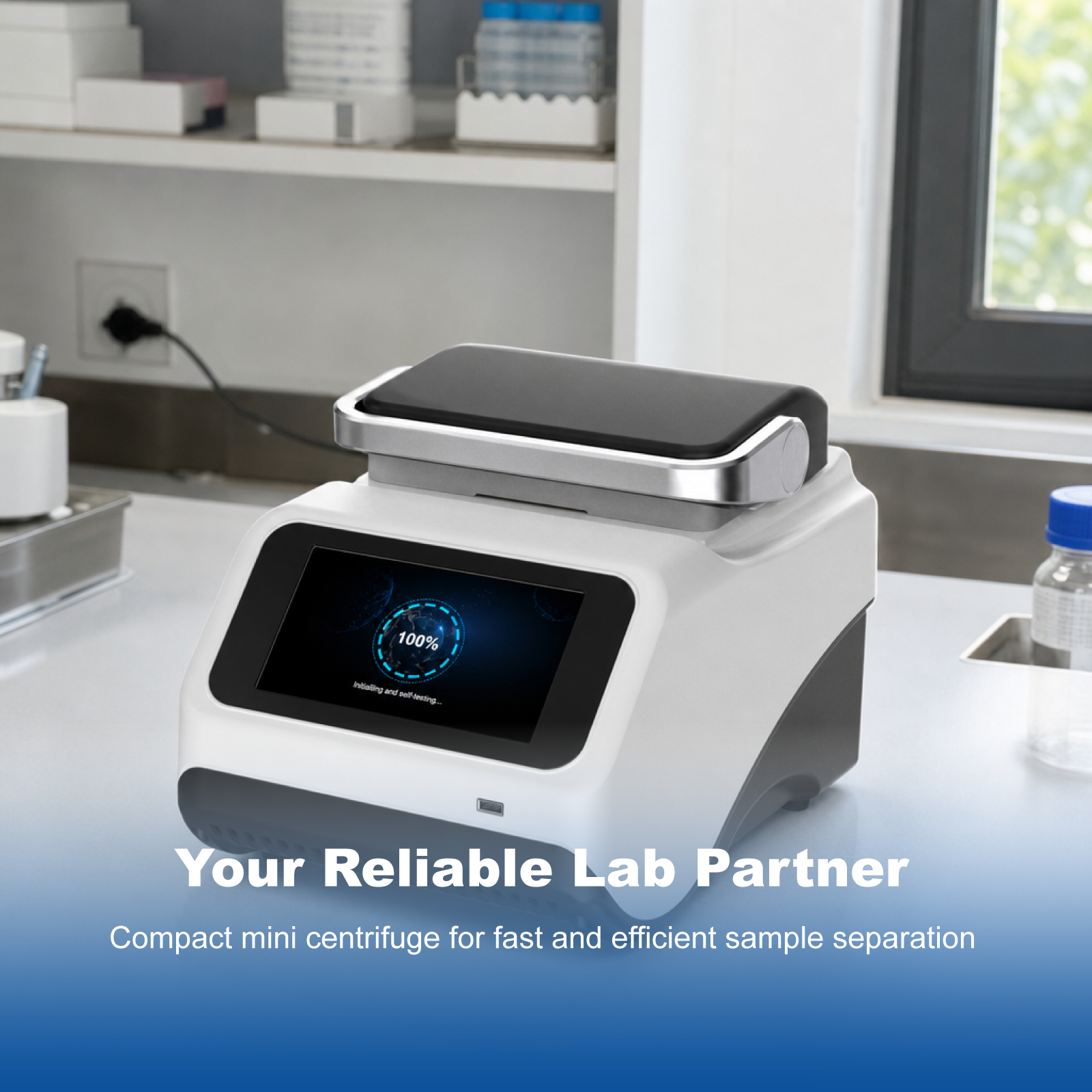
Sample preparation often fails at the handoff between instruments: a sample is mixed inconsistently, heated without traceability, measured before debris removal, or stored in an unsuitable vessel. A reliable workflow defines the purpose and acceptance criteria for every step.
This guide connects LifeGloria mixing, centrifugation, micro-volume measurement, and liquid-nitrogen storage products in a conversion-ready equipment plan.
Quick Answer
Define the sample state required after each step. Use vortex mixing for rapid tube resuspension, a thermo mixer when controlled temperature and agitation are both needed, centrifugation for separation, a micro-volume UV-Vis instrument for suitable concentration or purity checks, and a validated cryogenic container for long-term low-temperature storage.
Request a complete sample-preparation package
Send LifeGloria the sample type, vessel format, batch size, mixing and temperature needs, centrifugation target, measurement range, storage volume, voltage, destination, and required documents.
Choose Each Tool by Its Process Function
| Process need | Suitable equipment | Key purchasing check |
|---|---|---|
| Rapid single-tube resuspension | Vortex mixer | Vessel contact, orbit, speed, touch or continuous mode |
| Timed mixing with temperature control | Thermo mixer | Block, temperature range, mixing speed, program |
| Micro-volume concentration or purity check | UV-Vis micro-volume spectrophotometer | Sample volume, wavelength range, method and path length |
| Long-term cryogenic holding | Liquid-nitrogen dewar | Capacity, neck opening, static or transport use, evaporation management |
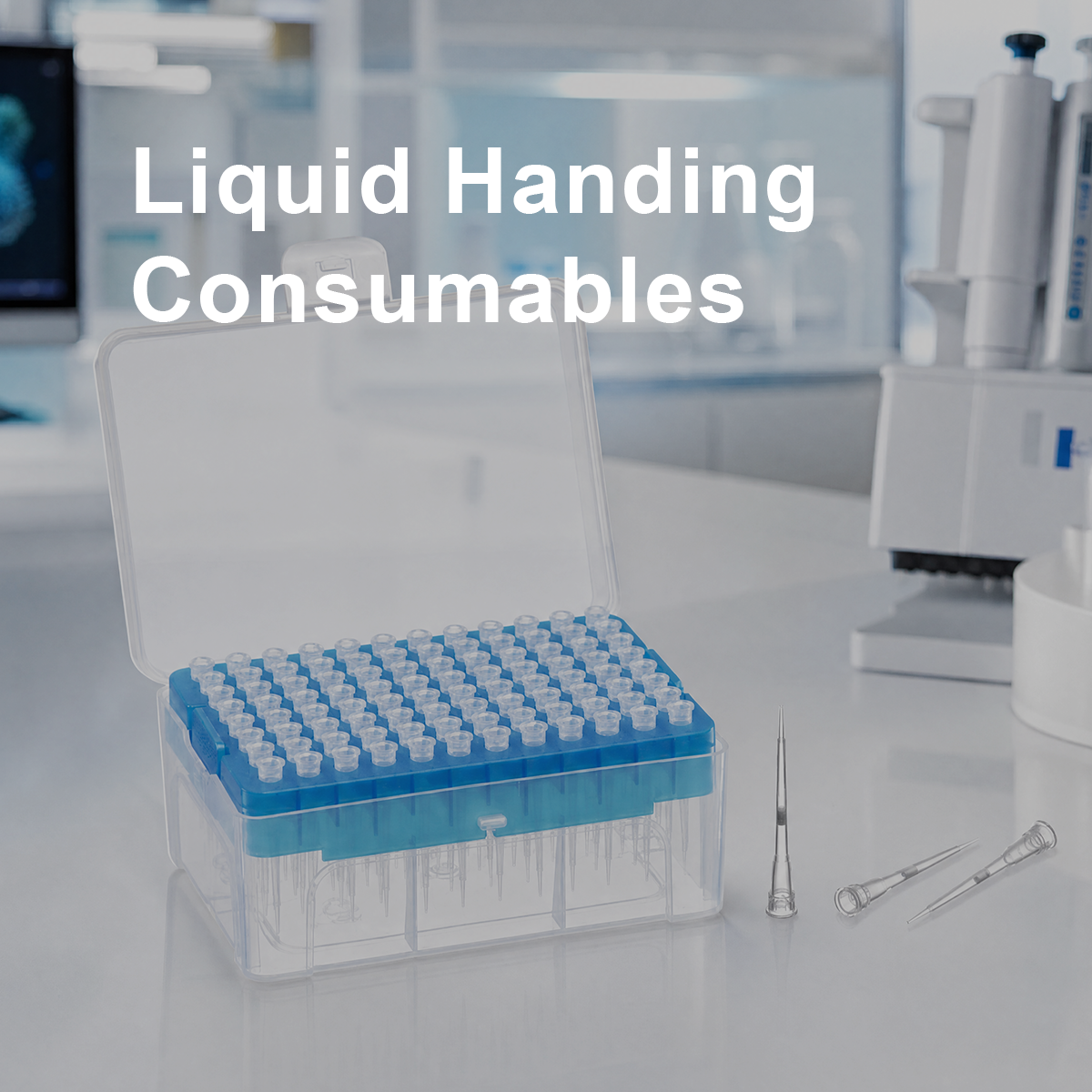
Separate Mixing Goals
Resuspension, dissolution, incubation, binding, and gentle suspension maintenance require different motion and temperature control. The LifeGloria vortex mixer provides up to 3000 rpm with a 6 mm orbit for tube mixing, while a thermo mixer combines controlled heating or cooling with agitation for supported blocks.
- State the desired endpoint
- List tube or plate formats
- Define batch size
- Set acceptable temperature change and foam level
Use Centrifugation as a Defined Separation Step
Specify RCF, time, temperature, tube, rotor, and pellet or supernatant objective. Avoid copying RPM between different rotors. Balance samples symmetrically and never exceed the lowest rating in the tube-adapter-rotor-instrument system.
- Record protocol RCF
- Confirm tube and adapter fit
- Define acceleration and braking needs
- Inspect and balance every load
Measure Only a Suitable Prepared Sample
The LifeGloria micro-volume UV-Vis spectrophotometer supports 0.5-2 µL samples over 190-800 nm with selectable path lengths. Measurement quality still depends on a representative, homogeneous sample, a correct blank, clean optical surfaces, and a method appropriate to the analyte.
- Mix before subsampling
- Remove interfering debris when required
- Use the correct blank
- Clean and inspect measurement surfaces
Design Cryogenic Storage Around Risk
Liquid-nitrogen storage requires a vessel selected for intended static storage or transport use, sample inventory, access frequency, ventilation, personal protection, fill monitoring, and emergency response. LifeGloria dewars are available from 2 L to 50 L for selected biological storage workflows.
- Separate storage and transport requirements
- Plan sample indexing and retrieval
- Monitor liquid-nitrogen level
- Use trained staff and suitable ventilation
Procurement Checklist
- Sample type and desired endpoint
- Tube, plate, and block formats
- Mixing speed, orbit, temperature, and time
- Required centrifugation RCF and capacity
- Measurement volume and wavelength needs
- Cryogenic capacity and access frequency
- Voltage, accessories, certificates, and safety plan
- Destination and delivery target
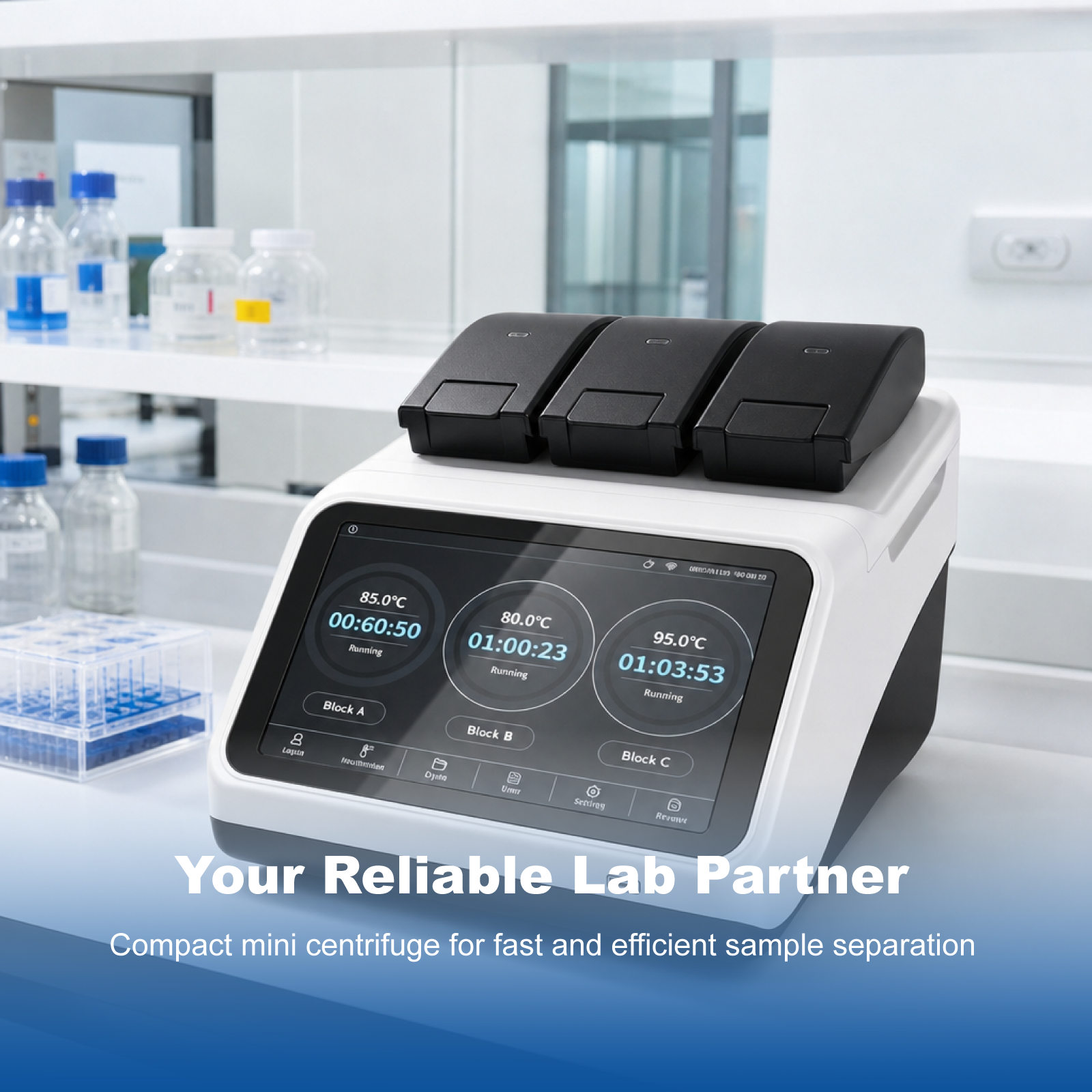
Frequently Asked Questions
Can a vortex mixer replace a thermo mixer?
Not when the protocol requires controlled temperature, a defined block, and timed agitation; the instruments serve different process needs.
Can a UV-Vis result confirm sample integrity by itself?
No. It can support concentration and purity assessment for suitable methods, but integrity may require additional analysis.
Can the same liquid-nitrogen dewar be used for routine transport and long-term storage?
Only if the exact vessel is approved for the intended use and operating conditions. Confirm static and transport requirements separately.
What should be included in a complete quotation request?
Provide sample type, vessels, batch size, mixing and temperature needs, RCF, measurement method, storage capacity, voltage, destination, and documents.
Final Recommendation
Define every handoff from mixing through storage and purchase equipment as one workflow. LifeGloria can prepare a matched quotation across vortexing, thermo mixing, centrifugation, micro-volume measurement, and cryogenic storage.
Recommended LifeGloria Products
Confirm the final model, selected SKU, compatibility, accessories, certificates, voltage, packaging, freight, storage conditions, local regulations, and application requirements before purchase.
