A vortex mixer is a basic yet essential tool in many laboratories. It is used to mix small liquid samples quickly and efficiently. From biology to chemistry, this device supports daily workflows. Choosing the right vortex mixer can improve consistency and save time. This guide explains its applications, speed settings, and practical tips. It also highlights what to avoid when buying and using one.
What Is a Vortex Mixer and How It Works
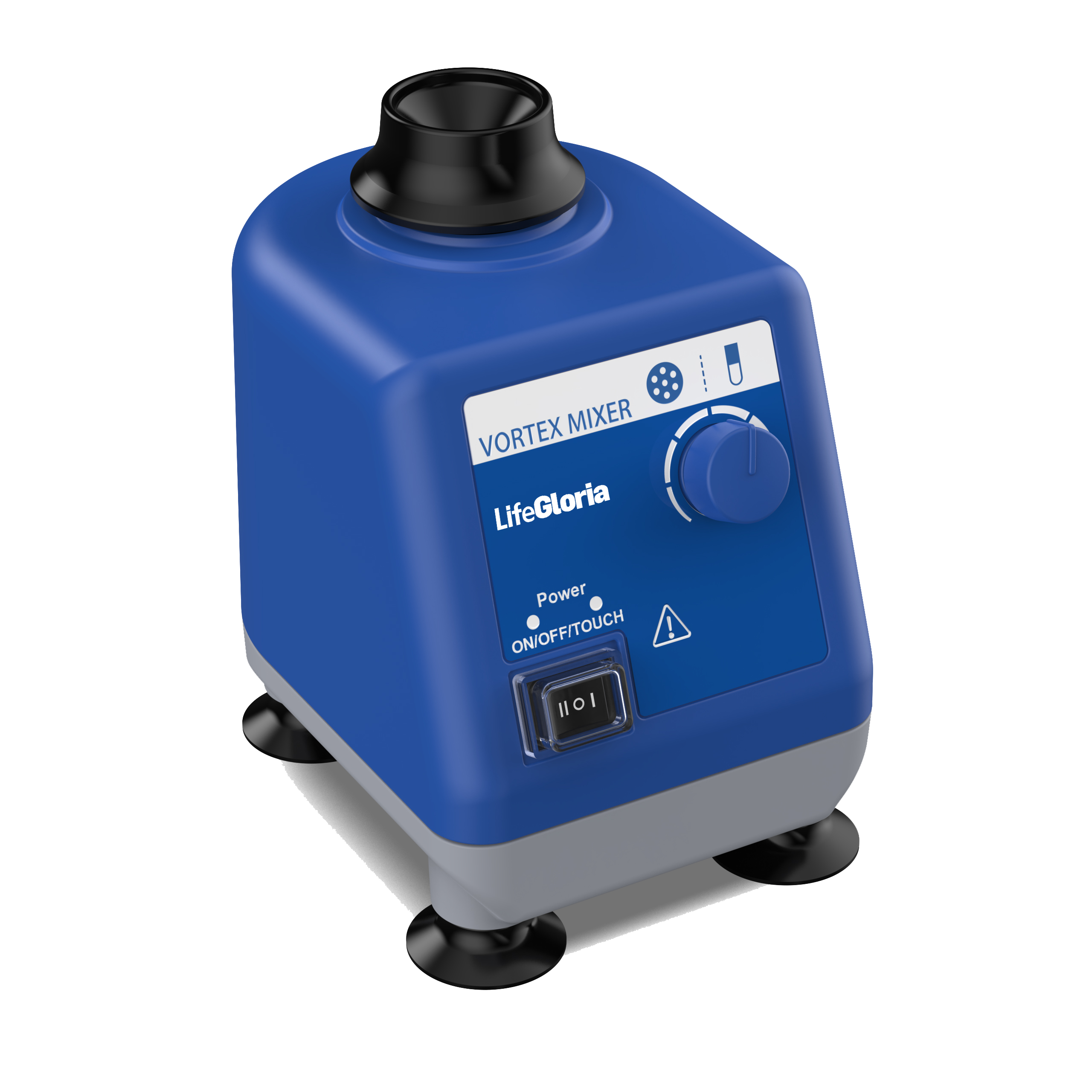
A vortex mixer is designed to create a rapid circular motion in liquid samples. When a tube touches the platform, the motor generates a vortex inside the liquid. This motion mixes the contents evenly. Most vortex mixers are compact and easy to operate. They often include touch and continuous modes. Therefore, users can switch between quick mixing and longer tasks with ease.
Common Applications of a Vortex Mixer
A vortex mixer is widely used in many lab settings. It is suitable for both simple and complex tasks. Typical applications include: Mixing reagents and chemical solutions, resuspending pellets in biological samples, preparing samples for PCR or analysis Dissolving powders into liquids. In addition, it is often used in clinical and diagnostic labs. Its fast mixing ability helps improve workflow efficiency.
Understanding Speed Settings and Control
Speed control is a key feature of any vortex mixer. Different samples require different mixing intensities. Low speeds are ideal for gentle mixing. This helps avoid sample damage. High speeds are better for thorough mixing and dissolving. Many vortex mixers offer variable speed control. This allows users to adjust settings based on their needs. Therefore, it is important to choose a model with flexible speed options.
Choosing the Right Tube and Accessories
The type of tube affects mixing performance. Standard microtubes work well for most tasks. However, larger tubes may require special attachments. Some vortex mixers support multiple accessories. These include foam racks or tube holders. They allow simultaneous mixing of several samples. Using the correct accessories improves stability. It also ensures consistent results.
Ergonomics and Stability
A good vortex mixer should be stable during operation. Strong suction feet or a heavy base can prevent movement. Ergonomic design also matters. A responsive touch function makes operation easier. In addition, low noise levels improve the working environment. These features are especially important for long-term use.
Maintenance and Daily Use Tips
Proper maintenance keeps your vortex mixer in good condition. Always clean the surface after use. This prevents contamination and buildup. Avoid liquid spills inside the device. This can damage internal components. In addition, check the rubber cup regularly for wear. Routine care ensures consistent performance and a longer lifespan.

Common Mistakes to Avoid
Many users overlook important details when using a vortex mixer. Avoid these common mistakes: Using excessive speed for delicate samples, choosing a model without speed control, ignoring compatibility with tube sizes, and applying too much pressure during operation In addition, do not neglect maintenance. Poor care can reduce accuracy and durability.
Final Thoughts: Selecting the Right Vortex Mixer
A reliable vortex mixer is a valuable tool in any lab. It simplifies mixing tasks and improves efficiency. Focus on key factors such as speed control, stability, and compatibility. Also consider ergonomics and maintenance requirements. By choosing the right vortex mixer, you can achieve better results and maintain a smooth laboratory workflow.