

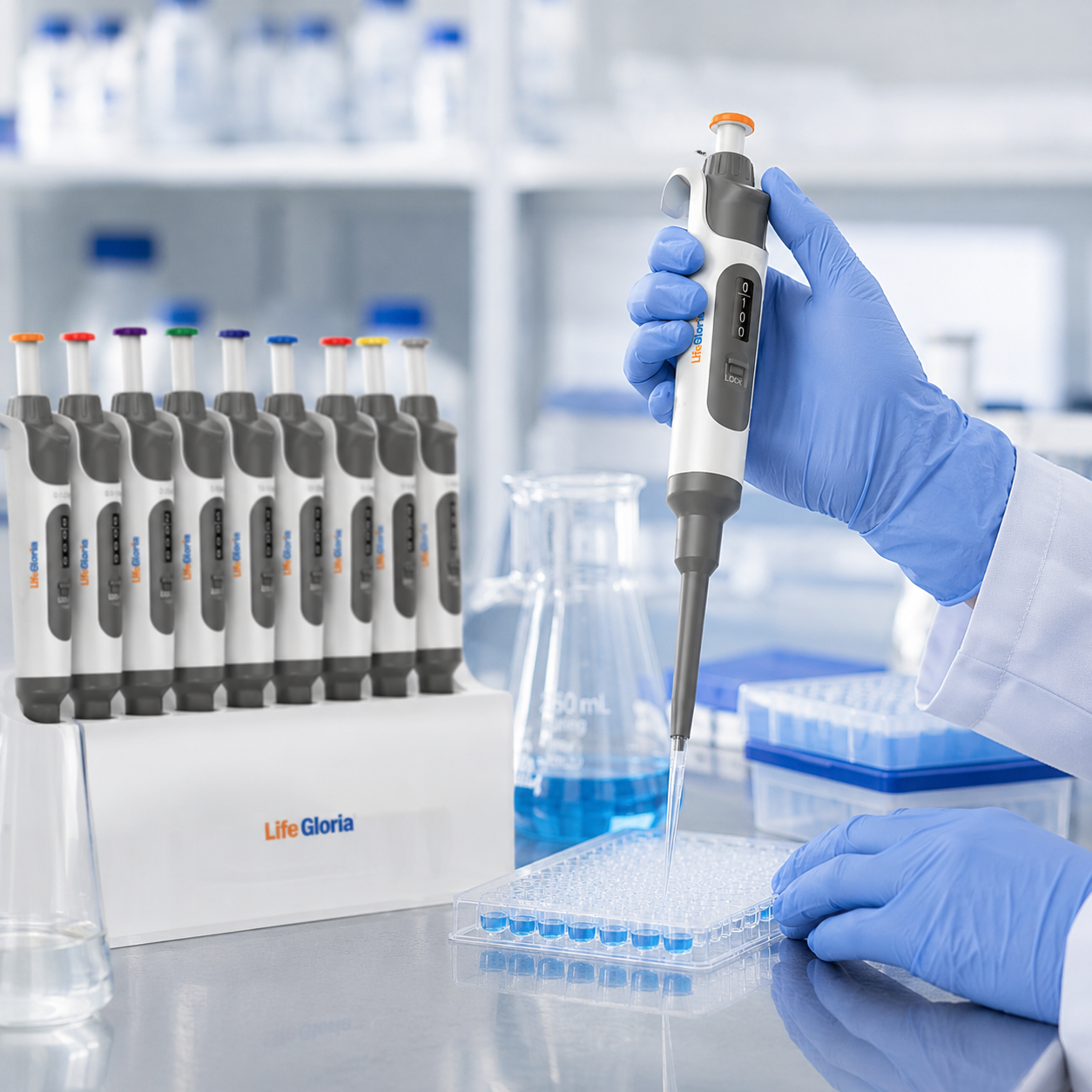
Accurate pipetting is one of the most fundamental skills in any laboratory. Whether you're performing PCR, cell culture, ELISA, molecular biology research, or routine analytical testing, even a small pipetting error can lead to unreliable data, wasted reagents, or failed experiments.
Many researchers assume that using a high-quality micropipette automatically guarantees accurate liquid handling. In reality, technique plays an equally important role. Even experienced scientists occasionally develop habits that reduce precision without realizing it.
In this guide, we'll explore eight common pipetting mistakes, explain why they happen, and share practical tips to improve your laboratory workflow.
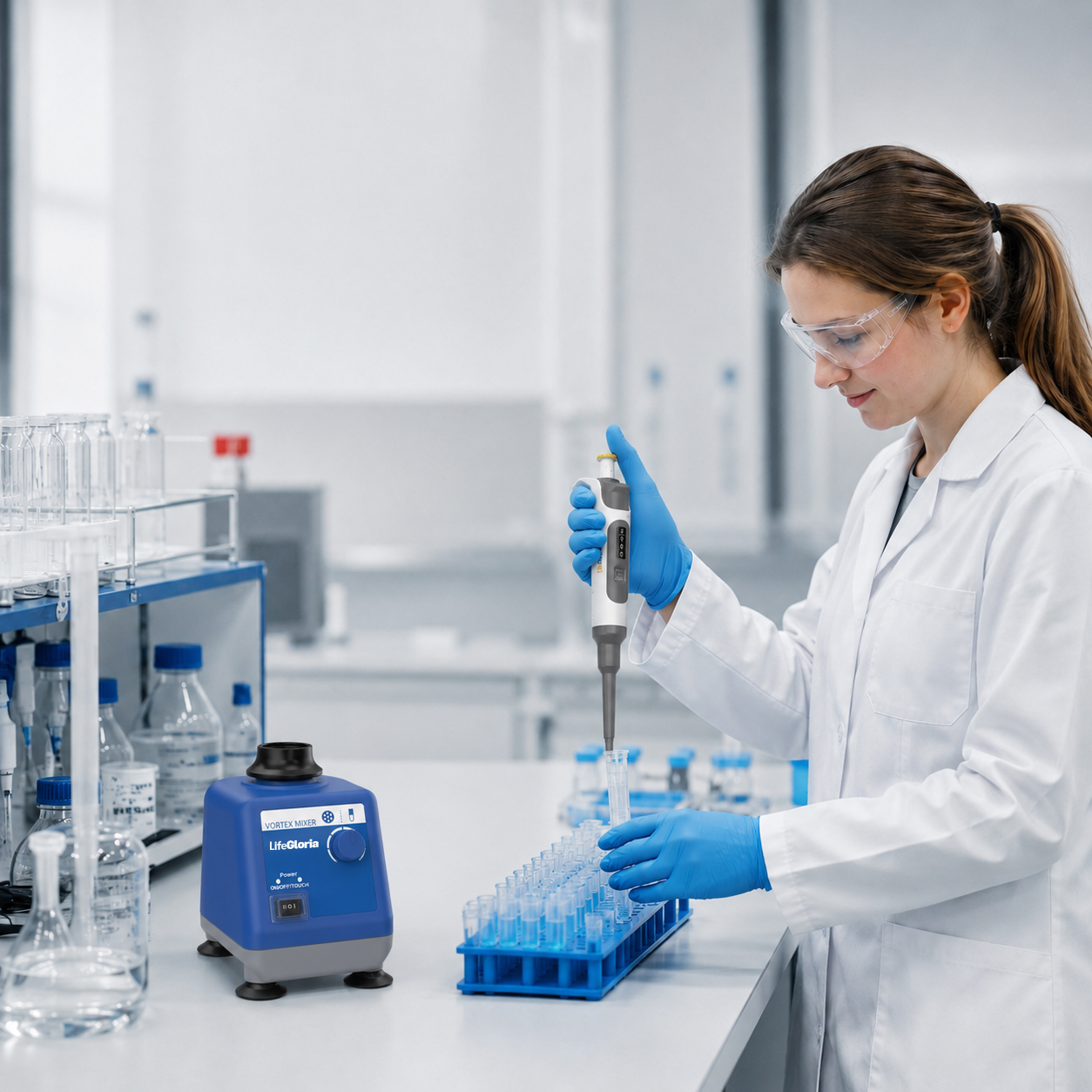
Why Pipetting Accuracy Matters
Modern laboratory experiments often involve transferring volumes ranging from a few microliters to several milliliters. At these small scales, tiny inconsistencies can significantly affect experimental outcomes.
Poor pipetting technique may result in:
- Reduced experimental reproducibility
- Incorrect reagent concentrations
- Cross-contamination between samples
- Higher reagent costs
- Failed PCR or qPCR reactions
- Cell culture variability
- Increased troubleshooting time
Fortunately, most pipetting errors are preventable with proper technique and regular equipment maintenance.
Mistake 1: Choosing the Wrong Pipette Volume Range
One of the most common mistakes is using a pipette near the extreme ends of its volume range.
For example, transferring 1 μL with a 2–20 μL pipette is much less accurate than using a dedicated 0.5–10 μL model.
Why this affects accuracy
Micropipettes deliver their highest accuracy when used within the middle portion of their specified volume range. Operating consistently at the minimum setting increases variability.
Best Practice
- Choose the smallest pipette capable of dispensing your required volume.
- Use multiple pipettes to cover different volume ranges.
- Avoid repeatedly using minimum volume settings.
Mistake 2: Skipping Tip Pre-Wetting
Many users aspirate the sample immediately after attaching a fresh tip.
This seems harmless, but dry plastic tips can retain tiny droplets, especially when working with small volumes.
What is Pre-Wetting?
Pre-wetting simply means aspirating and dispensing the sample liquid two or three times before taking the final measurement.
Benefits
- Improves consistency
- Reduces evaporation
- Stabilizes liquid inside the tip
- Increases accuracy for volumes below 20 μL
This simple habit can noticeably improve precision during PCR preparation.
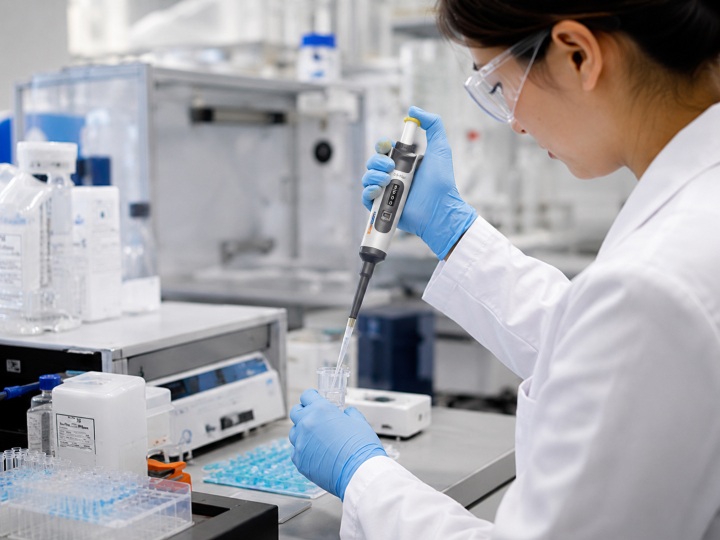
Mistake 3: Holding the Pipette at an Angle
The pipette should remain as vertical as possible while aspirating liquid.
Tilting the pipette changes hydrostatic pressure, leading to inconsistent sample uptake.
Correct Technique
✓ Hold the pipette vertically.
✓ Immerse the tip only 2–3 mm below the liquid surface.
Avoid inserting the tip too deeply, which may also increase liquid retention.
Mistake 4: Releasing the Plunger Too Quickly
A common beginner mistake is letting the plunger snap back after pressing it.
Rapid plunger release causes liquid turbulence and may introduce air bubbles into the sample.
Better Technique
- Press the plunger smoothly.
- Release slowly and steadily.
- Pause briefly after aspiration before removing the tip.
These small adjustments significantly improve repeatability.
Mistake 5: Using the Wrong Pipette Tips
Not all pipette tips are manufactured to the same standards.
Poorly fitting tips may leak air or fail to seal correctly, causing inconsistent dispensing.
Choose Tips That
- Fit securely
- Are DNase/RNase free when required
- Have low-retention surfaces for viscous liquids
- Match your pipette model
Using high-quality compatible tips is just as important as selecting a quality pipette.
Mistake 6: Ignoring Pipette Calibration
Even the best micropipettes gradually drift out of calibration with regular use.
Daily operation, accidental drops, and mechanical wear all contribute to reduced accuracy.
Signs Calibration May Be Needed
- Results become inconsistent
- Plunger feels rough
- Liquid leaks from the tip
- Different operators obtain different volumes
Routine calibration helps ensure reliable performance.
Mistake 7: Pipetting Too Quickly
Speed often reduces accuracy.
Researchers working under time pressure tend to aspirate and dispense too quickly, creating foam, bubbles, or incomplete liquid transfer.
Slow Down
A brief pause of one second after aspiration allows the liquid column to stabilize before transferring.
This simple technique improves consistency without affecting productivity.
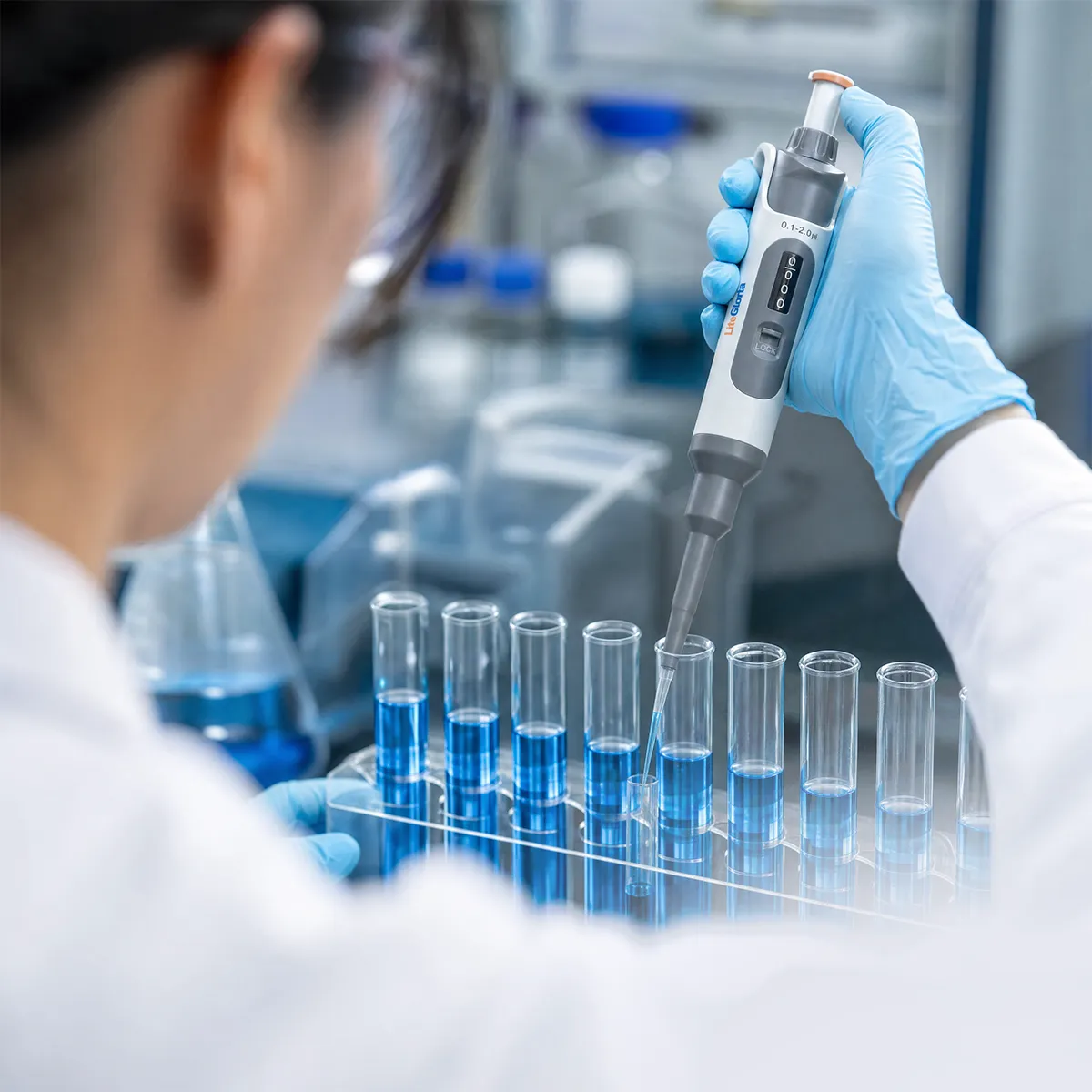
Mistake 8: Forgetting Regular Maintenance
Many laboratories clean work surfaces daily but neglect their pipettes.
Dust, chemical residue, and worn seals gradually affect performance.
Routine maintenance includes:
- Cleaning the exterior
- Inspecting O-rings
- Replacing worn seals
- Autoclaving compatible components
- Performing scheduled calibration
Proper maintenance extends the service life of your pipette and helps maintain consistent accuracy.
Tips for Improving Pipetting Accuracy
Developing good laboratory habits is the most effective way to improve liquid handling precision.
Remember these key practices:
- Select the correct pipette volume range.
- Pre-wet pipette tips when working with small volumes.
- Hold the pipette vertically.
- Aspirate and dispense slowly.
- Use compatible, high-quality tips.
- Replace damaged pipette components.
- Calibrate regularly.
- Practice consistent pipetting techniques.
Choosing a Reliable Laboratory Pipette
When selecting a micropipette, accuracy is only one consideration.
A good laboratory pipette should also provide:
- Comfortable ergonomic operation
- Low plunger force
- High repeatability
- Fully autoclavable lower assembly
- Clear digital volume display
- Chemical-resistant materials
- Easy maintenance and calibration
These features help improve efficiency while reducing user fatigue during repetitive pipetting tasks.
Frequently Asked Questions
How often should a pipette be calibrated?
Most laboratories perform calibration every 6 to 12 months. High-frequency use or regulated environments may require more frequent calibration.
Why should pipette tips be pre-wetted?
Pre-wetting conditions the inside surface of the tip, reducing liquid loss and improving measurement consistency, particularly for small sample volumes.
What is the correct immersion depth?
Generally, immerse the tip only 2–3 mm below the liquid surface when aspirating.
Can pipette tips affect accuracy?
Yes. Poor-quality or incompatible tips may leak air, retain liquid, or create inconsistent dispensing volumes.
Why do PCR experiments often fail because of pipetting?
PCR requires highly accurate reagent volumes. Small pipetting inconsistencies can alter reaction conditions, affecting amplification efficiency and reproducibility.
Final Thoughts
Accurate pipetting is not determined solely by the quality of the instrument. Proper technique, routine maintenance, compatible consumables, and regular calibration all contribute to reliable liquid handling.
By avoiding these eight common mistakes, laboratories can improve data quality, reduce experimental variability, and increase confidence in their results.
Whether you're setting up PCR reactions, preparing cell cultures, or performing routine analytical work, investing time in proper pipetting technique will pay dividends in every experiment.
