

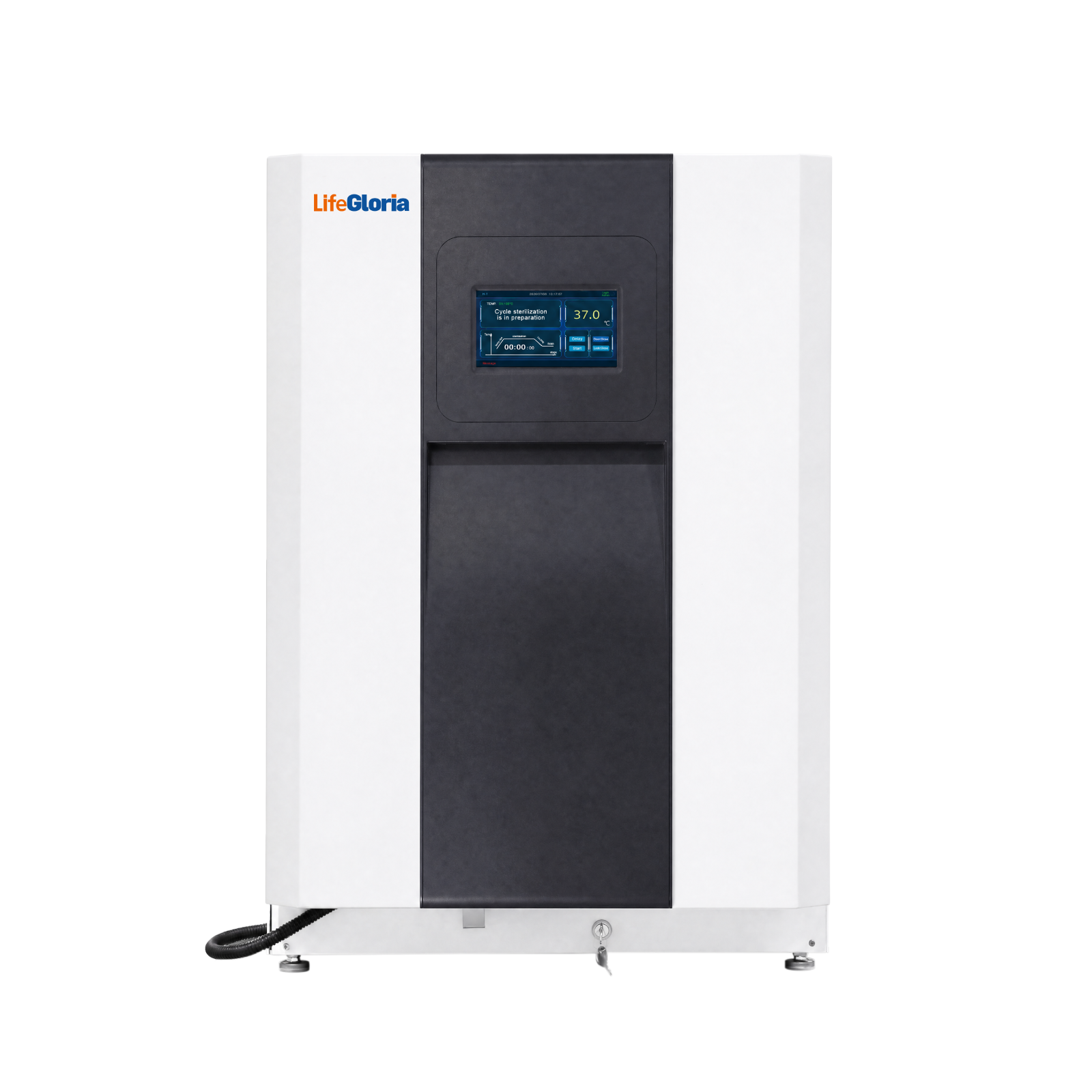
A CO2 incubator creates the controlled environment around a cell culture, but stable results also depend on loading practice, door-opening behavior, water management, cleaning, sterile consumables, alarms, gas supply, and documented recovery procedures.
This guide connects the incubator specification with the daily workflow so laboratories can compare capacity, environmental control, contamination management, data functions, and recurring consumables in one purchasing decision.
Quick Answer
Choose a CO2 incubator by chamber capacity, temperature and CO2 performance, humidity method, contamination-control system, recovery after door opening, alarms, data records, cleaning access, voltage, and service. Plan sterile plates and serological pipettes at the same time.
Request an incubator and cell culture supply package
Send LifeGloria the cell type, vessel formats, number of cultures, target temperature and CO2, humidity need, sterilization expectations, data requirements, room conditions, voltage, destination, and monthly consumable usage.
Incubator Features and Their Workflow Impact
| Feature | Workflow purpose | What to verify |
|---|---|---|
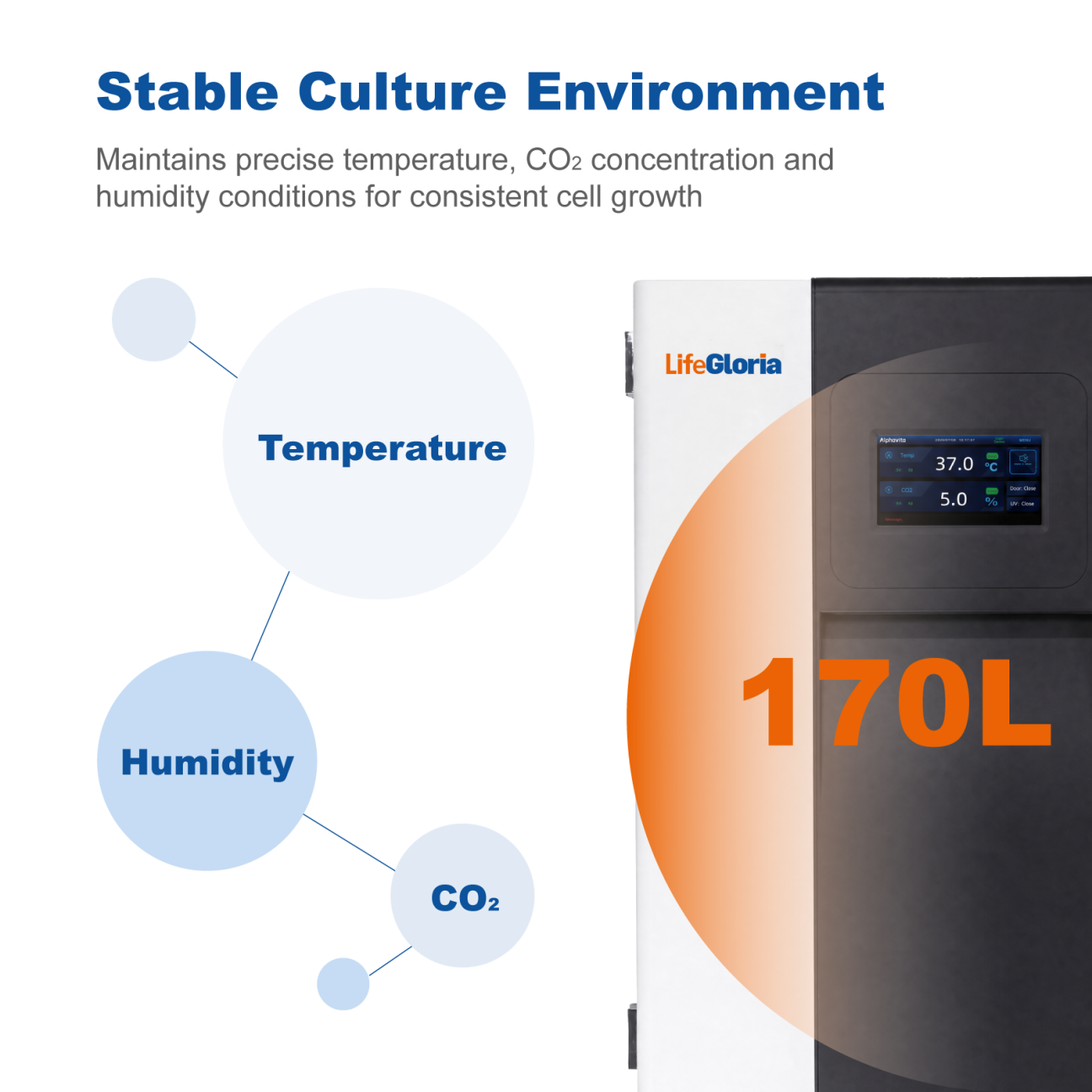
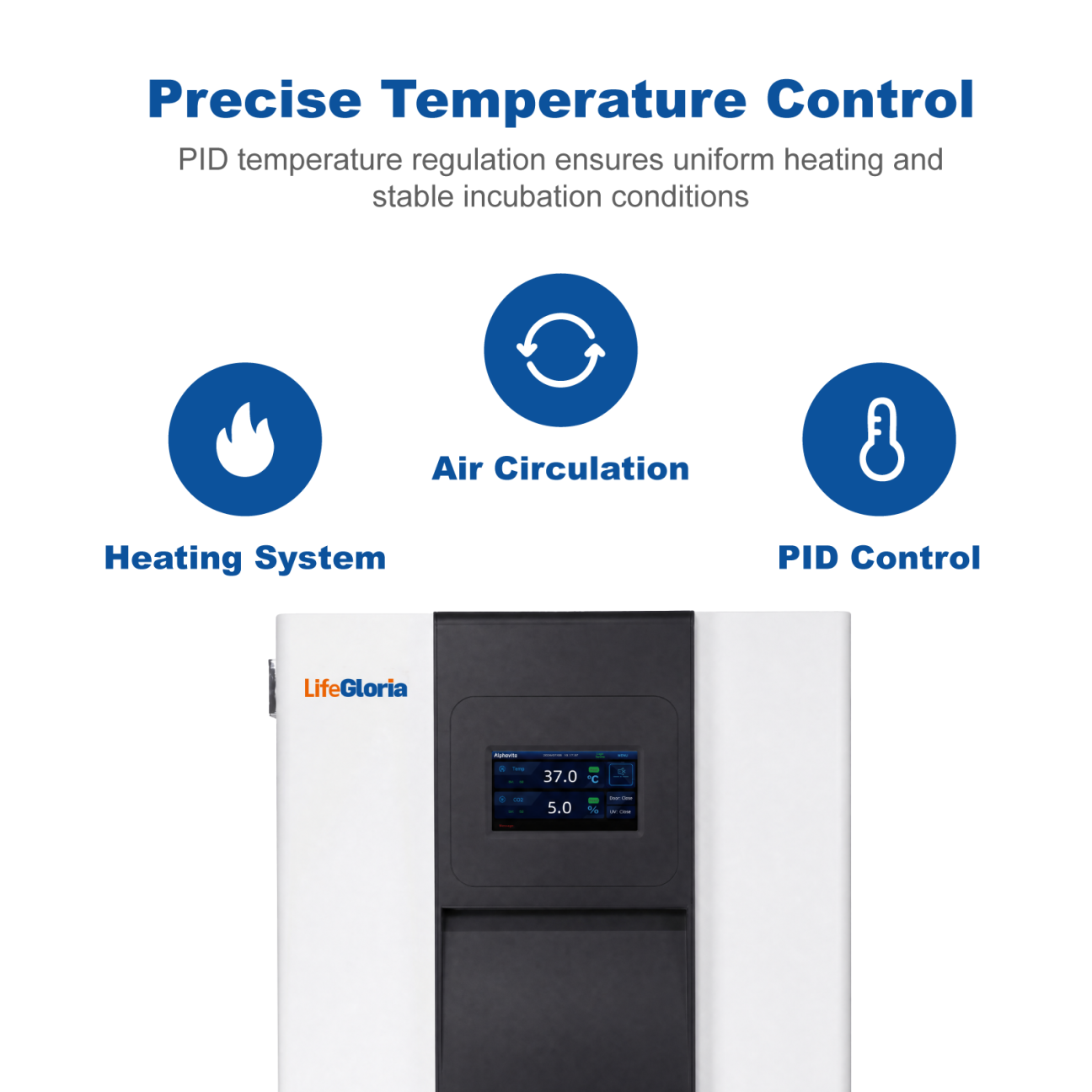
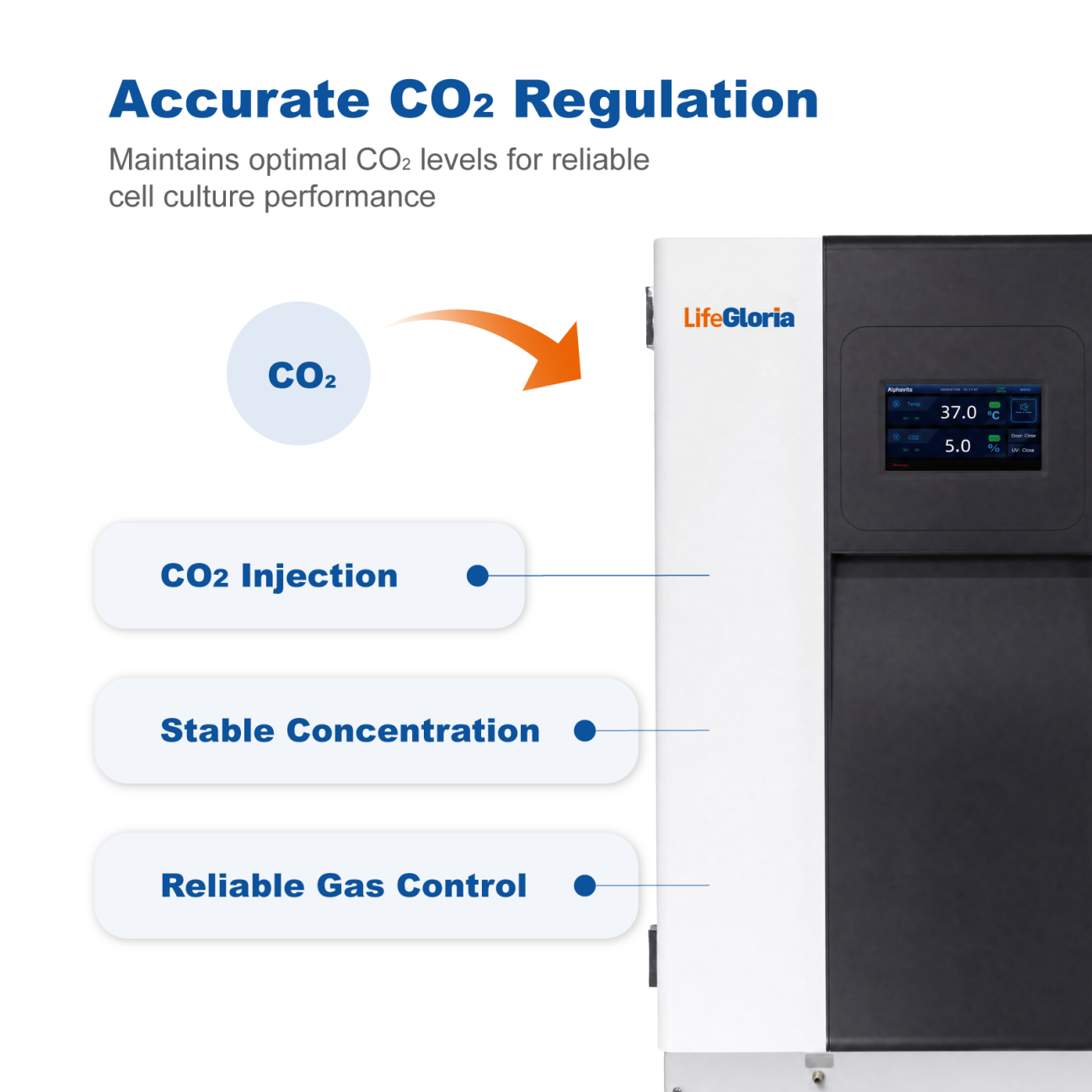
| Temperature and CO2 control | Stable culture conditions | Range, accuracy, uniformity, sensor, recovery |
| Humidity | Limits evaporation | Tray design, water quality, cleaning, condensation |
| Sterilization and filtration | Reduces contamination risk | Cycle, UV safety, HEPA specification, SOP |
| Data and alarms | Supports traceability and response | Logs, export, permissions, remote alarm, calibration |
Size the Chamber Around Real Vessel Load
Chamber volume alone does not define usable capacity. List flasks, plates, dishes, bottles, shelf spacing, future expansion, and the number of door openings. Overcrowding can restrict airflow and slow recovery.
- Draw a normal and peak loading plan
- Leave space around vessels for air circulation
- Group work to reduce door openings
- Confirm shelf count and adjustment range
- Plan gas cylinder and room placement
LifeGloria MCO-170HS Reference Configuration
The LifeGloria MCO-170HS provides a 170 L chamber, ambient +5°C to 50°C temperature range with ±0.25°C uniformity, and 0-20% CO2 control with ±0.15% accuracy. The product configuration includes a humidity tray, 180°C dry-heat sterilization, a 4 W ozone-free UV lamp, a 0.2 µm HEPA filter, and a seven-inch touchscreen.
- Air-jacket temperature control
- Published humidity reference of 95±5% RH
- USB data export and alarm records
- SUS304 stainless-steel chamber and adjustable shelves
- Door, sensor, heater, CO2, and temperature alarm functions
Connect Sterile Consumables to the Incubator Workflow
Culture plates and serological pipettes enter the same contamination-control chain. Confirm sterile packaging, surface treatment, well format, media volume, lot documents, pipette-aid compatibility, and waste handling before routine work begins.
- Select 6-well or 96-well plates by experiment design
- Use individually wrapped serological pipettes for aseptic milliliter transfer
- Inspect packaging before entering the clean area
- Separate unopened and in-use stock
- Record critical consumable lots when required
Create a Contamination and Alarm Response Plan
Sterilization features reduce risk but do not replace aseptic technique. Define daily observation, water replacement, spill response, scheduled cleaning, sensor verification, alarm limits, backup incubator or transfer plan, and responsibility for after-hours events.
- Log temperature and CO2 trends
- Investigate repeated slow recovery
- Clean spills immediately according to the SOP
- Do not mix incompatible decontamination methods
- Document maintenance and service actions
Procurement Checklist
- Cell type and biosafety level
- Vessel formats and normal load
- Temperature, CO2, and humidity targets
- Sterilization and filtration expectations
- Alarm, data export, and user-permission needs
- Sterile plates and serological pipette usage
- Room, gas, voltage, access, and installation conditions
- Training, warranty, service, destination, and delivery schedule
Frequently Asked Questions
Is a larger CO2 incubator always better?
No. Select enough usable capacity for normal and peak loading while maintaining airflow, recovery, cleaning access, and sensible energy use.
Does 180°C sterilization remove the need for cleaning?
No. Physical cleaning, spill control, water management, aseptic practice, and the specified sterilization cycle all remain necessary.
Why plan consumables with the incubator?
Plate format, media handling, sterile transfer, storage, and monthly usage directly affect how the incubator is loaded and operated.
What should I provide for an MCO-170HS quotation?
Provide culture type, load, environmental targets, sterilization and data needs, voltage, room conditions, consumables, destination, and installation schedule.
Final Recommendation
Select the incubator as part of a complete cell culture process. LifeGloria can quote the MCO-170HS together with suitable culture consumables and pre-purchase technical confirmation.
Recommended LifeGloria Products
Confirm the final model, selected SKU, compatibility, accessories, certificates, voltage, packaging, freight, storage conditions, local regulations, and application requirements before purchase.
