

Introduction
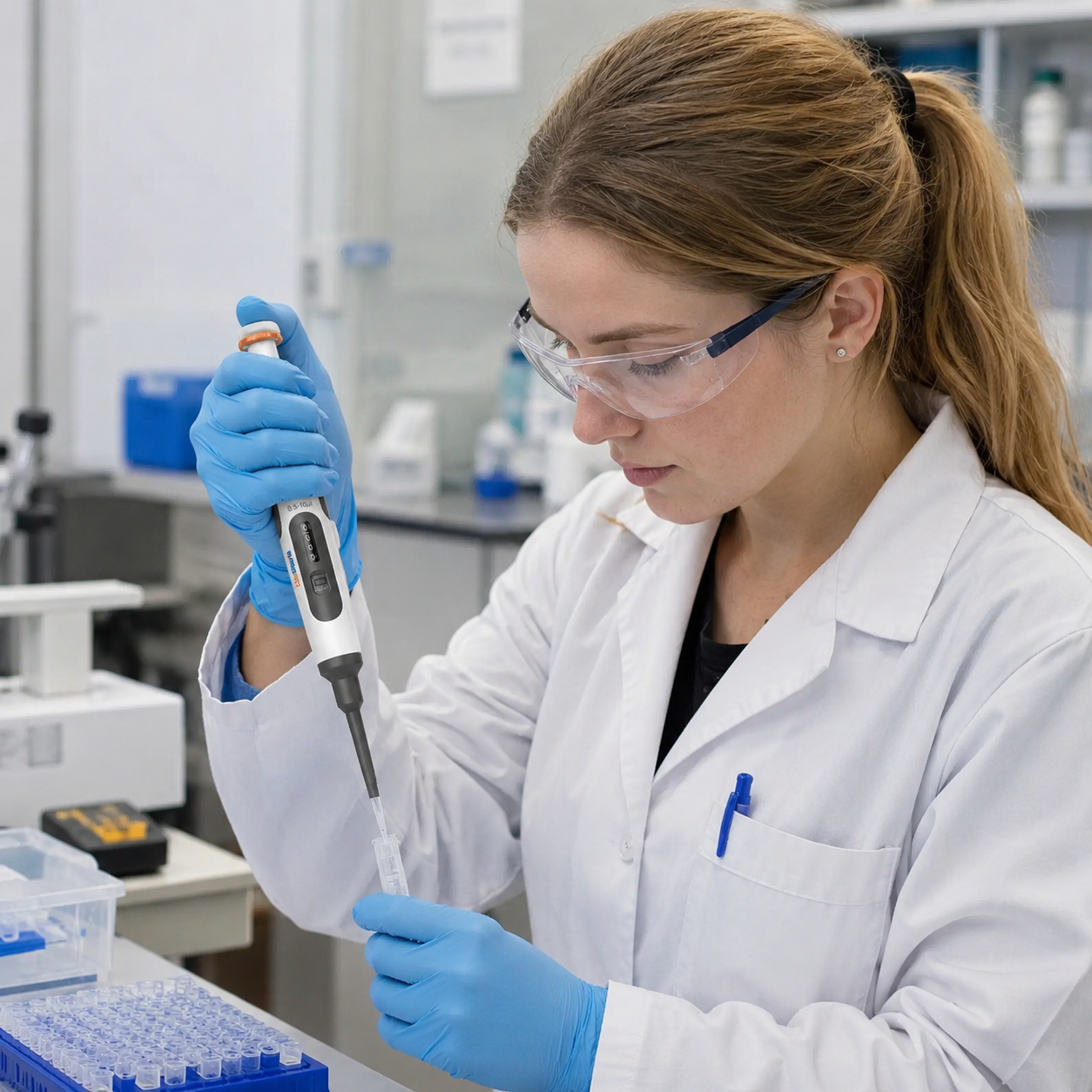
qPCR (quantitative Polymerase Chain Reaction) is one of the most widely used techniques in molecular biology, diagnostics, and genetic research. However, even with high-quality reagents and advanced instruments, small pipetting errors during qPCR setup can significantly affect experimental results.
Because qPCR reactions typically use very small liquid volumes, inaccurate pipetting can lead to inconsistent amplification, higher variation between replicates, and unreliable data interpretation.
Understanding common pipetting mistakes and learning proper techniques can help researchers improve accuracy, reduce experimental failures, and maintain reliable results.
Why Accurate Pipetting Matters in qPCR Setup
During qPCR preparation, reaction volumes are usually measured in microliters (μL). A small volume difference can change the concentration of:
- DNA or RNA templates
- Primers
- Master mix
- Enzymes
- Fluorescent dyes
For example, introducing an incorrect amount of template DNA may change the cycle threshold (Ct) value and influence the final interpretation of results.
Accurate pipetting is not only about transferring liquid — it is an essential step in maintaining experimental consistency.
Common Pipetting Mistakes During qPCR Setup
1. Using the Wrong Pipette Volume Range
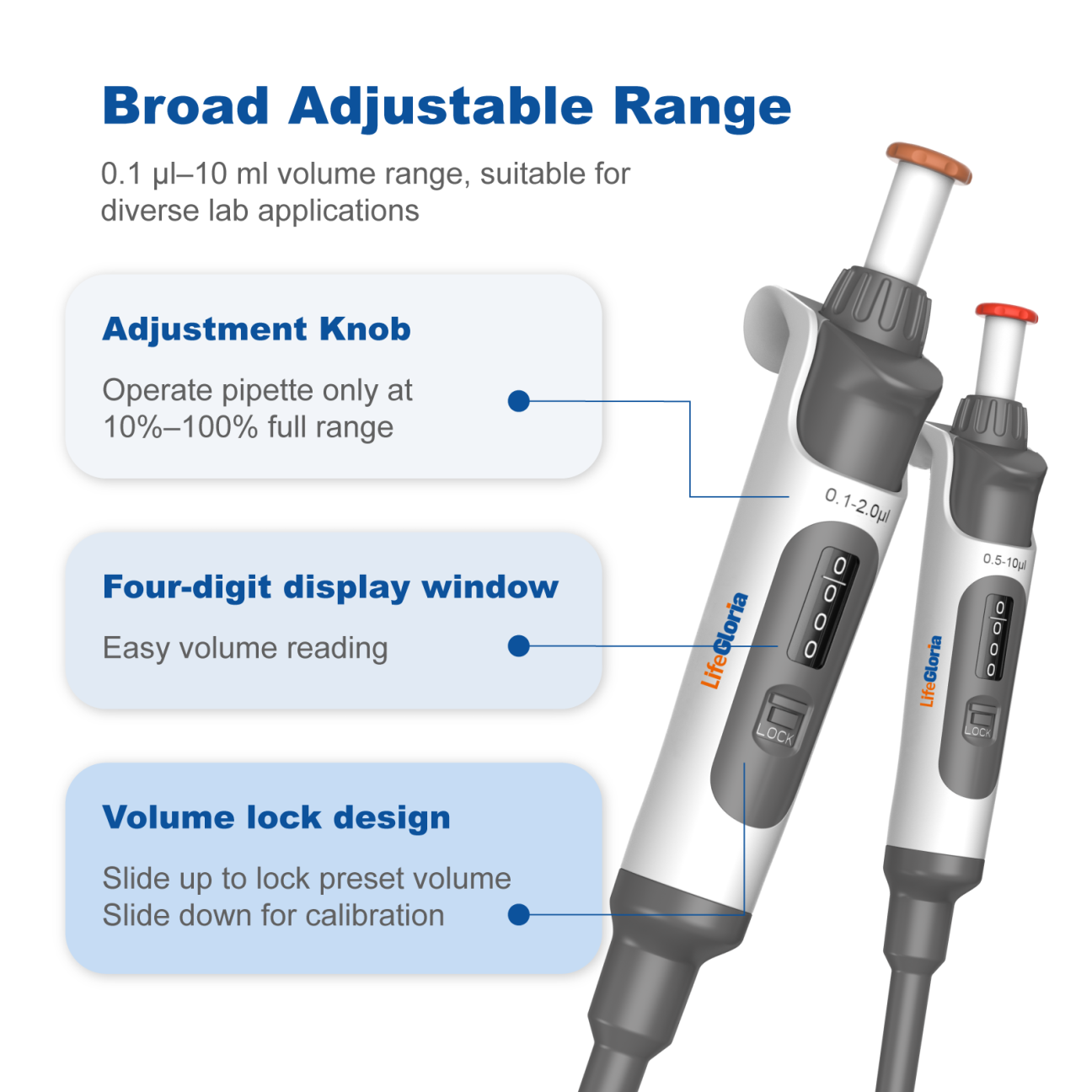
One of the most common mistakes is using a pipette outside its recommended volume range.
For example:
Using a 1000 μL pipette to transfer 10 μL of liquid can significantly reduce accuracy.
Better practice:
Choose the correct pipette according to the required volume:
- P2 pipette: 0.2–2 μL
- P10 pipette: 0.5–10 μL
- P200 pipette: 20–200 μL
- P1000 pipette: 100–1000 μL
Using the appropriate pipette improves precision and reduces variation.
2. Not Pre-Wetting Pipette Tips
Many researchers skip pre-wetting tips, especially when working with small volumes.
However, pre-wetting can improve accuracy by creating consistent liquid conditions inside the tip.
Recommended steps:
- Attach a new pipette tip
- Aspirate and dispense the liquid 2–3 times
- Begin the final transfer
This is especially useful when working with low-volume qPCR reactions.
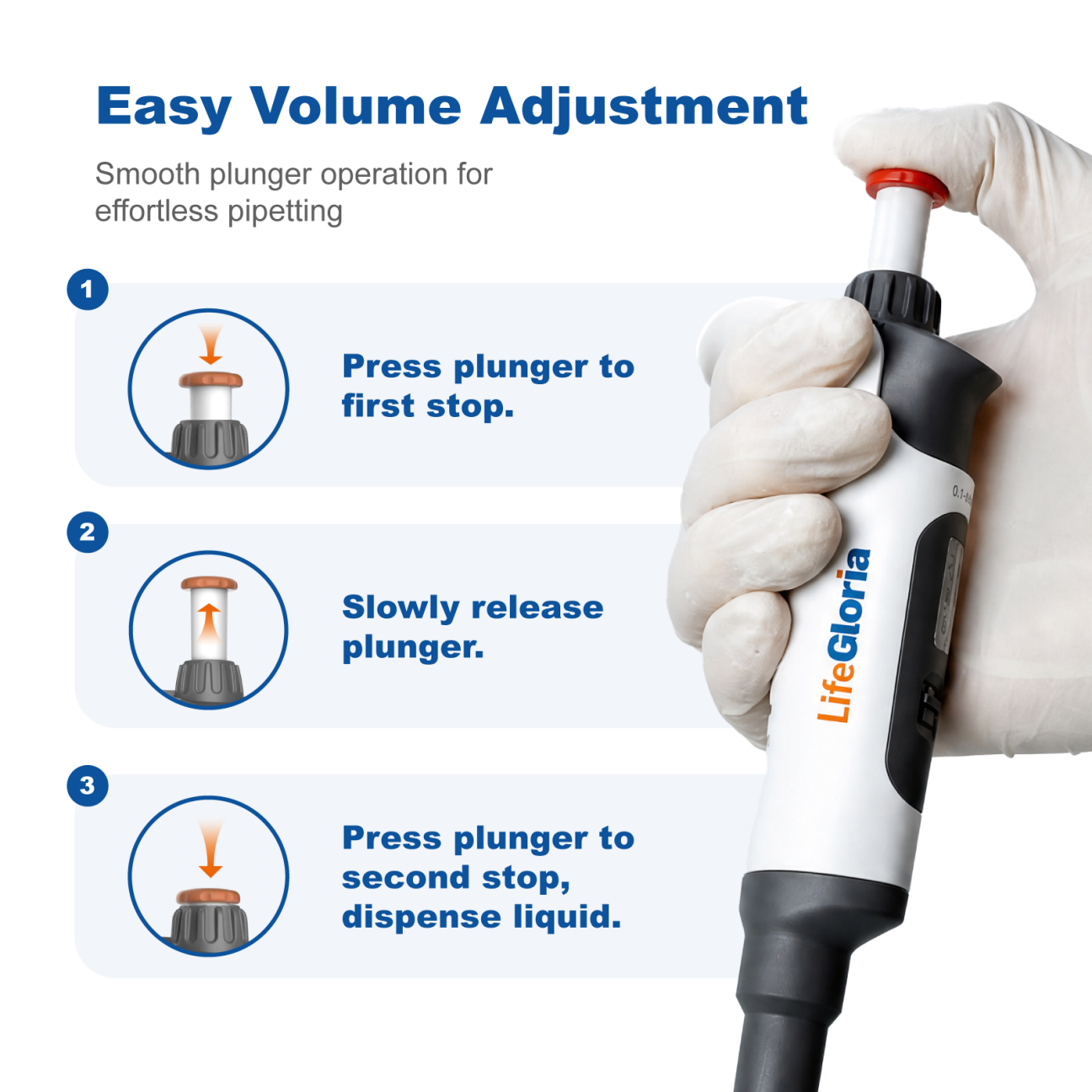
3. Incorrect Pipetting Speed
Moving the pipette plunger too quickly can create:
- Air bubbles
- Incomplete liquid transfer
- Sample loss on the tip wall
For sensitive molecular biology experiments:
- Aspirate slowly
- Dispense smoothly
- Keep the pipette vertical during aspiration
Controlled movement helps improve repeatability.
4. Ignoring Tip Immersion Depth
The depth of the pipette tip inside the liquid affects accuracy.
If the tip is inserted too deeply:
- Excess liquid may enter the tip
- Volume accuracy may decrease
If inserted too shallow:
- Air may be aspirated
Recommended immersion depth:
- Small volume pipettes: 1–2 mm
- Larger volume pipettes: 2–5 mm
5. Creating Air Bubbles During Transfer
Air bubbles are a common problem during qPCR preparation.
They can cause:
- Incorrect reaction volume
- Poor mixing
- Inconsistent amplification results
To prevent bubbles:
✓ Aspirate slowly
✓ Keep the pipette tip below the liquid surface
✓ Dispense against the tube wall when appropriate
6. Reusing Pipette Tips Between Samples
Cross-contamination is a serious risk in molecular biology experiments.
Using the same tip for multiple samples may transfer:
- DNA fragments
- RNA molecules
- Enzymes
- Contaminants
Always use a fresh tip between different samples.
For sensitive applications such as qPCR, using filtered pipette tips is recommended.
7. Not Mixing qPCR Components Properly
After adding reagents, insufficient mixing may create concentration differences within the reaction mixture.
Common methods include:
- Gentle pipette mixing
- Brief vortexing (depending on sample requirements)
- Short centrifugation to collect liquid
Avoid aggressive mixing if the sample is sensitive.
8. Skipping Pipette Calibration Checks
A pipette is a precision instrument. Over time, mechanical wear can affect accuracy.
Factors that influence pipette performance include:
- Frequent use
- Autoclaving cycles
- Temperature changes
- Improper storage
Regular calibration helps maintain reliable results.
Best Pipetting Practices for qPCR Setup
To improve qPCR consistency:
Before Experiment
✓ Select the correct pipette
✓ Check calibration status
✓ Prepare clean pipette tips
✓ Use proper protective equipment
During Pipetting
✓ Hold pipette vertically
✓ Use consistent speed
✓ Avoid bubbles
✓ Change tips between samples
After Experiment
✓ Clean pipette surface
✓ Store properly
✓ Schedule regular maintenance
How a High-Quality Pipette Improves qPCR Results
A reliable laboratory pipette provides:
- Better volume accuracy
- Improved repeatability
- Reduced user variation
- Comfortable operation during long experiments
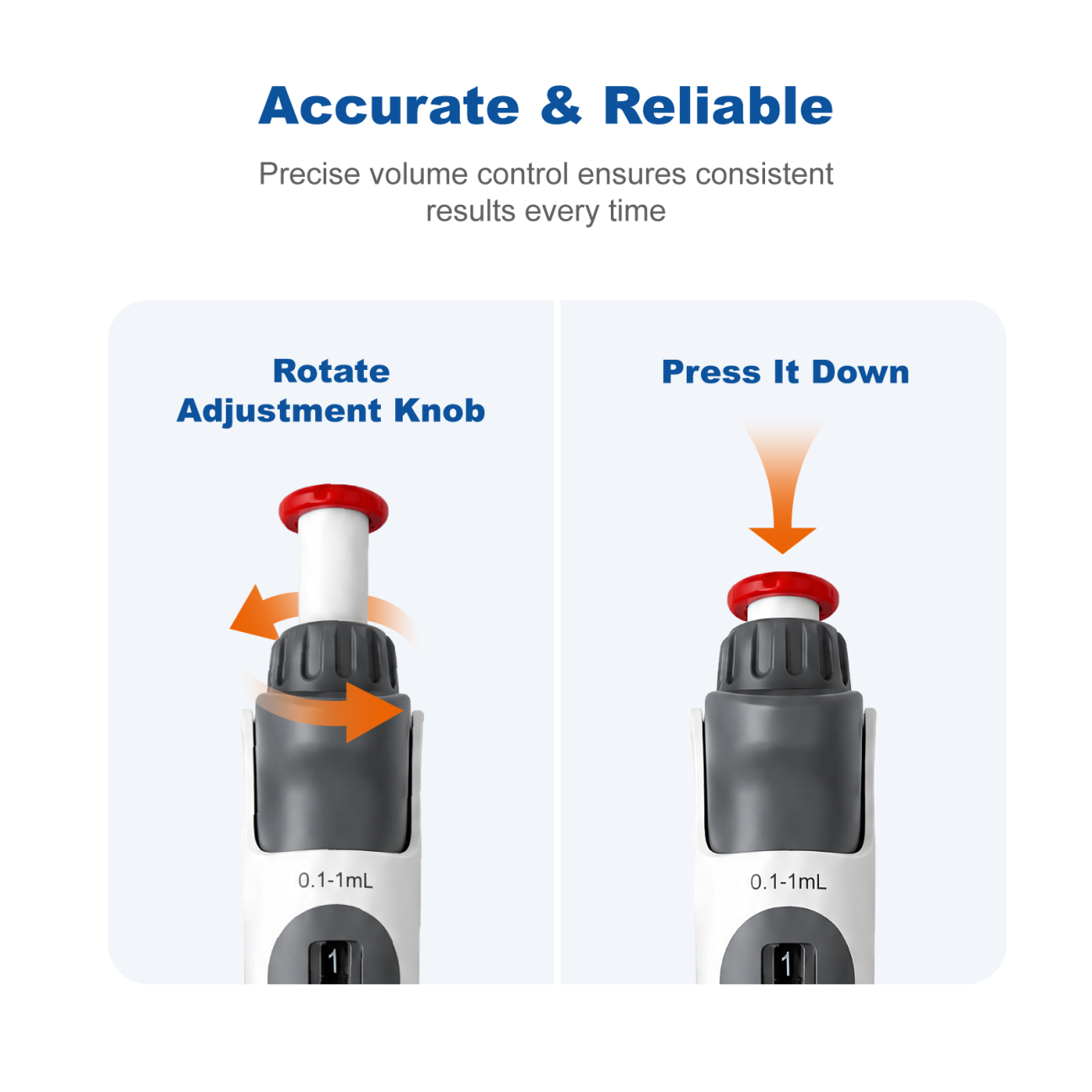
For molecular biology applications, ergonomic design and precise volume adjustment are especially important.
LifeGloria laboratory pipettes are designed for accurate liquid handling in applications including:
- PCR preparation
- qPCR setup
- Cell culture
- Molecular biology research
- Diagnostic laboratories
Frequently Asked Questions (FAQ)
What is the most common pipetting mistake in qPCR?
The most common mistakes include using incorrect volume settings, creating air bubbles, and inconsistent pipetting techniques.
How can pipetting errors affect qPCR results?
Pipetting errors can change reagent concentrations, increase variation between samples, and affect Ct values.
Should pipette tips be changed between samples?
Yes. Using fresh tips helps prevent cross-contamination and improves experimental reliability.
How often should laboratory pipettes be calibrated?
Most laboratories recommend regular calibration based on usage frequency and quality requirements.
Conclusion
Accurate pipetting is one of the most important factors in successful qPCR experiments. Even small mistakes can influence reaction performance and data reliability.
By choosing the correct pipette, following proper techniques, and maintaining laboratory equipment regularly, researchers can improve consistency and reduce failed experiments.
Reliable results begin with accurate liquid handling.
