

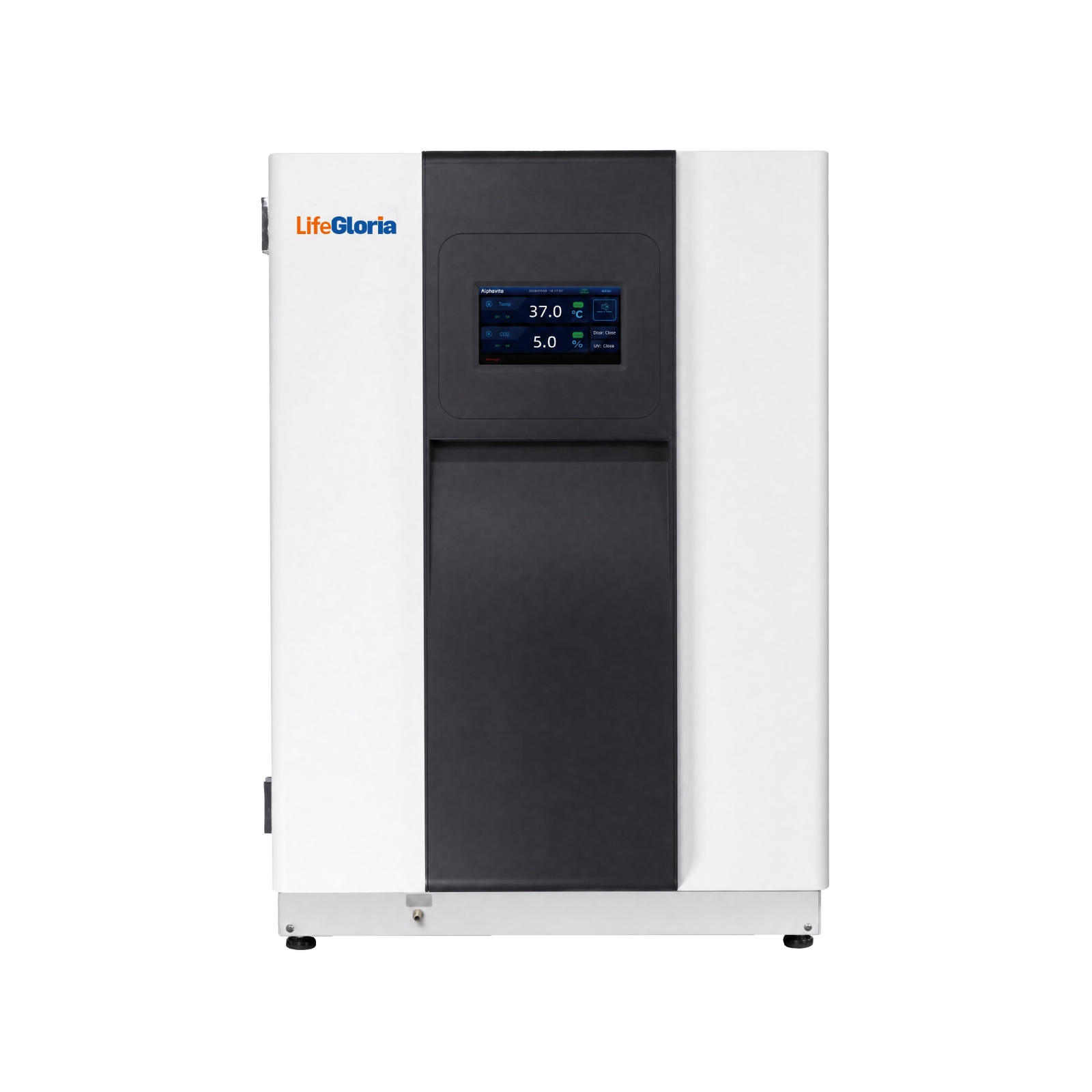
Laboratory equipment is often purchased one machine at a time, but samples move through a connected sequence: culture or incubation, mixing, tissue disruption, separation, measurement, short-term holding, and long-term storage.
This guide shows how to define the handoff between instruments so tube formats, capacity, temperature, timing, records, and consumables remain compatible from the first step to cryogenic storage.
Quick Answer
Map every sample step before purchasing equipment. Use a shaker for controlled vessel agitation, a thermo mixer for temperature-controlled tube or plate mixing, a vortex mixer for rapid resuspension, a homogenizer for tissue disruption, a centrifuge for separation, and a suitable liquid nitrogen Dewar only for validated cryogenic storage procedures.
Request a workflow-based equipment quotation
Send LifeGloria the sample type, vessel formats, temperatures, mixing speeds, batch size, centrifugation force, measurement steps, storage duration, daily throughput, voltage, destination, and required documents. We can group compatible product options by process stage.
Select Equipment by Process Stage
| Process stage | Typical equipment | Decision point |
|---|---|---|
| Culture or incubation | Laboratory shaker, CO2 incubator, or thermo mixer | Vessel, temperature, atmosphere, agitation |
| Rapid mixing | Vortex mixer | Single tube, attachment, speed, duration |
| Disruption and separation | Tissue homogenizer and centrifuge | Sample hardness, tube, beads, rotor, RCF |
| Long-term cryogenic storage | Liquid nitrogen Dewar | Storage mode, capacity, evaporation, monitoring, safety |
Choose the Correct Mixing Environment
Laboratory shakers support controlled agitation of flasks, bottles, or plates, while the LifeGloria thermo mixer combines programmable temperature with mixing for compatible tubes and blocks. The vortex mixer is better for short, direct resuspension rather than long unattended incubation.
- Define vessel type and maximum load
- Separate temperature control from room-temperature mixing
- Confirm orbit and speed range
- Check clamps, platforms, or blocks
- Set a reproducible mixing endpoint
Coordinate Homogenization and Centrifugation
After tissue disruption, the homogenate must move into a tube compatible with the next separation step. Plan sample volume, tube material, bead removal, RCF, rotor, balance, temperature, and transfer losses before selecting either instrument.
- Use sealed rated tubes during bead beating
- Clarify whether the same tube proceeds to centrifugation
- Balance samples symmetrically
- Stay below every component rating
- Document transfer and recovery losses
Use Temperature Control Deliberately
The LifeGloria thermo mixer covers 0-100°C and selected configurations mix from 250 to 3000 rpm with a 3 mm orbit. Interchangeable blocks support different tubes and plates. Temperature-sensitive workflows need validated ramp rates, hold time, mixing intensity, condensation control, and recovery after power interruption.
- Confirm the exact model and block
- Use calibration and verification points
- Include preheating or cooling time
- Avoid overheating sensitive analytes
- Record programmed steps and cycles
Plan Liquid Nitrogen Storage as a Safety System
LifeGloria liquid nitrogen Dewars are available across 2-50 L capacities for appropriate biological sample storage. Capacity selection must include usable sample space, static holding needs, expected evaporation, refill access, inventory monitoring, protective equipment, ventilation, transport restrictions, and emergency response.
- Choose static storage or transport use correctly
- Track liquid level and refill schedule
- Use approved cryogenic vessels and personal protective equipment
- Maintain ventilation and oxygen-deficiency controls
- Never seal liquid nitrogen in an unvented container
Procurement Checklist
- Complete sample journey from receipt to storage
- Vessel and tube formats at every step
- Mixing speed, orbit, temperature, and time
- Homogenization sample and bead requirements
- Centrifugation RCF, rotor, capacity, and temperature
- Measurement and recordkeeping needs
- Cryogenic capacity, monitoring, ventilation, and safety
- Voltage, installation, accessories, documents, destination, and support
Frequently Asked Questions
Can one mixer replace a shaker, vortex mixer, and thermo mixer?
Usually not. Vessel support, orbit, temperature control, speed, duty cycle, and mixing endpoint differ between these instruments.
Can a homogenizer tube go directly into a centrifuge?
Only when the tube, cap, dimensions, material, fill level, adapter, rotor, and RCF are all compatible.
How should liquid nitrogen tank capacity be selected?
Use the usable sample capacity, storage mode, evaporation, refill interval, future growth, monitoring, transport, and safety plan rather than liters alone.
Can LifeGloria prepare a multi-product quotation?
Yes. Provide the process map, samples, vessels, throughput, technical requirements, voltage, destination, timeline, and whether the inquiry is for an end user or distributor.
Final Recommendation
Connect instruments around the sample journey rather than buying isolated specifications. LifeGloria can review the workflow and prepare a coordinated quotation covering mixing, preparation, separation, analysis, consumables, and cryogenic storage.
Recommended LifeGloria Products
Confirm the final model, selected SKU, compatibility, accessories, certificates, voltage, packaging, freight, storage conditions, local regulations, and application requirements before purchase.
