


A micropipette is one of the most essential tools in modern laboratories. From molecular biology and cell culture to pharmaceutical research and clinical diagnostics, accurate liquid handling is critical for reliable experimental results.
Even a small pipetting error can affect sample concentration, reaction efficiency, and experimental reproducibility.
With many options available—including single-channel pipettes, multichannel pipettes, adjustable-volume pipettes, and electronic pipettes—choosing the right micropipette requires understanding your application, volume requirements, accuracy needs, and laboratory workflow.
This guide explains everything you need to know before selecting a laboratory micropipette.
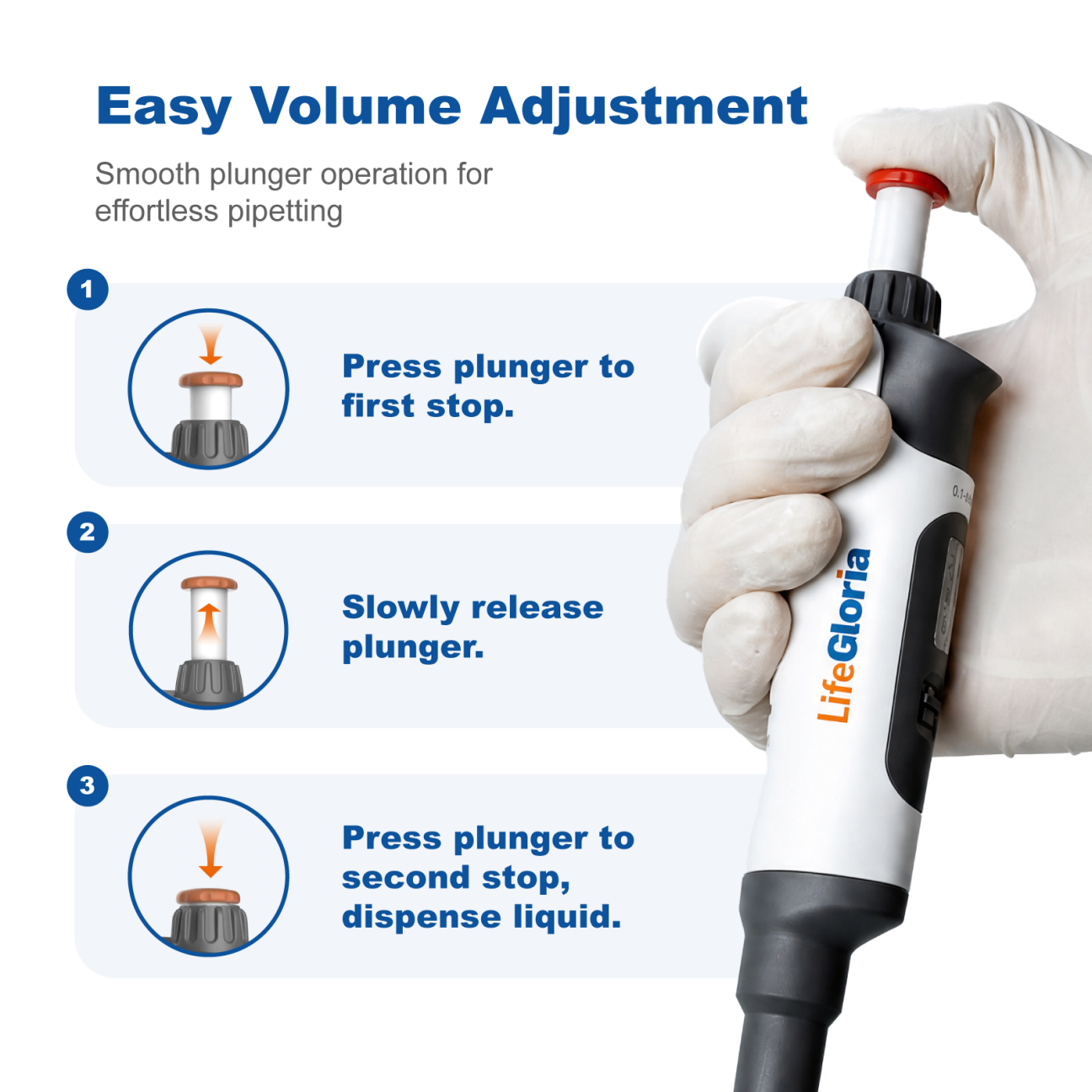
What Is a Micropipette?
A micropipette is a precision laboratory instrument designed to accurately transfer small volumes of liquid, typically ranging from microliters (μL) to milliliters (mL).
Micropipettes are widely used in:
- Molecular biology
- Cell culture
- PCR experiments
- Pharmaceutical research
- Biotechnology laboratories
- Clinical testing
- Chemistry laboratories
They allow researchers to handle samples with high precision and repeatability.
Why Choosing the Right Micropipette Matters
A high-quality pipette improves:
- Experimental accuracy
- Sample consistency
- Laboratory efficiency
- Research reproducibility
- User comfort
Using an unsuitable pipette may cause:
- Volume inaccuracies
- Sample contamination
- User fatigue
- Experimental failure
- Increased consumable costs
The correct micropipette is not only a laboratory tool—it is an important part of experimental quality control.
Types of Laboratory Micropipettes
1. Adjustable Volume Micropipette
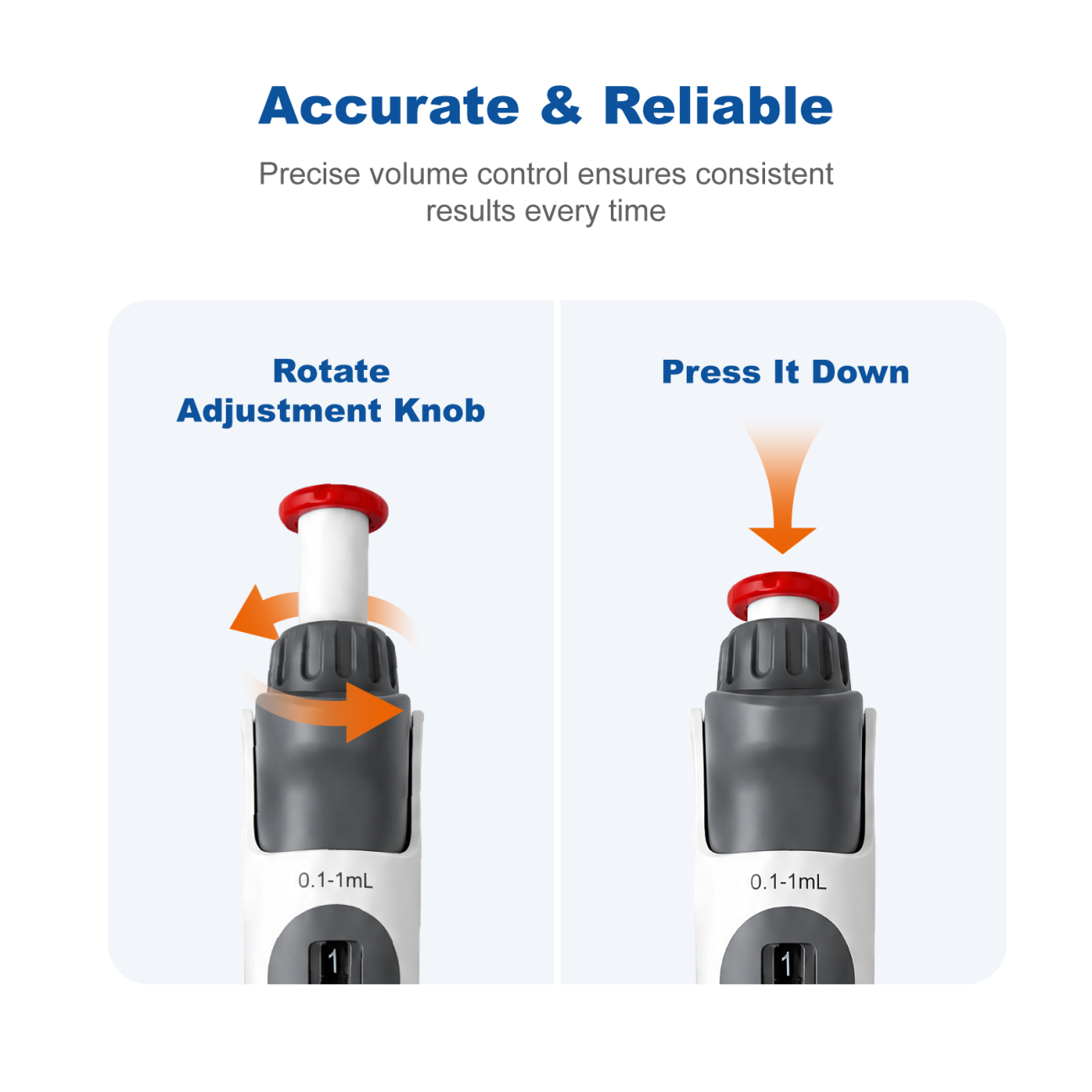
Adjustable-volume pipettes allow users to select different volumes within a specific range.
Examples:
- 0.1–10 μL
- 2–20 μL
- 20–200 μL
- 100–1000 μL
Advantages:
- Flexible applications
- Reduced need for multiple pipettes
- Suitable for different experimental protocols
They are the most common choice for general laboratory applications.
2. Fixed Volume Pipette
Fixed-volume pipettes deliver one specific volume.
Advantages:
- Simple operation
- High repeatability
- Reduced adjustment errors
They are often used in laboratories performing repetitive workflows.
3. Single Channel Pipette
Single-channel pipettes transfer liquid from one channel at a time.
Common applications:
- Sample preparation
- DNA/RNA handling
- General laboratory procedures
Advantages:
- High precision
- Easy operation
- Suitable for everyday laboratory work
4. Multichannel Pipette
Multichannel pipettes transfer multiple samples simultaneously.
Common applications:
- 96-well plates
- ELISA testing
- High-throughput screening
Advantages:
- Faster workflow
- Improved productivity
- Reduced repetitive movement
How to Choose the Correct Pipette Volume Range
Selecting the correct volume range is one of the most important decisions.
A general rule:
Choose a pipette where your target volume is close to the middle of its capacity range.
For example:
A 100–1000 μL pipette is not ideal for accurately measuring 50 μL.
Common volume ranges:
| Pipette Range | Typical Applications |
|---|---|
| 0.1–10 μL | PCR, molecular biology |
| 2–20 μL | DNA/RNA handling |
| 20–200 μL | General laboratory work |
| 100–1000 μL | Buffer preparation, sample transfer |
Using the correct volume range improves accuracy and reduces measurement errors.
Accuracy vs Precision: What Is the Difference?
Many researchers confuse accuracy and precision.
Accuracy
Accuracy refers to how close the measured volume is to the actual target volume.
Example:
Target: 100 μL
Delivered: 99.8 μL
High accuracy means minimal deviation.
Precision
Precision refers to how consistent repeated measurements are.
Example:
100 μL
100.1 μL
99.9 μL
High precision means excellent repeatability.
A professional micropipette should provide both.
Important Features to Consider When Buying a Micropipette
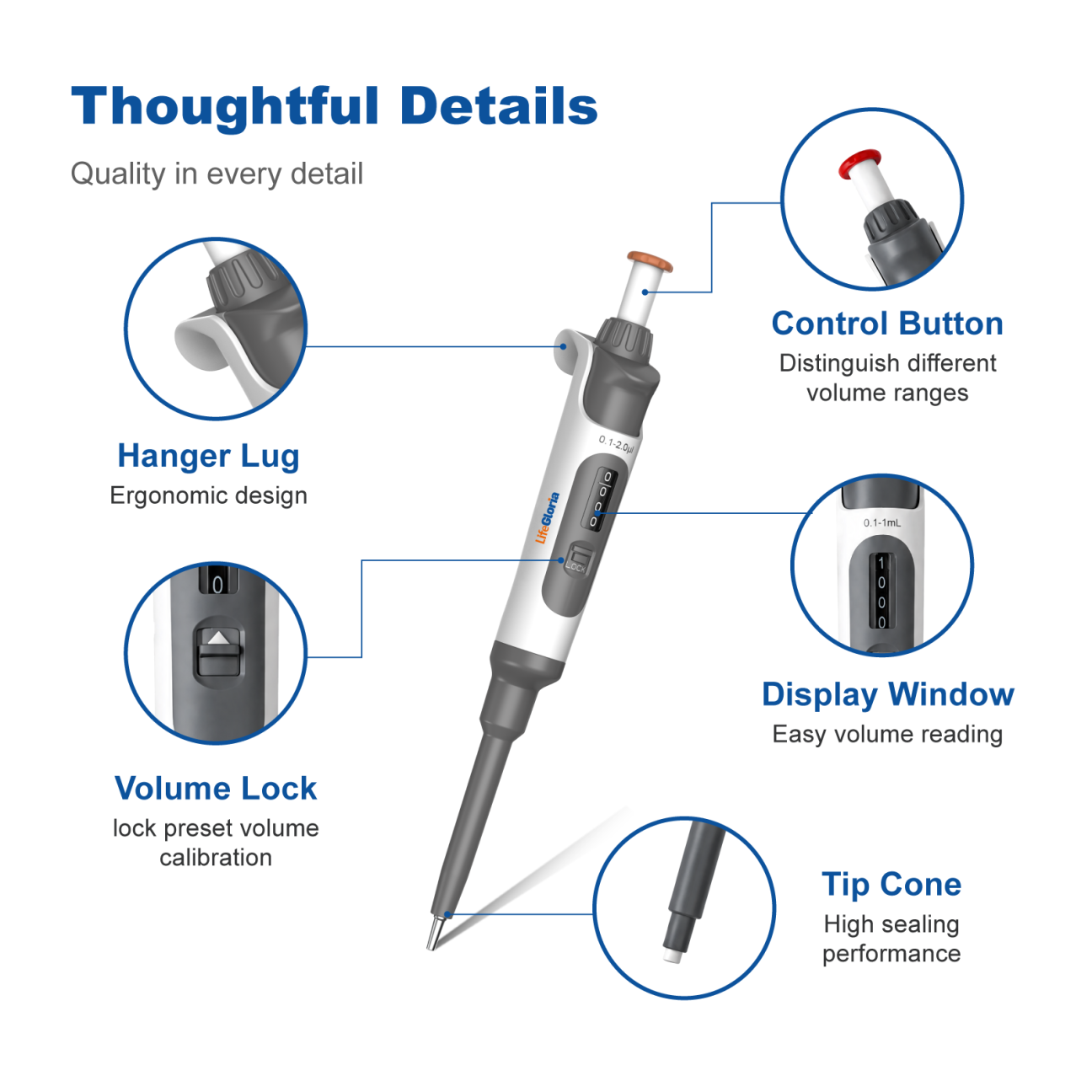
1. Ergonomic Design
Researchers may perform hundreds of pipetting operations every day.
A good micropipette should have:
- Comfortable grip
- Low operating force
- Smooth plunger movement
- Lightweight construction
Ergonomic design helps reduce hand fatigue during long experiments.
2. Calibration Capability
Calibration ensures that pipettes maintain accurate performance over time.
Look for:
- Easy calibration adjustment
- Calibration certificates
- Compliance with laboratory quality standards
Regular calibration is essential for reliable results.
3. Autoclavable Construction
For applications requiring strict contamination control, autoclavable pipettes are preferred.
Benefits include:
- Better sterilization
- Reduced contamination risk
- Longer service life
4. Tip Compatibility
A pipette should work reliably with high-quality pipette tips.
Consider:
- Tip sealing performance
- Tip availability
- Filter tip compatibility
- Liquid retention characteristics
Common Pipetting Mistakes and How to Avoid Them
1. Using the Wrong Pipette Range
A common mistake is using a large-volume pipette for very small volumes.
Solution:
Choose a pipette designed for your target volume.
2. Incorrect Pipetting Technique
Common errors include:
- Pressing the plunger too quickly
- Holding the pipette at the wrong angle
- Not pre-wetting tips
- Inconsistent aspiration speed
Proper technique improves accuracy.
3. Ignoring Calibration
Even high-quality pipettes require regular checking.
Routine calibration prevents inaccurate experimental results.
Manual Pipette vs Electronic Pipette
Manual Pipette
Advantages:
- Affordable
- Simple operation
- Reliable
- Easy maintenance
Best for:
Routine laboratory applications.
Electronic Pipette
Advantages:
- Reduced user variability
- Programmable operation
- Improved repeatability
Best for:
High-throughput laboratories.
How to Maintain a Micropipette
Proper maintenance extends pipette lifespan.
Recommended practices:
- Store pipettes vertically
- Avoid dropping instruments
- Clean regularly
- Replace damaged seals
- Calibrate periodically
- Use compatible tips
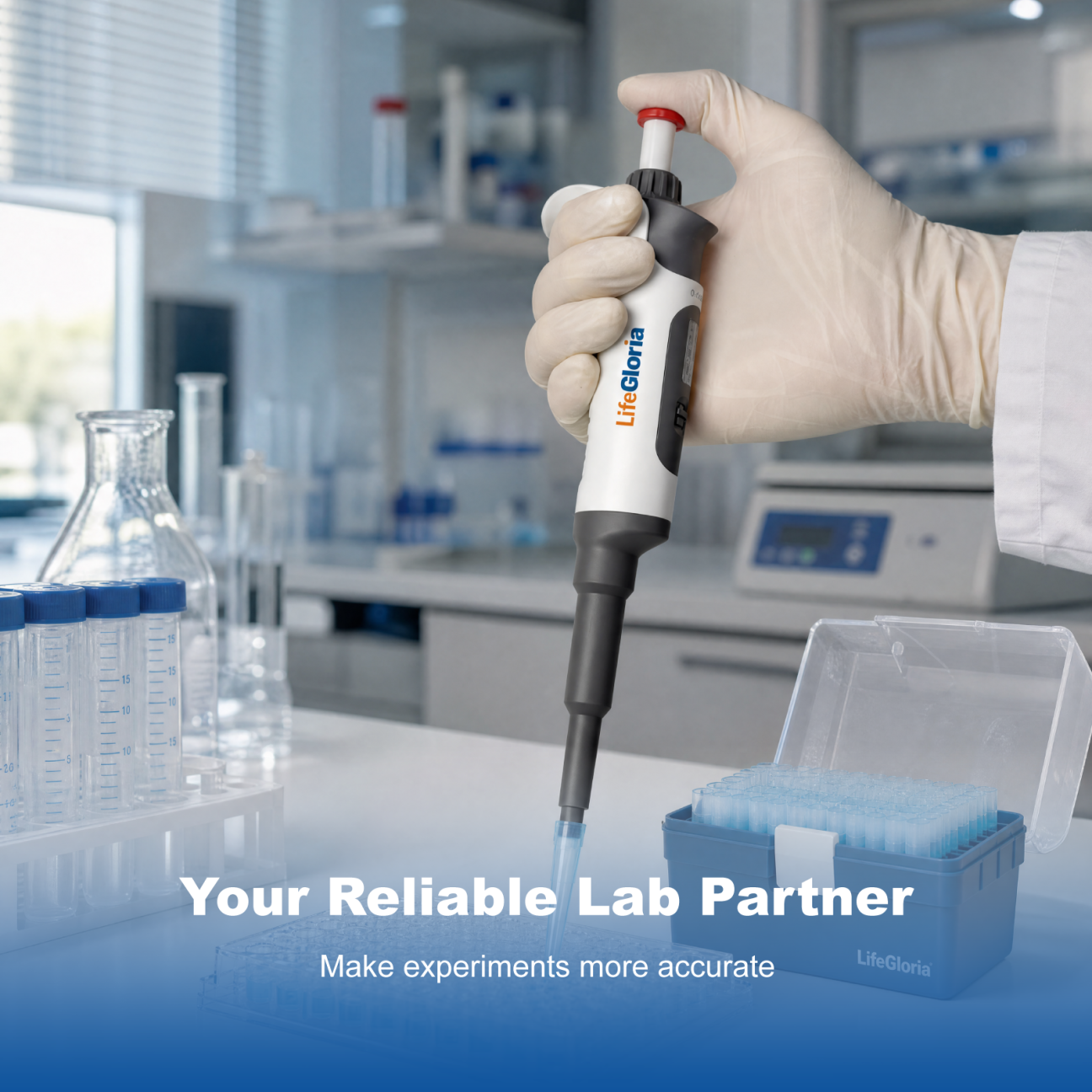
Why Choose LifeGloria Micropipettes?
LifeGloria provides reliable liquid handling solutions designed for research laboratories, biotechnology companies, universities, and clinical applications.
LifeGloria micropipettes feature:
- Adjustable volume options
- High accuracy liquid handling
- Ergonomic operation
- Reliable performance
- Autoclavable construction
- Compatibility with laboratory workflows
Designed for precision and daily laboratory use, LifeGloria pipettes help researchers achieve consistent and reproducible results.
Frequently Asked Questions
What micropipette should beginners use?
A single-channel adjustable-volume micropipette is usually the best choice for beginners because it supports a wide range of laboratory applications.
How often should a micropipette be calibrated?
Most laboratories calibrate pipettes every 6–12 months, depending on usage frequency and quality requirements.
What is the most accurate pipette volume range?
The most accurate results usually come from selecting a pipette where the target volume is within the middle portion of its operating range.
Can micropipettes be sterilized?
Many laboratory micropipettes feature autoclavable components that allow sterilization to reduce contamination risk.
Conclusion
Selecting the right micropipette is essential for accurate and reproducible laboratory work. By considering volume range, accuracy, precision, ergonomics, calibration, and application requirements, researchers can choose a pipette that improves both workflow efficiency and experimental reliability.
LifeGloria provides professional laboratory liquid handling solutions designed to support scientists, researchers, and laboratories worldwide.
