


A laboratory centrifuge is one of the most essential precision devices in modern scientific and medical laboratories. It uses centrifugal force to efficiently separate liquid mixtures, cell samples, and biochemical substances. Many lab operators overlook standard selection and operation rules. This leads to inaccurate test results, device wear, and even potential safety risks. Understanding how to choose and use a laboratory centrifuge correctly is critical for stable lab operation and reliable experimental data.
Core Functions of a Standard Laboratory Centrifuge
A qualified laboratory centrifuge relies on high-speed rotation to generate powerful centrifugal force. It can separate samples by density within a short time. Common separation scenarios include blood sample processing, nucleic acid extraction, and microbial separation. Every standard lab centrifuge features adjustable speed, precise timing, and a stable rotor structure. These basic designs ensure consistent performance for daily experimental tasks.
Different lab scenarios require matched centrifuge parameters. Low-speed models suit routine clinical tests. High-speed and refrigerated types adapt to biochemical and molecular biology experiments. Choosing the right device prevents sample damage and improves experimental efficiency greatly.
Key Factors for Selecting a Suitable Laboratory Centrifuge
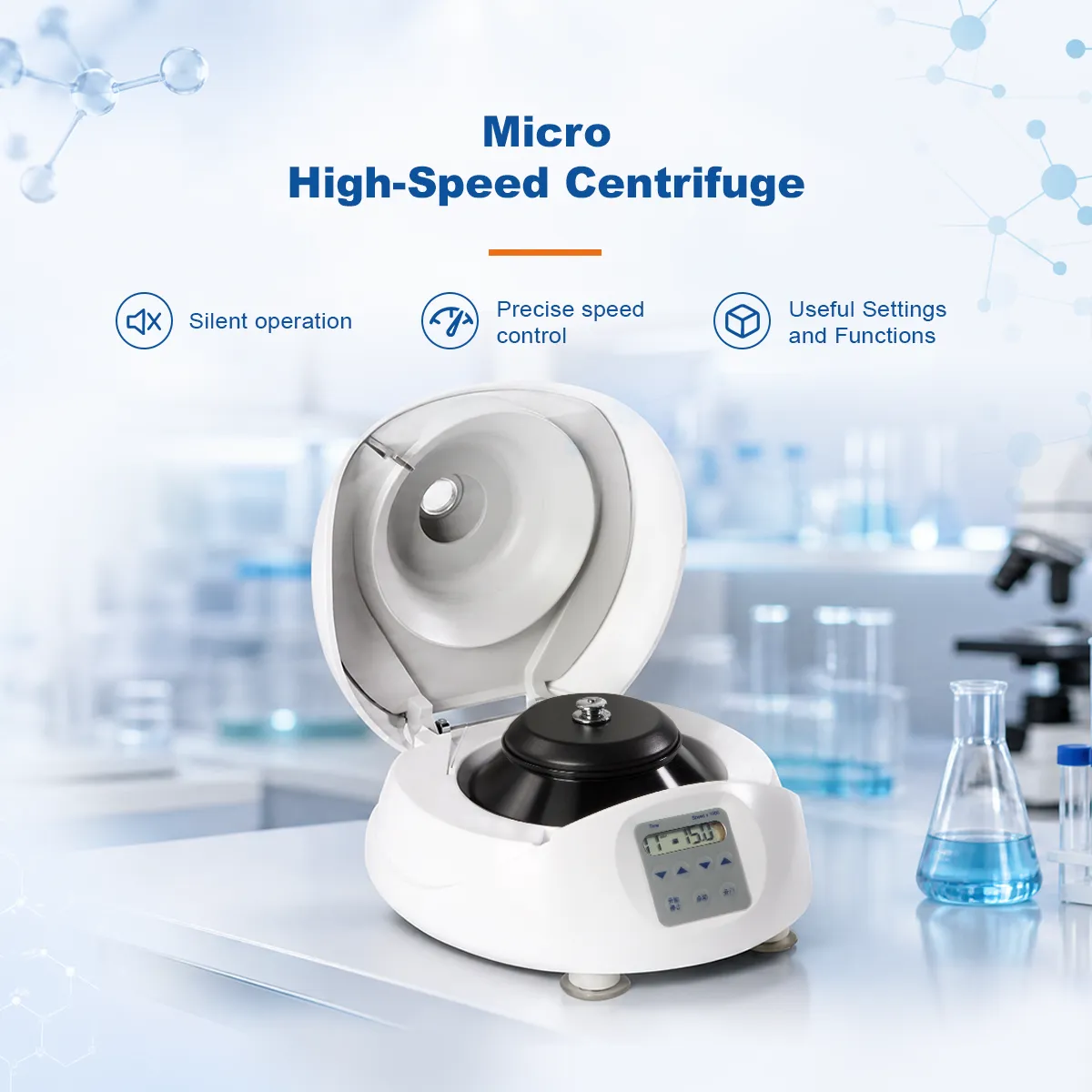
Many laboratory staff select centrifuges based only on price or appearance. This is a typical wrong selection habit. Users need to focus on core performance indicators first to match their experimental needs.
First, confirm the maximum rotating speed of the laboratory centrifuge. Routine sample separation only needs 3000 to 5000 rpm. High-precision experiments require speeds above 10000 rpm. Second, check the rotor capacity and compatibility. The rotor must fit standard test tubes to avoid unbalanced operation. Third, prioritize refrigeration functions for temperature-sensitive samples. Constant low temperature protects sample activity and guarantees valid test data.
In addition, device stability and noise control matter a lot. A high-quality lab centrifuge runs smoothly without severe vibration. It creates a safe and quiet working environment for laboratory staff.

Common Mistakes to Avoid in Centrifuge Operation
Improper operation shortens the service life of a laboratory centrifuge and ruins experimental samples. Several frequent errors occur in daily lab work and need strict avoidance.
Unbalanced sample placement ranks first among common mistakes. Many operators add samples randomly to save time. Uneven tube weight causes violent vibration during rotation. It may even lead to rotor deformation or device failure. Users must balance the sample weight symmetrically before starting the device.
Overloading the centrifuge is another harmful operation. Exceeding the rated tube capacity increases device load. It also reduces separation accuracy and raises safety hazards. Moreover, a sudden shutdown during high-speed running is forbidden. This operation damages the internal motor and precision components gradually.
Daily Maintenance to Extend Centrifuge Service Life
Good maintenance keeps a laboratory centrifuge in stable long-term operation. Simple daily checks can effectively reduce failure rates. Users need to clean the rotor and inner cavity after each use. Residual sample liquid may corrode metal parts and affect subsequent experiments.
Regular inspection of power lines and speed calibration is also necessary. Loose circuits cause startup failures. Deviated speed parameters directly affect sample separation effects. Timely maintenance ensures consistent and reliable device performance.
Conclusion
A laboratory centrifuge is an irreplaceable tool for biochemical, medical, and scientific research experiments. Reasonable selection, standardized operation, and regular maintenance are the keys to maximizing its value. Avoiding blind selection and irregular usage helps laboratories obtain accurate experimental results. It also reduces equipment loss and improves overall laboratory work efficiency.
