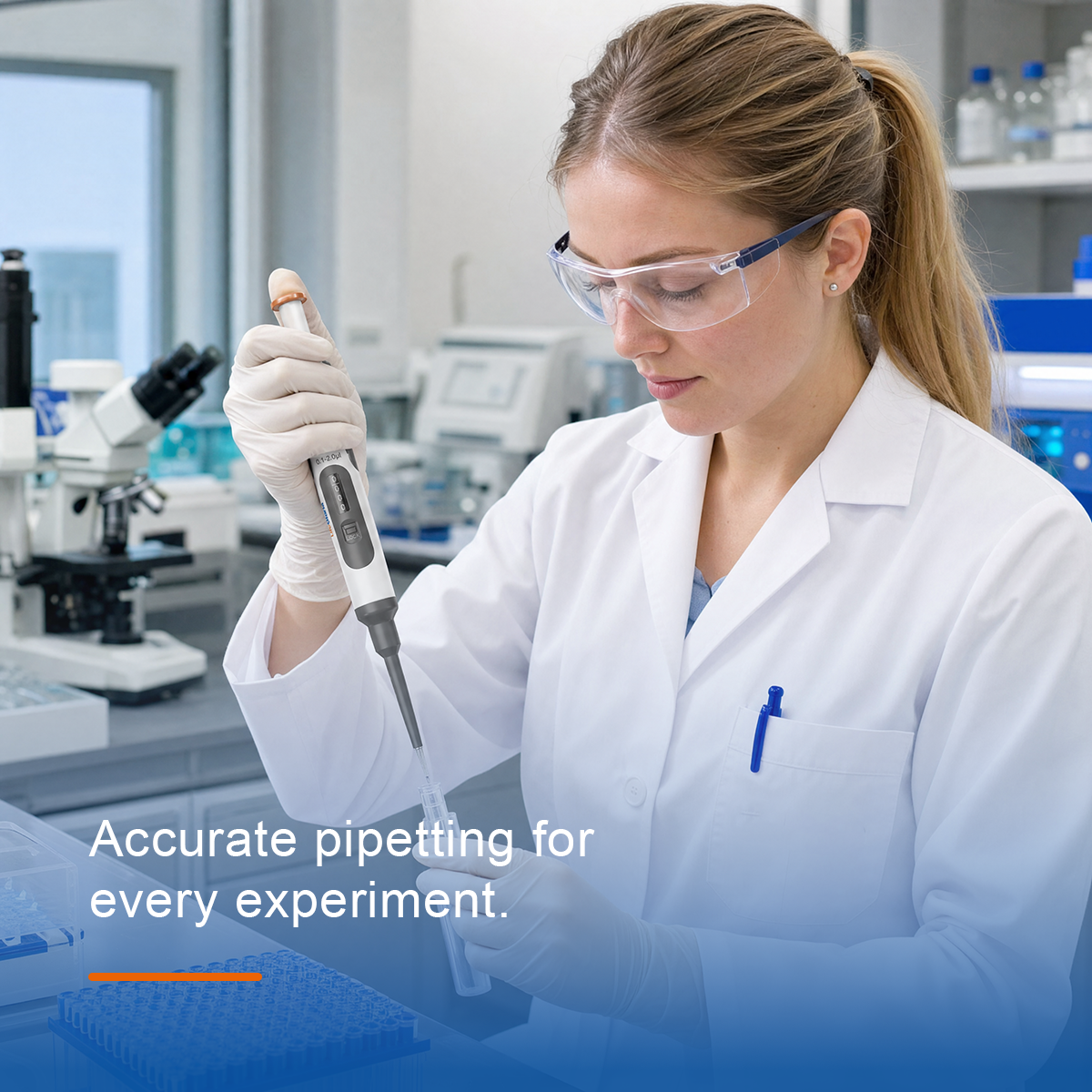
Choosing the right fully autoclavable pipette is essential for any laboratory. Whether you work in life science, clinical testing, or research, precision matters. A well-selected pipette improves accuracy, saves time, and reduces errors. This guide explains key factors such as accuracy, volume, and tips. It also highlights common mistakes to avoid.
Why Choose a Fully Autoclavable Pipette for Modern Labs
A fully autoclavable pipette is designed for sterile workflows. It supports high-temperature sterilization and reduces contamination risks. This makes it ideal for sensitive experiments. Sterility is critical in cell biology and microbiology. Therefore, using a fully autoclavable pipette ensures consistent results. In addition, it protects both samples and users. Many labs now prefer this type of pipette. It offers both safety and flexibility in daily operations.
Understanding Pipette Accuracy and Precision
Accuracy and precision are not the same. Accuracy refers to how close the result is to the true value. Precision shows how consistent repeated results are. A high-quality, fully autoclavable pipette should deliver both. Look for calibration certification and low error margins. These factors directly affect your data reliability. Regular maintenance also matters. Clean and calibrate your pipette often. This ensures stable performance over time.
Choosing the Right Volume Range
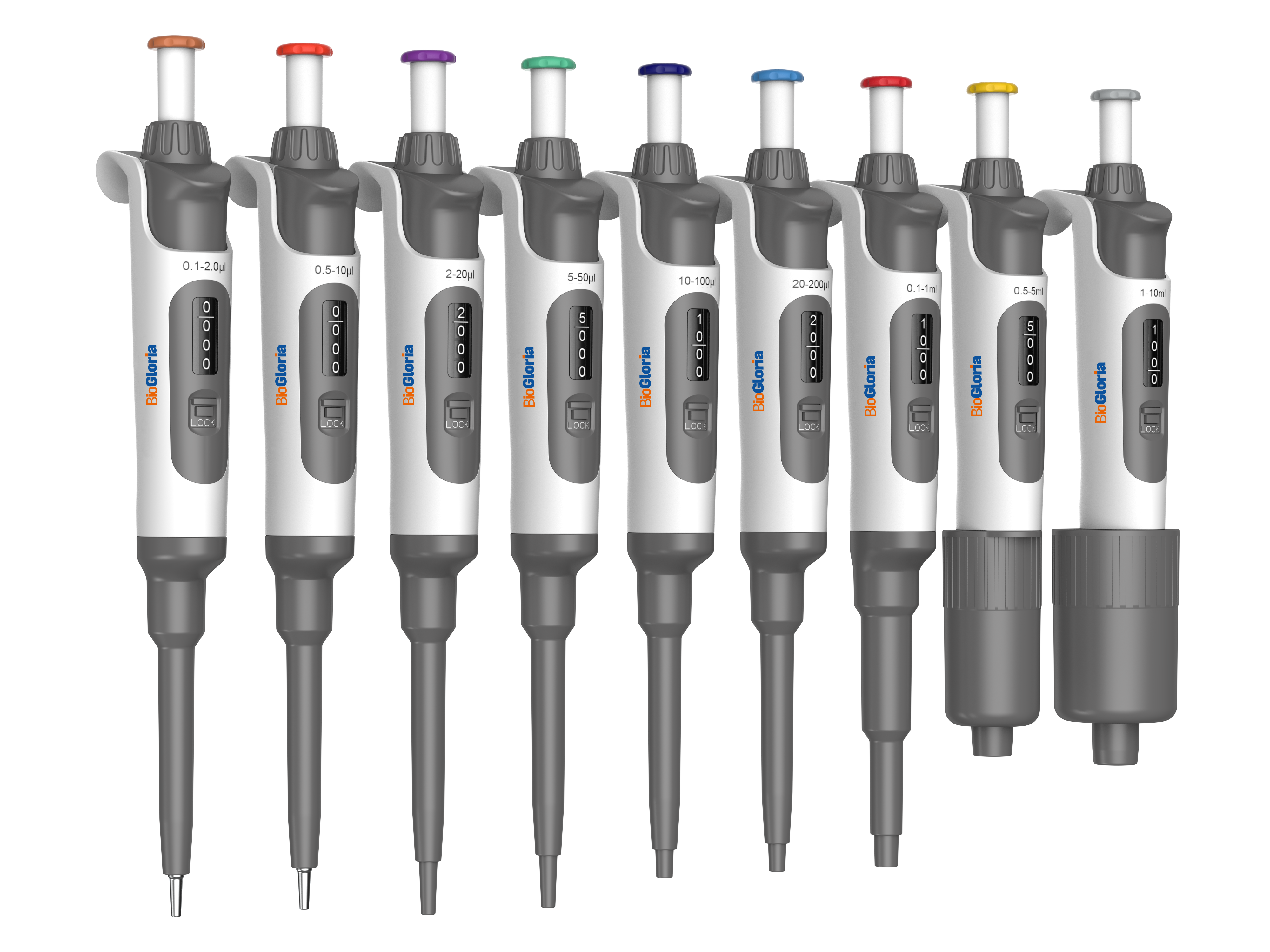
Volume range is a key factor when selecting a pipette. Different experiments require different capacities. Common ranges include: 0.1–2.5 µL for micro work, 2–20 µL for general lab use 20–200 µL for routine tasks 100–1000 µL for larger samples. Selecting the correct range improves accuracy. A fully autoclavable pipette designed for specific volumes will perform better than a universal one. Avoid using a pipette at its extreme limits. This often leads to higher error rates.
Compatibility with Pipette Tips
Pipette tips play a major role in performance. Even the best fully autoclavable pipette can fail with poor-quality tips. Always choose compatible and sterile tips. This ensures a proper seal and accurate liquid transfer. In addition, filtered tips help prevent contamination. Universal tips are convenient. However, brand-specific tips may offer a better fit and precision.

Ergonomics and Ease of Use
Comfort is often overlooked. However, it directly affects productivity. A good, fully autoclavable pipette should have a lightweight design. It should also require low force for operation. This reduces hand fatigue during repetitive tasks. Look for features such as: Smooth plunger movement, Clear volume display, Easy tip ejection. These details improve the overall user experience.
Maintenance and Sterilization Requirements
One major advantage of a fully autoclavable pipette is its ability to withstand sterilization. Most models support autoclaving at high temperatures. Regular cleaning prevents residue buildup. It also extends the lifespan of the device. Follow manufacturer guidelines for maintenance. Improper handling may damage internal components.
Common Mistakes to Avoid When Buying
Many buyers focus only on price. However, this can lead to poor performance. Avoid these common mistakes: Choosing the wrong volume range, ignoring compatibility with tips, overlooking calibration requirements, and selecting non-autoclavable models for sterile work. In addition, do not ignore ergonomics. A poorly designed pipette can slow down your workflow.
Final Thoughts: Selecting the Right Fully Autoclavable Pipette
A reliable, fully autoclavable pipette is a long-term investment. It improves accuracy, ensures sterility, and enhances efficiency. Focus on quality, not just cost. Consider accuracy, volume range, and tip compatibility. Also, pay attention to user comfort and maintenance needs. By making the right choice, you can optimize your lab workflow and achieve consistent results.